













Introduction: Living in a Fully Digital World
Over the past two decades, the concept of a “digital lifestyle” has evolved from a niche idea into a defining characteristic of modern human existence. What was once limited to desktop computers and early mobile phones has now expanded into an interconnected ecosystem of smartphones, smart homes, artificial intelligence, cloud computing, wearable devices, and immersive virtual environments.
Today, digital technology is not just a tool—it is an environment. It shapes how we communicate, how we work, how we learn, how we entertain ourselves, and even how we understand our own identities. The boundary between the physical and digital worlds has blurred to the point where many aspects of life exist simultaneously in both realms.
This transformation has created unprecedented opportunities—but also complex challenges. From remote work and digital entrepreneurship to social media fatigue and privacy concerns, the digital lifestyle is both empowering and demanding.
This article explores the evolution, structure, benefits, and consequences of the digital lifestyle, offering a comprehensive look at how technology is redefining what it means to live in the 21st century.
1. The Evolution of Digital Lifestyle
1.1 From Analog to Always Connected
Before the rise of the internet, daily life was largely analog. Communication relied on face-to-face interactions, landline phones, and written correspondence. Information was accessed through books, newspapers, and broadcast media.
The introduction of the internet in the late 20th century marked the first major shift. Email replaced letters, websites replaced encyclopedias, and early chat rooms began reshaping social interaction.
However, the real turning point came with:
- The rise of smartphones
- High-speed mobile internet (4G, now 5G)
- Cloud computing
- Social media platforms
These innovations transformed digital engagement from something occasional into something continuous.
Today, connectivity is constant. Notifications, messages, updates, and streams of information follow us everywhere, creating a lifestyle that is always online.
1.2 The Smartphone as the Digital Hub
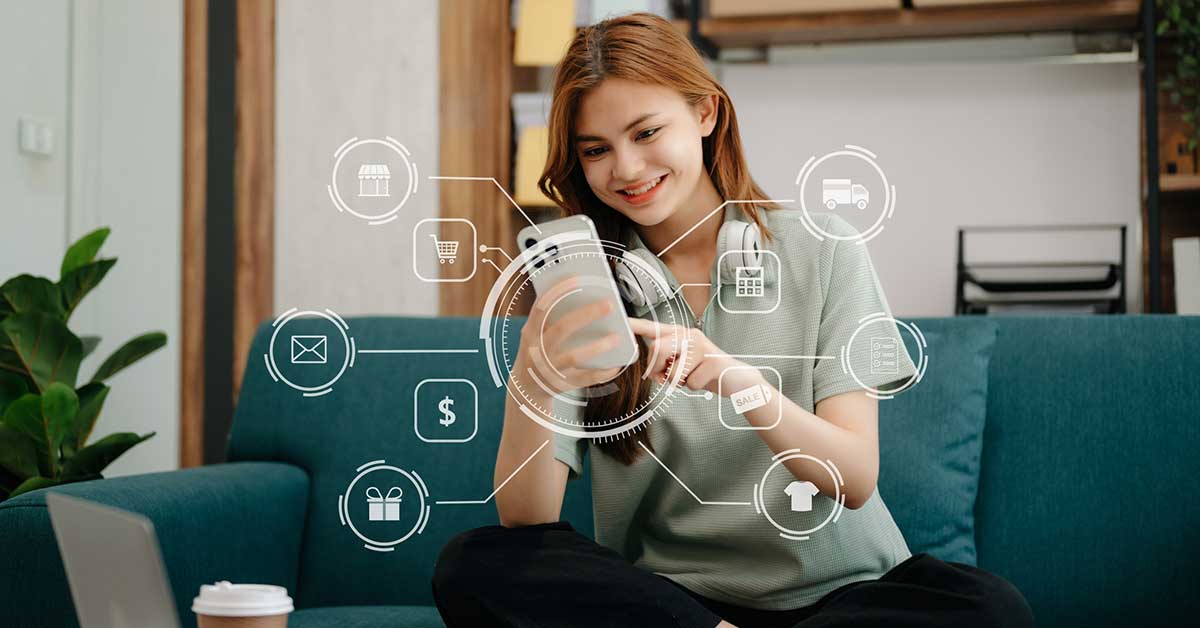
The smartphone is arguably the most important device in the digital lifestyle ecosystem. It functions as:
- A communication tool
- A workplace
- A camera
- A wallet
- A navigation system
- A personal assistant
With a single device, individuals can manage nearly every aspect of their lives.
This centralization has led to:
- Increased efficiency
- Greater convenience
- Higher dependency
For many, the smartphone is no longer optional—it is essential infrastructure.
1.3 The Rise of the Digital Ecosystem
Modern digital lifestyles are not built around a single device but an ecosystem that includes:
- Laptops and tablets
- Smartwatches and fitness trackers
- Smart home devices (lights, thermostats, speakers)
- Cloud storage and synchronization platforms
These devices are interconnected, creating seamless transitions between different contexts:
- Work to leisure
- Home to travel
- Physical to digital environments
This interconnectedness is what defines the modern digital lifestyle—not just technology itself, but how technologies integrate into a unified experience.
2. Digital Work: Redefining Productivity and Careers
2.1 The Remote Work Revolution
One of the most significant impacts of digital lifestyles is the transformation of work.
Remote work, once a privilege or niche arrangement, has become mainstream. Digital tools such as video conferencing, collaborative platforms, and cloud-based systems have made it possible to work from anywhere.
Benefits include:
- Flexibility in location and schedule
- Reduced commuting time
- Access to global job opportunities
However, challenges have also emerged:
- Blurred boundaries between work and personal life
- Increased digital fatigue
- Isolation and reduced in-person collaboration
2.2 The Gig Economy and Digital Entrepreneurship
Digital platforms have enabled new forms of employment:
- Freelancing
- Content creation
- E-commerce businesses
- Remote consulting
Individuals can now build careers entirely online, often without traditional employers.
This shift has:
- Increased autonomy
- Lowered barriers to entry
- Created new income streams
At the same time, it has introduced instability, as income may fluctuate and benefits are often limited.
2.3 Productivity in the Digital Age
Digital tools have dramatically increased productivity through:
- Automation
- Real-time collaboration
- Data-driven decision-making
However, they have also introduced new challenges:
- Constant notifications
- Multitasking overload
- Reduced attention spans
The paradox of digital productivity is clear: the same tools that enhance efficiency can also undermine focus.
3. Digital Communication: Always Connected, Rarely Alone
3.1 The Transformation of Social Interaction
Communication has shifted from:
- Physical → Digital
- Synchronous → Asynchronous
- Private → Public (social media)
People now maintain relationships through messaging apps, video calls, and social platforms.
This has enabled:
- Global connectivity
- Instant communication
- Expanded social networks
But it has also led to:
- Superficial interactions
- Reduced depth in relationships
- Social comparison and anxiety
3.2 The Rise of Social Media Identity
Social media has introduced the concept of curated identity.
Individuals now:
- Present selected versions of their lives
- Build personal brands
- Engage in digital storytelling
This can be empowering, allowing for self-expression and creativity. However, it can also create pressure to perform and maintain an idealized image.
3.3 Digital Loneliness
Despite constant connectivity, many people experience loneliness.
Why?
- Interactions are often brief and fragmented
- Physical presence is reduced
- Emotional depth may be lacking
This paradox highlights a key challenge of digital lifestyles: connection does not always equal closeness.
4. Digital Entertainment: Infinite Content, Limited Attention
4.1 The Streaming Era
Entertainment has shifted from scheduled programming to on-demand access.
Users can now:
- Watch movies anytime
- Listen to music instantly
- Access global content libraries
This has democratized entertainment but also created content overload.
4.2 Gaming and Virtual Worlds
Gaming has evolved into a major component of digital lifestyle.
Modern gaming offers:
- Immersive experiences
- Social interaction
- Competitive environments
Virtual worlds blur the line between reality and simulation, allowing users to live alternate lives digitally.
4.3 The Attention Economy
Digital platforms compete for user attention.
This has led to:
- Algorithm-driven content
- Endless scrolling
- Short-form media dominance
While engaging, this model can reduce deep engagement and increase dependency.
5. Digital Health and Well-being
5.1 Wearables and Health Tracking
Devices now track:
- Steps
- Heart rate
- Sleep patterns
- Stress levels
This data empowers individuals to take control of their health.
5.2 Mental Health in a Digital World
Digital lifestyles impact mental health in complex ways:
Positive effects:
- Access to mental health resources
- Online support communities
Negative effects:
- Screen addiction
- Anxiety from social comparison
- Information overload
5.3 The Need for Digital Balance
Maintaining a healthy digital lifestyle requires:
- Setting boundaries
- Managing screen time
- Prioritizing offline experiences
Balance is not about rejecting technology but using it intentionally.
6. Smart Living: The Connected Home
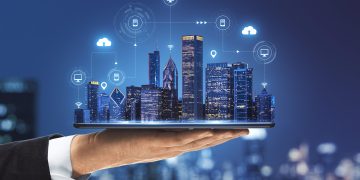
6.1 The Rise of Smart Homes
Homes are becoming intelligent environments with:
- Voice assistants
- Automated lighting
- Smart security systems
These technologies increase convenience and efficiency.
6.2 Privacy Concerns
Connected devices collect data continuously.
This raises questions about:
- Data ownership
- Surveillance
- Security risks
Users must balance convenience with privacy.
7. The Future of Digital Lifestyle
7.1 Artificial Intelligence Integration
AI will increasingly:
- Personalize experiences
- Automate tasks
- Enhance decision-making
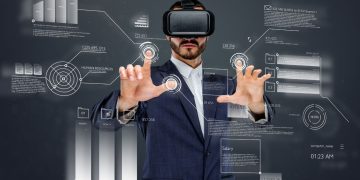
7.2 Virtual and Augmented Reality
These technologies will create:
- Immersive workspaces
- Virtual social environments
- New forms of entertainment
7.3 The Blurring of Reality
The distinction between digital and physical life will continue to fade.
Future lifestyles may be:
- Hybrid
- Immersive
- Continuously connected
Conclusion: Living Intentionally in a Digital World
The digital lifestyle is not just a trend—it is the new foundation of modern life. It offers incredible possibilities, from global connectivity to personalized experiences and unprecedented convenience.
However, it also demands awareness and responsibility.
The challenge is not to escape the digital world, but to shape it—to use technology in ways that enhance, rather than diminish, our humanity.
As we move forward, the most successful digital lifestyles will not be the most connected, but the most intentional.









Discussion about this post