












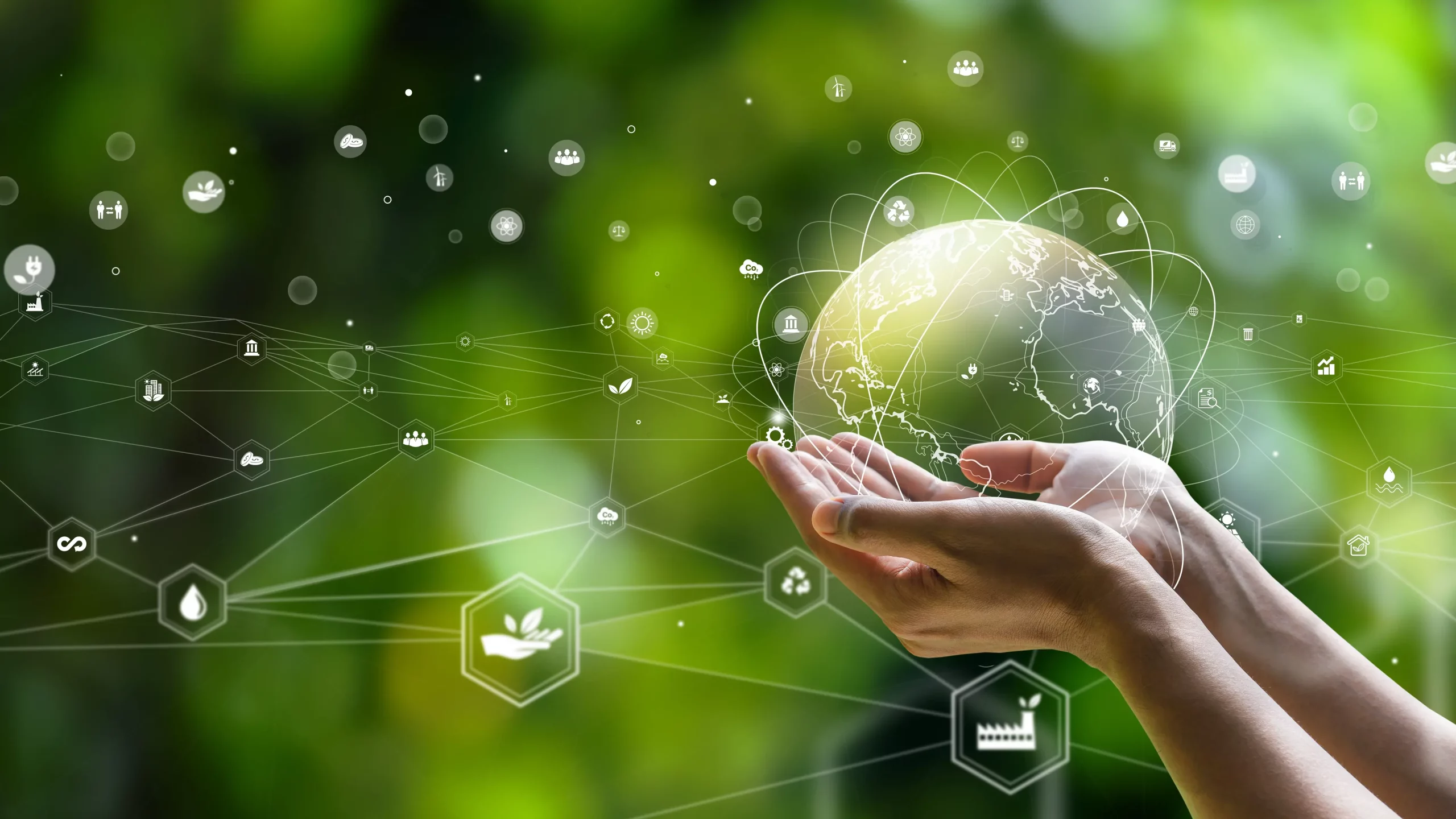
Opening: When Reality Stops Being Singular
For most of human history, reality was singular.
You lived in one place.
You interacted with people physically present.
Your environment was defined by what you could see, hear, and touch.
But that clarity is dissolving.
Today, reality is layered:
- Physical spaces
- Digital interfaces
- Virtual environments
- Algorithmically curated experiences
We are no longer living in one reality.
We are living in a hybrid reality—a continuous blend of the physical and the digital.
And this is only the beginning.
1. The Collapse of Boundaries
The most significant shift in digital lifestyle is not a new device or platform.
It is the collapse of boundaries.
Boundaries That Are Disappearing
- Online vs offline
- Work vs life
- Real vs virtual
- Human vs machine
These distinctions used to structure experience.
Now, they are becoming fluid.
The New Condition
Instead of switching between worlds, we experience:
A continuous, overlapping reality.
2. AI as a Daily Companion
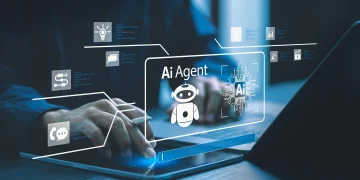
Artificial intelligence is moving from background system to personal presence.
From Tool to Companion
Early AI:
- Responded to commands
- Solved specific tasks
Emerging AI:
- Maintains conversations
- Adapts to personality
- Learns preferences
The Role It Plays
AI becomes:
- Assistant
- Advisor
- Companion
- Creative partner
The Emotional Layer
As discussed earlier in the series:
People do not just use AI—they interact with it.
And over time:
- Trust forms
- Habits develop
- Emotional responses emerge
3. Virtual Spaces as Real Experiences
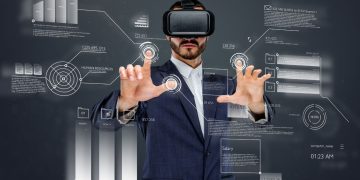
Digital environments are becoming immersive.
The Rise of Virtual Presence
- Virtual meetings
- Online communities
- Digital worlds
Beyond Screens
With advances in:
- Augmented reality (AR)
- Virtual reality (VR)
- Spatial computing
Experiences become:
- More immersive
- More interactive
- More embodied
The Key Shift
Virtual experiences are no longer secondary.
They can feel:
As meaningful as physical ones.
4. Identity in a Multi-Reality World
In a hybrid reality, identity becomes more complex.
Multiple Selves
You may have:
- A physical identity
- A professional digital identity
- A social media persona
- A virtual avatar
Fluid Identity
These identities may:
- Overlap
- Diverge
- Evolve independently
The Question
Which version is “real”?
The answer may be:
All of them—and none completely.
5. The Personalization of Reality Itself
Personalization is expanding beyond content.
From Content to Environment
Instead of just:
- Personalized feeds
We move toward:
- Personalized experiences
- Personalized spaces
- Personalized interactions
Example
Two people in the same physical location might experience:
- Different information overlays
- Different recommendations
- Different digital enhancements
Reality becomes:
Individually tailored.
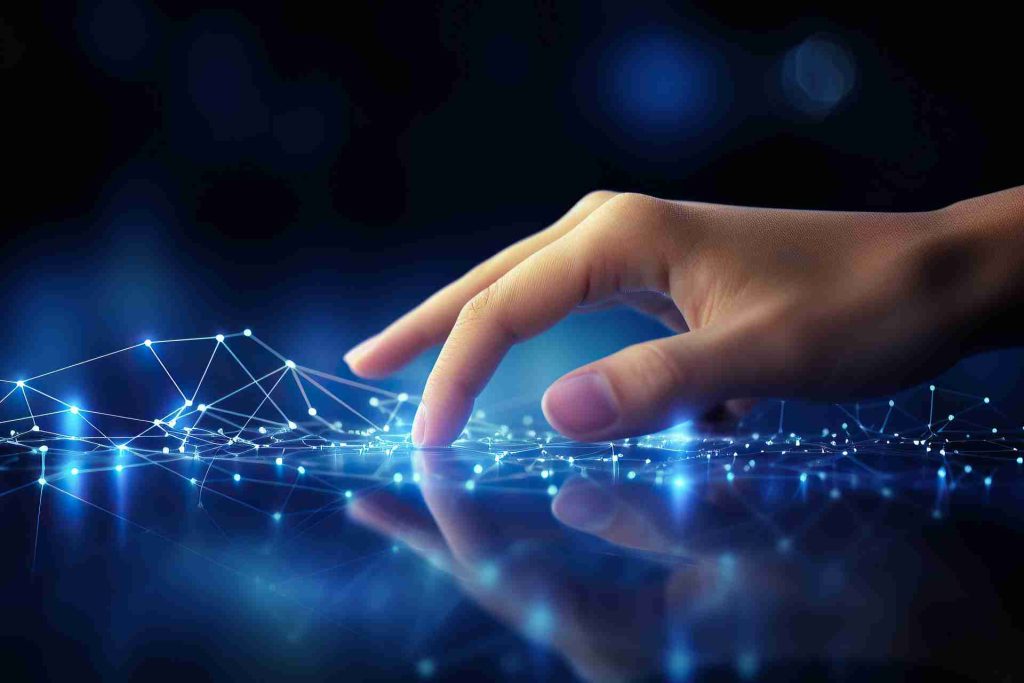
6. Work, Creativity, and AI Collaboration
Work in a hybrid reality is deeply integrated with AI.
AI as Co-Creator
- Writing assistance
- Design generation
- Idea expansion
The Shift
Work becomes:
- Faster
- More collaborative (with machines)
- Less linear
The New Skill
Not just doing work—but:
Directing intelligent systems effectively.
7. The Redefinition of Presence
Presence used to mean physical proximity.
Now, it means:
- Attention
- Interaction
- Responsiveness
Distributed Presence
You can be:
- Physically in one place
- Mentally engaged elsewhere
- Digitally present in multiple spaces
The Challenge
Presence becomes fragmented.
The key question becomes:
Where are you truly present?
8. The Economics of Digital Life
Digital lifestyle is not just cultural—it is economic.
New Forms of Value
- Digital assets
- Virtual goods
- Online influence
- Attention
The Creator Economy
Individuals can:
- Build audiences
- Monetize content
- Create digital businesses
The Shift
Value is no longer tied only to physical production.
It is tied to:
Attention, creativity, and digital presence.
9. Risks of a Fully Hybrid Reality
While the future is exciting, it is not without risks.
Key Concerns
- Over-dependence on technology
- Blurred sense of reality
- Loss of privacy
- Increased isolation
The Psychological Risk
If digital experiences become too dominant:
- Physical life may feel less engaging
- Real-world interaction may decrease
10. Designing a Human-Centered Future
The future of digital lifestyle is not predetermined.
It depends on choices.
Key Principles
- Technology should enhance—not replace—human experience
- Systems should remain transparent
- Individuals should retain agency
The Goal
A world where:
- Digital and physical coexist
- Efficiency and meaning are balanced
- Technology supports human well-being
Conclusion: Living Between Worlds
We are entering an era where reality is no longer singular.
It is layered, dynamic, and increasingly personalized.
Technology will continue to:
- Integrate into daily life
- Shape experience
- Expand possibilities
But at the center of this transformation remains a simple truth:
We are still human.
We still seek:
- Meaning
- Connection
- Purpose
Hybrid reality does not replace these needs.
It changes how we pursue them.
Final Reflection on the Series
Across these five articles, the digital lifestyle reveals itself as more than a trend.
It is a new mode of existence.
- We are always connected
- We curate our identities
- We live in intelligent environments
- We struggle for attention and control
- We move toward hybrid realities
The question is not whether we will live digitally.
We already do.
The question is:
How consciously we choose to live within it.








Discussion about this post