




















Introduction: The Urban Future of Humanity
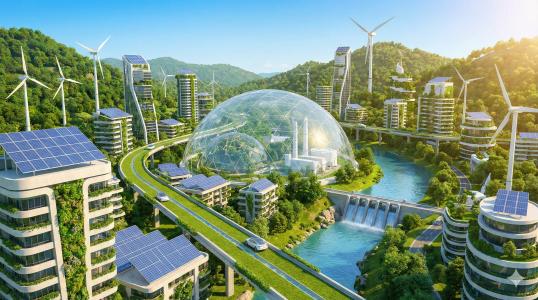
Human civilization is becoming increasingly urban. Across the world, cities continue expanding as millions of people move into metropolitan areas seeking economic opportunity, education, healthcare, and modern lifestyles. Urban centers now function as the engines of global culture, technology, finance, politics, and innovation. Yet the rapid growth of cities also creates enormous environmental and infrastructural challenges.
Modern cities consume massive amounts of energy, generate large quantities of waste, produce significant carbon emissions, and place intense pressure on transportation systems, water supplies, housing markets, and public services. Traffic congestion, pollution, overcrowding, and inefficient infrastructure threaten both environmental sustainability and quality of life.
As climate change accelerates and urban populations continue growing, traditional city planning models are becoming increasingly unsustainable.
In response, governments, engineers, architects, environmental scientists, and technology companies are developing a new urban vision centered around smart cities and green urban technology.
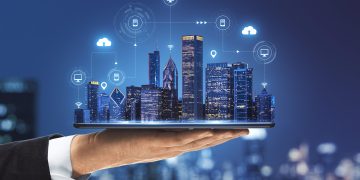
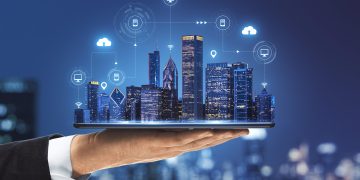
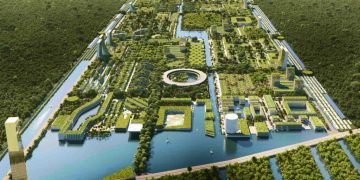
A smart city uses advanced digital systems, artificial intelligence, renewable energy, automation, sensors, data analysis, and sustainable infrastructure to improve urban efficiency, reduce environmental impact, and enhance residents’ daily lives. Green urban technology focuses specifically on making cities more environmentally responsible through cleaner energy systems, sustainable transportation, energy-efficient architecture, intelligent waste management, and climate-resilient infrastructure.
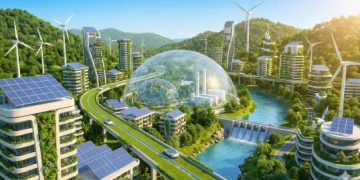
The idea of the smart green city represents more than technological modernization. It reflects a broader attempt to redesign urban civilization for a future defined by sustainability, connectivity, and environmental responsibility. In these emerging cities, buildings may generate their own electricity, traffic systems may optimize themselves using AI, waste systems may automatically improve recycling efficiency, and transportation networks may rely heavily on electric and autonomous mobility systems.
At the same time, smart city development raises difficult questions involving privacy, surveillance, economic inequality, digital dependency, cybersecurity, and whether highly technologized cities may become too controlled or centralized.
The future of urban civilization therefore depends not only on technological innovation but also on ethical governance, inclusive planning, and environmental balance.
This article explores the rise of smart cities, the green technologies transforming urban environments, the benefits and risks of intelligent urban systems, and the future of sustainable city living in the 21st century.
The Rise of Urban Civilization
Why Cities Matter More Than Ever
Cities have always played important roles in human history. Ancient urban centers served as hubs for trade, governance, culture, and scientific development.
However, the scale of modern urbanization is unprecedented.
Today, more than half of the global population lives in cities, and this number is expected to continue increasing throughout the century.
Urban growth creates both opportunity and pressure.
Cities generate:
- Economic productivity
- Innovation ecosystems
- Educational access
- Cultural diversity
- Technological advancement
But they also face serious problems such as:
- Air pollution
- Traffic congestion
- Housing shortages
- Waste accumulation
- High energy consumption
- Infrastructure stress
Urban areas are responsible for a large share of global carbon emissions and resource consumption.
The future of environmental sustainability therefore depends heavily on how cities evolve.
What Is a Smart City?
Technology Meets Urban Infrastructure
A smart city integrates digital technology into urban systems to improve efficiency, sustainability, and quality of life.
Smart cities rely heavily on:
- Internet-connected sensors
- Artificial intelligence
- Real-time data analysis
- Automation systems
- Renewable energy integration
- Smart communication networks
The goal is creating urban systems capable of adapting dynamically to changing conditions.
For example:
- Traffic systems may automatically reduce congestion
- Smart lighting may lower electricity usage
- Water systems may detect leaks instantly
- Public transportation may optimize routes in real time
- Waste systems may improve collection efficiency
Smart cities treat information as a central urban resource.
Data becomes essential for improving how cities function.
Green Urban Technology
Sustainability Through Innovation
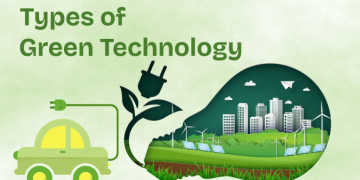
Green urban technology focuses specifically on reducing the environmental impact of urban living.
Major areas include:
- Renewable energy systems
- Energy-efficient buildings
- Sustainable transportation
- Water conservation
- Waste reduction
- Urban agriculture
- Climate adaptation infrastructure
The combination of smart technology and environmental design aims to create cities that are both technologically advanced and ecologically sustainable.
Future cities may operate more like integrated ecosystems rather than isolated infrastructure systems.
Renewable Energy in Cities
Urban Power Transformation
Traditional cities rely heavily on centralized fossil fuel power systems.
Green urban technology encourages cities to transition toward renewable energy sources such as:
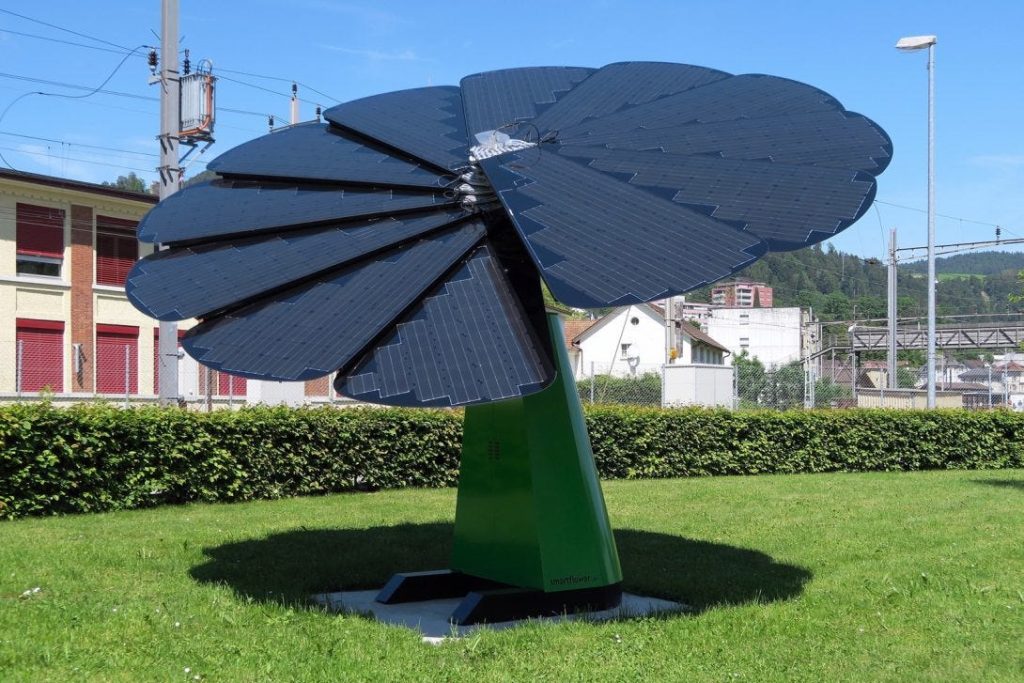
- Solar power
- Wind energy
- Geothermal systems
- Hydroelectric integration
Modern urban buildings increasingly include:
- Rooftop solar panels
- Energy-efficient insulation
- Smart energy monitoring systems
- Battery storage technologies
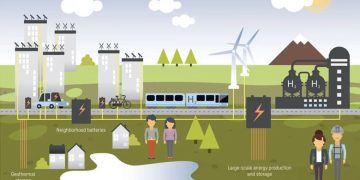
Some cities are developing district-level renewable systems capable of supplying entire neighborhoods with cleaner energy.
Smart grids also play a major role by dynamically balancing electricity demand and renewable generation.
The long-term goal is reducing urban carbon emissions while increasing energy resilience.
Intelligent Transportation Systems
Reinventing Urban Mobility
Transportation is one of the biggest challenges facing modern cities.
Traffic congestion wastes time, increases pollution, and reduces quality of life.
Smart transportation systems aim to improve urban mobility through:
- AI-driven traffic management
- Electric public transportation
- Autonomous vehicle integration
- Smart parking systems
- Shared mobility networks
- Bicycle infrastructure
- Real-time transit optimization
Electric buses and trains are becoming increasingly important in sustainable urban planning.
Many cities are also encouraging walkability and reduced car dependence through redesigned public spaces.
Future urban transportation may rely less on individually owned gasoline vehicles and more on interconnected electric mobility ecosystems.
Smart Buildings and Sustainable Architecture
Buildings That Think and Adapt
Buildings are major consumers of urban energy.
Smart architecture combines sustainability and digital intelligence to improve efficiency.
Modern green buildings may include:
- Automated temperature control
- Smart lighting systems
- Energy usage optimization
- Natural ventilation systems
- Water recycling technology
- Solar integration
- Sustainable construction materials
Sensors can monitor occupancy, temperature, and environmental conditions to reduce unnecessary energy use.
Some advanced buildings are designed to produce as much energy as they consume.
Future architecture may increasingly emphasize adaptability, efficiency, and climate resilience.
Waste Management and Circular Cities
Reducing Urban Waste
Modern cities generate enormous quantities of waste.
Green urban technology aims to improve waste management through smarter and more sustainable systems.
Innovations include:
- Smart recycling systems
- Automated waste sorting
- Waste-to-energy technologies
- Composting infrastructure
- Circular economy planning
Sensors in waste containers can optimize collection schedules, reducing fuel use and operational inefficiency.
Some cities are moving toward circular urban models where materials are continuously reused instead of discarded.
Reducing waste is becoming central to sustainable urban development.
Water Conservation and Smart Infrastructure
Managing Urban Water Sustainably
Water scarcity is becoming a major global challenge, especially in rapidly growing cities.
Smart water systems help improve conservation and efficiency through:
- Leak detection sensors
- Smart irrigation systems
- Water recycling infrastructure
- Real-time monitoring
- AI-driven usage optimization
Sustainable cities increasingly invest in rainwater collection, wastewater recycling, and climate-adaptive water systems.
As climate change intensifies drought risks in many regions, urban water management will become even more important.
Urban Agriculture and Green Spaces
Bringing Nature Back Into Cities
Modern cities often separate human populations from natural ecosystems.
Green urban planning increasingly emphasizes integrating nature directly into urban environments.
This includes:
- Rooftop gardens
- Vertical farming
- Urban forests
- Community agriculture
- Green corridors
- Public parks
Urban greenery provides numerous benefits:
- Improved air quality
- Reduced heat island effects
- Better mental health
- Increased biodiversity
- Enhanced community well-being
Vertical farming technologies allow food production within dense urban environments using less land and water.
Future cities may combine advanced technology with ecological restoration rather than opposing nature through endless concrete expansion.
Artificial Intelligence and Urban Management
The Brain of the Smart City
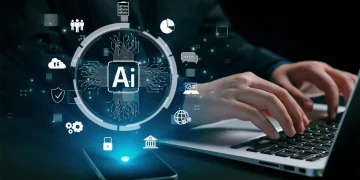
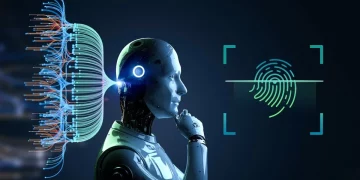
Artificial intelligence plays a major role in smart city systems.
AI can process enormous amounts of urban data to improve efficiency in areas such as:
- Traffic control
- Energy distribution
- Emergency response
- Pollution monitoring
- Public transportation
- Infrastructure maintenance
Predictive systems may identify problems before they become serious.
For example, AI could detect infrastructure deterioration early or optimize emergency services dynamically during crises.
However, AI-driven urban systems also create concerns involving surveillance, bias, and excessive automation.
The governance of intelligent urban systems will become increasingly important.
Climate Change and Urban Resilience
Preparing Cities for Environmental Instability
Climate change is already affecting cities through:
- Flooding
- Heat waves
- Rising sea levels
- Storm damage
- Water shortages
Green urban technology increasingly focuses on resilience — the ability of cities to adapt to environmental stress.
Climate-resilient infrastructure may include:
- Flood-resistant architecture
- Cooling systems for extreme heat
- Renewable emergency energy systems
- Sustainable drainage networks
- Disaster prediction technologies
Future cities must not only reduce environmental impact but also survive increasingly unstable environmental conditions.
The Privacy Problem in Smart Cities
Surveillance and Data Collection
Smart cities rely heavily on data collection.
Sensors, cameras, connected devices, and digital systems continuously gather information regarding movement, behavior, transportation, energy use, and communication.
This creates major privacy concerns.
Critics worry that smart cities could evolve into surveillance-heavy environments where governments or corporations monitor citizens excessively.
Questions arise regarding:
- Data ownership
- Consent
- Cybersecurity
- Government oversight
- Algorithmic decision-making
Balancing efficiency with civil liberties will be one of the defining challenges of intelligent urban systems.
Economic Inequality and the Smart City Divide
Who Benefits From Urban Innovation?
Advanced urban technology often requires substantial investment.
Wealthier cities may adopt smart systems more rapidly, while lower-income regions struggle with aging infrastructure and limited resources.
Even within cities, technological benefits may be distributed unevenly.
Critics warn that poorly designed smart cities could deepen inequality by prioritizing affluent districts while neglecting vulnerable populations.
True sustainable urban development requires inclusive planning that benefits all residents rather than only technologically privileged groups.
The Human Experience of Smart Cities
Can High-Tech Cities Still Feel Human?
Technology can improve efficiency, but cities are also emotional and social environments.
Urban well-being depends not only on infrastructure but also on:
- Community interaction
- Cultural identity
- Public space quality
- Human connection
- Emotional comfort
Some critics argue that excessively technologized cities risk becoming emotionally sterile or overly controlled.
Future urban design must therefore balance automation with humanity.
The best smart cities may be those that use technology quietly and effectively while preserving creativity, culture, and social life.
Future Visions of Sustainable Cities
Toward Intelligent Urban Ecosystems
The future of smart green cities may involve highly integrated systems combining:
- Renewable energy
- AI management
- Autonomous transportation
- Climate-resilient architecture
- Circular economies
- Advanced communication networks
Emerging ideas include:
- Car-free urban zones
- Fully renewable districts
- Autonomous public transit systems
- Carbon-neutral cities
- AI-assisted governance
- Self-sustaining infrastructure
Cities may increasingly function as adaptive ecosystems capable of optimizing themselves continuously.
Conclusion: Reimagining Urban Civilization
The rise of smart cities and green urban technology reflects humanity’s attempt to redesign urban civilization for an environmentally uncertain future.
Cities are simultaneously centers of innovation and major sources of environmental pressure. The challenge of the 21st century is creating urban systems that support both human prosperity and ecological sustainability.
Smart technologies offer enormous potential for improving efficiency, reducing waste, lowering emissions, and enhancing quality of life. Renewable energy systems, intelligent transportation, sustainable architecture, and AI-driven infrastructure may transform how cities operate fundamentally.
Yet technological progress alone is not enough.
The future of sustainable cities also depends on ethical governance, social inclusion, privacy protection, and preserving the human experience within increasingly digital environments.
Ultimately, the goal of green urban technology should not simply be building smarter cities, but building cities that allow people to live healthier, more sustainable, and more meaningful lives in harmony with both technology and the natural world.













Discussion about this post