













Introduction
For centuries, humanity imagined machines capable of performing human tasks.
Ancient myths described mechanical servants, while early industrial inventors created devices that automated physical labor. During the Industrial Revolution, machines transformed manufacturing and transportation, dramatically increasing productivity and reshaping economies. Yet even the most advanced machines remained limited because they lacked adaptability, awareness, and intelligence.
In the twenty-first century, robotics is entering a completely new era.
Modern robots are no longer simple mechanical tools performing repetitive movements. Powered by artificial intelligence, advanced sensors, machine learning, computer vision, and automation systems, robots are becoming increasingly capable of interacting with the physical world in intelligent and autonomous ways.
Robotics technology is rapidly transforming industries such as manufacturing, healthcare, logistics, agriculture, military defense, education, and even domestic living. Robots can now assist surgeries, deliver packages, clean homes, explore distant planets, and collaborate directly with humans in workplaces.
Supporters believe robotics could eliminate dangerous labor, improve productivity, support aging populations, and revolutionize scientific exploration. Critics warn about job displacement, surveillance, ethical risks, military misuse, and growing dependence on automated systems.
As intelligent machines become more integrated into society, humanity faces important questions:
- What role should robots play in daily life?
- Can automation coexist with human employment?
- Should robots make independent decisions?
- How will human identity change in a world filled with intelligent machines?
This article explores the evolution of robotics, the technologies driving modern automation, the impact of robots on society and the economy, ethical concerns surrounding intelligent machines, and the future relationship between humans and robotics technology.
The History of Robotics
Early Mechanical Devices
Human fascination with automation dates back thousands of years.
Ancient inventors built mechanical devices for:
- Entertainment
- Timekeeping
- Religious ceremonies
However, these systems lacked intelligence and adaptability.
Industrial Automation
The Industrial Revolution introduced machines capable of replacing physical labor in factories.
Mechanized systems dramatically improved:
- Manufacturing speed
- Productivity
- Transportation
Automation became central to economic growth.
The Birth of Modern Robotics
Modern robotics emerged during the twentieth century with the development of:
- Electronics
- Sensors
- Computing systems
- Artificial intelligence
Industrial robots were first widely used in manufacturing plants for repetitive tasks such as welding and assembly.
The AI Revolution in Robotics
Artificial intelligence transformed robotics from fixed automation into adaptive intelligent systems.
Modern robots can now:
- Recognize objects
- Navigate environments
- Learn from data
- Interact with humans
This shift expanded robotics far beyond factories.
What Is a Robot?
A robot is a programmable machine capable of carrying out tasks automatically or semi-autonomously.
Modern robots typically combine:
- Mechanical structures
- Sensors
- Software systems
- Artificial intelligence
Types of Robots
Industrial Robots
Used primarily in manufacturing for:
- Assembly
- Welding
- Packaging
- Precision production
Service Robots
Assist humans in everyday environments such as:
- Hotels
- Hospitals
- Restaurants
- Homes
Medical Robots
Support healthcare through:
- Surgical assistance
- Rehabilitation
- Patient monitoring
Military Robots
Used for:
- Surveillance
- Bomb disposal
- Autonomous defense systems
Exploration Robots
Operate in dangerous or remote environments such as:
- Deep oceans
- Disaster zones
- Outer space
Artificial Intelligence and Robotics
The Importance of AI
Artificial intelligence is essential for advanced robotics.
AI allows robots to:
- Analyze environments
- Make decisions
- Adapt to changing situations
Without AI, robots remain limited to repetitive programmed actions.
Computer Vision
Computer vision enables robots to interpret visual information through cameras and sensors.
Applications include:
- Facial recognition
- Object detection
- Navigation
- Quality inspection
Vision systems help robots interact with physical environments more effectively.
Machine Learning
Machine learning allows robots to improve through experience.
Robots can:
- Learn movement patterns
- Optimize tasks
- Adapt to user preferences
This increases flexibility and efficiency.
Robotics in Manufacturing
The Smart Factory Revolution
Modern factories increasingly rely on robotics and automation systems.
Smart factories use:
- AI-driven robots
- Sensor networks
- Automated logistics
to improve productivity.
Advantages of Industrial Robotics
Robots offer:
- Precision
- Speed
- Continuous operation
- Reduced human injury risk
Automation can lower production costs significantly.
Human-Robot Collaboration
Many workplaces now use collaborative robots, or “cobots,” designed to work safely alongside humans.
Cobots assist rather than fully replace workers.
Concerns About Job Displacement
Automation may reduce demand for certain types of labor.
Industries most affected include:
- Manufacturing
- Warehousing
- Transportation
This creates economic and social concerns.
Healthcare Robotics
Robotic Surgery
Surgical robots assist doctors with highly precise procedures.
Benefits include:
- Smaller incisions
- Faster recovery
- Increased accuracy
Human surgeons still control the systems, but robotic assistance improves precision.
Elderly Care Robots
Aging populations increase demand for caregiving support.
Robots may help with:
- Mobility assistance
- Medication reminders
- Monitoring health conditions
These systems could reduce pressure on healthcare systems.
Rehabilitation Robotics
Robotics supports physical therapy through:
- Exoskeletons
- Assisted movement systems
- Motor rehabilitation devices
Technology helps patients recover mobility.
Ethical Concerns in Healthcare
Healthcare robotics raises important questions:
- Can machines provide emotional care?
- How much decision-making should robots control?
- Should elderly people depend heavily on robotic companions?
Human empathy remains difficult to replicate technologically.
Domestic Robots and Smart Living
Home Automation
Modern households increasingly use robotic systems such as:
- Robot vacuum cleaners
- Smart assistants
- Security robots
Homes are becoming more automated.
AI Companions
Some companies are developing social robots capable of:
- Conversation
- Emotional interaction
- Entertainment
These systems aim to provide companionship and support.
Parenting and Child Development
Future domestic robots may assist with:
- Education
- Monitoring
- Household management
However, critics worry excessive automation could reduce family interaction.
Robotics in Transportation
Autonomous Vehicles
Self-driving cars represent one of the most significant robotics developments.
These systems use:
- Sensors
- AI
- Cameras
- Real-time mapping
to navigate roads autonomously.

Delivery Robots and Drones
Automation increasingly affects logistics through:
- Delivery drones
- Autonomous warehouse systems
- Robotic couriers
E-commerce industries heavily invest in these technologies.
Challenges in Autonomous Transportation
Major obstacles include:
- Safety concerns
- Ethical decision-making
- Legal liability
- Cybersecurity risks
Widespread adoption remains gradual.
Military Robotics and Autonomous Weapons
The Rise of Autonomous Warfare
Military organizations increasingly develop robotic systems for:
- Surveillance
- Reconnaissance
- Combat support
Some systems operate with partial autonomy.
Ethical Concerns
Autonomous weapons raise major ethical questions:
- Should machines make life-and-death decisions?
- Who is responsible for robotic mistakes?
- Can autonomous warfare reduce accountability?
Many experts advocate international regulation.
Cyber Warfare and Robotics
Future conflicts may involve:
- AI-controlled drones
- Robotic defense systems
- Automated cyberattacks
Technology changes the nature of warfare significantly.
Space Robotics and Exploration
Robots Beyond Earth
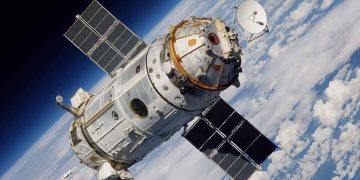
Robots are essential for exploring hostile space environments.
Examples include:
- Mars rovers
- Lunar probes
- Space station robots
These machines perform tasks impossible or dangerous for humans.
Autonomous Exploration
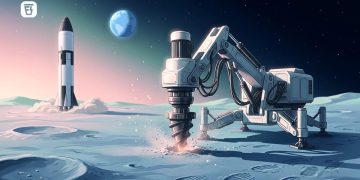
Future robotic systems may:
- Build lunar bases
- Mine asteroids
- Repair satellites
Robotics expands humanity’s reach into space.
Human-Robot Cooperation in Space
Future missions may combine:
- Human astronauts
- Autonomous robots
to improve exploration efficiency and safety.
Ethical and Social Issues in Robotics
Human Dependence on Automation
As robots become more capable, societies may become increasingly dependent on automated systems.
Potential risks include:
- Reduced human skills
- System vulnerability
- Technological overreliance
Privacy and Surveillance
Robots equipped with cameras and sensors collect large amounts of data.
This creates concerns about:
- Surveillance
- Data misuse
- Personal privacy
Emotional Attachment to Robots
Humans naturally form emotional bonds with interactive systems.
People may become attached to:
- AI companions
- Caregiving robots
- Virtual assistants
This raises psychological and philosophical questions.
Robotics and the Future Workforce
The Automation Economy
Automation may transform labor markets dramatically.
Jobs involving repetitive tasks are particularly vulnerable.
New Employment Opportunities
Robotics also creates demand for:
- Engineers
- AI specialists
- Robotics technicians
- Ethical consultants
Technological revolutions often create new industries.
Universal Basic Income Debates
Some experts argue automation may eventually require:
- New economic systems
- Universal basic income models
Society may need to rethink traditional employment structures.
Human Enhancement and Robotics
Cybernetic Integration
Future technologies may merge humans and machines more closely.
Examples include:
- Robotic prosthetics
- Brain-computer interfaces
- Neural implants
Human capabilities may increasingly integrate with robotics.
Exoskeletons
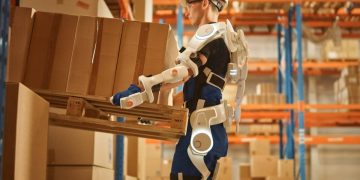
Robotic exoskeletons can:
- Enhance strength
- Assist mobility
- Support industrial labor
These systems blur the boundary between human and machine.
Philosophical Questions
Human enhancement raises deeper questions:
- Where does humanity end and machinery begin?
- Should enhancement have limits?
- How will society define human identity?
The Future of Intelligent Machines
General-Purpose Robots
Future robots may become more adaptable across different tasks.
Instead of specialized machines, society may develop:
- Multipurpose domestic robots
- Advanced humanoid systems
Humanoid Robotics
Humanoid robots aim to imitate human movement and interaction.
Possible future applications include:
- Customer service
- Healthcare
- Education
- Hospitality
AI and Emotional Intelligence
Researchers increasingly explore emotional AI systems capable of:
- Recognizing emotions
- Responding socially
- Simulating empathy
Human-machine interaction may become increasingly natural.
Conclusion
Robotics technology is transforming human civilization at extraordinary speed. Intelligent machines now influence manufacturing, healthcare, transportation, domestic living, military systems, and scientific exploration.
Robotics offers remarkable benefits:
- Increased productivity
- Enhanced safety
- Medical innovation
- Support for aging populations
- Expanded scientific capability
At the same time, it introduces major challenges:
- Job displacement
- Ethical uncertainty
- Surveillance concerns
- Military misuse
- Human dependence on automation
The future relationship between humans and robots will shape the social, economic, and philosophical direction of civilization itself.
Robots are no longer merely tools. They are becoming active participants in human environments and decision-making systems. As artificial intelligence continues advancing, intelligent machines may increasingly influence how people work, communicate, travel, and even understand themselves.
The challenge of the future will not be simply building more powerful robots, but ensuring those technologies serve humanity responsibly, ethically, and sustainably in an increasingly automated world.










Discussion about this post