


































techfusionnews
  • Home
  • Digital Lifestyle
    Always On — The Psychology of Living a Fully Connected Life

    Hybrid Reality — The Future of Digital Lifestyle in an AI-Driven World

    Always On — The Psychology of Living a Fully Connected Life

    Digital Minimalism vs Digital Addiction — The Battle for Attention and Control

    Always On — The Psychology of Living a Fully Connected Life

    The Home as a Digital Hub — Smart Living and the Rise of Invisible Technology

    Curated Reality — Social Media, Identity, and the Performance of Life

    Curated Reality — Social Media, Identity, and the Performance of Life

    Always On — The Psychology of Living a Fully Connected Life

    Always On — The Psychology of Living a Fully Connected Life

    Digital Consumption, AI Economy, and the Future of Human Choice

    Digital Consumption, AI Economy, and the Future of Human Choice

  • Green Tech & Wellness
    The Environmental Impact of Modern AI

    Biohacking and Everyday Wellness: Optimizing the Human Body in a Tech-Driven World

    The Environmental Impact of Modern AI

    Digital Detox in the Age of Hyperconnectivity: Reclaiming Mental Space

    The Environmental Impact of Modern AI

    From Solar to Storage: The New Era of Renewable Energy Innovation

    The Environmental Impact of Modern AI

    Smart Cities and the Green Revolution: How Technology is Redesigning Urban Life

    The Environmental Impact of Modern AI

    The Environmental Impact of Modern AI

    Green Technology and the New Definition of Wellness in the 21st Century

    Future Wellness — Longevity, Climate Adaptation, and the Evolution of Human Living

  • AI
    The Future of Artificial General Intelligence: Will Machines Surpass Human Intelligence?

    The Future of Artificial General Intelligence: Will Machines Surpass Human Intelligence?

    Artificial Intelligence in the Age of Transformation: Redefining Intelligence, Work, and Human Potential

    AI Ethics and Existential Risk: Alignment, Control, and the Future of Humanity

    Artificial Intelligence in the Age of Transformation: Redefining Intelligence, Work, and Human Potential

    AI in Business and the Global Economy: Power, Monopoly, and the New Rules of Capitalism

    Artificial Intelligence in the Age of Transformation: Redefining Intelligence, Work, and Human Potential

    AI and Creativity: When Machines Become Artists, Writers, and Designers

    Artificial Intelligence in the Age of Transformation: Redefining Intelligence, Work, and Human Potential

    Artificial Intelligence in the Age of Transformation: Redefining Intelligence, Work, and Human Potential

    The Invisible Revolution: How AI Is Reshaping Everyday Life

    Trust, Power, and Control: Who Owns the Age of AI?

  • Space Exploration
    The New Age of Space Exploration: From Government Missions to a Multi-Planetary Future

    The Philosophy and Ethics of Space Exploration: Who Owns the Universe?

    The New Age of Space Exploration: From Government Missions to a Multi-Planetary Future

    Life Beyond Earth: Human Survival, Space Habitats, and the Biology of Living in Space

    The New Age of Space Exploration: From Government Missions to a Multi-Planetary Future

    Deep Space Technologies: The Engineering Breakthroughs That Will Take Humanity Beyond the Solar System

    The New Age of Space Exploration: From Government Missions to a Multi-Planetary Future

    The Space Economy Revolution: How Commercialization is Redefining Humanity’s Final Frontier

    The New Age of Space Exploration: From Government Missions to a Multi-Planetary Future

    The New Age of Space Exploration: From Government Missions to a Multi-Planetary Future

    The Economics of Space — How Exploration Is Becoming the Next Trillion-Dollar Industry

    Why We Explore — The Human Drive Behind Space Exploration

  • Innovation & Research
    Open Science and Global Collaboration: The New Research Ecosystem

    Open Science and Global Collaboration: The New Research Ecosystem

    The Innovation Paradox: Why More Technology Doesn’t Always Mean More Progress

    Slow Science vs Fast Innovation: Rethinking the Pace of Discovery

    The Innovation Paradox: Why More Technology Doesn’t Always Mean More Progress

    The Future of Scientific Research in the Age of AI

    The Innovation Paradox: Why More Technology Doesn’t Always Mean More Progress

    From Idea to Impact: How Breakthrough Innovations Actually Happen

    The Innovation Paradox: Why More Technology Doesn’t Always Mean More Progress

    The Innovation Paradox: Why More Technology Doesn’t Always Mean More Progress

    The Architecture of Innovation: How Research Ecosystems Shape the Future of Human Progress

    Beyond Earth — Space Research and the Next Frontier of Innovation

  • All Tech
    The Invisible Architecture of Modern Life — How Technology Quietly Rewrites Human Existence

    The Next Civilization — Technology, Power, and the Future of Being Human

    The Invisible Architecture of Modern Life — How Technology Quietly Rewrites Human Existence

    The Illusion of Productivity — How Technology Is Reshaping Time, Focus, and Human Efficiency

    The Invisible Architecture of Modern Life — How Technology Quietly Rewrites Human Existence

    The Emotional Machine — How Technology Is Rewiring Human Feelings and Relationships

    The Invisible Architecture of Modern Life — How Technology Quietly Rewrites Human Existence

    The Age of Intelligent Systems — How Technology Is Rebuilding Society from the Ground Up

    The Invisible Architecture of Modern Life — How Technology Quietly Rewrites Human Existence

    The Invisible Architecture of Modern Life — How Technology Quietly Rewrites Human Existence

    Will AI Ever Truly Understand Human Consciousness?

    Will AI Ever Truly Understand Human Consciousness?

techfusionnews
  • Home
  • Digital Lifestyle
    Always On — The Psychology of Living a Fully Connected Life

    Hybrid Reality — The Future of Digital Lifestyle in an AI-Driven World

    Always On — The Psychology of Living a Fully Connected Life

    Digital Minimalism vs Digital Addiction — The Battle for Attention and Control

    Always On — The Psychology of Living a Fully Connected Life

    The Home as a Digital Hub — Smart Living and the Rise of Invisible Technology

    Curated Reality — Social Media, Identity, and the Performance of Life

    Curated Reality — Social Media, Identity, and the Performance of Life

    Always On — The Psychology of Living a Fully Connected Life

    Always On — The Psychology of Living a Fully Connected Life

    Digital Consumption, AI Economy, and the Future of Human Choice

    Digital Consumption, AI Economy, and the Future of Human Choice

  • Green Tech & Wellness
    The Environmental Impact of Modern AI

    Biohacking and Everyday Wellness: Optimizing the Human Body in a Tech-Driven World

    The Environmental Impact of Modern AI

    Digital Detox in the Age of Hyperconnectivity: Reclaiming Mental Space

    The Environmental Impact of Modern AI

    From Solar to Storage: The New Era of Renewable Energy Innovation

    The Environmental Impact of Modern AI

    Smart Cities and the Green Revolution: How Technology is Redesigning Urban Life

    The Environmental Impact of Modern AI

    The Environmental Impact of Modern AI

    Green Technology and the New Definition of Wellness in the 21st Century

    Future Wellness — Longevity, Climate Adaptation, and the Evolution of Human Living

  • AI
    The Future of Artificial General Intelligence: Will Machines Surpass Human Intelligence?

    The Future of Artificial General Intelligence: Will Machines Surpass Human Intelligence?

    Artificial Intelligence in the Age of Transformation: Redefining Intelligence, Work, and Human Potential

    AI Ethics and Existential Risk: Alignment, Control, and the Future of Humanity

    Artificial Intelligence in the Age of Transformation: Redefining Intelligence, Work, and Human Potential

    AI in Business and the Global Economy: Power, Monopoly, and the New Rules of Capitalism

    Artificial Intelligence in the Age of Transformation: Redefining Intelligence, Work, and Human Potential

    AI and Creativity: When Machines Become Artists, Writers, and Designers

    Artificial Intelligence in the Age of Transformation: Redefining Intelligence, Work, and Human Potential

    Artificial Intelligence in the Age of Transformation: Redefining Intelligence, Work, and Human Potential

    The Invisible Revolution: How AI Is Reshaping Everyday Life

    Trust, Power, and Control: Who Owns the Age of AI?

  • Space Exploration
    The New Age of Space Exploration: From Government Missions to a Multi-Planetary Future

    The Philosophy and Ethics of Space Exploration: Who Owns the Universe?

    The New Age of Space Exploration: From Government Missions to a Multi-Planetary Future

    Life Beyond Earth: Human Survival, Space Habitats, and the Biology of Living in Space

    The New Age of Space Exploration: From Government Missions to a Multi-Planetary Future

    Deep Space Technologies: The Engineering Breakthroughs That Will Take Humanity Beyond the Solar System

    The New Age of Space Exploration: From Government Missions to a Multi-Planetary Future

    The Space Economy Revolution: How Commercialization is Redefining Humanity’s Final Frontier

    The New Age of Space Exploration: From Government Missions to a Multi-Planetary Future

    The New Age of Space Exploration: From Government Missions to a Multi-Planetary Future

    The Economics of Space — How Exploration Is Becoming the Next Trillion-Dollar Industry

    Why We Explore — The Human Drive Behind Space Exploration

  • Innovation & Research
    Open Science and Global Collaboration: The New Research Ecosystem

    Open Science and Global Collaboration: The New Research Ecosystem

    The Innovation Paradox: Why More Technology Doesn’t Always Mean More Progress

    Slow Science vs Fast Innovation: Rethinking the Pace of Discovery

    The Innovation Paradox: Why More Technology Doesn’t Always Mean More Progress

    The Future of Scientific Research in the Age of AI

    The Innovation Paradox: Why More Technology Doesn’t Always Mean More Progress

    From Idea to Impact: How Breakthrough Innovations Actually Happen

    The Innovation Paradox: Why More Technology Doesn’t Always Mean More Progress

    The Innovation Paradox: Why More Technology Doesn’t Always Mean More Progress

    The Architecture of Innovation: How Research Ecosystems Shape the Future of Human Progress

    Beyond Earth — Space Research and the Next Frontier of Innovation

  • All Tech
    The Invisible Architecture of Modern Life — How Technology Quietly Rewrites Human Existence

    The Next Civilization — Technology, Power, and the Future of Being Human

    The Invisible Architecture of Modern Life — How Technology Quietly Rewrites Human Existence

    The Illusion of Productivity — How Technology Is Reshaping Time, Focus, and Human Efficiency

    The Invisible Architecture of Modern Life — How Technology Quietly Rewrites Human Existence

    The Emotional Machine — How Technology Is Rewiring Human Feelings and Relationships

    The Invisible Architecture of Modern Life — How Technology Quietly Rewrites Human Existence

    The Age of Intelligent Systems — How Technology Is Rebuilding Society from the Ground Up

    The Invisible Architecture of Modern Life — How Technology Quietly Rewrites Human Existence

    The Invisible Architecture of Modern Life — How Technology Quietly Rewrites Human Existence

    Will AI Ever Truly Understand Human Consciousness?

    Will AI Ever Truly Understand Human Consciousness?

No Result
View All Result
Plugin Install : Cart Icon need WooCommerce plugin to be installed.
techfusionnews
No Result
View All Result
Home All Tech

The Dark Side of the Smart City Revolution

January 23, 2026
in All Tech, Digital Lifestyle
The Dark Side of the Smart City Revolution

The smart city concept is taking over urban areas across the globe. Cities are transforming with new technologies like the Internet of Things (IoT), artificial intelligence (AI), and big data. These smart systems are meant to improve efficiency, sustainability, and quality of life for residents. However, beneath the sleek technology and futuristic vision, there are serious concerns that need attention. This article explores the dark side of the smart city revolution, highlighting the risks and challenges that come with these advancements.

What Exactly Are Smart Cities?

Smart cities use technology to manage urban areas more efficiently. IoT sensors and devices track data on everything from traffic to energy use to public health. AI helps analyze this data to make decisions, like optimizing traffic lights or managing energy consumption. The goal is to make cities more sustainable and livable, with cleaner air, smoother traffic, and smarter infrastructure.

On paper, this sounds like a dream come true. But the reality is more complicated. There are several hidden dangers associated with the rise of smart cities that could impact privacy, equality, and security.

Surveillance: A Double-Edged Sword

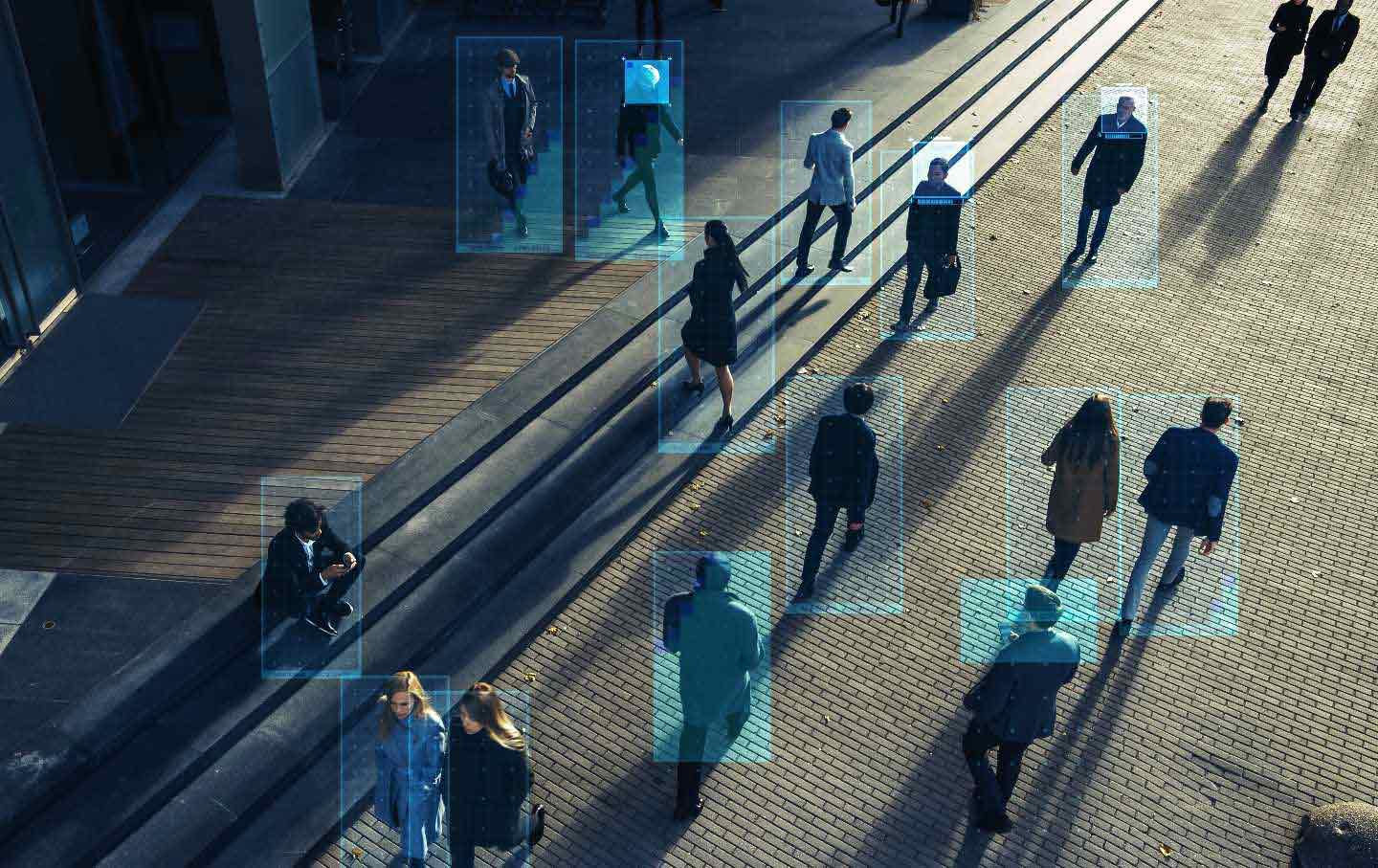
One of the biggest concerns about smart cities is the rise of surveillance. In these cities, cameras, sensors, and data trackers monitor everything from traffic to people’s movements. While surveillance can help reduce crime and improve safety, it also raises major privacy issues.

For example, facial recognition technology can track individuals as they move through public spaces. This kind of constant monitoring might feel invasive, even if it’s done for safety reasons. The more data is collected, the more vulnerable it becomes to misuse. Governments or companies could use the information to track and control citizens in ways that infringe on personal freedoms. In some cases, a smart city could even evolve into a “surveillance state,” where privacy is stripped away in the name of security.

Who Owns Your Data?

In smart cities, data is collected from almost every aspect of life. Your phone, car, and even your thermostat could be sending data to the city’s central system. But this raises an important question: Who owns this data?

Top 5 Reasons Data Privacy Matters for Your Security

City governments and private tech companies have access to vast amounts of personal information. While some argue that data can be anonymized to protect privacy, it’s still possible for personal details to leak out, either accidentally or through cyberattacks. And even if data is anonymized, it can still be used to manipulate individuals—whether through targeted ads or behavioral profiling.

Moreover, if data is mishandled, the consequences could be disastrous. Cybercriminals could hack into city systems, stealing sensitive information like bank details, health records, or even social security numbers. This makes the protection of personal data in smart cities a top priority. Yet, many cities have yet to put strong enough safeguards in place.

The Digital Divide: Inequality in Smart Cities

As cities grow smarter, they risk leaving certain communities behind. Smart city technology is expensive to build and maintain, which means that only wealthier areas are likely to benefit from these advancements. This could create a divide between rich and poor neighborhoods, where high-income areas enjoy all the perks of smart technology, while low-income areas miss out.

The digital divide could extend beyond just access to technology. Those without the right skills or resources might find it harder to adapt to the demands of a smart city. For instance, if healthcare becomes digitized, people without access to the internet or modern devices might be left without critical health services. In a worst-case scenario, the gap between the haves and have-nots could become even wider, reinforcing existing social inequalities.

Environmental Impact: The Unseen Costs

While smart cities are often marketed as environmentally friendly, there are hidden environmental costs associated with the technology. For one, the infrastructure needed to support smart systems—like sensors, data centers, and communication networks—requires significant energy and raw materials. Building and maintaining these systems can contribute to environmental degradation if not done sustainably.

Additionally, the rapid pace of technological change leads to e-waste. Old sensors, computers, and other tech gear can quickly become obsolete. When disposed of improperly, electronic waste can harm the environment, especially in countries that lack proper recycling facilities. The hidden environmental impact of smart cities might undermine some of their green promises.

Job Losses: The Automation Dilemma

Smart cities rely heavily on automation, which can lead to significant job displacement. AI systems, self-driving cars, and robots are increasingly taking over tasks that were once done by humans. While this may increase efficiency, it could also result in a loss of jobs, particularly in industries like transportation, retail, and customer service.

The Unacceptable Persistence of the Digital Divide | MIT Technology Review

Automation might replace not only low-skilled workers but also mid-skill workers, leaving many people without jobs. This poses a serious challenge for workers who don’t have the education or training needed for new, high-tech roles. Without careful planning, the rise of automation in smart cities could lead to widespread unemployment and economic inequality.

Cybersecurity: A Growing Threat

The more connected a city becomes, the more vulnerable it is to cyberattacks. In a smart city, critical systems—like the power grid, water supply, and transportation network—are all interconnected. A hacker gaining access to one part of the system could potentially bring down entire city infrastructures.

For instance, a cyberattack on a smart grid could cause widespread power outages, while a breach in traffic management systems could lead to chaos on the streets. As smart cities become more dependent on digital systems, their vulnerability to cyber threats grows, making cybersecurity a major concern.

The Ethics of AI: Trusting Machines to Make Decisions

AI plays a key role in managing the operations of a smart city, from traffic control to emergency response systems. But AI algorithms are not infallible. They can be biased, make mistakes, or fail to account for the human element in decision-making.

For example, if an AI system is responsible for managing law enforcement or healthcare, it could unintentionally reinforce biases against certain groups of people. AI systems often rely on data, and if the data used to train them is flawed or biased, it could lead to unfair or harmful outcomes.

While AI has the potential to improve efficiency and decision-making, it also raises ethical concerns. Should we trust machines to make life-changing decisions? Who is accountable when AI makes a mistake? These are difficult questions that need to be addressed as we integrate more AI into our cities.

Conclusion: Building Smart Cities with Caution

Smart cities have the potential to revolutionize urban living, but they come with significant risks. Surveillance, data privacy issues, environmental costs, and job displacement are just a few of the challenges that must be carefully considered.

For smart cities to succeed, it’s crucial to create policies that protect citizens’ rights, ensure access for everyone, and minimize environmental damage. With thoughtful planning and responsible implementation, it’s possible to build cities that are both smart and fair, balancing innovation with ethical considerations.


Tags: Artificial IntelligencePrivacySmart CitiesTechnology
ShareTweetShare

Related Posts

Always On — The Psychology of Living a Fully Connected Life
Digital Lifestyle

Hybrid Reality — The Future of Digital Lifestyle in an AI-Driven World

April 30, 2026
Always On — The Psychology of Living a Fully Connected Life
Digital Lifestyle

Digital Minimalism vs Digital Addiction — The Battle for Attention and Control

April 30, 2026
Always On — The Psychology of Living a Fully Connected Life
Digital Lifestyle

The Home as a Digital Hub — Smart Living and the Rise of Invisible Technology

April 30, 2026
Curated Reality — Social Media, Identity, and the Performance of Life
Digital Lifestyle

Curated Reality — Social Media, Identity, and the Performance of Life

April 30, 2026
Always On — The Psychology of Living a Fully Connected Life
Digital Lifestyle

Always On — The Psychology of Living a Fully Connected Life

April 30, 2026
The Invisible Architecture of Modern Life — How Technology Quietly Rewrites Human Existence
All Tech

The Next Civilization — Technology, Power, and the Future of Being Human

April 30, 2026

Discussion about this post

  • Trending
  • Comments
  • Latest
Eternal Luminary: Humanity’s Perpetual Fascination with the Sun

Eternal Luminary: Humanity’s Perpetual Fascination with the Sun

November 5, 2024
The Dark Side of the Smart City Revolution

The Dark Side of the Smart City Revolution

January 23, 2026
The Race Heats Up: OpenAI Joins the AI-Powered Search Arena

The Race Heats Up: OpenAI Joins the AI-Powered Search Arena

October 16, 2024
The Canon DIGITAL IXUS Legacy: Redefining Photography with Style and Innovation

The Canon DIGITAL IXUS Legacy: Redefining Photography with Style and Innovation

November 2, 2024
The Lunar Symphony: Hal Clement’s Prophetic Fantasia

The Lunar Symphony: Hal Clement’s Prophetic Fantasia

Unlocking the Future with AI’s Latest Breakthroughs: A Journey into the Unchartered Frontier

Unlocking the Future with AI’s Latest Breakthroughs: A Journey into the Unchartered Frontier

The Transformative Power of Machine Learning: Shaping the Future of Technology and Beyond

The Transformative Power of Machine Learning: Shaping the Future of Technology and Beyond

The Emotional Intelligence of AI: Bridging the Gap Between Machines and Hearts

The Emotional Intelligence of AI: Bridging the Gap Between Machines and Hearts

The Future of Artificial General Intelligence: Will Machines Surpass Human Intelligence?

The Future of Artificial General Intelligence: Will Machines Surpass Human Intelligence?

May 3, 2026
Artificial Intelligence in the Age of Transformation: Redefining Intelligence, Work, and Human Potential

AI Ethics and Existential Risk: Alignment, Control, and the Future of Humanity

May 3, 2026
Artificial Intelligence in the Age of Transformation: Redefining Intelligence, Work, and Human Potential

AI in Business and the Global Economy: Power, Monopoly, and the New Rules of Capitalism

May 3, 2026
Artificial Intelligence in the Age of Transformation: Redefining Intelligence, Work, and Human Potential

AI and Creativity: When Machines Become Artists, Writers, and Designers

May 3, 2026
techfusionnews

Discover the essence of innovation at "Tech Aggregator," where the latest in tech converges. From cutting-edge gadgets to cosmic ventures and green breakthroughs, our site offers a streamlined look at the future of technology. Engage with concise, impactful content designed for those eager to stay ahead in an ever-evolving digital landscape. Join us at the forefront of the tech revolution.

© 2025 techfusionnews.com. contacts:[email protected]

No Result
View All Result
  • Home
  • Digital Lifestyle
  • Green Tech & Wellness
  • AI
  • Space Exploration
  • Innovation & Research
  • All Tech

© 2025 techfusionnews.com. contacts:[email protected]

Welcome Back!

Login to your account below

Forgotten Password?

Retrieve your password

Please enter your username or email address to reset your password.

Log In