



























The Green Technology Revolution — How Innovation Is Reshaping Energy, Industry, and the Future of the Planet
Introduction: A Planet at a Turning Point
Human civilization stands at a critical moment. For over a century, industrial growth has been powered by fossil fuels—coal, oil, and natural gas. These energy sources enabled unprecedented economic expansion, technological progress, and improvements in living standards.
But they have also come at a cost.
Rising global temperatures, extreme weather events, biodiversity loss, and environmental degradation have made it clear that the current model is unsustainable. Climate change is no longer a distant possibility—it is a present reality.
In response, a new paradigm is emerging:
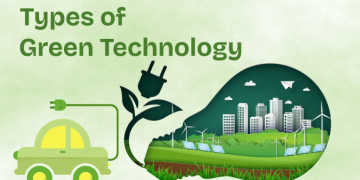
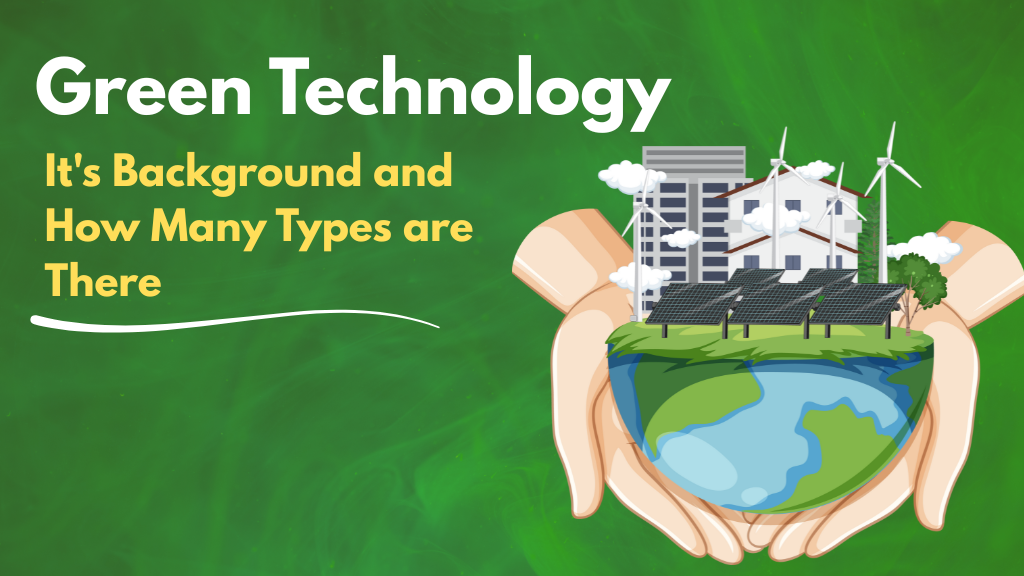
👉 Green technology — the application of science and innovation to reduce environmental impact and create sustainable systems.
Green tech is not a single industry. It is a transformation that spans:
- Energy production
- Transportation
- Manufacturing
- Agriculture
- Urban development
This article explores the foundations of the green technology revolution, examining its key drivers, innovations, and the profound ways it is reshaping the global economy.
1. What Is Green Technology?
1.1 Defining Green Tech
Green technology (or “clean technology”) refers to products, systems, and processes designed to:
- Reduce environmental harm
- Improve energy efficiency
- Utilize renewable resources
- Minimize waste and pollution
It is guided by the principle of sustainability—meeting present needs without compromising future generations.
1.2 Core Areas of Green Technology
Green tech spans multiple domains:
1. Renewable Energy
- Solar
- Wind
- Hydropower
- Geothermal
2. Energy Efficiency
- Smart grids
- Efficient appliances
- Building insulation
3. Sustainable Transportation
- Electric vehicles
- Hydrogen fuel systems
- Public transit innovations
4. Waste Management
- Recycling technologies
- Circular economy systems
- Waste-to-energy solutions
5. Sustainable Agriculture
- Precision farming
- Vertical agriculture
- Water-efficient systems
1.3 From Niche to Mainstream
Once considered expensive and experimental, green technologies are now:
- Cost-competitive
- Scalable
- Widely adopted
Solar and wind power, for example, are among the cheapest sources of electricity in many regions today.
2. The Drivers of the Green Tech Revolution
2.1 Climate Change Pressure
Climate change is the primary driver.
Governments, businesses, and individuals are increasingly aware of:
- Carbon emissions
- Environmental risks
- Long-term sustainability
This urgency is accelerating innovation.
2.2 Policy and Regulation
Governments play a critical role through:
- Carbon pricing
- Emission targets
- Renewable energy incentives
- Environmental regulations
These policies create economic incentives for green technology adoption.
2.3 Economic Opportunity
Green tech is not just about sustainability—it is also a major economic opportunity.
It creates:
- New industries
- Job growth
- Investment opportunities
The transition to a green economy is one of the largest economic shifts in history.
2.4 Consumer Awareness
Consumers are increasingly:
- Environmentally conscious
- Interested in sustainable products
- Willing to support green brands
This demand influences corporate behavior.
3. Renewable Energy: The Foundation of Green Tech
3.1 Solar Power
Solar energy converts sunlight into electricity using photovoltaic cells.
Advantages:
- Abundant resource
- Low operating costs
- Scalable from small to large systems
Challenges:
- Intermittency (day/night cycles)
- Energy storage requirements
3.2 Wind Energy
Wind turbines convert kinetic energy into electricity.
Benefits:
- High efficiency
- Large-scale generation capability
Challenges:
- Location dependency
- Visual and environmental concerns
3.3 Energy Storage Solutions
Renewable energy requires storage systems to manage variability.
Technologies include:
- Lithium-ion batteries
- Solid-state batteries
- Grid-scale storage systems
Energy storage is key to a stable renewable energy future.
4. Electrification and Sustainable Transportation
4.1 The Rise of Electric Vehicles (EVs)
Electric vehicles are transforming transportation.
Benefits:
- Zero tailpipe emissions
- Lower operating costs
- Reduced dependence on fossil fuels
4.2 Charging Infrastructure
Widespread EV adoption depends on:
- Fast charging networks
- Home charging systems
- Grid integration
4.3 Beyond Cars
Green transportation includes:
- Electric buses
- High-speed rail
- Micromobility (e-scooters, e-bikes)
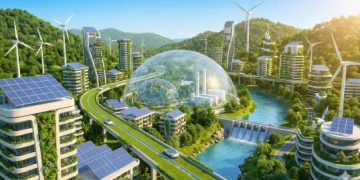
5. Smart Cities and Sustainable Infrastructure
5.1 Urban Sustainability
Cities consume the majority of global energy.
Green tech enables:
- Efficient buildings
- Smart traffic systems
- Renewable-powered infrastructure
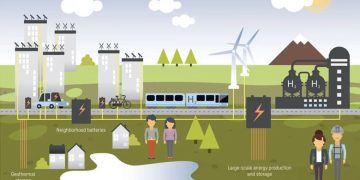
5.2 Smart Grids
Smart grids optimize electricity distribution through:
- Real-time data
- Demand-response systems
- Integration of renewable sources
6. Circular Economy and Waste Reduction
6.1 From Linear to Circular Systems
Traditional economy:
- Produce → Use → Dispose
Circular economy:
- Reduce → Reuse → Recycle
6.2 Waste-to-Resource Technologies
Innovations allow waste to become:
- Energy
- Raw materials
- New products
7. Challenges Facing Green Technology
7.1 High Initial Costs
Some technologies require significant upfront investment.
7.2 Infrastructure Limitations
Transitioning systems takes time and resources.
7.3 Political and Economic Barriers
Policy inconsistency and market resistance can slow progress.
8. The Future of Green Tech
8.1 Innovation Acceleration
Emerging technologies include:
- Advanced batteries
- Carbon capture
- Hydrogen energy
8.2 Global Collaboration
Climate challenges require international cooperation.
8.3 A Sustainable Economy
Green tech will redefine:
- Energy systems
- Industrial processes
- Consumer behavior
Conclusion: A Necessary Transformation
The green technology revolution is not optional—it is essential.
It represents:
- A response to environmental crisis
- An opportunity for innovation
- A pathway to sustainable prosperity
The transition will not be easy, but it is already underway.
The question is no longer whether we will adopt green technology.
👉 It is how quickly—and how effectively—we can build a future that balances progress with planetary health.













Discussion about this post