






















Introduction: The New Frontier Is the Human Body
For most of human history, health was reactive.
We treated illness after it appeared, managed symptoms as they arose, and relied on generalized advice to maintain well-being. But today, a profound shift is underway. Advances in technology, data science, and biology are transforming how we understand the human body—not as a fixed system, but as something that can be measured, optimized, and enhanced.
Welcome to the world of biohacking.
Once a niche movement associated with Silicon Valley experimenters and self-optimization enthusiasts, biohacking has entered the mainstream. From wearable devices that track sleep and heart rate to personalized nutrition plans based on genetic data, individuals are increasingly taking control of their own biology.
But biohacking is more than gadgets and data—it represents a new philosophy of wellness. It asks a fundamental question:
What if we could actively design how we feel, think, and perform?
This article explores the evolution of biohacking, the technologies enabling it, and how everyday individuals can integrate its principles into a balanced, sustainable approach to wellness.
Section 1: What Is Biohacking?
1.1 Defining Biohacking
At its core, biohacking is the practice of:
- Understanding your body through data
- Experimenting with lifestyle changes
- Optimizing physical and mental performance
It ranges from simple habits—like improving sleep—to advanced interventions involving biotechnology.
1.2 From Subculture to Mainstream
Biohacking was once associated with:
- Tech entrepreneurs
- Experimental communities
- Extreme self-experimentation
Today, it has evolved into a broader movement that includes:
- Fitness tracking
- Nutritional optimization
- Mental performance enhancement
1.3 The Philosophy of Self-Optimization
Biohacking is rooted in a mindset shift:
- From passive health → active optimization
- From general advice → personalized strategies
- From short-term fixes → long-term systems
Section 2: The Data-Driven Body
2.1 The Rise of Wearable Technology
Wearables have become central to modern wellness:
- Smartwatches
- Fitness trackers
- Sleep monitors
These devices provide continuous insights into:
- Heart rate
- Activity levels
- Sleep quality
2.2 Quantified Self Movement
The “quantified self” approach emphasizes:
- Tracking daily metrics
- Identifying patterns
- Making data-informed decisions
This transforms health into something measurable and actionable.
2.3 From Data to Insight
Data alone is not enough. The real value lies in:
- Interpretation
- Context
- Behavioral change
Understanding what the data means is key to effective biohacking.
Section 3: Sleep Optimization — The Foundation of Wellness
3.1 Why Sleep Matters
Sleep is one of the most critical factors in:
- Cognitive performance
- Emotional stability
- Physical recovery
3.2 Common Sleep Disruptors
Modern lifestyles interfere with sleep through:
- Screen exposure
- Irregular schedules
- Stress
3.3 Biohacking Sleep
Strategies include:
- Consistent sleep routines
- Light management
- Temperature optimization
- Sleep tracking technologies
Section 4: Nutrition and Metabolic Health
4.1 Personalized Nutrition
Biohacking shifts nutrition from generic diets to:
- Individualized plans
- Metabolic responses
- Nutrient timing
4.2 Continuous Glucose Monitoring (CGM)
CGM devices allow users to:
- Track blood sugar in real time
- Understand food responses
- Optimize energy levels
4.3 Supplements and Nootropics
Some biohackers use:
- Vitamins and minerals
- Cognitive enhancers
- Adaptogens
However, effectiveness varies and requires careful consideration.
Section 5: Physical Performance and Recovery
5.1 Training Smarter, Not Harder
Biohacking emphasizes:
- Efficiency
- Recovery
- Data-driven training
5.2 Recovery Technologies
Tools include:
- Cold exposure (ice baths)
- Infrared saunas
- Compression therapy
5.3 Preventing Burnout
Optimization must include:
- Rest
- Balance
- Sustainability

Section 6: Mental Performance and Cognitive Enhancement
6.1 Focus and Productivity
Biohacking mental performance involves:
- Managing attention
- Reducing distractions
- Structuring work cycles
6.2 Stress Management
Techniques include:
- Meditation
- Breathwork
- Mindfulness practices
6.3 Neurotechnology
Emerging tools aim to:
- Enhance focus
- Improve relaxation
- Train brain activity
Section 7: The Role of Technology in Wellness
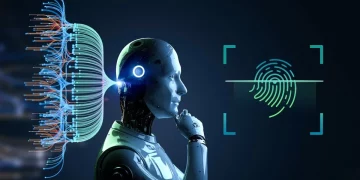
7.1 AI and Personalized Health
Artificial intelligence enables:
- Predictive health insights
- Customized recommendations
- Early detection of issues
7.2 Digital Health Ecosystems
Integrated platforms combine:
- Wearables
- Apps
- Medical data
Creating a holistic view of health.
Section 8: Risks and Ethical Considerations
8.1 Data Privacy
Health data is highly sensitive. Concerns include:
- Data security
- Misuse of information
- Lack of regulation
8.2 Over-Optimization
Too much focus on metrics can lead to:
- Anxiety
- Obsessive behavior
- Loss of intuition
8.3 Accessibility and Inequality
Advanced biohacking tools may not be accessible to everyone, raising questions about equity.
Section 9: Everyday Biohacking — A Practical Approach
9.1 Start with Foundations
Before advanced tools, focus on:
- Sleep
- Nutrition
- Movement
9.2 Build Simple Systems
Examples:
- Morning routines
- Focus blocks
- Evening wind-down rituals
9.3 Listen to Your Body
Data should guide—not override—intuition.
Section 10: The Future of Human Optimization
10.1 Integration of Biology and Technology
Future developments may include:
- Implantable devices
- Genetic optimization
- Advanced diagnostics
10.2 Redefining Wellness
Wellness will evolve from:
- Absence of illness → peak performance
- General health → personalized optimization
10.3 A Balanced Perspective
True optimization is not about perfection—it is about:
- Sustainability
- Adaptability
- Well-being
Conclusion: Designing a Better Version of Yourself
Biohacking represents a powerful shift in how we approach health. It empowers individuals to take control, experiment, and optimize—but it also demands responsibility, awareness, and balance.
In a world increasingly shaped by technology, the ability to understand and improve our own biology may become one of the most valuable skills we possess.
But perhaps the ultimate goal is not to become superhuman.
It is to become fully human—aware, energized, focused, and aligned with the rhythms of both body and mind.











Discussion about this post