





Introduction: Rebuilding the World’s Energy System
Energy is the foundation of modern civilization.
Every aspect of life—transportation, communication, manufacturing, healthcare, and even digital infrastructure—depends on reliable and affordable energy. For over a century, this energy has been largely supplied by fossil fuels.
But the 21st century is witnessing a fundamental transformation:
👉 The shift from centralized, fossil-based energy systems to decentralized, renewable-powered networks.
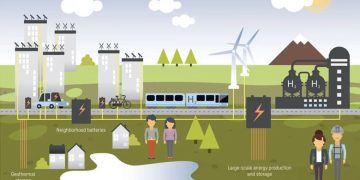
This is not just a technological change. It is a systemic redesign of how energy is:
- Generated
- Distributed
- Stored
- Consumed
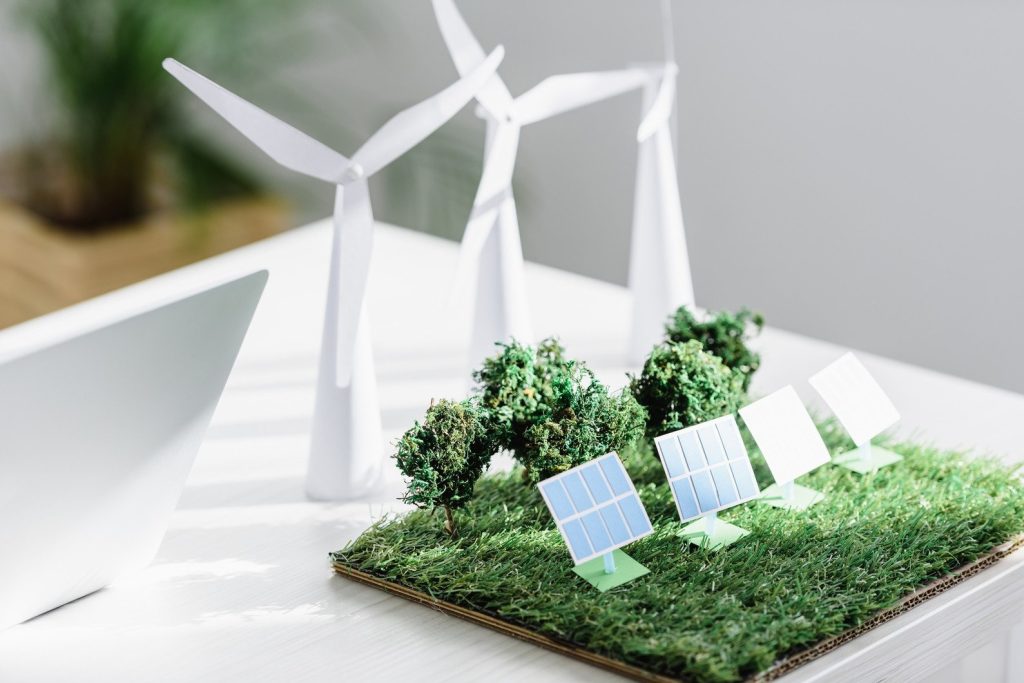
At the heart of this transformation are renewable energy technologies such as solar and wind, supported by advanced storage systems and intelligent grids.
This article explores how modern energy systems are evolving, the challenges they face, and the innovations driving the transition toward a sustainable energy future.
1. The Traditional Energy Model
1.1 Centralized Generation
Historically, energy systems have been centralized:
- Large power plants generate electricity
- Energy is transmitted over long distances
- Consumers passively receive power
Common sources include:
- Coal-fired plants
- Natural gas turbines
- Nuclear power stations
1.2 Limitations of the Traditional Model
This model has several drawbacks:
- High carbon emissions
- Inefficiencies in transmission
- Vulnerability to disruptions
- Limited flexibility
It was designed for stability—not sustainability.
2. The Rise of Renewable Energy Systems
2.1 Solar Energy: From Panels to Power Plants
Solar power systems operate through photovoltaic (PV) technology, converting sunlight into electricity.
Key components:
- Solar panels
- Inverters
- Mounting systems
- Grid connections
Solar can be deployed at multiple scales:
- Residential rooftops
- Commercial installations
- Utility-scale solar farms
2.2 Wind Energy: Harnessing Atmospheric Power
Wind turbines convert kinetic energy into electrical energy.
Two main types:
- Onshore wind
- Offshore wind
Offshore wind offers:
- Stronger, more consistent winds
- Higher energy output
But also:
- Higher installation costs
- Technical complexity
2.3 Hydropower and Beyond
Other renewable sources include:
- Hydropower (water flow)
- Geothermal (earth’s heat)
- Biomass (organic materials)
Each has unique advantages and constraints.
3. The Intermittency Challenge
3.1 Why Renewables Are Variable
Unlike fossil fuels, renewable sources depend on natural conditions:
- Solar depends on sunlight
- Wind depends on weather
This creates variability in energy generation.
3.2 Supply and Demand Imbalance
Energy systems must balance:
- Supply (generation)
- Demand (consumption)
In real time.
Intermittency makes this balance more complex.
4. Energy Storage: The Key to Stability
4.1 Why Storage Matters
Energy storage allows excess power to be saved and used later.
It solves:
- Intermittency
- Peak demand challenges
- Grid instability
4.2 Battery Technologies
Lithium-ion batteries are currently dominant:
- High energy density
- Fast response times
- Widely used in EVs and grid storage
Emerging alternatives:
- Solid-state batteries
- Flow batteries
- Sodium-ion batteries
4.3 Grid-Scale Storage
Large-scale storage systems can:
- Stabilize grids
- Store renewable energy
- Provide backup power
These systems are critical for high renewable penetration.
5. Smart Grids and Digital Energy Systems
5.1 What Is a Smart Grid?
A smart grid uses digital technology to:
- Monitor energy flow
- Optimize distribution
- Respond to demand changes
5.2 Real-Time Data and Automation
Smart grids enable:
- Dynamic pricing
- Load balancing
- Fault detection
This increases efficiency and reliability.
5.3 Demand Response Systems
Consumers can participate in energy management by:
- Reducing usage during peak times
- Shifting consumption patterns
This creates a more flexible system.
6. Decentralization of Energy
6.1 Distributed Energy Resources (DERs)
Energy is no longer generated only by large plants.
Distributed sources include:
- Rooftop solar panels
- Home batteries
- Small wind systems
6.2 Prosumer Culture
Consumers become producers (“prosumers”):
- Generate their own electricity
- Sell excess power to the grid
6.3 Microgrids
Microgrids are localized energy systems that can:
- Operate independently
- Increase resilience
- Support remote areas
7. Electrification of Everything
7.1 Expanding Electricity Use
Sectors shifting to electricity include:
- Transportation (EVs)
- Heating (heat pumps)
- Industry
7.2 Efficiency Gains
Electric systems are often more efficient than fossil-based ones.
Example:
- Electric motors vs. combustion engines
8. Hydrogen and Alternative Energy Carriers
8.1 What Is Green Hydrogen?
Green hydrogen is produced using renewable electricity to split water.
Uses include:
- Industrial processes
- Heavy transportation
- Energy storage
8.2 Challenges
- High production costs
- Infrastructure requirements
- Energy efficiency losses
9. Global Energy Transition Dynamics
9.1 Developed vs. Developing Nations
Different regions face different challenges:
- Infrastructure
- Investment capacity
- Policy frameworks
9.2 Energy Equity
Ensuring access to clean energy is critical.
10. Challenges and Risks
10.1 Infrastructure Transformation
Upgrading grids and systems requires massive investment.
10.2 Resource Constraints
Renewable technologies depend on materials like:
- Lithium
- Cobalt
- Rare earth elements
10.3 Policy and Market Uncertainty
Stable policies are essential for long-term investment.
11. The Future Energy System
11.1 Integrated Systems
Future systems will combine:
- Renewable generation
- Storage
- Smart grids
- AI optimization
11.2 Autonomous Energy Management
AI may manage:
- Energy flows
- Consumption patterns
- Grid stability
11.3 Toward Net-Zero Emissions
The ultimate goal:
👉 A carbon-neutral energy system







Discussion about this post