

























Introduction: Cities as the Frontline of Sustainability
Cities are humanity’s greatest invention—and its greatest challenge.
Today, more than half of the world’s population lives in urban areas, and that number continues to rise. Cities are centers of innovation, culture, and economic growth. But they are also responsible for:
- Over 70% of global energy consumption
- A majority of greenhouse gas emissions
- Significant resource use and waste generation
As urban populations expand, the pressure on infrastructure, energy systems, and the environment intensifies.
This makes cities the frontline of the green technology revolution.
👉 The future of sustainability will largely be decided in urban environments.
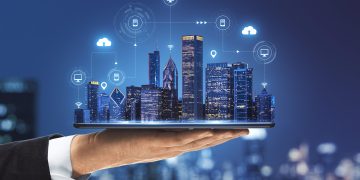
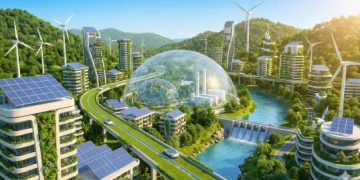
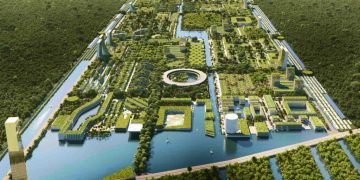
Green technology is transforming cities into smarter, cleaner, and more efficient systems—redefining how buildings are designed, how infrastructure operates, and how people live.
This article explores the rise of sustainable cities, examining innovations in architecture, energy systems, urban planning, and the integration of digital technologies.
1. The Concept of Sustainable Cities
1.1 What Is a Sustainable City?
A sustainable city is designed to:
- Minimize environmental impact
- Optimize resource use
- Enhance quality of life
- Ensure long-term resilience
It balances three key dimensions:
- Environmental sustainability
- Economic viability
- Social well-being
1.2 From Industrial Cities to Smart Cities
Traditional cities were built for:
- Industrial production
- Transportation efficiency
- Economic concentration
Modern sustainable cities integrate:
- Digital technologies
- Renewable energy
- Green infrastructure
1.3 The Role of Green Technology
Green tech enables cities to:
- Reduce emissions
- Improve efficiency
- Adapt to environmental changes
It transforms cities into intelligent ecosystems rather than static structures.
2. Green Architecture: Designing for Sustainability
2.1 Energy-Efficient Buildings
Buildings are among the largest energy consumers.
Green architecture focuses on:
- Insulation and thermal performance
- Energy-efficient lighting and appliances
- Passive design strategies
2.2 Passive Design Principles
Passive design reduces energy use by leveraging natural conditions:
- Orientation for sunlight
- Natural ventilation
- Thermal mass for temperature regulation
These strategies minimize reliance on mechanical systems.
2.3 Net-Zero and Positive Energy Buildings
Advanced buildings aim to:
- Produce as much energy as they consume (net-zero)
- Generate excess energy (positive energy buildings)
This is achieved through:
- Solar panels
- Energy storage
- Efficient systems
2.4 Sustainable Materials
Green construction uses materials that are:
- Recyclable
- Low-carbon
- Durable
Examples include:
- Engineered wood
- Recycled steel
- Low-emission concrete
3. Smart Infrastructure and Urban Systems
3.1 Smart Energy Systems
Cities are adopting:
- Smart grids
- Distributed energy systems
- Renewable integration
These systems optimize energy use in real time.
3.2 Intelligent Transportation Networks
Urban mobility is evolving through:
- Electric public transport
- Traffic optimization systems
- Shared mobility platforms
3.3 Water Management Systems
Sustainable cities improve water efficiency through:
- Smart monitoring
- Leak detection
- Recycling and reuse systems
3.4 Waste Management Innovation
Modern waste systems focus on:
- Recycling
- Composting
- Waste-to-energy technologies
4. Green Spaces and Urban Ecology
4.1 The Role of Nature in Cities
Green spaces provide:
- Air quality improvement
- Temperature regulation
- Psychological benefits
4.2 Urban Forests and Green Roofs
Innovations include:
- Rooftop gardens
- Vertical forests
- Urban tree networks
These reduce heat and improve biodiversity.
4.3 Climate Adaptation
Green infrastructure helps cities adapt to:
- Heatwaves
- Flooding
- Extreme weather

5. Digital Technology and Smart Cities
5.1 Data-Driven Urban Management
Sensors and data systems enable:
- Real-time monitoring
- Predictive maintenance
- Efficient resource allocation
5.2 AI and Urban Optimization
Artificial intelligence can:
- Optimize traffic
- Manage energy systems
- Improve public services
5.3 Citizen Engagement
Digital platforms allow residents to:
- Participate in decision-making
- Access services
- Provide feedback
6. Urban Mobility and Walkability
6.1 Reducing Car Dependency
Sustainable cities prioritize:
- Public transport
- Walking
- Cycling
6.2 Human-Centered Design
Urban design focuses on:
- Accessibility
- Safety
- Livability
6.3 The 15-Minute City Concept
Residents can access essential services within:
- 15 minutes by foot or bike
This reduces:
- Travel time
- Emissions
- Stress
7. Challenges in Building Sustainable Cities
7.1 Cost and Investment
Green infrastructure requires significant funding.
7.2 Retrofitting Existing Cities
Transforming existing infrastructure is complex.
7.3 Policy and Governance
Effective planning requires:
- Coordination
- Long-term vision
- Strong governance
7.4 Social Equity
Sustainability must include:
- Affordable housing
- Inclusive design
- Equal access to resources
8. Global Examples and Trends
8.1 Leading Sustainable Cities
Cities around the world are implementing:
- Renewable energy systems
- Smart infrastructure
- Green urban planning
8.2 Rapid Urbanization in Developing Regions
Emerging cities have the opportunity to:
- Leapfrog traditional systems
- Build sustainable infrastructure from the start
9. The Future of Urban Living
9.1 Autonomous and Connected Cities
Future cities may include:
- Autonomous transport systems
- Fully integrated digital networks
9.2 Climate-Resilient Infrastructure
Cities will need to adapt to:
- Rising sea levels
- Extreme weather
9.3 Regenerative Cities
Beyond sustainability, cities may aim to:
- Restore ecosystems
- Improve environmental health
Conclusion: Cities as Engines of Change
Cities are not just part of the sustainability problem—they are central to the solution.
Green technology is transforming urban environments into:
- Efficient systems
- Livable spaces
- Resilient ecosystems
The cities of the future will not simply be smarter—they will be healthier, cleaner, and more human-centered.
The challenge lies in scaling these innovations and ensuring they are accessible to all.
Because ultimately, the success of green technology will be measured not just by environmental impact—but by the quality of life it creates for the people who live within these cities.













Discussion about this post