





























Introduction: From Personal Health to Planetary Health
For decades, wellness was understood primarily as an individual pursuit. It focused on the body—nutrition, exercise, sleep—and later expanded to include mental health and emotional balance. But in the 21st century, this definition is undergoing a profound transformation.
A new idea is emerging:
human wellness cannot be separated from environmental wellness.
Clean air, safe water, sustainable food systems, and stable ecosystems are no longer abstract environmental concerns—they are direct determinants of human health. At the same time, advances in green technology are reshaping how individuals interact with their environments, making sustainability not just a collective responsibility, but a personal lifestyle choice.
This intersection—between green technology and wellness—represents one of the most important shifts in modern life.
1. Rethinking Wellness: Beyond the Individual
1.1 The Limits of Traditional Wellness
Traditional wellness models often emphasize personal responsibility:
- Eat better
- Exercise regularly
- Manage stress
- Get enough sleep
While these are essential, they overlook a critical factor:
the environment in which these behaviors occur.
For example:
- Clean eating is difficult in polluted agricultural systems
- Outdoor exercise is compromised by poor air quality
- Mental health is affected by urban noise and overcrowding
Wellness is not just about personal choices—it is shaped by external conditions.
1.2 The Emergence of Holistic Wellness
Modern wellness thinking is expanding to include:
- Environmental health
- Community well-being
- Sustainable living
This broader perspective recognizes that individual health is deeply interconnected with global systems.
2. Green Technology as a Wellness Enabler
2.1 Defining Green Technology
Green technology refers to innovations designed to reduce environmental impact and promote sustainability.
Examples include:
- Renewable energy systems
- Energy-efficient buildings
- Water purification technologies
- Sustainable agriculture solutions
These technologies are often discussed in terms of environmental impact—but their implications for wellness are equally significant.
2.2 Bridging Sustainability and Daily Life
What makes green technology transformative is its integration into everyday life.
It is no longer limited to large-scale infrastructure. Instead, it appears in:
- Homes
- Workspaces
- Personal devices
- Urban environments
This integration turns sustainability into a lived experience, not just an abstract goal.
3. Air, Water, and the Foundations of Health
3.1 Clean Air Technologies
Air quality is one of the most direct links between environment and health.
Green technologies in this space include:
- Advanced air filtration systems
- Urban air monitoring networks
- Pollution-reducing materials
These innovations reduce exposure to harmful particles, improving:
- Respiratory health
- Cognitive function
- Overall well-being
3.2 Water Purification and Access
Access to clean water is fundamental to health.
Technological advances enable:
- Efficient filtration
- Decentralized purification systems
- Smart water management
These systems not only prevent disease but also enhance daily quality of life.
4. Sustainable Food and Nutritional Wellness
4.1 Rethinking Food Systems
Food production has significant environmental and health implications.
Green technology is transforming food systems through:
- Precision agriculture
- Vertical farming
- Alternative proteins
These innovations aim to:
- Reduce environmental impact
- Improve food quality
- Increase accessibility
4.2 Nutrition and Environmental Impact
Consumers are increasingly aware that food choices affect both personal health and the planet.
This creates a new dimension of wellness:
eating not just for the body, but for the ecosystem.

5. Built Environments and Human Well-Being
5.1 Green Architecture
Buildings play a major role in wellness.
Green architecture focuses on:
- Natural lighting
- Ventilation
- Energy efficiency
- Sustainable materials
These elements contribute to:
- Better physical health
- Improved mood
- Increased productivity
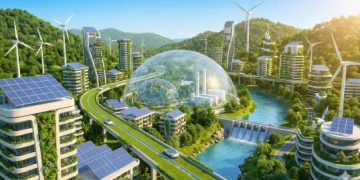
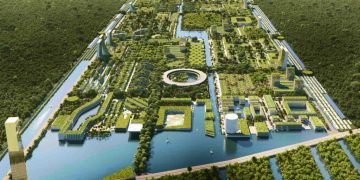
5.2 Smart and Sustainable Cities
Urban environments are being redesigned to support wellness:
- Green spaces
- Efficient transportation
- Reduced pollution
Cities are no longer just places to live—they are systems that can either support or undermine health.
6. Energy, Lifestyle, and Mental Well-Being
6.1 Renewable Energy in Daily Life
The transition to renewable energy is often framed as an environmental issue. But it also affects lifestyle and well-being.
Benefits include:
- Reduced pollution
- Increased energy independence
- Greater resilience
6.2 Psychological Impact of Sustainable Living
Living sustainably can influence mental well-being:
- Increased sense of purpose
- Reduced eco-anxiety
- Greater alignment with personal values
Sustainability becomes not just a responsibility, but a source of psychological satisfaction.
7. Technology, Nature, and Balance
7.1 The Risk of Over-Technologization
While green technology offers solutions, there is a risk of over-reliance on technology.
Wellness also requires:
- Direct interaction with nature
- Physical activity
- Sensory experiences
Technology should support—not replace—these elements.
7.2 Reconnecting with Natural Systems
Green technology can facilitate reconnection with nature:
- Urban farming
- Nature-integrated design
- Environmental awareness tools
This creates a balance between innovation and natural experience.
8. The Economics of Green Wellness
8.1 Accessibility and Inequality
One challenge is that green technologies are not equally accessible.
Barriers include:
- Cost
- Infrastructure
- Awareness
This creates disparities in who can benefit from green wellness solutions.
8.2 Scaling Sustainable Solutions
For green wellness to have broad impact, solutions must be:
- Affordable
- Scalable
- Inclusive
This requires collaboration between governments, businesses, and individuals.
9. The Future of Green Tech and Wellness
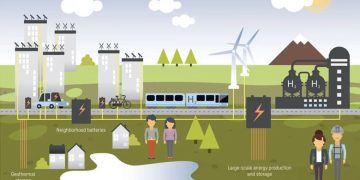
9.1 Integrated Systems
Future developments will likely integrate multiple systems:
- Energy
- Health monitoring
- Environmental data
This creates environments that actively support wellness.
9.2 Personalized Environmental Health
Advances in data and AI may enable:
- Personalized air quality recommendations
- Customized nutrition plans
- Adaptive living environments
Wellness becomes increasingly tailored to individual needs.
Conclusion: A New Paradigm of Living Well
The intersection of green technology and wellness represents a shift from individual optimization to systemic harmony.
It redefines what it means to live well:
- Not just being healthy
- But living in a healthy environment
- Not just consuming responsibly
- But participating in sustainable systems
In this new paradigm, wellness is no longer a private goal—it is a shared condition.
And green technology is not just a tool for sustainability—it is a foundation for a healthier, more balanced way of life.













Discussion about this post