






























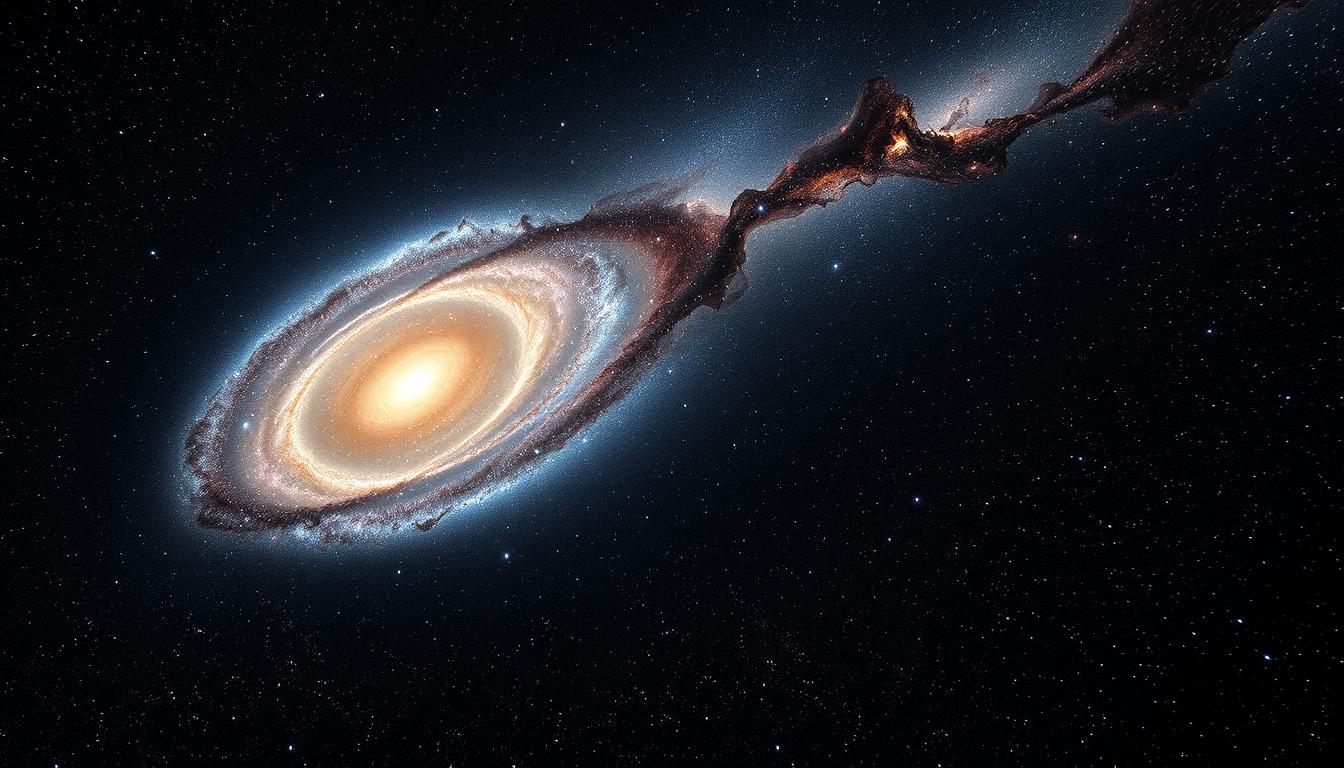
The universe is vast, mysterious, and constantly expanding. The concept of the observable universe—the portion of the universe we can see, measure, and study—has fascinated scientists and dreamers alike for centuries. But there’s a big question at the heart of this concept: Will we ever reach the edge of the observable universe?
In this article, we’ll dive into the nature of the observable universe, explore why reaching its edge is so difficult, and consider whether humanity might ever get close. Let’s take a closer look at how far we can go and what the “edge” of the universe really means.
Understanding the Observable Universe
The observable universe is the part of the universe from which light (or other signals) has had enough time to reach us since the Big Bang. Because light takes time to travel, there’s a limit to how far we can see. The observable universe is roughly 93 billion light-years in diameter, even though the universe itself is only about 13.8 billion years old. This may sound strange, but it’s because space itself has been expanding since the Big Bang, stretching the distance between objects.
However, this “edge” is not a physical boundary, but a limit to how far we can see. It’s constantly changing as light from farther objects reaches us, and yet we’ll never truly “reach” the edge.
The Cosmic Horizon: A Moving Boundary
One important concept to grasp here is the cosmic horizon—the farthest distance from which light has traveled to us since the Big Bang. This horizon is not fixed in space but moves forward in time. As the universe continues to expand, the observable universe grows, and we can see more distant galaxies and stars. But that doesn’t mean we can ever reach them.
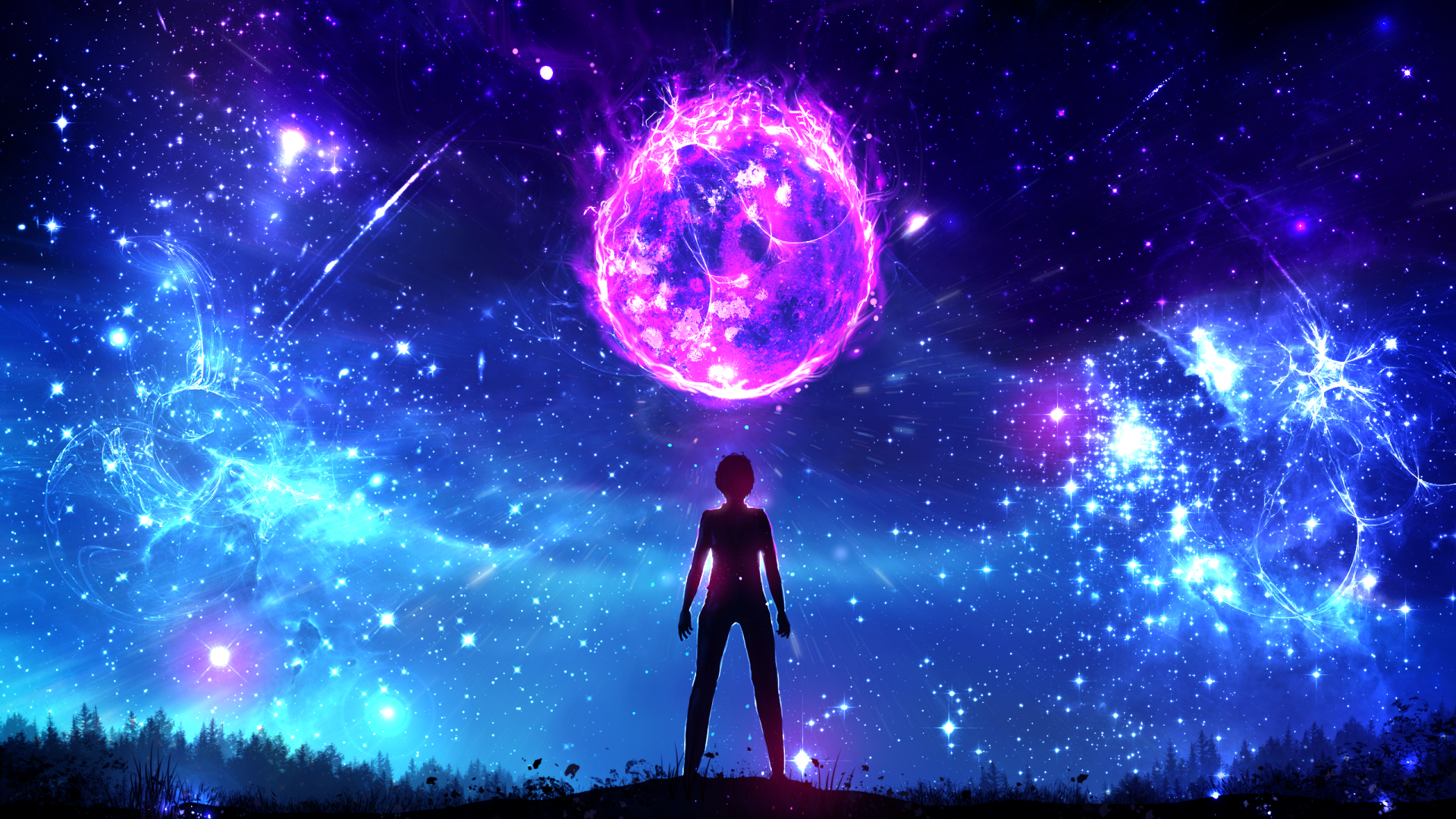
The observable universe is like an ever-moving window through which we glimpse the cosmos. As time passes, we can see further, but the universe is expanding at such a fast rate that the objects at the farthest reaches are receding from us faster than we can reach them.
The Speed of Light: A Fundamental Limitation
One of the biggest hurdles in reaching the edge of the observable universe is the speed of light. Light travels incredibly fast—about 186,282 miles per second—but it still takes time to travel vast distances. For example, light from our nearest star system, Alpha Centauri, takes about 4.37 years to reach us. Traveling there with our current spacecraft would take tens of thousands of years.
Even if we could travel at near-light speeds, we would face the problem of space expanding faster than we can travel. This means that many objects in the universe are moving away from us faster than light can reach them. The farther we go, the less likely it becomes that we will ever be able to “catch up” with the galaxies at the edge of the observable universe.
The Expanding Universe: A Moving Target
The universe is not only expanding—it’s expanding faster over time. The cause of this accelerated expansion is thought to be dark energy, a mysterious force that pushes galaxies apart at an ever-increasing rate. As a result, the farthest galaxies are receding from us so quickly that they will eventually fall beyond the reach of our telescopes, even though their light continues to travel toward us.
In simpler terms, the farther an object is, the faster it’s moving away from us, and this means the “edge” of the observable universe is always shifting. It’s not a fixed point in space but a limit that constantly moves farther away as the universe expands.
Could Future Technology Change the Game?
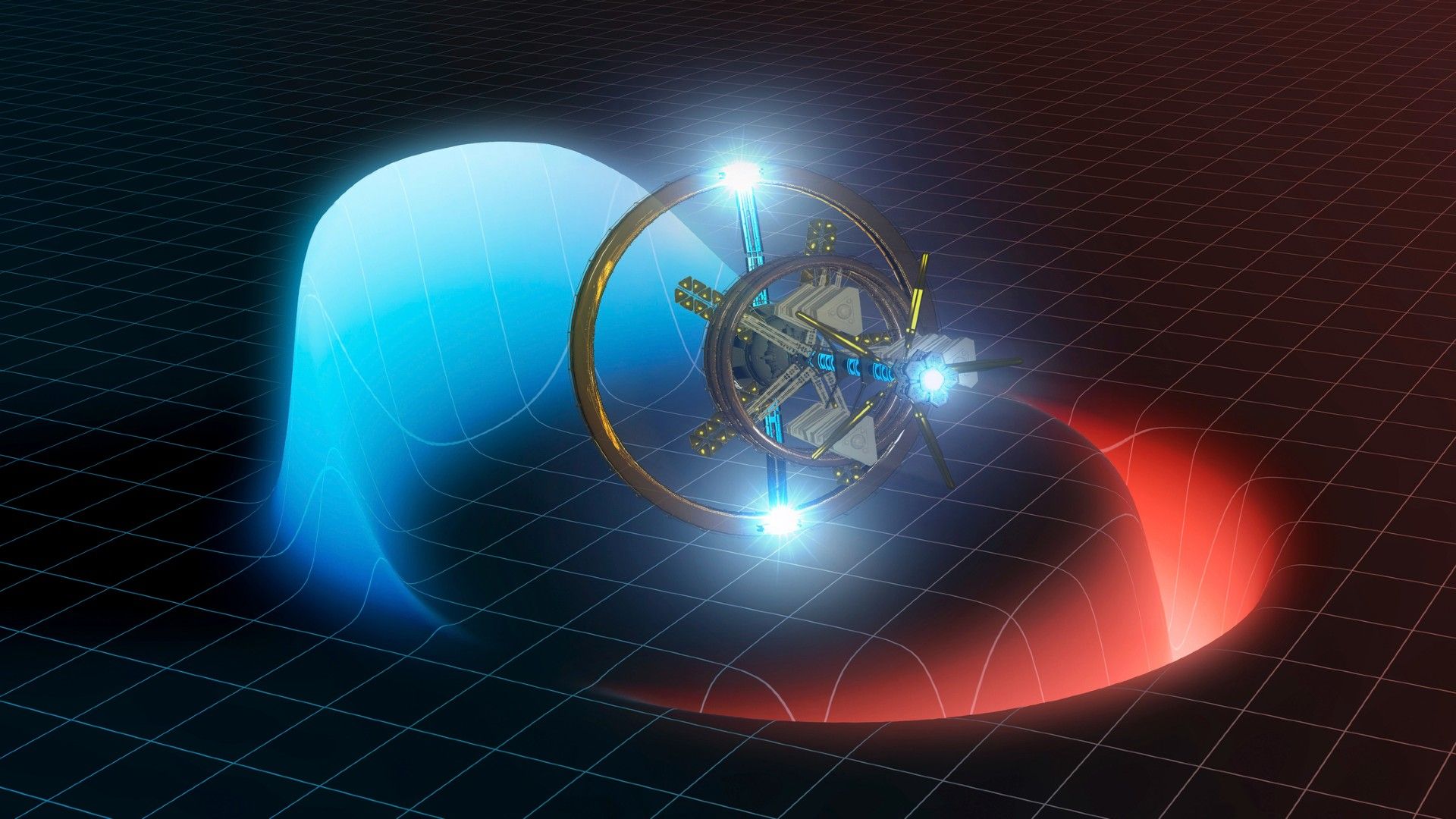
While current technology makes it nearly impossible to reach the observable universe’s edge, future advancements could open up new possibilities. Warp drives—a theoretical concept that involves bending space-time—might allow faster-than-light travel. Though this idea is purely speculative for now, if it ever becomes a reality, it could drastically change how we explore space.
Additionally, quantum computing and other advanced technologies may provide new ways to manipulate space-time or even find shortcuts through the universe, such as wormholes. While none of these concepts are close to practical application, they offer hope that we may one day overcome some of the limitations we face today.
Should We Even Try to Reach the Edge?
Even if future technology makes it possible to reach the edge of the observable universe, one might ask whether it’s worth the effort. A journey to the farthest corners of the universe would take many generations, and there’s no guarantee that we’d ever be able to return. It would likely be a one-way trip, and it would require resources beyond anything we can imagine today.
Moreover, humanity faces pressing challenges on Earth, from sustainability issues to health problems. Some might argue that our resources could be better spent tackling these challenges rather than venturing into the farthest reaches of space.
However, the quest to explore the unknown is a part of human nature. The journey itself—whether we ever reach the edge or not—would drive technological innovation, scientific discovery, and our understanding of the universe. It’s this spirit of exploration that has pushed humanity to reach for the stars in the first place.
Conclusion: The Edge Is a Moving Goal
In conclusion, reaching the edge of the observable universe is not something that will happen anytime soon, if at all. The edge is not a fixed point but a moving target, defined by the expansion of space and the speed of light. While future technological breakthroughs may one day allow us to travel farther than we ever thought possible, the observable universe will continue to expand, pushing that “edge” farther out of reach.
Nevertheless, the pursuit of knowledge is what drives us to look further into the universe, and that quest will continue to inspire generations of explorers, scientists, and dreamers. Even if we never reach the edge, the journey itself will reveal wonders beyond our imagination.













Discussion about this post