




























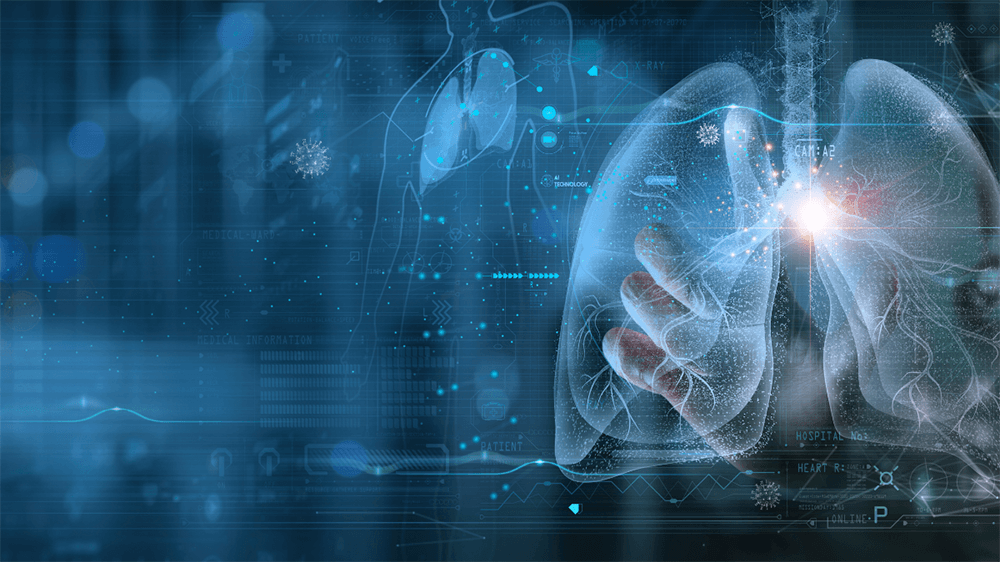
In the 21st century, technology is reshaping the world. At the center of this transformation is Artificial Intelligence (AI), a tool with the potential to unlock new opportunities for human growth. The question is: can AI truly unlock the full potential of humanity?
While we often hear about AI’s role in automation and efficiency, it offers so much more. It can boost creativity, solve complex global problems, and open up new realms of possibility. But this journey is not without challenges. In this article, we’ll explore how AI is changing our world, its benefits, and the ethical concerns that come with it.
AI: A New Age of Discovery
AI has been a concept for centuries, but only in recent decades has it begun to make a real impact. The idea of machines mimicking human intelligence has fascinated thinkers from Alan Turing to today’s leading scientists. Now, AI is more than just a theory—it’s part of our everyday lives.
From healthcare to space exploration, AI is becoming a key player in human progress. It’s no longer just a tool; it’s a partner that helps us push the boundaries of what we can achieve. So, how exactly is AI helping us unlock our potential?
AI in Healthcare: Personalized Medicine and Wellness
AI is revolutionizing healthcare in ways we couldn’t have imagined a few years ago. Traditional medicine treats patients based on broad statistics, but AI takes it a step further—by personalizing treatment for each individual.

AI algorithms are already being used to analyze large amounts of medical data to detect diseases like cancer early and even develop tailored drug treatments. This personalized approach is saving lives and improving outcomes.
What’s more, AI is helping researchers make breakthroughs in genetics. With tools like CRISPR gene editing, AI is enabling us to target genetic disorders at their source, potentially curing diseases that were once untreatable.
As AI continues to grow, it will reduce human error, automate complex tasks, and lead to even more breakthroughs in healthcare. The future of personalized medicine is bright, and AI is leading the way.
AI and Environmental Protection: A Sustainable Future
AI is also making a significant impact on environmental protection. As climate change and resource depletion threaten the planet, AI is providing new ways to address these challenges.
AI’s ability to process large amounts of environmental data is helping scientists predict climate patterns, track deforestation, and optimize energy use. This allows for more informed decisions on policies and practices that protect our planet.
In renewable energy, AI is optimizing the production and distribution of clean energy sources like wind and solar. By improving the efficiency of these technologies, AI is helping us move away from fossil fuels, reducing our carbon footprint, and contributing to a more sustainable future.
AI in Space Exploration: Expanding Our Horizons
Space exploration represents one of humanity’s greatest opportunities, and AI is helping us reach new frontiers. From autonomous rovers on Mars to AI-powered telescopes scanning distant stars, AI is changing how we explore the universe.
AI is able to process vast amounts of data from space missions quickly, allowing us to make discoveries faster. With AI’s help, we are learning more about distant galaxies, planets, and stars than ever before.
Moreover, AI will be critical for future space missions. Autonomous vehicles, powered by AI, could explore other planets, perform tasks, and even repair spacecraft without human intervention. This technology is essential for long-term missions, such as colonizing Mars or creating sustainable lunar habitats.
The Ethical Challenges of AI: Navigating the Risks

While AI promises great benefits, it also comes with significant ethical concerns. As AI technology advances, it raises important questions about privacy, bias, and accountability.
One of the most pressing issues is bias in AI algorithms. If the data used to train these systems is biased, the AI may produce unfair outcomes, such as discrimination in hiring or law enforcement. Addressing these biases is crucial to ensuring that AI benefits everyone, not just a select few.
Privacy is another concern. As AI collects more personal data, the potential for misuse grows. Striking a balance between using AI for the greater good and protecting individual rights will be essential.
Lastly, there’s the fear that AI could surpass human intelligence, leading to unintended consequences. While this may sound like science fiction, some experts believe it’s a real concern. Ensuring that AI remains aligned with human values will be one of the most important challenges of the AI era.
The Future of AI: A Collaborative Approach
To unlock AI’s full potential, we must develop it responsibly. Collaboration between researchers, businesses, policymakers, and the public is essential. AI should not be seen as a replacement for human intelligence but as a tool that can enhance and complement our abilities.
The future of AI holds incredible promise. Whether through personalized healthcare, space exploration, or sustainability efforts, AI has the potential to transform our world. But for AI to truly unlock human potential, we must approach its development thoughtfully and ethically.
Ultimately, technology is only as powerful as the values we place upon it. If we harness AI to enhance human flourishing, it can be the key to unlocking the limitless potential within all of us.













Discussion about this post