































In today’s world, where sustainability and health are no longer just buzzwords but lifestyle imperatives, the intersection of clean energy and fitness might seem like an unexpected but powerful combination. However, when we look closer, it becomes clear that clean energy could indeed transform your fitness routine, enabling healthier lives while reducing environmental impact. So, how does this energy revolution play a role in improving your workouts and fitness journey? The answer lies in both the integration of renewable energy into fitness technologies and the way clean energy can support the infrastructure and innovations driving the future of wellness.
The Rise of Clean Energy: A Game-Changer for Fitness
The clean energy revolution has already had a profound impact on various industries—powering electric cars, enabling carbon-free homes, and supporting sustainable agriculture. But fitness? Well, the clean energy movement is only beginning to make waves in gyms, wellness centers, and individual workouts. Clean energy offers a way to reduce the carbon footprint of energy consumption in fitness facilities and workout equipment, while simultaneously contributing to personal well-being through healthier, more energy-efficient practices.
1. Solar-Powered Gyms: Redefining Workout Spaces
As the world moves toward greener solutions, fitness centers are increasingly turning to solar power to reduce their environmental impact. Imagine entering a gym where every piece of equipment, from the treadmill to the air conditioning system, is powered by renewable energy sources. Not only does this contribute to a greener environment, but it can also reduce the operating costs for gyms, allowing for more affordable memberships.
Some gyms and wellness centers are already investing in solar panels to offset their energy consumption. Solar energy powers the gym lights, equipment, and even the heating and cooling systems, creating a healthier atmosphere by minimizing the use of fossil fuels. By adopting solar energy, gyms are not just cutting back on their energy bills—they’re also contributing to the global shift toward cleaner energy sources.
2. Clean Energy-Powered Fitness Equipment: Reducing Your Carbon Footprint
Another exciting development in the fitness space is the advent of energy-generating fitness equipment. These machines capture the kinetic energy from your workout—such as pedaling a stationary bike or running on a treadmill—and convert it into usable electricity. This energy can then be stored or redirected to power other devices, such as lighting or fans in the gym.
This type of equipment serves a dual purpose: it provides a great workout while also contributing to the facility’s clean energy usage. In fact, some gyms are already using these types of machines to help offset their total electricity consumption. While you’re working on your personal fitness, you’re also playing a part in reducing the facility’s reliance on grid power.

3. The Role of Wind and Hydroelectric Power in Fitness Centers
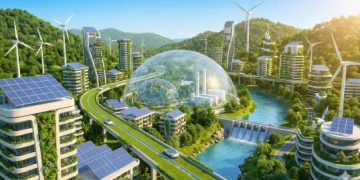
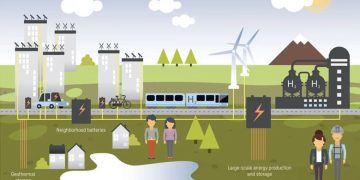
Beyond solar, other renewable sources like wind and hydroelectric power are also contributing to the sustainability of fitness routines. Wind-powered fitness centers, especially those in areas with reliable wind resources, are popping up in various parts of the world. These centers use wind turbines to generate clean electricity that powers their facilities. Similarly, hydroelectric power—though less common—is another viable energy solution for fitness centers located near bodies of water, offering another layer of eco-friendly energy alternatives.
Personal Fitness Technology and Clean Energy
Wearable fitness devices, smart home technologies, and personal fitness trackers have become indispensable tools for individuals looking to optimize their health and fitness. But what if these devices themselves could be powered by renewable energy?
4. Solar-Powered Wearables: Fitness Tracking with Zero Emissions
One of the most significant innovations in wearable technology is the development of solar-powered fitness trackers and smartwatches. These devices capture solar energy to charge their batteries, reducing the need for regular charging through traditional methods that rely on fossil fuels. By integrating small photovoltaic cells into the bands of fitness trackers, companies like Garmin and Fitbit are making it possible for users to track their health without constantly relying on electricity from the grid.
Solar-powered wearables are more than just an eco-friendly option; they’re also practical. For instance, runners, cyclists, and outdoor enthusiasts can benefit from the fact that their devices will continue to charge naturally during their workouts, reducing the need for frequent recharging and offering a more convenient way to stay powered during long training sessions.
5. Energy-Efficient Smart Home Equipment for Fitness
Another significant shift in the fitness landscape is the rise of energy-efficient smart home devices. From smart thermostats that regulate indoor climate to lighting systems that adjust automatically, these devices reduce energy consumption without sacrificing comfort or performance. The use of renewable energy to power these smart devices can make a substantial difference in your overall energy use.
Smart home systems like the Nest thermostat, which adjusts temperature based on your activity patterns, can make your home workout environment more energy-efficient. For example, you might set your home to use solar or wind energy during the day, ensuring that the power is clean and that your fitness space is powered by renewable sources.
6. Clean Energy to Power Your Home Gym
Many fitness enthusiasts are also building home gyms. The good news is that integrating clean energy into your home gym setup can make a significant difference. Whether you opt for solar panels on your roof or install a wind turbine in your backyard, you can power your entire gym with renewable energy. From powering your machines to ensuring the lighting and temperature controls are carbon-free, home gym owners now have more ways than ever to optimize their fitness routines while minimizing their environmental impact.

The Impact of Clean Energy on Health and Well-Being
Clean energy is not just about powering technology—it’s about creating healthier environments for people to live and work in. The growing adoption of renewable energy can have far-reaching effects on personal health and well-being.
7. Cleaner Air and a Healthier Environment for Your Workouts
One of the biggest benefits of clean energy, especially when used to power gyms and fitness facilities, is the reduction in air pollution. Traditional energy sources—especially those that rely on fossil fuels—release harmful pollutants into the air. By switching to clean energy, fitness spaces become healthier places to train, breathe, and recover. Cleaner air means better oxygen circulation during your workout and fewer health risks associated with air quality.
The Future of Clean Energy in Fitness
Looking to the future, the synergy between clean energy and fitness holds great promise. As energy efficiency improves and technology continues to advance, the fitness industry will become even more integrated with clean energy solutions. Whether it’s the transition to fully solar-powered gyms, the rise of personal fitness trackers that run on renewable energy, or the expansion of energy-efficient smart home systems, the next few years could see a major shift toward a more sustainable fitness culture.
8. Wearable Tech and Smart Gym Systems
Emerging innovations, such as AI-powered wearable devices and augmented reality workouts, could be powered by renewable energy. These systems are becoming increasingly sophisticated, offering highly personalized fitness coaching and biofeedback. As this technology becomes more widespread, it’s likely that clean energy will play a role in powering both the devices and the systems that host them. Whether in your home gym or at a local fitness center, the energy that powers these innovations will be increasingly sourced from renewables.
9. Hybrid Energy Solutions for Workouts
One exciting avenue for the future of fitness and energy is the integration of hybrid energy solutions. Imagine a fitness center that combines wind, solar, and even biomass energy sources to create a fully self-sustaining, energy-efficient workout environment. This approach could lead to fitness facilities that are entirely off the grid, further reducing their environmental footprint and pushing the boundaries of what’s possible with renewable energy in the fitness sector.
Conclusion
The clean energy revolution is not only about transitioning to sustainable sources of power but about transforming the way we live, work, and stay fit. From solar-powered gyms to smart devices that run on renewable energy, the fitness world is evolving. Clean energy offers the opportunity to reduce our carbon footprint while simultaneously enhancing the quality of our workouts and health journeys.
Whether you’re a gym owner looking to make your facility more sustainable or an individual interested in incorporating clean energy into your home gym setup, now is the time to embrace the change. The intersection of clean energy and fitness is just beginning, but the potential for revolutionizing your fitness routine is vast, impactful, and sustainable for both your body and the planet.













Discussion about this post