

































In today’s hyper-connected world, we’re always online—constantly plugged into smartphones, social media, emails, and more. While the conveniences of digital life are clear, there’s a growing trend of people taking a “digital detox.” But is this just a passing fad, or does it hold real value for our mental and physical health?
The Digital Overload
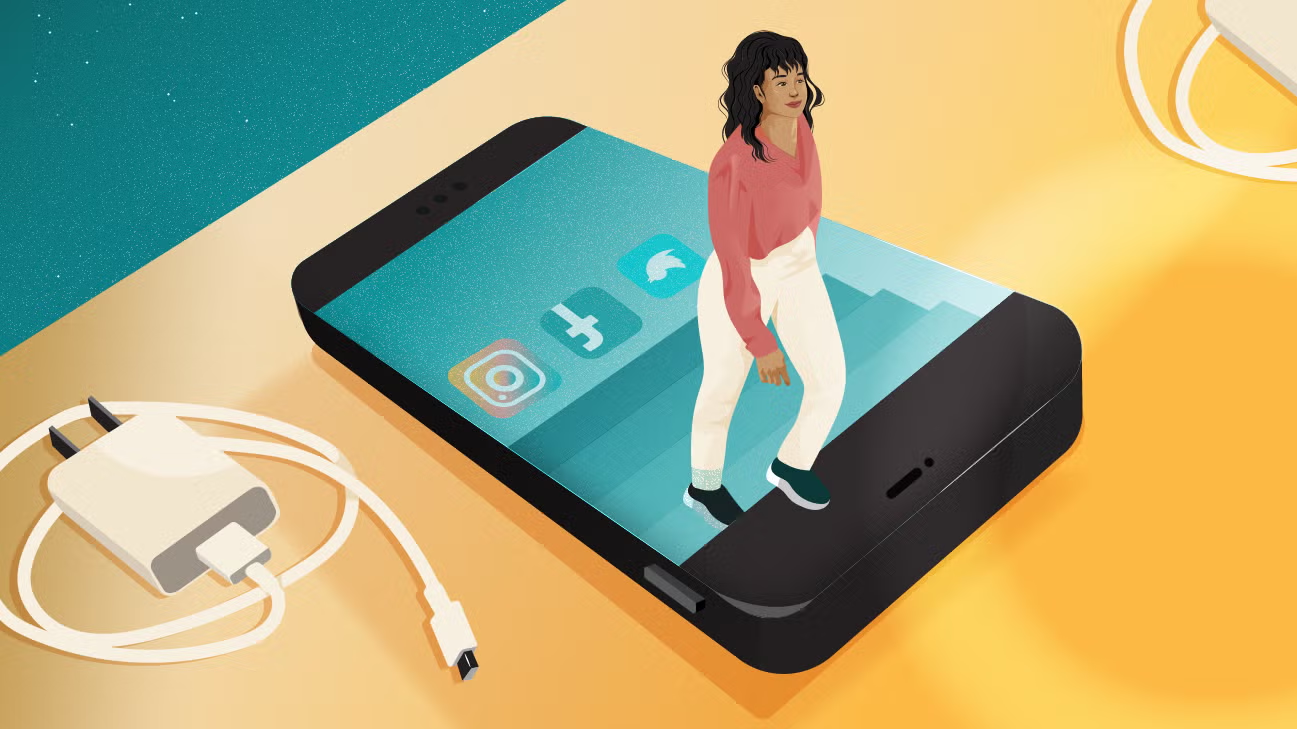
We live in a world of digital noise. On average, people spend more than six hours a day online. Social media, news updates, endless emails, and the constant ping of notifications have created a world where we’re never truly disconnected. While technology helps us stay in touch, it also bombards us with information that can be overwhelming.
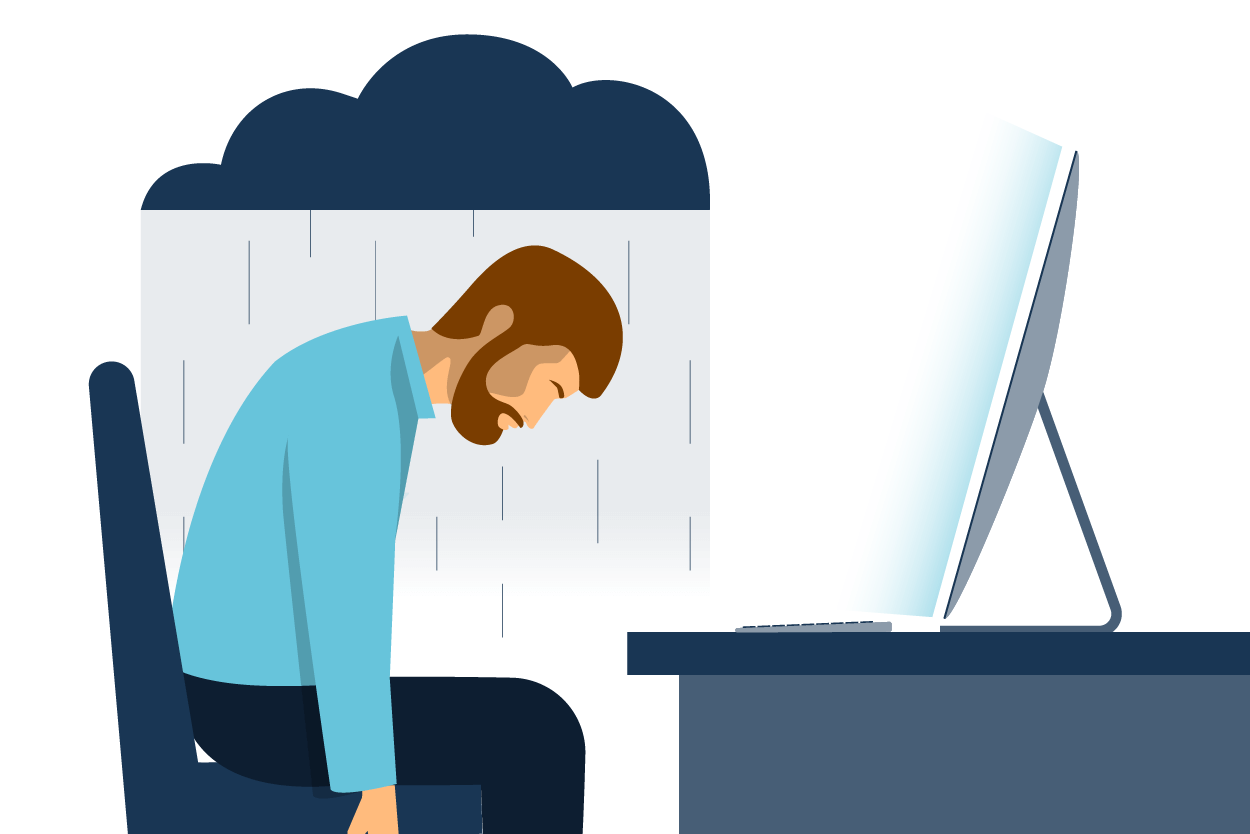
But here’s the problem: being constantly connected doesn’t always feel like a good thing. With so much digital noise, it’s easy to feel burnt out, anxious, and disconnected from real life.
What Exactly Is a Digital Detox?
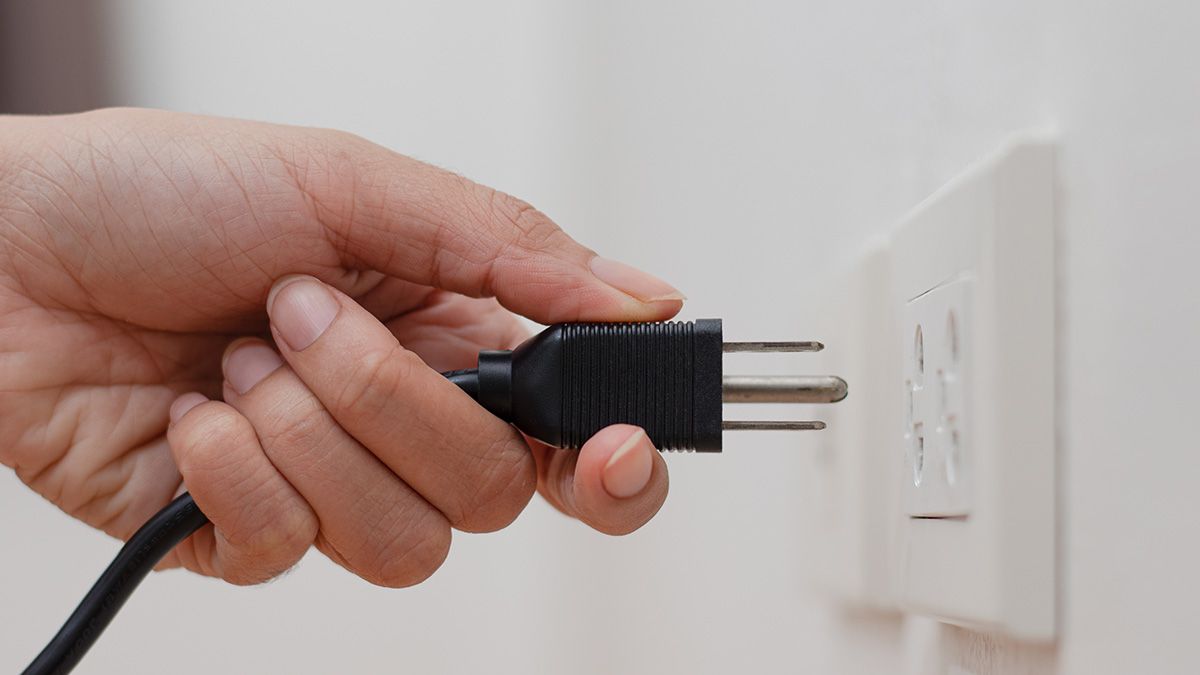
A digital detox is when you consciously take a break from technology. This could mean putting your phone down, logging off social media, or taking a complete break from screens. The goal is simple: to give your mind and body a chance to reset.
A digital detox doesn’t mean rejecting technology completely. Instead, it’s about finding balance and regaining control of how we interact with our devices.
Why People Are Turning to Digital Detoxes
People choose digital detoxes for several reasons, and many of them are backed by research. So, why are so many people choosing to unplug?
- Mental Health
Excessive screen time has been linked to mental health issues like anxiety and depression. Constantly checking social media can leave us feeling inadequate or isolated. Even just the act of scrolling through endless updates can increase stress. A study in 2018 found that people who limited their social media usage to 30 minutes per day felt less stressed and had a better overall sense of well-being. The digital detox allowed them to reconnect with the real world, not just the virtual one. - Improved Focus and Productivity
It’s hard to concentrate when your phone is buzzing with notifications every few minutes. The pull of instant messages and social media updates can disrupt your work or creative thinking. Taking a break from all of this can help you regain focus, whether you’re working, studying, or simply relaxing. People often report feeling more productive and mentally clear after taking time away from technology. This means they can get more done in less time and without the stress of constant distractions. - Better Sleep
Spending too much time on screens before bed can disrupt your sleep. Blue light emitted by phones and computers interferes with the production of melatonin, the hormone that helps you sleep. A digital detox, especially at night, can help you sleep better and feel more rested. - Reconnecting with the Real World
Constant digital engagement can pull us away from the present moment. A digital detox helps us reconnect with nature, engage in face-to-face conversations, and enjoy life without the distractions of screens.
The Benefits of a Digital Detox
Though it may seem like a trend, there are plenty of real benefits to unplugging from the digital world. Let’s take a closer look:
- Boosted Creativity
Creativity thrives when we can think without distractions. Digital devices are full of distractions, but when we take a break from them, our minds can wander. This break often leads to creative breakthroughs, whether you’re working on a project, brainstorming ideas, or simply daydreaming. - Improved Relationships
When we’re constantly glued to our phones, we’re not always fully present with those around us. A digital detox allows us to reconnect with our loved ones. It means more quality time, real conversations, and shared experiences, all of which are essential for strong relationships. - A Sense of Calm
A world without constant notifications can feel surprisingly peaceful. Without the noise of the digital world, many people report feeling calmer and more at ease. It’s a chance to pause, reflect, and reset in a world that often feels chaotic. - Physical Health Benefits
Spending too much time on screens can contribute to poor posture, eye strain, and even weight gain. A digital detox encourages people to spend more time engaging in physical activities, whether it’s going for a walk, exercising, or cooking a healthy meal.
How to Do a Digital Detox
If you’re ready to try a digital detox, here are some simple steps to help you get started:
- Set Clear Goals
Decide what you want to achieve. Do you want to take a break from all screens, or just social media? Setting clear boundaries will help you stay focused. - Pick the Right Time
You don’t need to take a week off the grid (unless you want to!). Start small with a few hours, a day, or a weekend. Gradually, you can extend your detox as needed. - Find Offline Activities
Replace screen time with activities that nourish you—go for a hike, read a book, spend time with family, or engage in a hobby. These activities help you reconnect with yourself and others. - Let Others Know
If you’re planning to disconnect for a longer period, let friends, family, or colleagues know so they’re not left wondering where you’ve gone. - Ease Back Into Technology
After your detox, try not to dive back into technology too quickly. Instead, be mindful of how much time you spend online and try to keep the balance.
Are Digital Detoxes a Trend or a Necessity?
While some might think digital detoxes are just another trendy thing to try, the evidence suggests they’re much more than that. As our world becomes increasingly digital, the need for balance is more important than ever.
A digital detox isn’t about rejecting technology—it’s about finding a healthy way to live with it. By taking breaks from screens, we can restore our mental health, improve productivity, and reconnect with the real world. Digital detoxes may be trendy right now, but they’re likely here to stay as a necessary practice for maintaining a healthy relationship with technology.













Discussion about this post