



































Innovation is often seen as a smooth journey from idea to success. We celebrate the breakthroughs, the “Eureka” moments, and the innovators who change the world. But in reality, innovation is messy. It’s not just about succeeding—it’s about failing, learning from those failures, and using them to drive progress.
Far from being a sign of defeat, failure plays a critical role in innovation. It’s through failure that ideas evolve, boundaries are pushed, and breakthroughs are made. Understanding how failure can be the most important lesson in innovation gives us a new perspective on problem-solving, creativity, and persistence.
The Role of Failure in the Creative Process
Innovation doesn’t come from linear thinking or following a strict plan. It often results from trial and error, where ideas are tested, refined, and sometimes abandoned. The best inventions don’t appear fully formed; they emerge through a series of experiments, each one building on what came before.
Take the Wright brothers, for example. Their journey to invent the airplane was filled with failures. Each setback—whether it was poor flight tests or engine malfunctions—provided them with crucial information. These failures helped them improve their designs, eventually leading to the first successful flight. Without those failures, the breakthrough may have never come.
This trial-and-error process isn’t unique to aviation. It’s seen across every field of innovation, from technology to biotechnology, and from space exploration to sustainability. Every failure is a lesson, providing the data necessary to push forward.
Failure Drives Technological Innovation
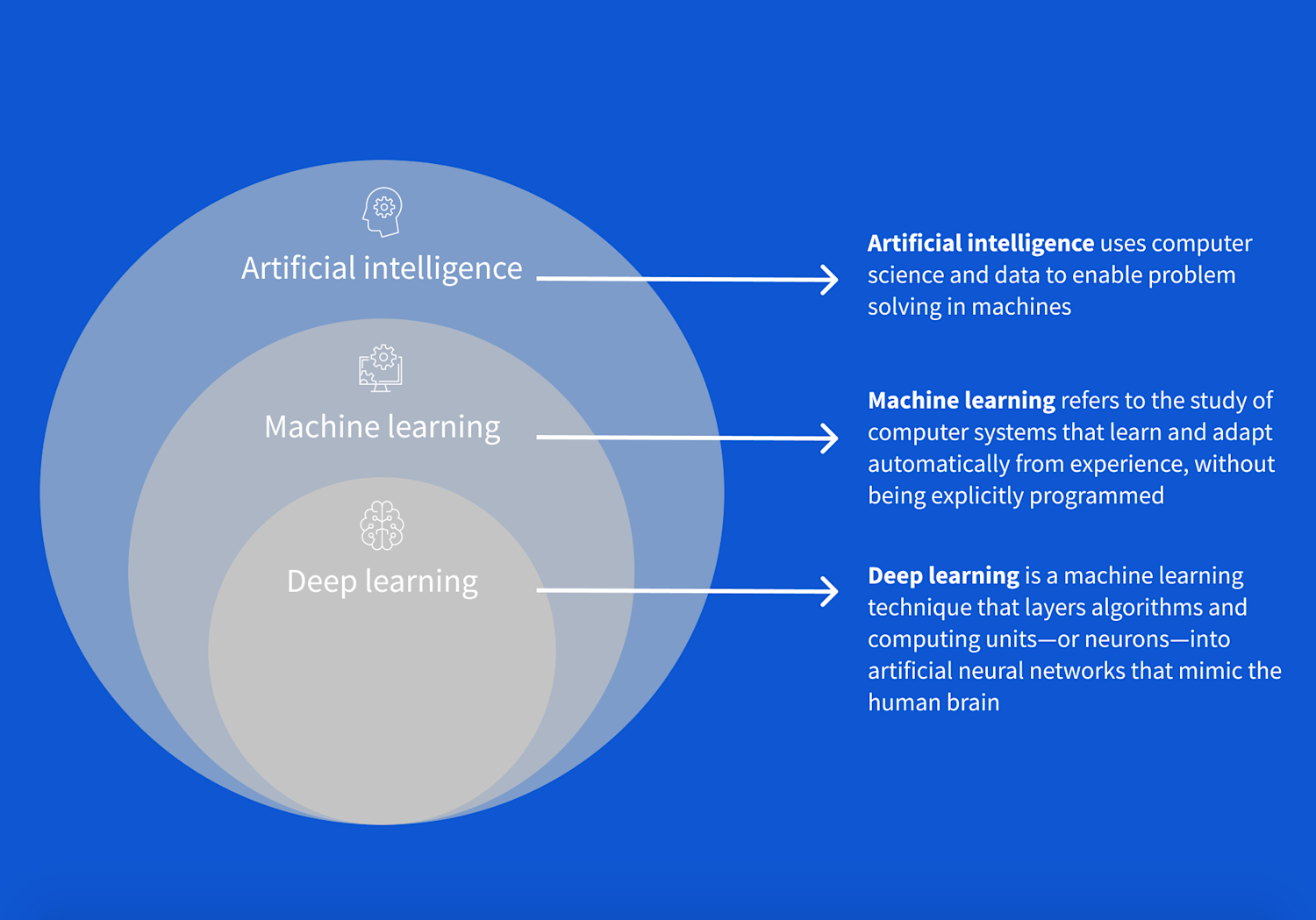
Technology fields like AI, quantum computing, and space exploration thrive on failure. In AI, early attempts at machine learning were often limited by crude algorithms and small datasets. The early “failures” forced researchers to rethink their approach, refining their algorithms and expanding their datasets. These failures paved the way for deep learning, the backbone of modern AI.
Similarly, space exploration has been shaped by failure. SpaceX, for example, had multiple rocket failures before successfully landing a reusable rocket. Each failure taught the company something new about materials, fuel efficiency, and safety. Today, SpaceX has transformed space travel, and the lessons learned from those early failures are what make future missions more affordable and reliable.
Failure isn’t a roadblock—it’s a powerful learning tool. It forces innovators to rethink their methods, improve their strategies, and come up with more creative solutions. Without those moments of failure, progress would stagnate.
Failure Teaches Resilience and Adaptability
Failure isn’t just about data—it’s also about psychology. Experiencing failure teaches resilience, an essential trait for anyone in the business of innovation. Failure forces individuals and teams to reflect on what went wrong, learn from it, and keep going.
When failure is viewed as a part of the process rather than a setback, it becomes a powerful motivator. Innovators who learn to bounce back from failure are more likely to keep trying, refining, and improving until they find success.
This resilience doesn’t just come from individual determination; it comes from a culture that encourages risk-taking and learning. By embracing failure, innovators create an environment where creativity can thrive and new ideas can emerge. It’s not about avoiding failure, but about seeing it as an opportunity to grow and adapt.
Failure Leads to New Industries
Innovation doesn’t just lead to new technologies—it can also lead to entirely new industries. Think of the way biotechnology and gene editing have evolved. Early failures in genetic research led scientists to refine their techniques, leading to the development of groundbreaking technologies like CRISPR. These advances have the potential to transform medicine, agriculture, and environmental protection, all because of what was learned through failure.
Similarly, the shift toward renewable energy has faced many challenges. Whether it was inefficiencies in early solar panels or problems with energy storage, each failure provided the lessons needed to improve the technologies. Today, industries focused on green tech and sustainable energy are on the rise, thanks to the progress that came from learning through failure.

These failures didn’t just lead to better products—they opened the door to new possibilities and entirely new markets. Innovation, fueled by failure, doesn’t just improve what’s already there—it creates something entirely new.
Failure Fuels New Business Models
Innovation doesn’t only impact products—it transforms entire business models. Companies like Tesla, Uber, and Amazon didn’t succeed overnight. They faced setbacks, challenges, and even near-collapse. But each failure taught them something new. For example, Amazon’s early struggles to turn a profit forced the company to refine its approach to logistics and customer service, laying the foundation for its future success.
This concept is central to the startup world, where failure is often seen as a necessary part of the journey. When one approach doesn’t work, entrepreneurs pivot—adjusting their strategies based on what they’ve learned. This flexibility allows businesses to adapt quickly and find new ways to grow.
Take Apple, for example. The company’s first attempt at creating a personal digital assistant, the Apple Newton, was a failure. But the lessons learned from that failure—particularly in design and user experience—played a pivotal role in the development of the iPhone. Without that failure, the world may have never seen the device that changed the way we communicate.
Failure and Long-Term Success
One of the key lessons of failure is that it is often a stepping stone to long-term success. Most successful innovators didn’t achieve their breakthroughs on the first try. They persisted through failure, learned from it, and continued to refine their ideas.
Take NASA’s Apollo missions. Early failures, such as the tragic loss of astronauts during the Apollo 1 fire, could have halted the entire program. Instead, NASA used these failures to improve their safety protocols, engineering practices, and mission planning. This led to the successful Apollo 11 mission, which saw the first humans land on the moon.
Likewise, SpaceX‘s early rocket failures didn’t stop the company. Instead, each failure provided critical lessons that helped them perfect their technology. Today, SpaceX has revolutionized space travel, demonstrating how failure can lead to success in the long term.
Conclusion: Embracing Failure for Innovation’s Future
Failure is an essential part of the innovation process. It is through failure that we learn, adapt, and make breakthroughs. Whether it’s refining technology, building resilience, or opening the door to new industries, failure drives progress in ways that success simply cannot.
By embracing failure as a learning tool, innovators can develop more effective solutions, create new business models, and change the world. Failure isn’t something to fear; it’s a powerful force that can lead to groundbreaking advancements. After all, the next big idea might just be one failure away.













Discussion about this post