





































The healthcare sector is in the midst of a critical transformation. With rising costs, inefficiency, and increasing environmental concerns, the industry needs a radical shift. The circular economy could be the key. This system promotes sustainability by reusing, repairing, refurbishing, and recycling resources instead of discarding them. But what role can the circular economy play in healthcare? This article explores how these principles could reshape the industry, driving sustainability, reducing waste, and improving health outcomes.
What is the Circular Economy?
The traditional economic model operates on a “take, make, dispose” system: natural resources are extracted, products are made, and once they’re no longer useful, they’re thrown away. This approach leads to waste, pollution, and the depletion of finite resources.
In contrast, the circular economy focuses on closing the loop. The aim is to keep products and materials in use for as long as possible. Items aren’t thrown away; they are repaired, reused, or recycled. The circular economy minimizes waste, conserves resources, and reduces environmental damage—an ideal solution for healthcare’s growing sustainability challenges.
How Can Circular Economy Transform Healthcare?
The healthcare industry generates a significant amount of waste, including disposable medical supplies, pharmaceuticals, and electronic waste. For example, U.S. hospitals alone create 5.9 million tons of waste annually. Circular economy strategies could dramatically reduce this waste while also improving efficiency, lowering costs, and boosting sustainability.
1. Reducing Waste and Recycling Medical Products
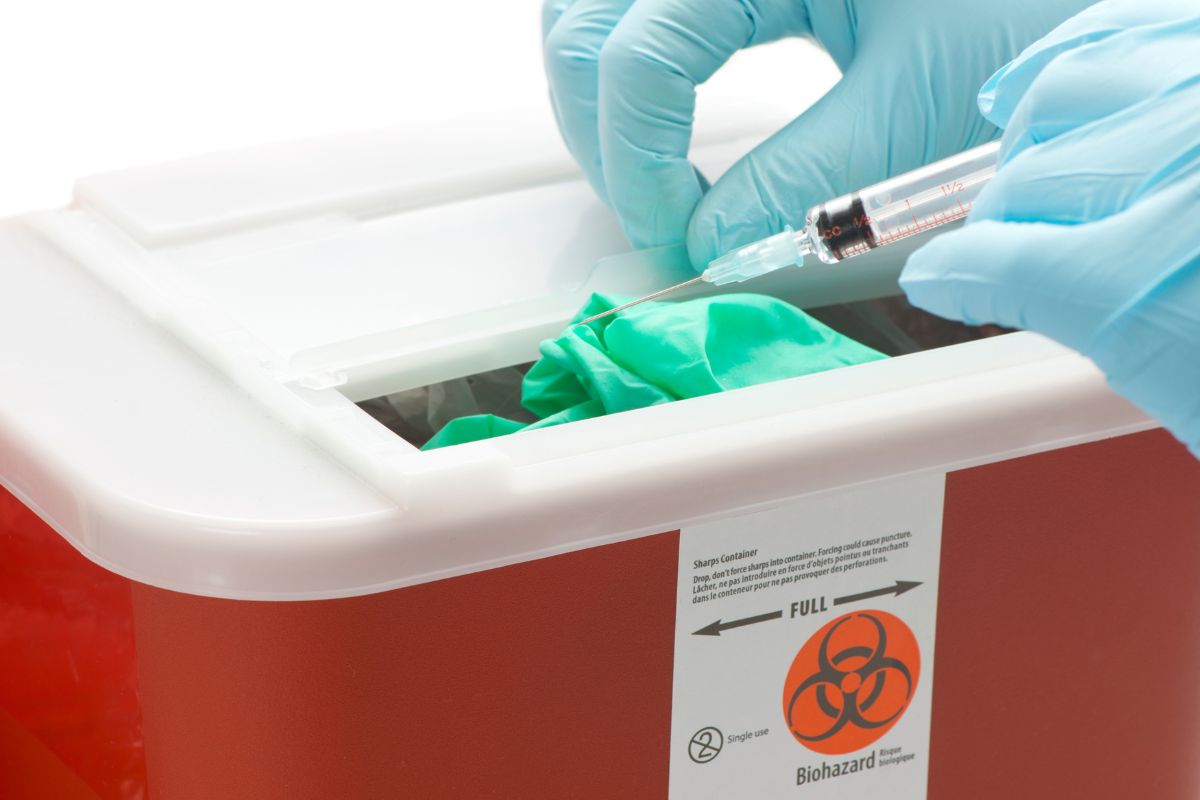
A key principle of the circular economy is waste reduction. Healthcare generates large amounts of waste—especially single-use items like syringes, gloves, and gowns. These items are typically disposed of after a single use, but under a circular model, these products could be recycled, repurposed, or reused.
For example, many hospitals already reprocess some medical devices, such as surgical instruments. But the potential extends beyond that—single-use diagnostic machines, monitors, and other equipment could be designed for easy reuse or recycling. By recovering valuable materials, like metals and plastics, hospitals could save money and reduce their environmental impact.
2. Eco-friendly Design in Healthcare Products

Incorporating circular principles into product design is another critical aspect. Imagine a future where medical equipment is not only high-functioning but also designed for easy repair and recycling. Products like MRI machines and heart monitors could be designed with interchangeable parts, allowing hospitals to repair or upgrade them rather than dispose of them entirely.
Eco-friendly design also means creating products from sustainable materials. Biodegradable surgical sutures, recyclable packaging, and even plant-based medical devices could significantly reduce healthcare’s plastic waste.
3. Sustainable Management of Pharmaceuticals
Pharmaceuticals are a huge source of waste in healthcare. Medications are often discarded due to overproduction or expiration. However, drug recycling and repurposing could reduce waste. Expired medications could be safely reused, or the raw materials could be reclaimed for new production.
Additionally, sustainable sourcing of pharmaceutical ingredients would help create a circular supply chain. By ensuring raw materials are renewable and using greener chemistry techniques, the pharmaceutical sector can contribute to a more sustainable healthcare system.
4. Improved Waste Management
Healthcare facilities are notorious for generating hazardous and non-hazardous waste. Currently, much of this waste is incinerated, contributing to air pollution and greenhouse gas emissions. A circular economy offers alternatives like waste-to-energy processes, where waste materials are converted into energy to power the facility.
Hospitals could also adopt zero waste strategies and reduce their carbon footprint by recycling more effectively and minimizing waste generation. Hospitals in some countries are already implementing these practices with impressive results.
5. Sustainable Healthcare Supply Chains
The healthcare supply chain often relies on materials and resources that aren’t sustainably sourced. Circular economy principles offer an opportunity to make these supply chains more sustainable. Eco-friendly packaging for medical products, such as sterile wraps and surgical gloves, would reduce plastic waste. Additionally, local sourcing would reduce the carbon footprint associated with transportation.
6. Leveraging Digital Health for Sustainability
Digital health technologies can also support the circular economy in healthcare. By analyzing healthcare data, hospitals can optimize resource use and reduce waste. For instance, predictive analytics could forecast demand for supplies, preventing overstocking and reducing waste.
Moreover, digital tools like telemedicine can minimize the need for physical visits, reducing transportation emissions and resource consumption in healthcare facilities. Remote monitoring tools also enable doctors to manage chronic conditions without requiring patients to come to the hospital as often.
Case Studies: Circular Economy in Action
The NHS and Circular Healthcare in the UK
The UK’s National Health Service (NHS) has been experimenting with circular economy practices to tackle waste and reduce costs. The NHS has implemented programs to reprocess single-use medical devices like catheters and surgical instruments. These items are sterilized and reused, cutting costs and reducing waste sent to landfills.
By 2019, the NHS saved £250 million through these recycling initiatives, demonstrating the potential financial and environmental benefits of circular economy strategies in healthcare.
Sweden’s Closed-Loop Healthcare System
Sweden is a leader in sustainable healthcare. Karolinska University Hospital in Stockholm has adopted a closed-loop waste management system, turning medical waste into energy for the facility. The hospital also aims to reduce its waste by 50% by 2030. These practices show how circular principles can be integrated into the healthcare sector to benefit both the environment and the bottom line.
The Roadblocks: Challenges in Implementing Circular Healthcare
While the circular economy holds significant potential for healthcare, challenges remain. The sector is heavily regulated, particularly when it comes to patient safety and medical device standards. For example, reprocessing medical devices must meet strict hygiene and safety requirements, which can slow down adoption.
Healthcare institutions must also invest in the infrastructure needed to support circular practices, such as recycling facilities and waste-to-energy technologies. Cooperation from governments, manufacturers, and healthcare providers is essential to create the conditions for a circular healthcare system.
Conclusion: The Circular Future of Healthcare
The healthcare industry faces growing environmental, financial, and logistical challenges. Circular economy principles offer an innovative solution to reduce waste, optimize resource use, and drive sustainability. By adopting circular strategies—such as reprocessing medical devices, redesigning products for reuse, and managing pharmaceutical waste—we can not only reduce healthcare’s carbon footprint but also lower costs and improve patient care.
As more hospitals and health systems experiment with these principles, the potential for a circular healthcare model becomes increasingly clear. With the right investments, policies, and innovation, the circular economy could revolutionize healthcare, ensuring better care for both people and the planet.













Discussion about this post