






























Picture this: you wake up, go outside, and realize the Earth’s magnetic field is gone. How would we survive in a world suddenly exposed to the full force of cosmic radiation, solar winds, and other hostile space phenomena? The Earth’s magnetic field is like an invisible guardian that shields us from many of space’s most dangerous elements. Without it, the environment would be radically different, and humanity might struggle to survive. But could we adapt? Could we ever live beyond Earth in such a scenario?
In this article, we’ll explore the crucial role of Earth’s magnetic field, the catastrophic consequences of its collapse, and how this could affect both life on Earth and our future in space. Let’s get into the science behind this cosmic protector and see how we might fare if it vanished.
Earth’s Magnetic Field: Our Silent Protector
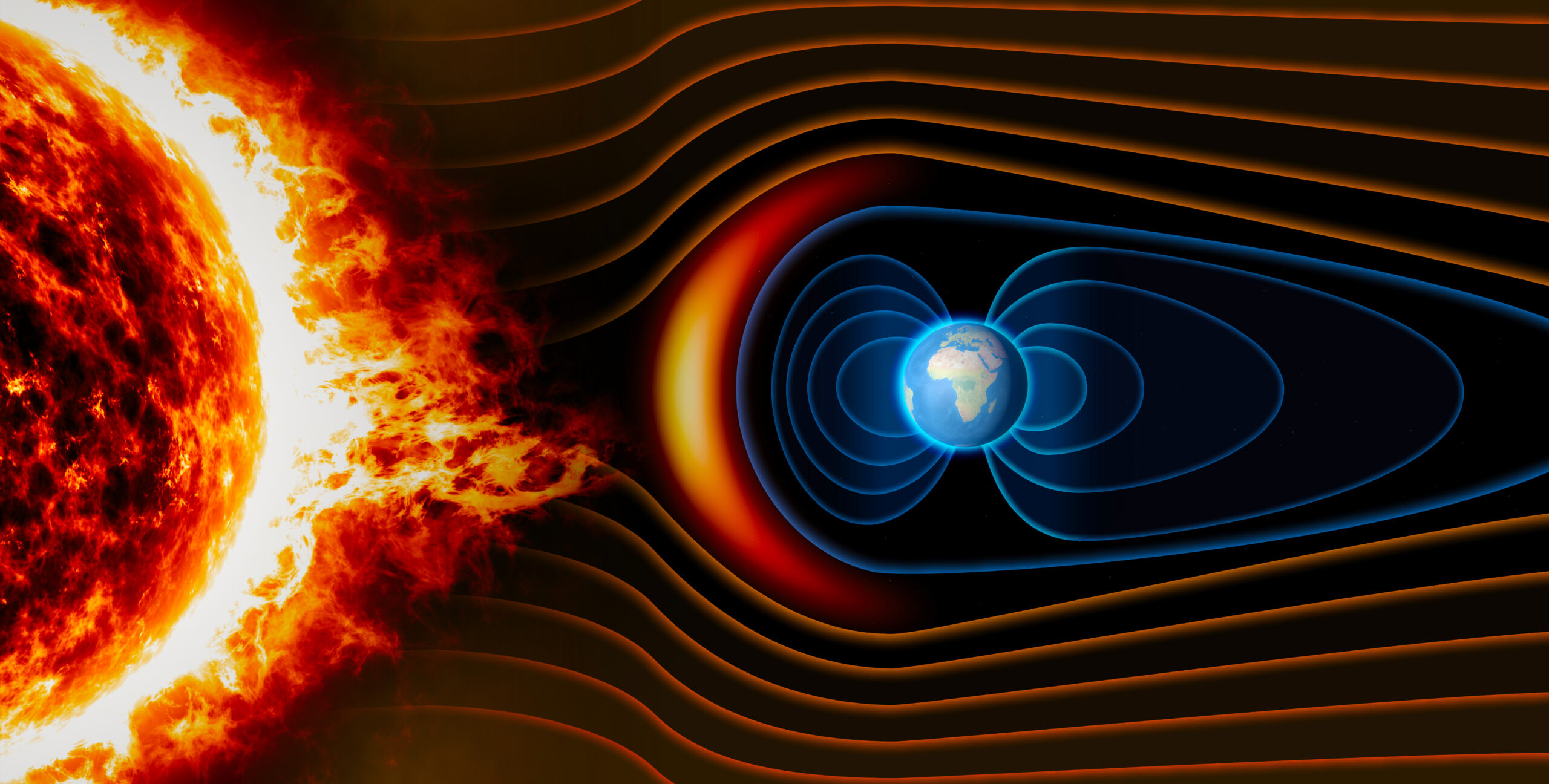
Earth’s magnetic field is generated by the movement of molten metals deep in the planet’s core, creating a massive, invisible force field. This field extends far out into space, forming the magnetosphere, a shield that protects us from solar radiation and high-energy particles from the sun. Without this magnetic shield, life on Earth would face immediate and extreme risks.
But why exactly is this field so important?
The Solar Wind: A Constant Threat
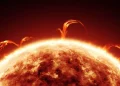
The Sun continuously emits a stream of charged particles, called the solar wind. These particles can cause serious harm, potentially frying satellites, disrupting communication systems, and even damaging electronic devices. Luckily, Earth’s magnetic field redirects these particles, keeping them from bombarding us. Without the field, those harmful particles would collide directly with our atmosphere, wreaking havoc.
What Happens If Earth’s Magnetic Field Collapses?
So, what if the magnetic field suddenly collapsed? The chances of that happening are slim, but it’s an interesting thought experiment. If it did collapse, the consequences would be far-reaching.
Atmospheric Damage: Goodbye, Ozone?
One of the most immediate effects would be the gradual stripping of Earth’s atmosphere. Without the magnetic field to protect us, the solar wind would directly impact the atmosphere, slowly wearing it down. The ozone layer, which protects us from harmful ultraviolet (UV) radiation, would be particularly vulnerable.
The absence of this protection could lead to higher levels of UV radiation reaching the Earth’s surface. This would increase health risks like skin cancer and other UV-induced diseases. Plus, plants, animals, and ecosystems would be at risk as the climate and environment change.
Satellites and Electronics: Unprotected and Vulnerable
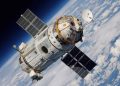
Without the magnetic shield, our technological infrastructure in space would also be in serious trouble. Satellites orbiting the Earth would be exposed to the full brunt of solar radiation. Many of these satellites rely on the magnetic field to shield them from harmful radiation. Without it, there would be a sharp increase in satellite failures. GPS systems, weather forecasting, and communication networks could all be severely disrupted.
Additionally, the Earth’s electric grid and communication networks would become susceptible to solar storms. These storms could trigger powerful electromagnetic pulses (EMPs), potentially disabling electrical systems worldwide.
Health Impacts: Radiation and Survival
Humans would not be exempt from the fallout. Without the magnetic field, the radiation levels we are exposed to would dramatically increase. High levels of radiation from the Sun and cosmic rays could lead to radiation sickness, a higher incidence of cancer, and other health problems.
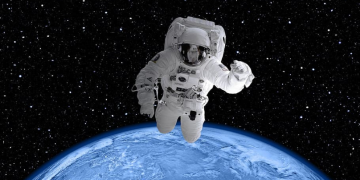
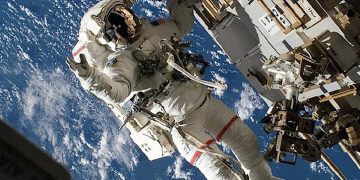
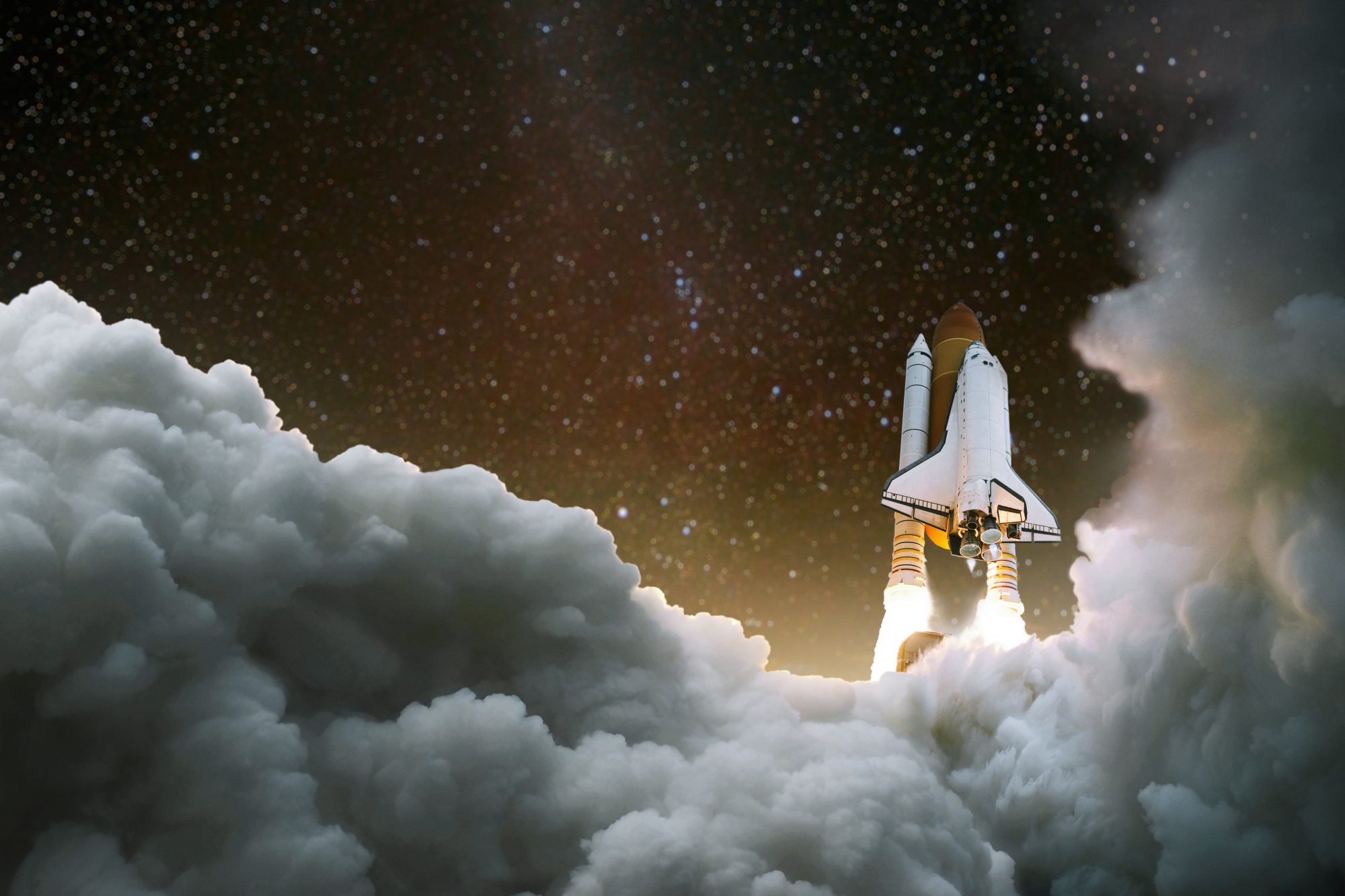
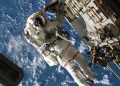
For astronauts, this could mean even more dangerous conditions for space travel. Spacecraft would no longer be protected by Earth’s magnetic field, so astronauts would need to wear advanced protective suits or live in fully shielded habitats, both of which are incredibly costly and technically challenging.
Could We Survive in Space Without Earth’s Magnetic Field?
In a world without a magnetic field, the dream of space exploration becomes far more difficult to achieve. We already face significant radiation challenges in space, but without Earth’s shield, the risks would increase exponentially.
Space Exploration: A More Dangerous Frontier
For space missions, especially those aimed at exploring the Moon or Mars, the absence of a magnetic field would require new strategies to protect astronauts from harmful radiation. Technologies like electromagnetic shields, which are still being researched, could be one way to protect spacecraft and colonies. But building these shields would be a massive challenge, both in terms of technology and cost.

Moreover, habitats on the Moon, Mars, or other planets would need to be reinforced with radiation-proof materials. On Mars, underground bases might offer a solution, as the Martian soil could help shield colonists from radiation.
Can We Build Artificial Shields?
Could we recreate the protection of the Earth’s magnetic field? In theory, we could. Scientists have been exploring the possibility of creating artificial magnetic fields using advanced technology. But for now, such ideas remain more science fiction than reality. These technologies would need to be refined before they could be used on a large scale.
Space Colonization: An Increased Urgency
If Earth’s magnetic field collapsed, space colonization would become far more urgent. Long-term survival on the Moon, Mars, or beyond would require innovative solutions to protect human life from radiation.
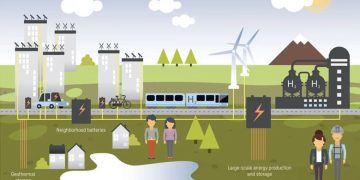
In addition, we would need to focus on renewable energy sources for both Earth and space missions. The collapse of the magnetic field could cause changes in Earth’s climate and weather patterns, making sustainable energy production more critical than ever.
The Road Ahead: Could We Adapt?
The collapse of the Earth’s magnetic field would undoubtedly make survival on our home planet much harder. But it could also drive advancements in technology and space exploration, forcing humanity to find new ways to live in space and protect itself from radiation. Space travel would require new approaches, and Earth’s environmental challenges would push us to rethink how we live.
Whether we could adapt to such a situation remains uncertain, but one thing is clear: the magnetic field plays a key role in protecting life on Earth. If it were to disappear, we’d have to think quickly and invent solutions that could help us survive.










Discussion about this post