







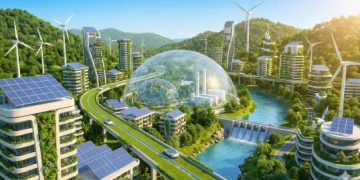
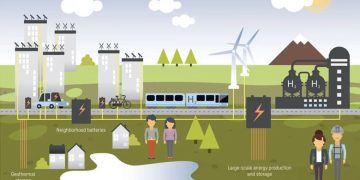




























In our increasingly eco-conscious world, the impact of green building materials has become more apparent. These materials are designed to be environmentally friendly, but their benefits extend far beyond sustainability—they also have a profound effect on our health and well-being. From enhancing air quality to reducing stress, green building materials play a crucial role in shaping the spaces we live and work in.
Why Buildings Matter for Our Health
We spend a large portion of our lives indoors, whether at home, work, or in public spaces. The materials used to construct these spaces can significantly impact our physical and mental health. Green building materials focus on minimizing harmful substances while improving comfort, energy efficiency, and overall health. Let’s explore how these materials contribute to better living environments.
1. Improved Air Quality for Better Health
One of the most immediate benefits of green building materials is their impact on air quality. Traditional building materials often emit volatile organic compounds (VOCs) like formaldehyde and benzene. These chemicals are linked to health problems such as respiratory issues, allergies, and even cancer.
Green materials, on the other hand, are designed to reduce these harmful emissions. For example, low-VOC paints, natural wood, and eco-friendly insulation materials help keep indoor air clean. With fewer irritants in the air, occupants are less likely to experience headaches, allergic reactions, or other health problems related to poor air quality.
2. Thermal Comfort and Energy Efficiency
Comfort is key to a healthy living space, and temperature plays a big part in that. Traditional buildings often have trouble maintaining a consistent temperature, causing discomfort in hot summers and chilly winters. This can lead to stress, poor sleep, and other physical discomforts.
Green materials, like high-performance insulation and reflective roofing, help regulate indoor temperatures more efficiently. Not only does this improve comfort, but it also reduces energy consumption. Less energy usage means lower utility bills and a smaller carbon footprint. Over time, these benefits lead to financial savings and better overall well-being.

3. Natural Light and Mental Health Benefits
The importance of natural light cannot be overstated. Exposure to sunlight increases serotonin, a hormone that helps improve mood and reduce stress. Green buildings are often designed with large windows and open layouts that maximize natural light, helping to keep people energized and positive.
Natural light has been linked to better cognitive function, higher productivity, and improved sleep quality. People who work or live in spaces with access to sunlight report feeling more focused, less stressed, and generally happier. The benefits extend beyond mood—natural light can even help regulate circadian rhythms, improving sleep patterns and overall health.
4. Sustainability and Reduced Exposure to Toxins
Many conventional building materials are not only harmful to the environment but also to human health. Materials like certain types of insulation or flooring can release toxins into the air over time. Green building materials, however, are chosen for their sustainability and non-toxic properties.
For example, materials like bamboo, cork, and recycled wood are renewable, biodegradable, and free from harmful chemicals. By using these sustainable materials, green buildings help reduce the risk of health problems such as asthma, skin irritations, or chemical sensitivities.
5. Biophilic Design: Bringing Nature Indoors
Biophilic design is a trend that connects people with nature through architecture and design. This design philosophy is based on the idea that humans thrive in natural environments. By incorporating elements such as indoor plants, water features, and natural materials, green buildings create spaces that feel calming and restorative.
Research shows that spending time in nature—or even just being surrounded by natural elements—can reduce stress, boost mood, and improve cognitive function. In fact, studies have shown that people working in biophilic spaces report greater satisfaction, less anxiety, and even higher productivity.
6. Noise Reduction for a Peaceful Environment
Noise pollution is a growing concern, especially in urban areas. Continuous exposure to noise can lead to stress, difficulty concentrating, and even long-term health problems. Green building materials can help reduce noise levels by using soundproofing materials such as acoustic tiles, thick carpets, and double-glazed windows.
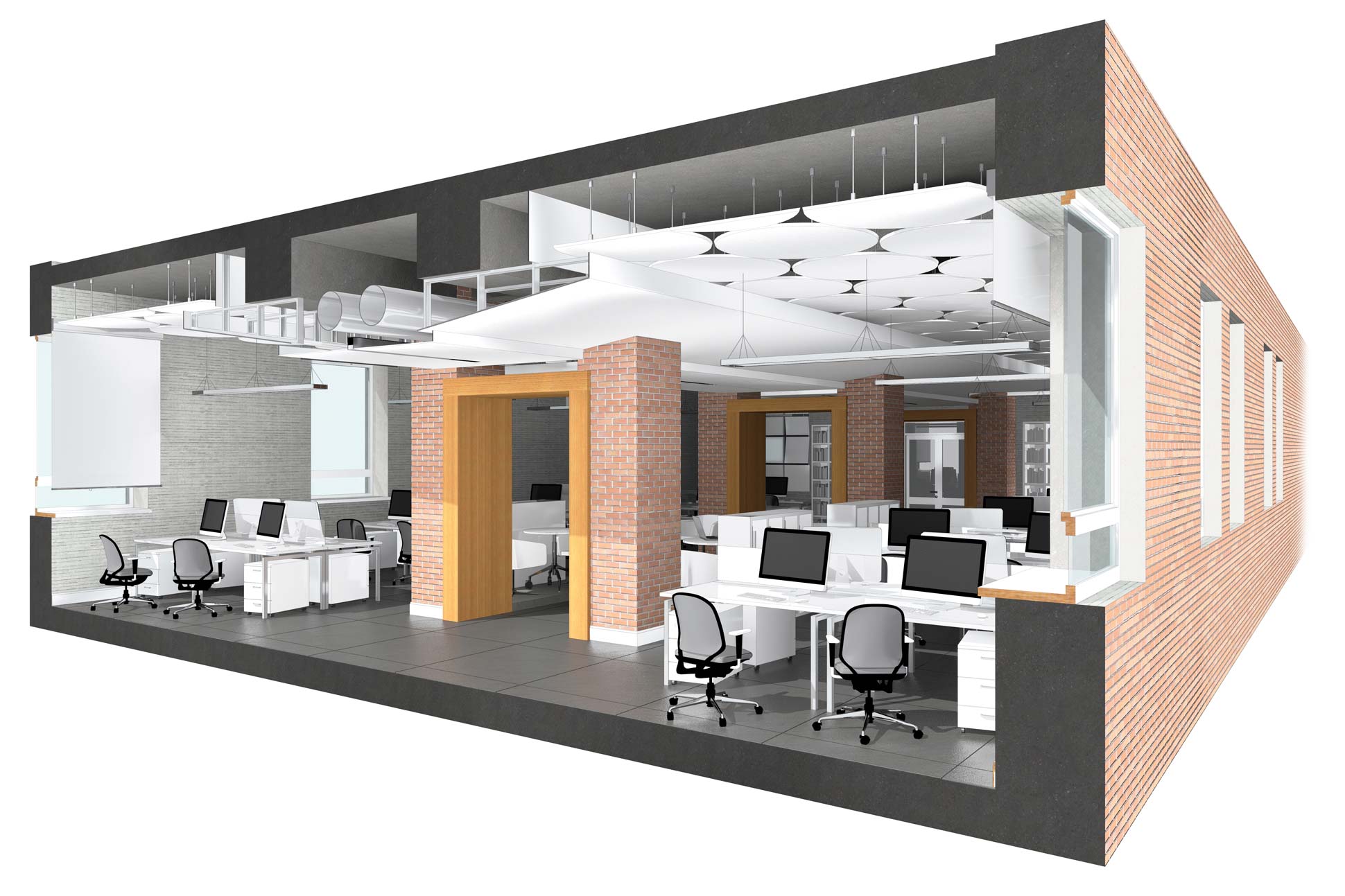
By creating quieter, more peaceful spaces, green buildings contribute to mental and physical well-being. Whether it’s a home or a workplace, a quieter environment allows for better focus, improved sleep, and reduced stress.
7. Water Conservation for Healthier Living
Water conservation is a key aspect of green building design, especially in areas where water scarcity is an issue. Green buildings use water-saving technologies such as low-flow toilets, rainwater harvesting systems, and efficient irrigation techniques to reduce water consumption.
These sustainable practices not only help conserve precious resources but also contribute to healthier living. For instance, buildings with proper moisture management are less likely to experience mold growth, which can lead to respiratory problems. By ensuring the building remains dry and well-ventilated, green materials help create a healthier indoor environment.
8. A Long-Term Impact on the Planet and Our Health
The benefits of green building materials extend beyond immediate health improvements. By using renewable materials and reducing energy consumption, green buildings have a smaller carbon footprint, contributing to the fight against climate change.
A healthier planet means healthier people. Green buildings help mitigate the harmful effects of pollution, reduce the risks of extreme weather events, and contribute to a more sustainable future. Over time, these environmental benefits will lead to improved public health, with fewer diseases linked to pollution and climate change.
Conclusion
Green building materials not only help protect the planet but also enhance our overall well-being. From better air quality to improved mental health, these materials create environments that are healthier, more comfortable, and more sustainable. As we continue to prioritize sustainability, green building practices will play an essential role in shaping a future where both the environment and our health can thrive.













Discussion about this post