


























In today’s hyperconnected world, social media plays an undeniable role in our daily lives. From connecting with friends and family across the globe to staying informed about global events, social media platforms have reshaped how we interact, communicate, and perceive the world around us. However, while these platforms offer unparalleled convenience, they have also been the subject of much debate, especially regarding their impact on mental health. So, is social media helping or hurting your mental health? The answer, it turns out, isn’t as simple as a “yes” or “no” but rather lies in a complex interplay of various factors.
The Rise of Social Media and Its Allure
In the last two decades, platforms like Facebook, Instagram, Twitter, TikTok, and YouTube have skyrocketed in popularity. As of 2026, there are more than 4.7 billion social media users worldwide. The allure of these platforms is simple: they provide instant access to a global network of people, ideas, and content. Whether it’s through sharing personal updates, discovering new music, or following the latest trends, social media offers a constant stream of information and entertainment, keeping users engaged and hooked.
For many, social media is a source of enjoyment and a means of staying connected. It can foster feelings of belonging and help people find communities of like-minded individuals. Moreover, platforms like LinkedIn even serve as professional networking tools that can help users advance their careers. But is this constant interaction with digital content always a good thing?
The Positive Effects of Social Media on Mental Health
Before diving into the darker side of social media, it’s important to acknowledge the positive effects these platforms can have on mental health. Yes, social media can be beneficial in certain contexts. Let’s explore how:
1. Building Community and Support Networks
For individuals who may feel isolated due to geographical location, social anxiety, or health challenges, social media provides a virtual space to connect with others. Support groups centered around mental health, chronic illness, LGBTQ+ issues, or even specific hobbies can provide solace and a sense of belonging. These online communities offer a space for people to share their experiences, seek advice, and find emotional support.
2. Raising Awareness and Access to Resources
Social media platforms have become essential tools for raising awareness about important societal issues, including mental health. Campaigns like #BellLetsTalk and #MentalHealthAwareness have gained significant traction, helping reduce the stigma surrounding mental health disorders. These campaigns not only educate people but also provide resources for those struggling, making it easier to access help when needed.
3. Empowerment Through Creative Expression
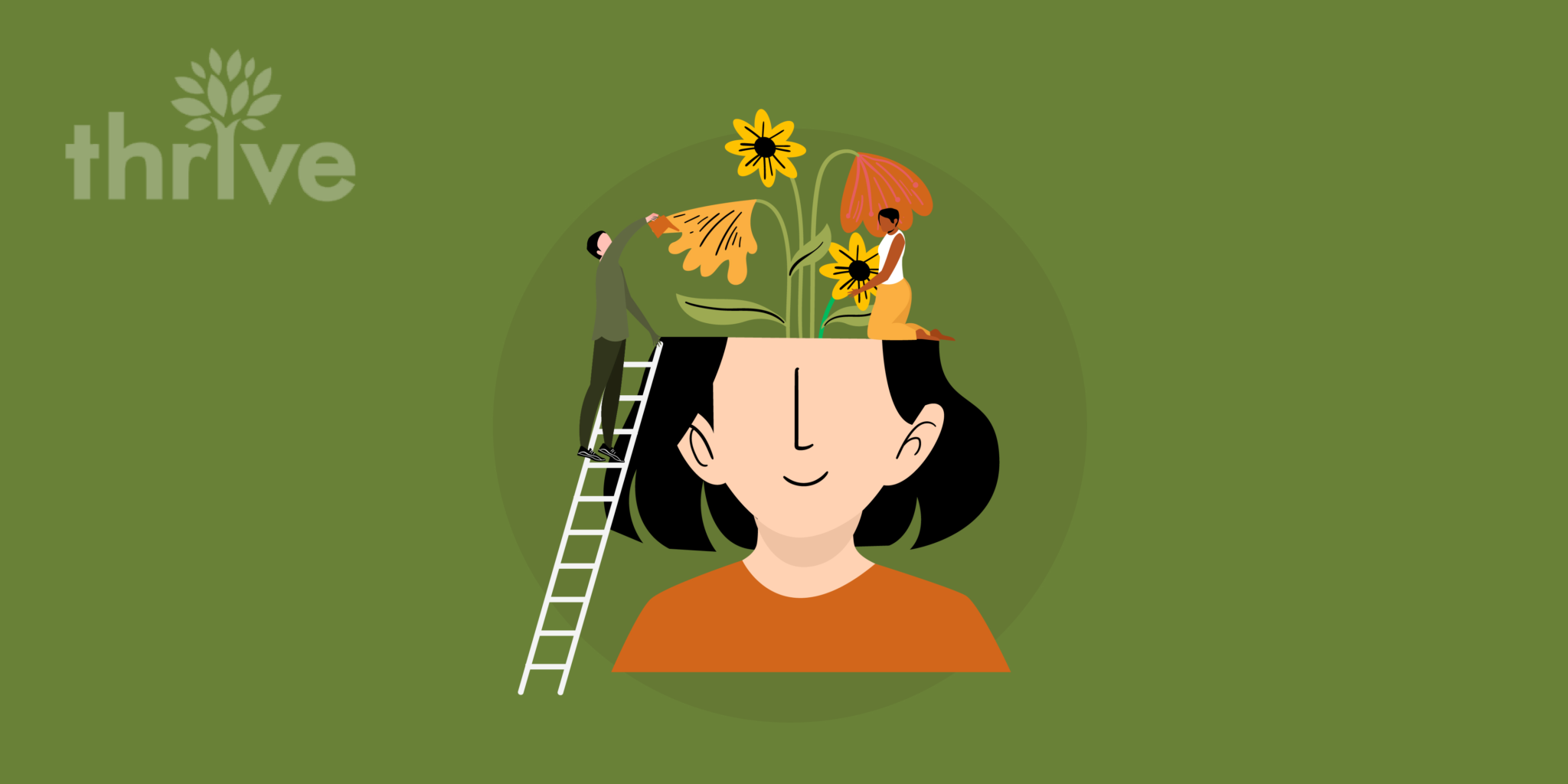
Social media has democratized content creation. Platforms like Instagram and TikTok have allowed individuals to share their artistic creations with the world. For many, this can be a form of self-expression that fosters a sense of accomplishment and boosts self-esteem. Additionally, seeing others’ creative work can inspire individuals, promoting a sense of community and mutual support.
4. Networking and Career Growth
As previously mentioned, social media isn’t all about cat videos and selfies. Platforms like LinkedIn, Twitter, and even YouTube offer professionals and entrepreneurs the chance to network, collaborate, and grow their careers. For many, these platforms serve as critical tools for job searches, personal branding, and finding opportunities that would otherwise be inaccessible.
The Dark Side: How Social Media Hurts Mental Health
Despite the positive aspects, the negative effects of social media on mental health cannot be ignored. In fact, a growing body of research suggests that excessive social media use can exacerbate feelings of anxiety, depression, and loneliness. Here’s how:
1. Social Comparison and Low Self-Esteem
One of the most well-documented psychological effects of social media is the tendency for users to compare themselves to others. Platforms like Instagram and Facebook are filled with carefully curated images of idealized lives. People post photos of their vacations, meals, and achievements, often leaving out the more mundane or difficult aspects of their lives. This creates an unrealistic standard of success, beauty, and happiness, leading to feelings of inadequacy in those who compare themselves to these idealized portrayals.
Studies have shown that frequent social comparison on social media is linked to lower self-esteem and increased rates of depression, particularly among adolescents and young adults.
2. Fear of Missing Out (FOMO)
FOMO, or the fear of missing out, is a phenomenon exacerbated by social media. Seeing friends and acquaintances post pictures from parties, events, or vacations can trigger feelings of exclusion and loneliness, especially if one is unable to participate. The constant barrage of content showing others living seemingly exciting lives can cause people to feel left behind or as though they are missing out on something important.
The pressure to be constantly engaged and up-to-date with what others are doing can also contribute to anxiety, sleep disturbances, and a general sense of dissatisfaction with one’s own life.
3. Cyberbullying and Online Harassment
Another dark side of social media is the rise of cyberbullying and online harassment. The anonymity provided by the internet makes it easier for individuals to engage in hurtful behaviors without facing immediate consequences. This has led to an alarming rise in online bullying, especially among teenagers and young adults.
Victims of cyberbullying often experience severe emotional distress, including depression, anxiety, and in extreme cases, suicidal thoughts. The effects of this type of harassment can be long-lasting, affecting mental health for years.
4. Social Media Addiction and Decreased Well-Being
Perhaps one of the most concerning aspects of social media is the addictive nature of these platforms. With constant notifications, likes, and shares, social media creates a feedback loop designed to keep users engaged. For many, this leads to excessive screen time, where checking social media becomes a compulsive habit rather than a choice.
This addiction can have a range of negative effects on mental health, including poor sleep quality, increased anxiety, and a general sense of dissatisfaction with one’s life. The constant need for validation through likes and comments can also lead to decreased self-worth and a reliance on external approval to feel good about oneself.
Finding Balance: Can Social Media Be Good for Your Mental Health?
So, how can we make social media work for us instead of against us? The key is balance. While it’s clear that social media has its pitfalls, it’s not all bad. The trick is to use it in a way that enhances your life rather than detracts from it. Here are a few strategies to help mitigate the negative effects:
1. Set Boundaries
Establishing clear boundaries around social media use is one of the most effective ways to protect your mental health. Set specific times during the day to check social media, and avoid mindlessly scrolling. Try to limit screen time, especially before bed, to ensure that social media doesn’t interfere with your sleep.
2. Curate Your Feed
Take control of the content you consume by curating your feed to reflect positive, uplifting, and educational content. Follow accounts that inspire you, promote mental health awareness, and foster a sense of community. Unfollow accounts that make you feel inadequate, anxious, or upset. It’s essential to recognize that not everything on social media is healthy for you to consume.
3. Practice Digital Detox
Occasionally disconnecting from social media can have profound benefits for mental health. A digital detox allows you to step away from the constant stream of information and re-engage with the world in a more meaningful way. Taking time away from screens can help reduce anxiety, improve focus, and allow you to reconnect with the present moment.
4. Seek Professional Help When Needed
If you find that social media is significantly affecting your mental health, consider seeking professional help. Therapists and counselors can provide strategies to cope with the negative effects of social media and help you develop a healthier relationship with technology.
Conclusion: Social Media—A Double-Edged Sword
At the end of the day, social media is a tool—one that can be used for both positive and negative purposes. While it can help build communities, raise awareness, and foster creative expression, it can also lead to anxiety, depression, and addiction. The key to navigating the digital age lies in how we choose to engage with social media. By setting boundaries, curating our feeds, and practicing self-care, we can maximize the benefits of social media while minimizing its negative effects. Social media is not inherently bad, but our relationship with it must be mindful and intentional.













Discussion about this post