




































In today’s fast-paced world, technology is transforming how we live, work, and take care of ourselves. One of the most exciting areas where tech is making a difference is in wellness—and not just physical wellness, but eco-conscious living, too. Artificial Intelligence (AI) is at the forefront of this change, offering new ways to personalize our health routines while helping us live more sustainably. In this article, we’ll dive into how AI is driving personalized eco-wellness solutions, the ethical concerns surrounding its use, and the future of AI in health and sustainability.
What Is Personalized Wellness?
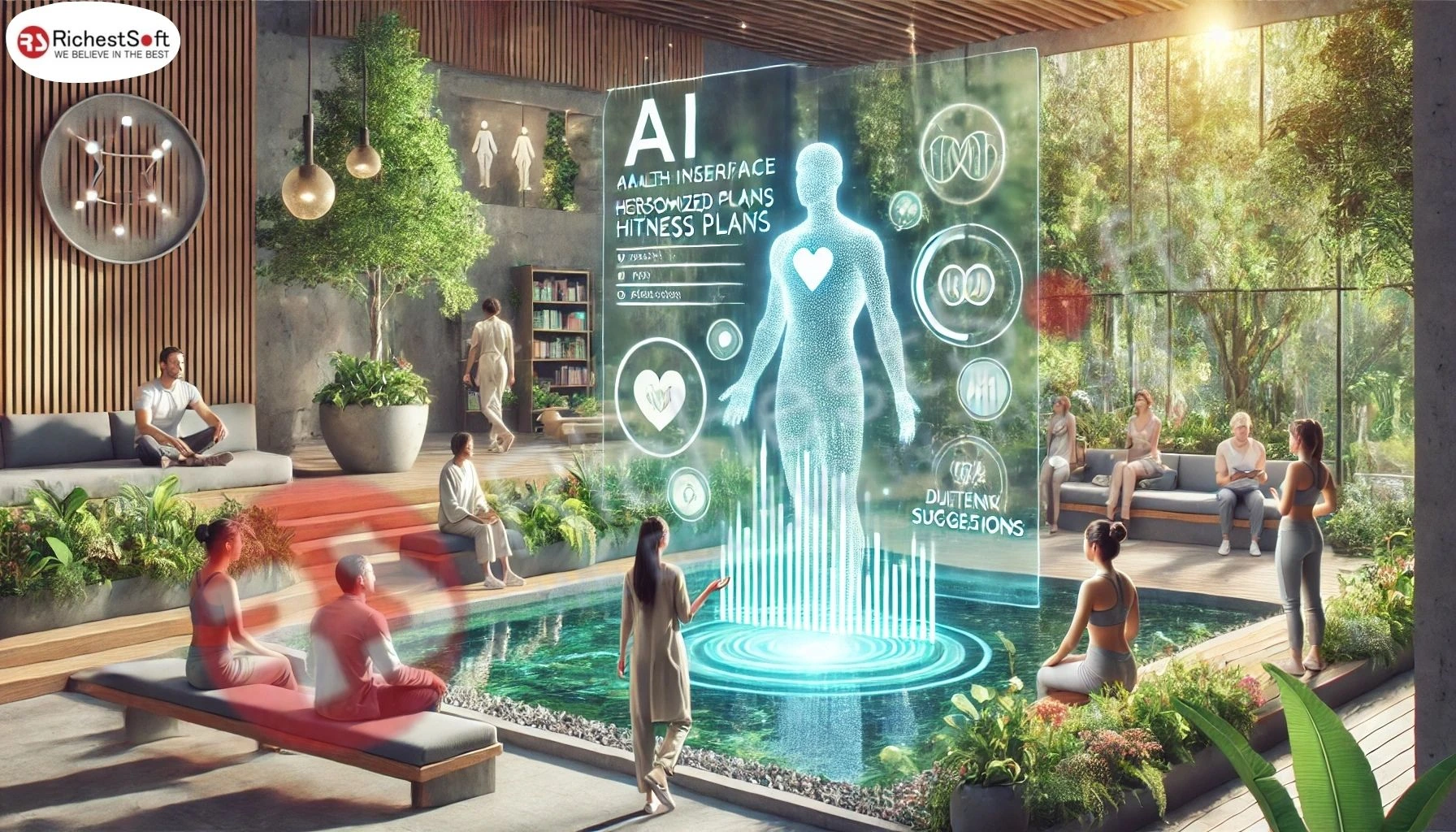
Personalized wellness is all about finding health solutions that fit you. Instead of following one-size-fits-all advice, AI uses data to create a customized plan based on your unique needs. AI can consider factors like your activity level, diet, sleep habits, and even emotional health to recommend improvements. From fitness trackers to apps, AI is constantly learning about you, offering advice on everything from workouts to stress management.
Example: Fitness Tracking
Imagine wearing a fitness tracker that collects data on your sleep, heart rate, and physical activity. AI analyzes this information and suggests ways to improve your health. It might tell you when to go to bed, how much water to drink, or how to tweak your exercise routine. Over time, it gets smarter and more accurate, tailoring recommendations to your personal habits.
How AI Promotes Eco-Conscious Living
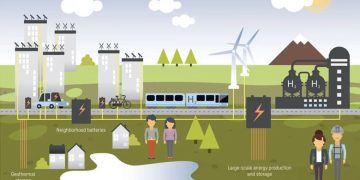
While personalized wellness is important, AI can also help us live in a way that’s kinder to the planet. From smart homes to green transportation, AI can optimize our daily habits to reduce energy use and minimize waste.
Example: Smart Homes
AI-powered smart thermostats can adjust the temperature of your home based on when you’re there or not, saving energy without compromising comfort. AI can also track the use of water in your home, suggesting ways to cut down on waste. In the future, smart homes could even manage things like waste disposal and recycling, reducing your environmental footprint in ways you may not even notice.
Example: AI in Transportation
Autonomous vehicles are another exciting development. These AI-driven cars use data to find the most efficient routes, reducing fuel consumption and cutting down on emissions. They also minimize the need for personal car ownership, which helps reduce congestion in cities. AI is also improving public transportation, helping buses and trains run more efficiently, which in turn cuts emissions and makes commuting greener.
AI and Sustainable Food Systems
Food production has a huge impact on the environment, and AI is helping to make it more sustainable. From farming to food packaging, AI can reduce waste and improve the efficiency of our food systems.
Example: Precision Agriculture
Farmers are using AI to monitor soil health, track crop growth, and predict when to plant or harvest. This data-driven approach leads to better crop yields, less water waste, and fewer chemicals in the environment. AI even helps to identify pests before they become a problem, reducing the need for harmful pesticides.
Example: Sustainable Food Choices
AI is also revolutionizing the way we think about food. Startups are using AI to create plant-based and lab-grown meat products, which are much more sustainable than traditional animal farming. These innovations could help reduce the environmental impact of food production while still providing healthy, delicious meals.
AI and Environmental Protection
AI isn’t just about improving our personal health and sustainability; it’s also playing a huge role in environmental protection. By analyzing massive amounts of environmental data, AI helps monitor and protect ecosystems.
Example: Tracking Deforestation
AI-powered tools are being used to monitor deforestation. By analyzing satellite images, AI can detect illegal logging or track changes in forest health. This data helps conservationists and policymakers take quick action to protect vulnerable ecosystems.
Example: Air Quality Monitoring
AI can also predict pollution levels in cities, alerting residents when air quality is poor. This allows people to take precautions, like staying indoors or using air purifiers. In the long term, AI can help city planners design greener urban spaces by optimizing traffic patterns and reducing emissions.

Ethical Questions Around AI in Wellness and Sustainability
As with any technology, AI comes with its set of challenges and ethical concerns. One of the biggest questions is about privacy. To give personalized advice, AI systems often need access to a lot of personal data. How do we ensure this data is used responsibly?
Privacy Concerns
When you use an AI-powered app to track your health or manage your home, you’re sharing sensitive information. How much are you willing to share in exchange for personalized recommendations? It’s important that companies are transparent about how they use this data and that they protect your privacy.
Equity and Access
Another concern is that AI-powered wellness solutions can be expensive, making them less accessible to everyone. Not all communities have the same access to high-end health apps or smart home technologies. As AI continues to grow, it’s essential to find ways to make these tools available to all people, regardless of income.
The Future of AI in Eco-Wellness
Looking ahead, AI’s role in personalized wellness and sustainability is only going to expand. As the technology improves, AI could help predict health problems before they happen, offering preventative care based on everything from genetics to lifestyle. It could even suggest changes in real-time to help avoid chronic diseases like diabetes or heart disease.
In terms of sustainability, AI will continue to drive the development of greener cities, more efficient energy systems, and sustainable agriculture. We could see AI managing everything from waste recycling to urban farming, helping us live more sustainably while improving our health.
Example: AI in Healthcare
AI is also likely to play a significant role in personalized medicine. By analyzing genetic data, AI could help doctors create individualized treatment plans for patients, predicting which therapies will work best for them. This could revolutionize the healthcare industry, leading to better outcomes and lower costs.
Example: Green Technology
AI is already helping to design more efficient solar panels and wind turbines. As technology advances, it’s possible that AI could develop new types of green energy solutions that are both more effective and more affordable. This would be a huge win for both our health and the environment.
Conclusion: A Healthier, Greener Future with AI
AI is already changing the way we think about wellness and sustainability. From personalized health plans to eco-friendly living solutions, AI is helping us take smarter, more sustainable actions. But as we move forward, we must ensure that these technologies are accessible, ethical, and used responsibly. The future of AI in wellness and sustainability is bright, and with careful planning, it can create a healthier, greener world for all.













Discussion about this post