









Introduction: Redefining the Goal of Living Well
For most of modern history, the goal of wellness has been relatively simple: live longer, feel better, avoid disease. Advances in medicine, nutrition, and technology have steadily pushed life expectancy upward, while improving quality of life.
But the future introduces a new layer of complexity.
Human health is no longer shaped only by biology and lifestyle—it is increasingly influenced by planetary conditions, technological systems, and environmental change.
As climate shifts, ecosystems evolve, and technologies reshape daily life, the definition of wellness must expand.
The question is no longer just:
“How do we live longer?”
But:
“How do we live well in a changing world?”
1. The Longevity Revolution
1.1 Extending Life Beyond Limits
Advances in science and medicine are pushing the boundaries of human lifespan:
- Improved healthcare systems
- Preventive medicine
- Genetic research
- Anti-aging technologies
Longevity is no longer just about adding years—it is about extending healthy years.
1.2 Healthspan vs. Lifespan
A key distinction is emerging:
- Lifespan: total years lived
- Healthspan: years lived in good health
Future wellness focuses on maximizing healthspan, ensuring that longer lives are also better lives.
2. Climate Change and Human Adaptation
2.1 Environmental Stressors
Climate change introduces new health challenges:
- Rising temperatures
- Air pollution
- Water scarcity
- Extreme weather events
These factors directly affect physical and mental health.
2.2 Adaptive Living
Future lifestyles will increasingly involve adaptation:
- Climate-responsive architecture
- Heat-resilient urban design
- Water-efficient systems
Humans will not just mitigate environmental change—they will adapt to it.
3. The Integration of Technology and Biology
3.1 Human Enhancement
Technology is beginning to merge with biology:
- Wearable health systems
- Implantable devices
- AI-assisted diagnostics
This creates the possibility of enhanced physical and cognitive capabilities.
3.2 Continuous Health Optimization
Future systems may:
- Monitor health in real time
- Predict medical issues
- Suggest interventions
Health management becomes an ongoing, dynamic process.
4. The Evolution of Daily Living Environments
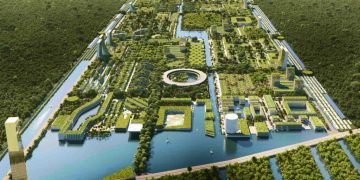
4.1 Responsive Living Spaces
Homes and cities will increasingly adapt to human needs:
- Air quality control
- Temperature regulation
- Smart resource management
Environments will actively support well-being.
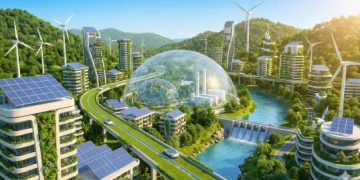
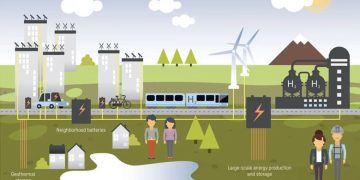
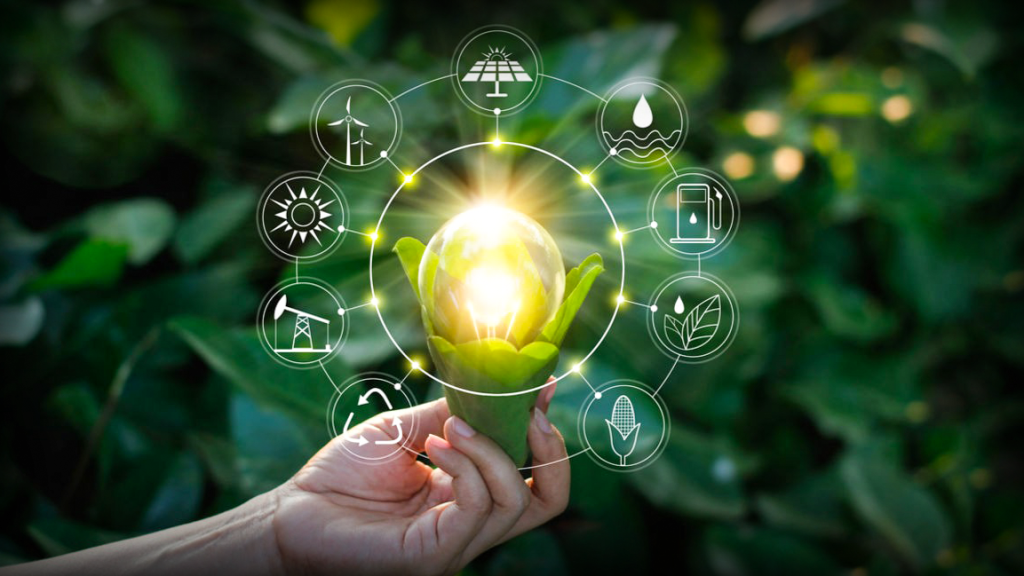
4.2 Sustainable Infrastructure
Future infrastructure will prioritize:
- Renewable energy
- Resource efficiency
- Environmental balance
Wellness becomes embedded in the design of living systems.
5. Mental Health in an Uncertain Future
5.1 Navigating Complexity
The future will bring uncertainty:
- Environmental change
- Technological disruption
- Social transformation
Mental resilience becomes essential.
5.2 Psychological Adaptation
Future wellness will include:
- Emotional flexibility
- Stress management
- Adaptation to change
Mental health becomes as critical as physical health.
6. The Role of Community and Collective Health
6.1 From Individual to Collective Wellness
Wellness will increasingly be understood as a shared condition:
- Public health systems
- Community resilience
- Social support networks
Individual health cannot be separated from collective well-being.
6.2 Global Interconnection
In a connected world:
- Environmental issues cross borders
- Health challenges become global
- Solutions require collaboration
Wellness becomes a global concern.
7. Ethical Questions in Future Wellness
7.1 Access and Inequality
Advanced technologies may not be equally accessible.
This raises questions about:
- Who benefits from innovation
- How resources are distributed
- Whether wellness becomes a privilege
7.2 Defining “Improvement”
As technology enables enhancement, society must consider:
- What counts as improvement?
- What are the limits?
- What should remain human?
These questions shape the future of wellness.
8. Slowing Down in a Fast-Moving World
8.1 The Need for Balance
As systems become more advanced and fast-paced, there is a growing need to slow down.
Practices such as:
- Mindfulness
- Time in nature
- Reduced digital consumption
Help maintain balance.
8.2 Human Rhythms vs. System Efficiency
Technology operates on efficiency. Humans operate on rhythms.
Future wellness requires aligning:
- Biological needs
- Emotional cycles
- Technological systems
9. Redefining Success and Well-Being
9.1 Beyond Productivity
Traditional definitions of success often emphasize productivity and achievement.
Future wellness may shift toward:
- Fulfillment
- Balance
- Meaning
9.2 Living with Intention
Intentional living becomes central:
- Making conscious choices
- Aligning actions with values
- Designing meaningful lifestyles
10. The Future of Being Human
10.1 Hybrid Existence
Humans will increasingly live in a hybrid state:
- Part biological
- Part technological
- Deeply interconnected with systems
This reshapes identity and experience.
10.2 Preserving Humanity
As technology advances, maintaining core human qualities becomes essential:
- Empathy
- Creativity
- Connection
These define the human experience beyond systems and data.
Conclusion: Living Well in an Evolving World
The future of wellness is not a single path—it is a dynamic process shaped by:
- Technology
- Environment
- Society
- Individual choices
It requires balancing innovation with intention, efficiency with meaning, and progress with preservation.
Ultimately, the goal is not just to survive in a changing world—but to thrive within it.
To build lives that are:
- Healthy
- Sustainable
- Meaningful
Because in the end, wellness is not just about how long we live—
but how deeply we experience the life we are given.










Discussion about this post