



















Opening Insight: Space Is Closer Than You Think
When people think of space exploration, they imagine rockets, astronauts, and distant planets. It feels remote—both physically and conceptually—from everyday life.
But this perception is misleading.
Space is not “out there.” It is embedded in the systems we rely on every day.
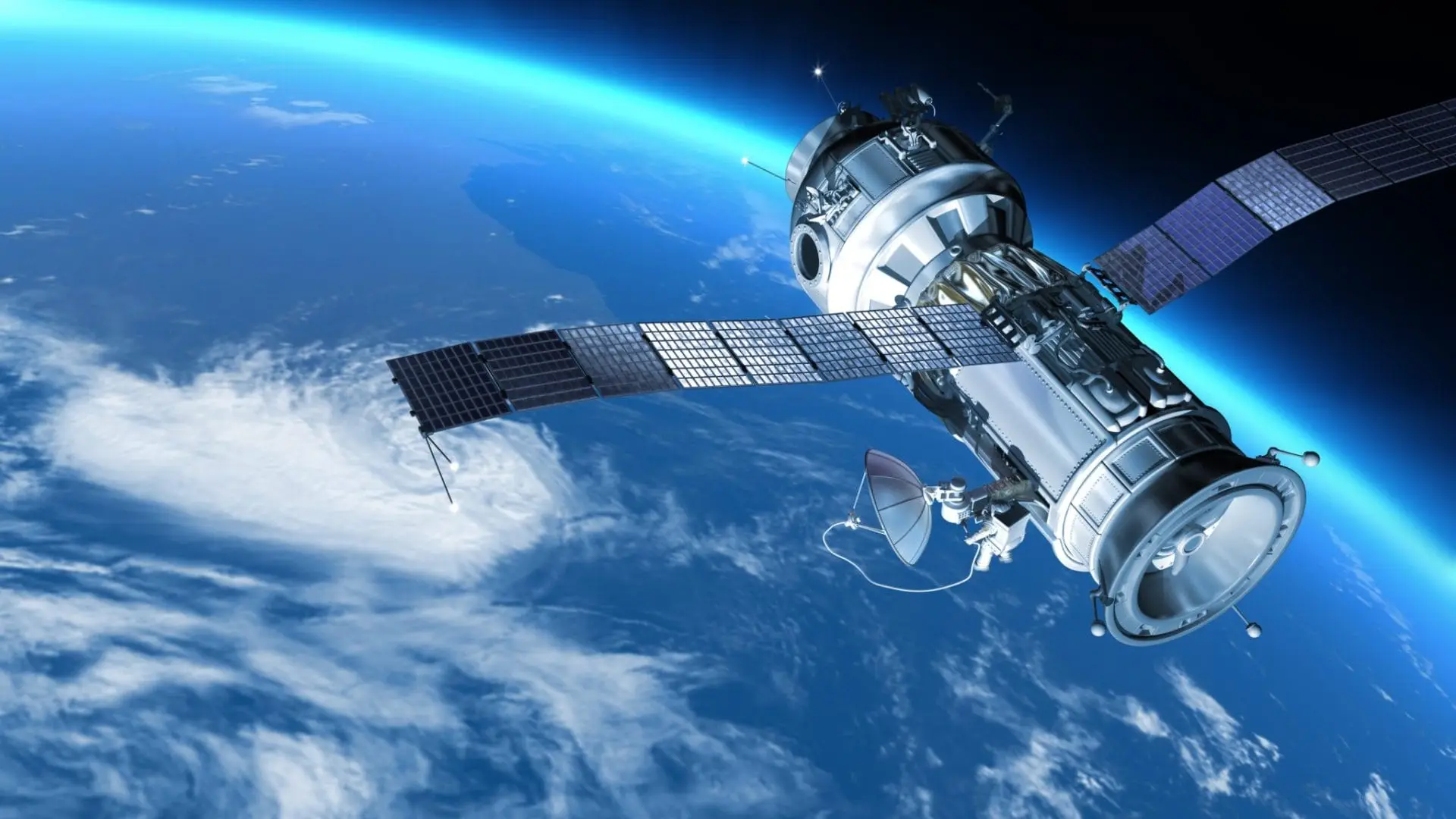
Every time you use navigation on your phone, check the weather, transfer money across borders, or stream content globally, you are interacting—indirectly—with space-based infrastructure.
The most profound impact of space exploration is not what happens beyond Earth, but what it enables on it.
This phenomenon is known as technology spillover: innovations developed for extreme environments find applications in everyday life. And in the case of space, these spillovers have quietly reshaped modern civilization.
I. Satellites: The Invisible Backbone of Modern Society
1.1 Navigation and Positioning
Global navigation systems rely on satellite constellations such as Global Positioning System.
These systems enable:
- Real-time navigation
- Logistics optimization
- Ride-sharing platforms
- Aviation and maritime safety
Without satellite positioning, entire industries would struggle to function.
1.2 Communication Networks
Satellites support global communication by:
- Connecting remote regions
- Enabling international broadcasting
- Supporting emergency response systems
In many parts of the world, satellite connectivity is the only viable infrastructure.
1.3 Financial Systems
Few people realize that financial systems depend on precise timing signals from satellites. These signals ensure:
- Synchronization of transactions
- Stability of markets
- Accuracy in high-frequency trading
Space technology underpins the global economy in ways that are largely invisible.
II. Earth Observation: Seeing the Planet Clearly
2.1 Monitoring Climate Change
Satellites provide critical data on:
- Temperature trends
- Ice sheet dynamics
- Sea-level rise
This data informs climate models and policy decisions.
2.2 Agriculture and Food Security
Farmers and agribusinesses use satellite data to:
- Monitor crop health
- Optimize irrigation
- Predict yields
This leads to more efficient and sustainable food production.
2.3 Disaster Management
In the event of natural disasters, satellites enable:
- Rapid damage assessment
- Coordination of relief efforts
- Early warning systems
They are essential tools for saving lives.
III. Materials Science: Innovation Under Extreme Conditions
3.1 Designing for Space
Space demands materials that are:
- Lightweight
- Durable
- Resistant to extreme temperatures
3.2 Applications on Earth
These materials are now used in:
- Aerospace engineering
- Automotive design
- Consumer electronics
3.3 Everyday Products
Some technologies originally developed for space have found their way into daily life, including:
- Advanced insulation materials
- Memory foam
- High-performance coatings
Innovation in extreme environments drives improvements everywhere.
IV. Medical and Health Innovations
4.1 Monitoring Human Health
Technologies developed to monitor astronauts have been adapted for:
- Remote patient monitoring
- Wearable health devices
- Telemedicine
4.2 Imaging and Diagnostics
Space research has contributed to advancements in:
- Imaging technologies
- Portable diagnostic tools
- Data analysis methods
4.3 Understanding the Human Body
Studies conducted in microgravity environments—such as those aboard the International Space Station—have improved our understanding of:
- Bone density loss
- Muscle atrophy
- Aging processes
These insights have direct applications in healthcare.
V. Water and Resource Management
5.1 Closed-Loop Systems
Space missions require highly efficient systems for:
- Recycling water
- Managing waste
- Conserving resources
5.2 Applications on Earth
These systems are now used in:
- Water purification technologies
- Disaster relief operations
- Sustainable urban design
5.3 Addressing Global Challenges
With growing concerns about water scarcity, these innovations are increasingly important.
VI. Energy Innovation
6.1 Solar Technology
Space exploration has driven advancements in solar energy, including:
- Higher efficiency panels
- Lightweight designs
- Improved durability
6.2 Power Systems
Reliable energy systems developed for spacecraft are now used in:
- Remote installations
- Emergency power supplies
- Off-grid solutions
6.3 Future Possibilities
Concepts such as space-based solar power could one day provide:
- Continuous energy supply
- Reduced reliance on fossil fuels
VII. Robotics and Automation
7.1 Robotics in Space
Robots are essential for:
- Satellite maintenance
- Planetary exploration
- Hazardous operations
7.2 Industrial Applications
Technologies developed for space robotics are now used in:
- Manufacturing
- Logistics
- Healthcare
7.3 Autonomous Systems
Advances in autonomy are enabling:
- Self-driving vehicles
- Smart infrastructure
- Intelligent machines
VIII. Digital Transformation and Data Science
8.1 Big Data from Space
Satellites generate massive amounts of data, driving advancements in:
- Data processing
- Machine learning
- Predictive analytics
8.2 Cloud Integration
Space data is increasingly integrated with cloud platforms, enabling:
- Real-time insights
- Global accessibility
- Scalable solutions
8.3 New Business Opportunities
Companies are building entire business models around space-derived data.
IX. Economic and Social Impact
9.1 Industry Creation
Space technologies have given rise to entire industries, including:
- Satellite communications
- Navigation services
- Earth observation analytics
9.2 Job Creation
The space sector supports:
- Engineers
- Scientists
- Data analysts
- Entrepreneurs
9.3 Bridging the Digital Divide
Satellite connectivity helps bring:
- Internet access
- Educational resources
- Economic opportunities
to underserved regions.
X. The Future of Space Spillovers
10.1 Accelerating Innovation Cycles
As space technology advances, spillover effects will become:
- Faster
- More widespread
- More impactful
10.2 Integration Across Sectors
Future innovations will integrate:
- Space data
- AI systems
- IoT networks
10.3 A Feedback Loop
Space exploration and Earth-based innovation form a continuous cycle:
- Space drives new technologies
- Earth applications generate demand
- Demand fuels further exploration
Conclusion: The Hidden Engine of Progress
The true value of space exploration is not confined to rockets or distant planets. It lies in the technologies, systems, and ideas that flow back to Earth.
Space is a catalyst.
It pushes the limits of what is possible, and in doing so, it creates tools that transform everyday life. From communication and navigation to healthcare and sustainability, the influence of space is everywhere—often unseen, but deeply embedded.
As investment and innovation in space continue to grow, so too will its impact on Earth.
The future of space exploration is not just about reaching farther.
It is about improving life here.












Discussion about this post