






















Introduction: Leaving Earth Means Leaving Evolution Behind
Human beings are the product of billions of years of evolution under very specific conditions: Earth’s gravity, atmosphere, magnetic field, and biosphere. Every system in our bodies—from our bones and muscles to our immune responses and circadian rhythms—has been shaped by this environment.
When we leave Earth, we are not simply traveling to a new location. We are stepping outside the conditions that made us what we are.
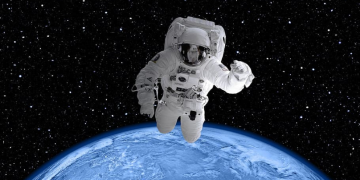
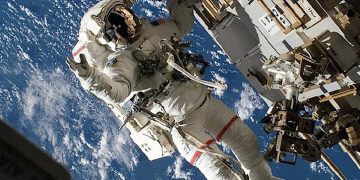
Space is not just empty—it is actively hostile. Microgravity weakens the body, radiation damages DNA, isolation affects the mind, and the absence of natural ecosystems challenges our ability to sustain life.
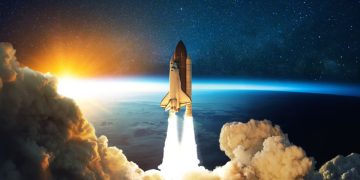
If humanity is to become a spacefaring species, we must answer a fundamental question: Can humans truly live beyond Earth—not just survive for months, but thrive for generations?
This article explores the biological, technological, and architectural challenges of living in space, and the innovations that may allow us to overcome them.
1. The Human Body in Space: A System Under Stress
1.1 Microgravity and Its Effects
On Earth, gravity constantly acts on our bodies. In space, this force is effectively removed, leading to profound physiological changes.
Bone Density Loss
Without gravitational stress, bones begin to lose minerals, becoming weaker over time. Astronauts can lose up to 1–2% of bone mass per month.
Muscle Atrophy
Muscles, particularly those used for posture and movement, weaken significantly in microgravity.
Fluid Redistribution
Fluids shift toward the upper body, causing facial puffiness and increased pressure in the skull.
1.2 Cardiovascular and Neurological Changes
The heart becomes less efficient because it no longer needs to pump blood against gravity. Over time, this can lead to reduced cardiovascular fitness.
Neurologically, astronauts experience changes in balance and spatial orientation. The brain must adapt to a new sensory environment.
1.3 Immune System and Cellular Effects
Microgravity and radiation can weaken the immune system, making astronauts more susceptible to illness.
At the cellular level, DNA damage from radiation increases the risk of cancer and other diseases.
2. Space Radiation: The Invisible Threat
2.1 Sources of Radiation
Outside Earth’s protective magnetic field, humans are exposed to:
- Galactic cosmic rays
- Solar particle events
- High-energy radiation
2.2 Biological Impact
Radiation can:
- Damage DNA
- Increase cancer risk
- Affect the central nervous system
2.3 Shielding Strategies
Potential solutions include:
- Thick physical shielding
- Water or hydrogen-based barriers
- Magnetic or plasma shielding (experimental)
3. Artificial Gravity: Recreating Earth in Space
3.1 Why Gravity Matters
Many of the health problems in space are caused by the absence of gravity. Reintroducing gravity could mitigate these effects.
3.2 Rotational Habitats
Artificial gravity can be generated by rotating a spacecraft or habitat. The centrifugal force simulates gravitational pull.
3.3 Engineering Challenges
- Structural integrity of large rotating systems
- Coriolis effects on human movement
- Energy requirements
Despite these challenges, rotating habitats are considered one of the most viable long-term solutions.
4. Closed-Loop Life Support Systems
4.1 The Need for Self-Sufficiency
Resupplying missions from Earth is impractical for long-term space habitation. Systems must recycle resources efficiently.
4.2 Air, Water, and Waste Recycling
Advanced systems can:
- Convert carbon dioxide into oxygen
- Purify and reuse water
- Process waste into usable materials
4.3 Bioregenerative Systems
Future habitats may incorporate plants and microorganisms to create sustainable ecosystems.
Plants provide:
- Oxygen
- Food
- Psychological benefits
5. Food Production in Space
5.1 Challenges of Space Agriculture
Growing food in space involves:
- Limited space
- Microgravity effects on plant growth
- Resource constraints
5.2 Hydroponics and Aeroponics
Soilless farming techniques are being developed to grow crops efficiently in controlled environments.
5.3 Synthetic and Lab-Grown Food
Lab-grown meat and synthetic foods may play a significant role in future space diets.
6. Space Habitats: Designing Homes Beyond Earth
6.1 Orbital Stations
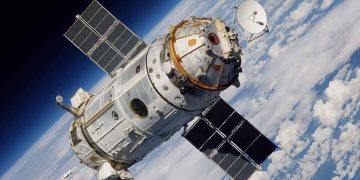
Next-generation space stations will be larger, more modular, and potentially commercial.
6.2 Lunar and Martian Bases
Habitats on the Moon and Mars must address:
- Extreme temperatures
- Radiation exposure
- Limited resources
6.3 Underground and Shielded Structures
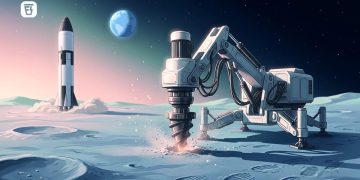
Building habitats underground or using local materials (regolith) can provide natural protection.
7. Psychological and Social Challenges
7.1 Isolation and Confinement
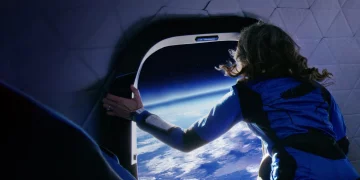
Living in space involves long periods of isolation, limited social interaction, and confined environments.
7.2 Mental Health Strategies
Approaches include:
- Virtual reality environments
- Structured routines
- Strong communication systems
7.3 Building Space Communities
Long-term habitation requires more than survival—it requires culture, relationships, and social structures.
8. Reproduction and Generational Living
8.1 Can Humans Reproduce in Space?
This question remains largely unanswered. Microgravity and radiation may affect reproduction and development.
8.2 Developmental Biology in Space
Studies are ongoing to understand how embryos and organisms develop in space environments.
8.3 Ethical Considerations
The idea of raising children in space raises complex ethical questions about consent, safety, and quality of life.
9. Terraforming vs Adaptation
9.1 Changing Planets
Terraforming involves altering a planet’s environment to make it more Earth-like.
This could include:
- Thickening the atmosphere
- Increasing temperature
- Introducing life
9.2 Changing Humans
An alternative approach is to adapt humans through:
- Genetic engineering
- Cybernetic enhancements
9.3 A Hybrid Future
The most likely scenario may involve a combination of both approaches.
Conclusion: Redefining What It Means to Be Human
Living in space is not just an engineering challenge—it is a biological and philosophical one. It forces us to reconsider what it means to be human when removed from the environment that shaped us.
Will we remain the same species, or will we evolve—biologically or technologically—into something new?
The answer will define the future of humanity.
Space is no longer just a destination. It is becoming a place where life may take root, adapt, and grow in ways we are only beginning to imagine.









Discussion about this post