

































Introduction: Cities at a Crossroads
Cities have always been engines of human progress. From ancient trade hubs to modern megacities, urban environments concentrate innovation, culture, and economic activity. Yet today, cities face an unprecedented challenge: how to sustain growth without exhausting the planet’s resources.
Urban areas occupy less than 3% of the Earth’s land surface, yet they account for over 70% of global carbon emissions and consume the majority of the world’s energy. Rapid urbanization—especially across Asia and Africa—means that millions more people are moving into cities each year, placing increasing strain on infrastructure, housing, transportation, and ecosystems.
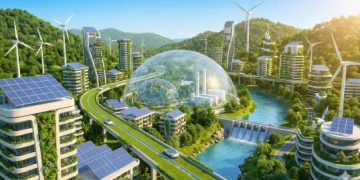
This is where the concept of smart cities intersects with the urgency of the green revolution. Together, they represent a transformative vision: cities that are not only technologically advanced, but also environmentally sustainable, resilient, and human-centered.
Smart cities are no longer just about connectivity or convenience—they are about survival, efficiency, and redefining urban life for the 21st century.
Section 1: What Is a Smart City in the Green Era?
1.1 Beyond Connectivity
Early visions of smart cities focused heavily on digital infrastructure:
- High-speed internet
- Sensor networks
- Data analytics platforms
While these elements remain essential, the definition has evolved. A modern smart city integrates:
- Environmental sustainability
- Energy efficiency
- Citizen well-being
- Climate resilience
In other words, a smart city is not just connected—it is conscious.
1.2 The Green Layer of Urban Intelligence
The “green” dimension transforms smart cities into systems that actively reduce environmental impact. This includes:
- Smart energy grids that optimize electricity usage
- Intelligent transportation systems that reduce emissions
- Waste management systems powered by real-time data
- Water conservation technologies
These systems rely on continuous data flows, enabling cities to respond dynamically rather than react passively.
Section 2: Smart Energy Systems — Powering Sustainable Cities
2.1 The Shift from Centralized to Distributed Energy
Traditional energy systems are centralized:
- Large power plants
- One-way energy distribution
- Limited adaptability
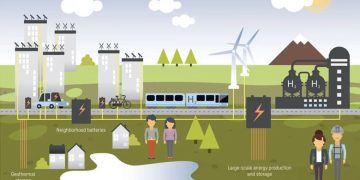
Smart cities are transitioning toward distributed energy systems, which include:
- Rooftop solar panels
- Local microgrids
- Community energy storage
This decentralization increases resilience and reduces transmission losses.
2.2 Smart Grids and Real-Time Optimization
Smart grids are the backbone of green urban energy systems. They:
- Monitor energy usage in real time
- Balance supply and demand dynamically
- Integrate renewable sources efficiently
For example, during peak sunlight hours, excess solar energy can be stored or redirected, minimizing waste.
2.3 AI and Predictive Energy Management
Artificial intelligence enhances energy systems by:
- Predicting consumption patterns
- Optimizing energy distribution
- Detecting inefficiencies
This results in lower costs, reduced emissions, and improved reliability.
Section 3: Transportation — Rethinking Mobility
3.1 The Problem with Traditional Urban Transport
Transportation is one of the largest contributors to urban emissions. Problems include:
- Traffic congestion
- Fossil fuel dependency
- Inefficient public transit systems
These issues not only harm the environment but also reduce quality of life.
3.2 Intelligent Transportation Systems (ITS)
Smart cities deploy ITS to improve mobility:
- Real-time traffic monitoring
- Adaptive traffic signals
- Integrated public transport apps
These systems reduce congestion and optimize travel routes.
3.3 Electrification and Shared Mobility
Green urban mobility is driven by:
- Electric vehicles (EVs)
- Bike-sharing systems
- Ride-sharing platforms
Combined with smart infrastructure, these solutions significantly reduce emissions.
3.4 Autonomous Vehicles and Urban Efficiency
Self-driving vehicles have the potential to:
- Reduce accidents
- Optimize traffic flow
- Lower energy consumption
When integrated into smart systems, they can transform urban mobility entirely.
Section 4: Smart Buildings and Sustainable Architecture
4.1 Buildings as Energy Ecosystems
Buildings are responsible for a large portion of urban energy consumption. Smart buildings:
- Use sensors to monitor energy usage
- Adjust lighting and temperature automatically
- Integrate renewable energy sources
4.2 Green Architecture Principles
Sustainable architecture focuses on:
- Energy efficiency
- Natural lighting and ventilation
- Eco-friendly materials
Smart technologies enhance these principles through automation and data analysis.
4.3 Retrofitting Existing Infrastructure
Not all cities can build from scratch. Retrofitting involves:
- Upgrading old buildings with smart systems
- Improving insulation and energy efficiency
- Integrating digital monitoring tools
This approach is crucial for older urban areas.
Section 5: Waste and Resource Management
5.1 The Challenge of Urban Waste
Cities generate enormous amounts of waste daily. Traditional systems are:
- Inefficient
- Resource-intensive
- Environmentally harmful
5.2 Smart Waste Solutions
Innovations include:
- Sensor-equipped bins that signal when full
- Optimized collection routes
- Automated sorting systems
These reduce operational costs and environmental impact.
5.3 Circular Economy in Cities
Smart cities are embracing the circular economy model:
- Recycling and reuse
- Waste-to-energy systems
- Sustainable production cycles
This minimizes waste and maximizes resource efficiency.
Section 6: Water Management and Urban Resilience
6.1 Water Scarcity and Urban Growth
As cities expand, water demand increases. Challenges include:
- Leakage in infrastructure
- Inefficient usage
- Climate-related shortages
6.2 Smart Water Systems
Technologies include:
- Leak detection sensors
- Smart meters
- AI-driven water distribution
These systems improve efficiency and reduce waste.
6.3 Climate Resilience
Smart cities prepare for climate risks through:
- Flood monitoring systems
- Early warning technologies
- Adaptive infrastructure
Resilience is a key component of sustainability.
Section 7: Data — The Brain of the Smart City
7.1 The Role of Big Data
Data enables:
- Real-time decision-making
- Predictive analytics
- System optimization
7.2 Privacy and Ethical Concerns
However, data collection raises issues:
- Surveillance risks
- Data security
- Ethical governance
Balancing innovation with privacy is essential.
Section 8: Human-Centered Design
8.1 Technology for People
A smart city must prioritize:
- Accessibility
- Inclusivity
- Quality of life
8.2 Citizen Participation
Engaging citizens through:
- Digital platforms
- Feedback systems
- Participatory governance
ensures that technology serves real needs.
Section 9: Challenges in Building Smart Green Cities
9.1 High Costs
Infrastructure development requires significant investment.
9.2 Integration Complexity
Coordinating multiple systems is technically challenging.
9.3 Inequality Risks
Smart cities must avoid widening the gap between:
- Tech-enabled populations
- Underserved communities
Section 10: The Future of Urban Living
10.1 Toward Autonomous Urban Systems
Future cities may operate with:
- Fully automated infrastructure
- Self-regulating energy systems
- AI-driven governance tools
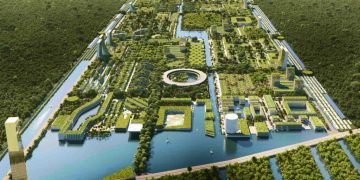
10.2 Nature and Technology Integration
Green cities will blend:
- Urban forests
- Vertical gardens
- Biodiversity corridors
with digital systems.
Conclusion: Designing Cities That Sustain Life
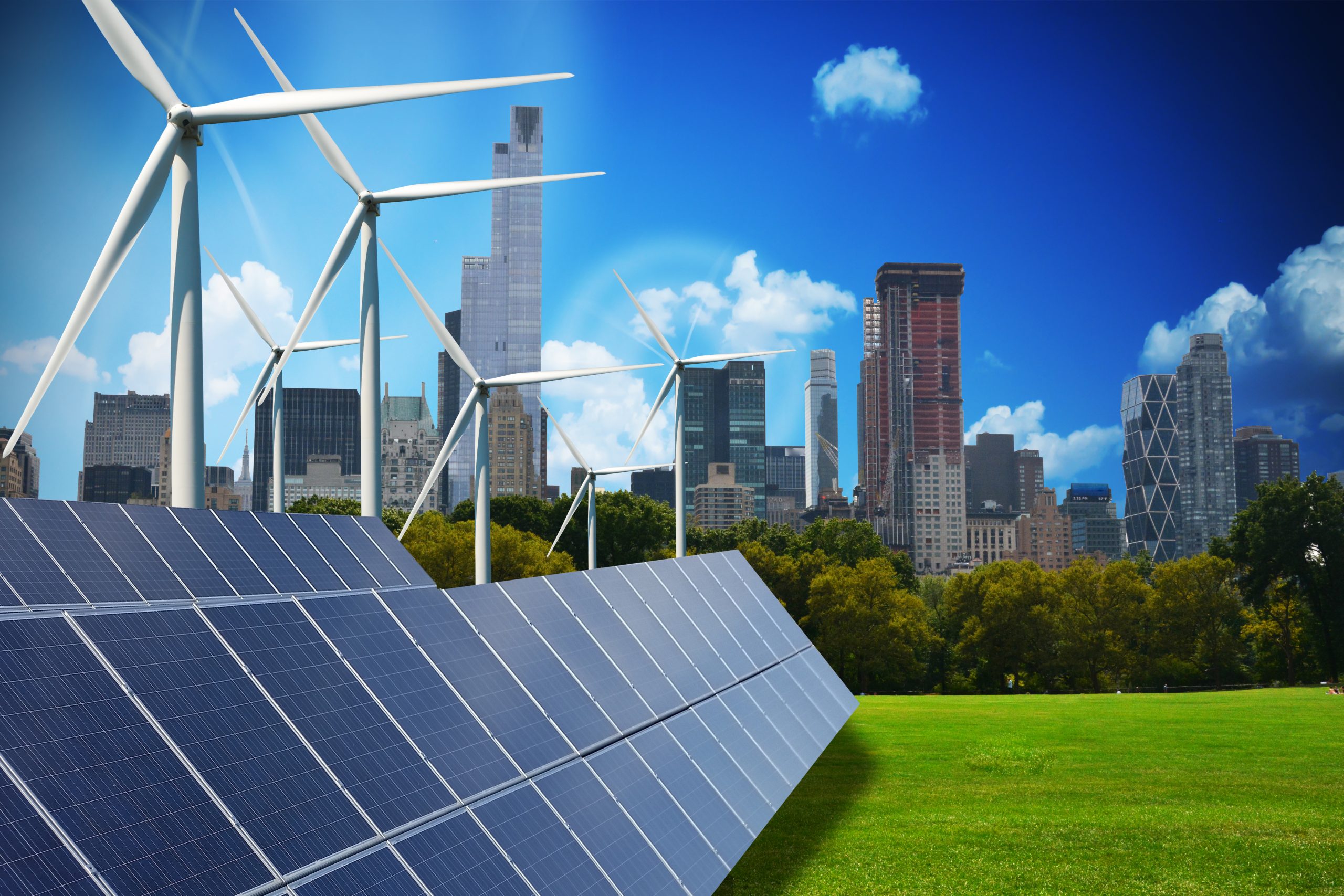
The convergence of smart technology and green innovation is not just a trend—it is a necessity. As urban populations continue to grow, the choices made today will determine the livability of cities for generations to come.
Smart cities, when designed with sustainability at their core, have the potential to:
- Reduce environmental impact
- Improve quality of life
- Create resilient communities
The future of urban living is not just smarter—it is greener, more adaptive, and deeply human.













Discussion about this post