



























Introduction: The Illusion of Constant Advancement
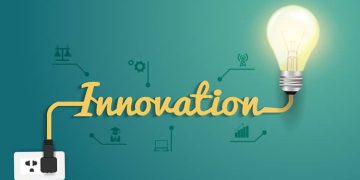
We live in an age that equates innovation with progress.
Every year, new technologies emerge—faster processors, smarter algorithms, more connected devices. Headlines celebrate breakthroughs, startups promise disruption, and industries race to adopt the next big thing. On the surface, it appears that humanity is moving forward at an unprecedented pace.
But beneath this narrative lies a more complicated reality.
Despite rapid technological advancement, many of the world’s most pressing problems—climate change, inequality, mental health crises—remain unresolved or, in some cases, have intensified. Productivity growth in many developed economies has slowed. Workers feel busier but not necessarily more effective. People are more connected than ever, yet often feel more isolated.
This contradiction raises an uncomfortable question:
What if more innovation does not always lead to more progress?
This is the essence of the innovation paradox—the idea that technological advancement can sometimes create new problems, reinforce inefficiencies, or fail to deliver meaningful improvements in human well-being.
This article explores the roots of this paradox, examining how innovation is defined, measured, and pursued—and why rethinking these assumptions may be essential for building a more meaningful future.
Section 1: Defining Innovation — More Than Just Newness
1.1 The Traditional View of Innovation
Innovation is often defined as:
- The creation of new products or services
- The application of new technologies
- The disruption of existing systems
This definition prioritizes novelty and market impact.
1.2 The Problem with Novelty-Driven Thinking
Not all new ideas are beneficial. In fact:
- Some innovations solve trivial problems
- Others create dependencies or inefficiencies
- Many prioritize engagement over value
This leads to a proliferation of innovations that are technically impressive but socially shallow.
1.3 Redefining Progress
True progress should consider:
- Human well-being
- Environmental sustainability
- Long-term societal impact
Innovation, therefore, must be evaluated not just by what it creates—but by what it improves.
Section 2: The Productivity Paradox
2.1 More Tools, Less Efficiency?
Despite advanced tools, many workers experience:
- Increased workload
- Constant interruptions
- Reduced focus
Digital tools designed to enhance productivity can sometimes fragment attention instead.
2.2 The Complexity Trap
As systems become more sophisticated:
- They require more maintenance
- They introduce new layers of complexity
- They demand constant adaptation
This can offset the benefits they were meant to provide.
2.3 Measuring the Wrong Metrics
Organizations often measure:
- Output
- Speed
- Engagement
But overlook:
- Quality
- Impact
- Sustainability
Section 3: Innovation Without Direction
3.1 The Culture of “Disruption”
Modern innovation culture emphasizes:
- Breaking existing systems
- Rapid iteration
- Market dominance
However, disruption is not inherently positive.
3.2 Solving the Wrong Problems
Many innovations focus on:
- Convenience
- Entertainment
- Incremental improvements
While neglecting:
- Structural challenges
- Long-term issues
3.3 The Attention Economy
A significant portion of innovation is directed toward:
- Capturing user attention
- Maximizing engagement
- Driving consumption
This can conflict with well-being.
Section 4: The Hidden Costs of Innovation
4.1 Environmental Impact
Technological growth increases:
- Energy consumption
- Resource extraction
- Electronic waste
4.2 Social Consequences
Innovation can lead to:
- Job displacement
- Inequality
- Digital divides

4.3 Psychological Effects
Constant innovation creates:
- Information overload
- Anxiety
- Reduced attention spans
Section 5: When Innovation Truly Drives Progress
5.1 Purpose-Driven Innovation
The most impactful innovations:
- Address real needs
- Solve meaningful problems
- Improve quality of life
5.2 Systems Thinking
Effective innovation considers:
- Interconnected systems
- Long-term consequences
- Broader context
5.3 Human-Centered Design
Designing with people in mind ensures:
- Usability
- Accessibility
- Relevance
Section 6: Rethinking Innovation Strategy
6.1 From Speed to Depth
Instead of rapid iteration, focus on:
- Thoughtful development
- Long-term value
- Sustainable solutions
6.2 From Disruption to Improvement
Not all systems need to be replaced—some need to be refined.
6.3 From Growth to Impact
Success should be measured by:
- Positive change
- Societal benefit
- Environmental responsibility
Section 7: The Role of Institutions and Policy
7.1 Encouraging Responsible Innovation
Governments and organizations can:
- Set ethical guidelines
- Fund meaningful research
- Regulate harmful practices
7.2 Balancing Innovation and Stability
Too much disruption can destabilize systems. Balance is key.
Section 8: The Future of Innovation
8.1 A Shift in Mindset
Future innovation may prioritize:
- Sustainability
- Well-being
- Resilience
8.2 Integrating Ethics and Technology
Ethical considerations will become central to innovation processes.
Conclusion: Progress Is a Choice
Innovation is a powerful tool—but it is not inherently good or bad. Its impact depends on how it is directed, measured, and integrated into society.
The innovation paradox reminds us that progress is not automatic. It requires:
- Intentionality
- Responsibility
- Reflection
In a world obsessed with what is new, perhaps the most important question is not:
“What can we build next?”
But rather:
“What should we build—and why?”













Discussion about this post