































Introduction: Expansion Without Reflection Is Dangerous
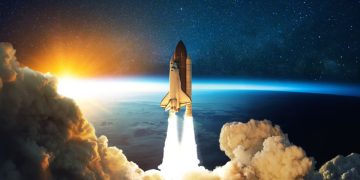
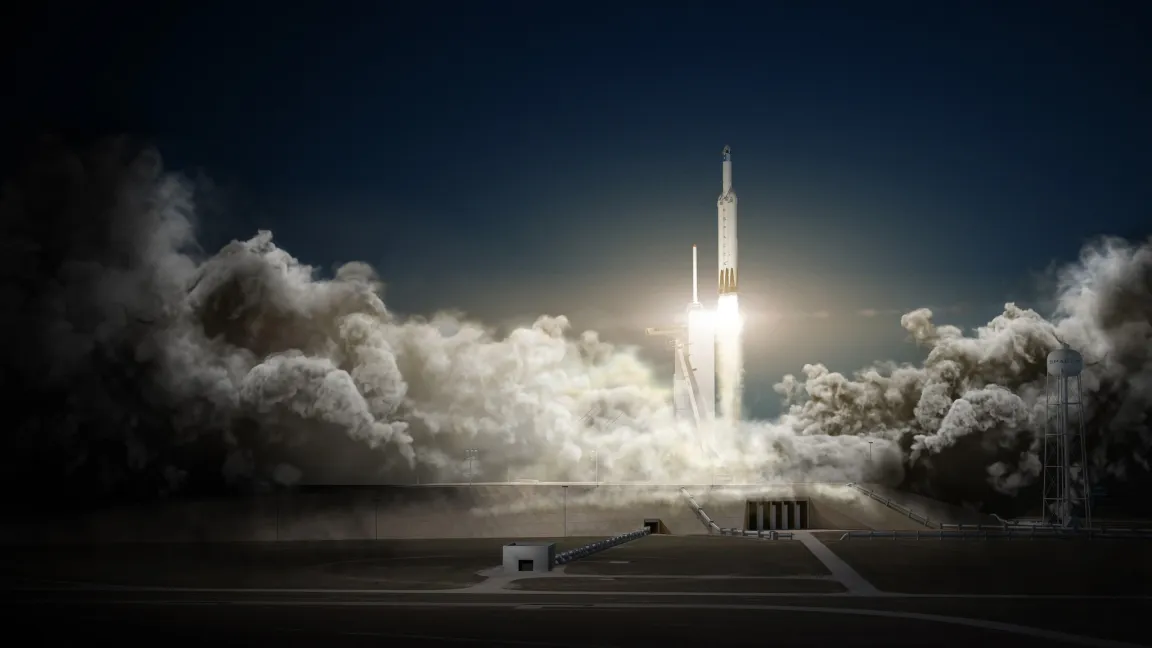
Humanity stands on the threshold of becoming an interplanetary species. With rapid advancements in space technology, the idea of colonizing the Moon, Mars, and beyond is no longer science fiction—it is a developing reality.
But as we prepare to extend our presence into the cosmos, a critical question arises:
Should we?
Throughout history, human expansion has often been accompanied by exploitation, inequality, and environmental destruction. From the colonization of continents to the industrial transformation of Earth, progress has come at a cost.
Now, as we look outward to space, we must confront a profound ethical dilemma: Will space exploration repeat the mistakes of our past, or can it become a new model for responsible expansion?
This article explores the philosophical and ethical dimensions of space exploration, addressing questions of ownership, responsibility, identity, and the future of humanity.
1. The Legacy of Exploration: Lessons from Earth
1.1 Exploration vs Colonization
Exploration is often framed as a noble pursuit—driven by curiosity, discovery, and the desire to expand knowledge. However, history shows that exploration frequently leads to colonization.
Colonization, in turn, has been associated with:
- Resource extraction
- Cultural displacement
- Inequality and conflict
The distinction between exploration and colonization is not merely semantic—it has moral implications.
1.2 Historical Parallels
When European powers expanded across the globe, they often justified their actions through narratives of progress and civilization. These narratives masked the realities of exploitation and domination.
As we plan missions to other planets, similar narratives are emerging:
- “Making humanity multi-planetary”
- “Ensuring the survival of our species”
- “Unlocking new resources”
These goals may be valid, but they must be critically examined.
2. Who Owns Space? The Question of Sovereignty
2.1 The Principle of Non-Ownership
International agreements have established that no nation can claim sovereignty over celestial bodies. Space is considered a shared domain for all humanity.
This principle reflects an idealistic vision of cooperation and equality.
2.2 The Reality of Commercial Expansion
Despite these principles, private companies and nations are actively planning resource extraction and settlement.
This raises key questions:
- Can a company own resources mined from an asteroid?
- Who regulates activities on the Moon or Mars?
- How are disputes resolved?
2.3 The Risk of Inequality
If access to space is limited to wealthy nations and corporations, the benefits may be unevenly distributed.
This could create a new form of inequality—one that extends beyond Earth.
3. Environmental Ethics Beyond Earth
3.1 Protecting Pristine Worlds
Planets, moons, and asteroids represent untouched environments. Some may even harbor forms of life.
Do we have the right to alter these environments?
3.2 Planetary Protection
Scientists advocate for strict protocols to prevent contamination—both forward (Earth to space) and backward (space to Earth).
These measures aim to preserve scientific integrity and protect potential ecosystems.
3.3 Terraforming: Creation or Destruction?
Terraforming raises one of the most controversial questions in space ethics.
Is it ethical to transform an entire planet to suit human needs?
Arguments in favor:
- Enables long-term human survival
- Expands the domain of life
Arguments against:
- Destroys existing environments
- Reflects anthropocentric thinking
4. The Ethics of Survival: A Justification for Expansion?
4.1 The “Backup Plan” Argument
One of the strongest arguments for space colonization is survival. Earth is vulnerable to:
- Asteroid impacts
- Climate change
- Nuclear conflict
Establishing off-world colonies could ensure the survival of humanity.
4.2 Critiques of the Survival Argument
Critics argue that:
- Resources spent on space could address problems on Earth
- Colonization does not solve underlying issues
- It may create an “escape mentality”
4.3 Responsibility vs Escape
The ethical challenge is balancing long-term survival with immediate responsibility.
Expanding into space should not come at the expense of caring for Earth.
5. Human Identity in a Multi-Planetary Future
5.1 What Does It Mean to Be Human?
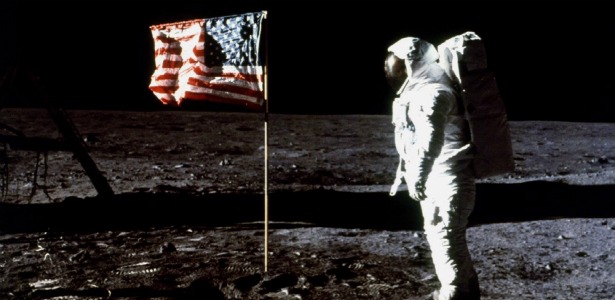
If humans begin to live on different planets, separated by vast distances, our sense of identity may change.
Will Martian settlers see themselves as Earthlings—or something new?
5.2 Divergence and Evolution
Over time, physical and cultural differences may emerge:
- Adaptation to different gravities
- Unique social systems
- Distinct cultural identities
5.3 Unity vs Fragmentation
Space expansion could either unite humanity under a shared purpose or fragment it into separate civilizations.
6. The Rights of Future Generations
6.1 Ethical Obligations to the Future
Decisions made today will affect generations who have no voice in current debates.
Do we have the right to commit future generations to life in space environments?
6.2 Generational Ships and Consent
In scenarios involving long-duration missions, individuals may be born into space without ever choosing it.
This raises questions about autonomy and consent.
7. The Possibility of Extraterrestrial Life
7.1 Microbial Life
Even the discovery of simple microbial life would have profound ethical implications.
Should such life be protected?
7.2 Intelligent Life
The discovery of intelligent extraterrestrial beings would fundamentally alter our ethical framework.
Issues would include:
- Communication
- Coexistence
- Rights and recognition
7.3 A New Moral Universe
Encountering alien life would force humanity to expand its moral considerations beyond Earth-based systems.
8. Governance of Space: Toward a Shared Future
8.1 The Need for Global Frameworks
Effective governance is essential to ensure that space remains accessible and sustainable.
8.2 Balancing Innovation and Regulation
Too much regulation may hinder progress, while too little may lead to exploitation.
8.3 A Cooperative Vision
The ideal future involves cooperation, transparency, and shared benefits.
9. A New Philosophy of Exploration
9.1 Beyond Expansion
Space exploration should not be driven solely by expansion, but by:
- Curiosity
- Responsibility
- Sustainability
9.2 Humility in the Cosmos
The vastness of the universe reminds us of our smallness. This perspective can inspire humility and caution.
9.3 Redefining Progress
True progress may lie not in how far we go, but in how wisely we act.
Conclusion: The Future Is a Choice, Not a Destiny
Space exploration is often framed as inevitable—as the next step in human evolution. But it is not destiny. It is a choice.
We can choose to:
- Repeat the patterns of history
- Or create a new model for expansion
The question is not just whether we will reach the stars, but what kind of civilization we will be when we get there.
Will we carry with us the same systems of inequality and exploitation? Or will we rise to the challenge of building something better?
In the end, space exploration is not just about discovering new worlds.
It is about discovering who we are—and who we want to become.













Discussion about this post