






















Introduction: The Urban Century and the Sustainability Challenge
Human civilization is experiencing one of the greatest urban transformations in history. Cities have become the economic, technological, cultural, and political centers of modern societies. More than half of the global population now lives in urban environments, and that percentage continues to rise every year. By the middle of the twenty-first century, billions more people are expected to move into metropolitan regions, creating unprecedented pressure on infrastructure, housing, transportation, water systems, and energy supplies.
Urbanization has fueled economic growth and technological advancement, yet it has also intensified environmental challenges. Cities consume massive amounts of energy, produce significant carbon emissions, generate enormous waste, and contribute heavily to air and water pollution. Climate change, resource depletion, and population growth are forcing governments and businesses to rethink how urban systems operate.
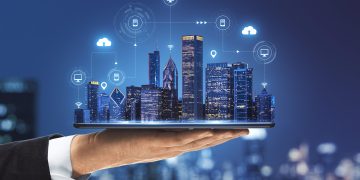
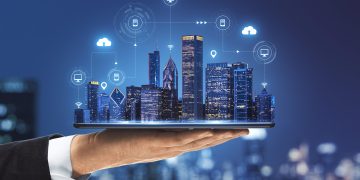
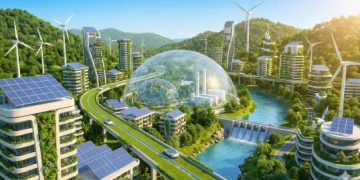
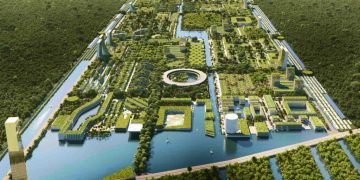
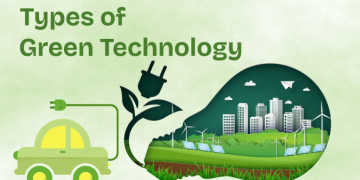
This is where green innovation and smart city development have emerged as critical forces shaping the future. Green innovation refers to technologies, systems, policies, and business models designed to reduce environmental impact while improving efficiency and quality of life. Smart cities integrate digital technologies such as artificial intelligence, the Internet of Things, big data analytics, renewable energy systems, and intelligent infrastructure to create more sustainable and resilient urban environments.
The idea of the smart city is not simply about adding more technology to urban spaces. It is about redesigning how cities function so they become cleaner, safer, healthier, more connected, and more efficient. Green innovation and smart city strategies aim to reduce emissions, improve mobility, optimize energy use, conserve resources, and create better living conditions for residents.
Around the world, governments, engineers, researchers, urban planners, and entrepreneurs are experimenting with new approaches to sustainable urban development. Some cities are investing heavily in renewable energy and electric transportation. Others are developing intelligent water management systems, carbon-neutral architecture, vertical farming, autonomous mobility networks, and circular economy initiatives.
The transition toward smart sustainable cities represents one of the most important innovation movements of the twenty-first century. This article explores how green innovation is transforming urban environments, the technologies driving smart city development, the social and economic implications of urban sustainability, and the challenges that cities must overcome to build resilient futures.
The Evolution of Urban Innovation
Cities have always been centers of innovation. Ancient civilizations developed roads, sewage systems, marketplaces, and governance structures that enabled large populations to live together efficiently. During the Industrial Revolution, cities became engines of manufacturing and economic growth.
However, industrial urbanization also introduced severe environmental problems. Coal-powered factories polluted the air, overcrowded housing created public health crises, and rapid expansion strained infrastructure.
Twentieth-century urban planning attempted to address some of these issues through zoning laws, public transportation systems, and modern architecture. Yet suburban expansion and automobile dependency created new challenges such as traffic congestion, fossil fuel consumption, and land degradation.
The emergence of digital technologies in the late twentieth and early twenty-first centuries transformed urban management. Sensors, data analytics, cloud computing, and wireless communication enabled cities to monitor systems in real time.
At the same time, growing awareness of climate change accelerated interest in sustainability. Governments recognized that cities would play a decisive role in reducing global emissions and improving environmental resilience.
The modern smart city concept therefore combines two major objectives:
- Increasing urban efficiency through digital innovation.
- Promoting environmental sustainability through green technologies.
Today, urban innovation increasingly focuses on integrating these goals into interconnected systems.
Renewable Energy and Smart Power Grids
Energy systems are central to sustainable urban development.
Traditional cities depend heavily on centralized fossil fuel infrastructure. Coal, oil, and natural gas power transportation networks, residential buildings, industrial facilities, and commercial operations. These systems contribute significantly to greenhouse gas emissions.
Green innovation aims to replace carbon-intensive energy sources with renewable alternatives.
Solar and Wind Integration
Many smart cities are expanding solar panel installations on rooftops, public buildings, and transportation infrastructure. Advances in photovoltaic technology have reduced costs while improving efficiency.
Urban wind energy systems are also evolving. Smaller turbines designed for dense urban environments can supplement renewable electricity generation.
Some cities now require new buildings to include renewable energy features as part of sustainability regulations.
Smart Grids
Smart grids represent one of the most important innovations in urban energy management.
Unlike traditional electrical grids, smart grids use sensors, digital communication systems, and AI analytics to balance energy supply and demand dynamically.
These systems can:
- Detect outages quickly
- Optimize electricity distribution
- Integrate renewable energy sources
- Reduce energy waste
- Improve grid reliability
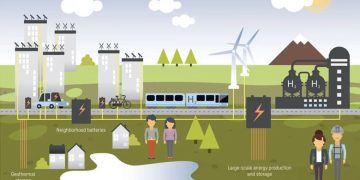
- Enable decentralized energy production
Households equipped with smart meters can monitor energy consumption in real time and reduce unnecessary usage.
Battery storage technologies further improve renewable energy reliability by storing excess electricity generated during peak production periods.
Decentralized Energy Systems
Microgrids and community energy networks are becoming increasingly popular.
Instead of relying entirely on centralized utilities, neighborhoods can generate and manage local renewable energy supplies.
This improves resilience during natural disasters or infrastructure failures.
Decentralized energy systems also empower communities to participate directly in sustainability initiatives.
Sustainable Transportation and Mobility Innovation
Transportation is one of the largest contributors to urban pollution and carbon emissions.
Green innovation is fundamentally transforming how people move within cities.
Electric Vehicles and Charging Infrastructure
Electric vehicles are rapidly replacing internal combustion engines in many urban regions.
Governments support EV adoption through subsidies, charging infrastructure expansion, and emissions regulations.
Public transportation fleets increasingly include electric buses, taxis, and municipal vehicles.
As battery technology improves, electric mobility becomes more practical and affordable.
Autonomous Transportation Systems
Self-driving vehicles may significantly reshape urban transportation.
Autonomous systems can optimize traffic flow, reduce accidents caused by human error, and improve fuel efficiency.
Shared autonomous transportation networks could eventually reduce private car ownership, freeing urban space currently used for parking.
However, regulatory, ethical, and cybersecurity challenges remain significant.
Smart Traffic Management
Artificial intelligence and sensor networks enable cities to monitor traffic conditions in real time.
Adaptive traffic lights adjust automatically based on congestion levels.
Navigation systems optimize routes to reduce travel times and emissions.
Some cities use predictive analytics to anticipate traffic patterns during large events or emergencies.
Cycling and Pedestrian Infrastructure
Sustainable urban planning increasingly prioritizes walkability and cycling.
Protected bike lanes, pedestrian zones, and mixed-use neighborhoods encourage healthier and lower-emission transportation.
The “15-minute city” concept proposes that residents should access essential services such as schools, healthcare, shopping, and recreation within a short walk or bicycle ride.
This urban model reduces reliance on automobiles while strengthening community interaction.
Smart Buildings and Sustainable Architecture
Buildings account for a substantial portion of global energy consumption.
Green architecture and intelligent construction technologies are transforming urban design.
Energy-Efficient Buildings
Modern sustainable buildings incorporate:
- High-performance insulation
- Smart lighting systems
- Automated climate control
- Renewable energy integration
- Water recycling systems
- Sustainable construction materials
AI-driven building management systems optimize energy usage based on occupancy patterns and weather conditions.
Green Roofs and Vertical Gardens
Urban green spaces are essential for environmental and psychological well-being.
Green roofs and vertical gardens reduce heat absorption, improve air quality, and support biodiversity.
Plants also help manage stormwater runoff while improving aesthetic quality.
In densely populated cities, vertical greenery can compensate partially for limited ground-level parks.
Carbon-Neutral Construction
The construction industry is exploring low-carbon materials such as engineered timber, recycled concrete, and biodegradable composites.
Some architects design net-zero buildings capable of producing as much energy as they consume.
Future urban development may increasingly emphasize circular construction models in which materials are reused rather than discarded.
Water Innovation and Resource Management
Water scarcity and infrastructure stress represent growing global concerns.
Climate change intensifies droughts, flooding, and water system instability.
Smart cities are therefore investing heavily in intelligent water management.
Smart Water Networks
Sensors embedded within pipelines detect leaks, monitor water quality, and optimize distribution.
AI analytics help utilities predict maintenance needs and reduce water waste.
Smart irrigation systems adjust automatically based on weather conditions and soil moisture levels.
Wastewater Recycling
Advanced treatment technologies allow cities to recycle wastewater for industrial, agricultural, and even potable use.
Water reuse systems reduce pressure on freshwater resources.
Flood Prevention and Climate Resilience
Many urban areas face increasing flood risks due to rising sea levels and extreme weather.
Smart drainage systems, permeable pavements, and predictive flood modeling help cities prepare for climate-related disasters.
Nature-based solutions such as wetlands restoration and urban forests also improve resilience.
Waste Management and the Circular Economy
Traditional urban economies often operate through linear consumption models:
Take → Use → Dispose.
This approach generates enormous waste and resource depletion.
Green innovation promotes circular economy systems where materials are reused, recycled, and regenerated.
Smart Waste Collection
Sensor-equipped waste bins monitor fill levels and optimize collection routes.
This reduces fuel consumption and operational costs.
Recycling Innovation
AI-powered sorting systems improve recycling efficiency by identifying different materials automatically.
Robotics and machine vision technologies reduce contamination in recycling streams.
Industrial Symbiosis
Some smart cities encourage collaboration between industries so that waste from one process becomes input for another.
For example, excess heat from factories can supply nearby residential heating systems.
Circular urban economies reduce environmental impact while creating new economic opportunities.

Data, Artificial Intelligence, and Urban Intelligence
Data is the foundation of smart city systems.
Millions of sensors collect information related to traffic, energy use, weather, pollution, public transportation, and infrastructure performance.
Artificial intelligence processes this data to improve urban management.
Predictive Analytics
Cities use predictive models to anticipate infrastructure failures, optimize emergency response systems, and improve resource allocation.
Predictive maintenance reduces operational costs and improves safety.
Environmental Monitoring
Air quality sensors track pollution levels across neighborhoods.
Authorities can identify high-risk zones and implement targeted interventions.
Real-time environmental data also improves public awareness.
Public Safety Systems
Some smart cities use AI-powered surveillance and emergency response technologies.
While these systems may improve security and disaster management, they also raise important privacy concerns.
Balancing safety with civil liberties remains a major governance challenge.
Economic Opportunities in Green Innovation
The transition toward sustainable urban systems creates enormous economic potential.
Green Jobs and Employment
Renewable energy, sustainable construction, environmental engineering, battery manufacturing, urban farming, and clean transportation industries generate millions of new jobs.
Demand for sustainability specialists and environmental researchers continues to grow globally.
Startup Ecosystems
Smart city innovation encourages entrepreneurship.
Startups develop:
- Mobility platforms
- Climate technologies
- Renewable energy systems
- Urban agriculture solutions
- Smart infrastructure software
- Sustainable consumer products
Venture capital investment in green technology has expanded rapidly.
Competitive Advantage for Cities
Cities that successfully implement sustainable innovation attract investment, talent, and tourism.
High-quality urban environments improve productivity and economic resilience.
Social Equity and Inclusive Urban Development
Despite the promise of smart cities, inequality remains a critical issue.
Technological innovation alone cannot guarantee fair outcomes.
The Digital Divide
Access to digital infrastructure varies significantly.
Low-income communities may lack reliable internet access, smart devices, or digital literacy training.
Inclusive urban policies must ensure that technological benefits are distributed equitably.
Affordable Housing Challenges
Rapid urban innovation can increase property values and contribute to displacement.
Gentrification may force vulnerable populations out of revitalized areas.
Sustainable urban planning must therefore balance economic growth with housing affordability.
Participatory Urban Governance
Residents increasingly expect involvement in city planning decisions.
Digital participation platforms allow citizens to report issues, provide feedback, and engage with policymakers.
Community-centered innovation improves trust and social cohesion.
Global Examples of Smart City Development
Several cities around the world have become leaders in green innovation.
Singapore
Singapore integrates smart infrastructure extensively.
The city-state uses intelligent transportation systems, water recycling technologies, green architecture, and digital governance platforms.
Urban greenery is incorporated throughout the city despite limited land availability.
Copenhagen
Copenhagen aims to become carbon neutral through renewable energy, cycling infrastructure, and sustainable urban planning.
The city prioritizes pedestrian mobility and energy efficiency.
Seoul
Seoul uses advanced digital infrastructure to improve transportation, public services, and environmental management.
The city also invests heavily in technology startups and innovation ecosystems.
Amsterdam
Amsterdam promotes circular economy initiatives, electric mobility, and smart energy projects.
Collaborative public-private partnerships support urban sustainability experimentation.
These examples demonstrate that smart city development can take multiple forms depending on local priorities and cultural contexts.
Challenges and Risks of Smart Cities
Despite rapid progress, smart city development faces substantial challenges.
Cybersecurity Risks
Connected infrastructure systems are vulnerable to cyberattacks.
A successful attack on energy grids, transportation systems, or water infrastructure could create severe disruptions.
Cybersecurity therefore becomes a critical component of urban resilience.
Data Privacy Concerns
Smart cities collect enormous quantities of personal data.
Surveillance technologies may threaten privacy rights if not governed transparently.
Citizens increasingly demand accountability regarding how urban data is collected and used.
Financial Constraints
Large-scale infrastructure transformation requires substantial investment.
Developing countries may struggle to finance advanced smart city projects.
Public-private partnerships often play essential roles in funding urban innovation.
Technological Dependence
Overreliance on digital systems can create vulnerabilities during outages or technical failures.
Cities must ensure backup systems and human oversight remain available.
Climate Change and Urban Resilience
Climate change is one of the defining drivers behind sustainable urban innovation.
Rising temperatures, sea-level increases, extreme weather events, and resource stress threaten cities worldwide.
Urban resilience strategies focus on adaptation as well as mitigation.
Resilient Infrastructure
Future cities must withstand floods, heatwaves, storms, and energy disruptions.
Climate-resilient infrastructure includes:
- Elevated transportation systems
- Heat-resistant construction materials
- Coastal protection systems
- Distributed energy networks
- Emergency communication systems
Nature-Based Urban Solutions
Urban forests, wetlands, green corridors, and biodiversity restoration projects improve environmental resilience.
Nature-based solutions often provide multiple benefits simultaneously including cooling, flood prevention, mental health improvement, and habitat protection.
The Future of Smart Cities
The next generation of smart cities may integrate even more advanced technologies.
Artificial intelligence, quantum computing, robotics, 5G and 6G communication systems, digital twins, and autonomous infrastructure could redefine urban management.
Digital Twins
Digital twins are virtual models of entire cities.
Urban planners can simulate traffic patterns, energy use, disaster scenarios, and infrastructure projects before implementation.
This improves planning accuracy and reduces costs.
Urban Air Mobility
Electric flying vehicles and drone transportation systems may eventually become part of urban mobility networks.
While still experimental, urban air mobility represents another frontier of innovation.
Human-Centered Smart Cities
Future urban innovation may increasingly emphasize well-being rather than efficiency alone.
Cities could prioritize mental health, community interaction, cultural identity, and environmental harmony alongside technological advancement.
The most successful smart cities may be those that combine digital intelligence with human-centered design.
Conclusion: Building Cities for Future Generations
Green innovation and smart city development are reshaping how humanity imagines urban life.
As climate change, population growth, and resource limitations intensify, cities must evolve into more sustainable, resilient, and inclusive systems.
Technology alone cannot solve every urban challenge. However, intelligent infrastructure, renewable energy systems, sustainable architecture, circular economies, and data-driven governance provide powerful tools for improving urban environments.
The future city is not merely a collection of advanced machines and connected devices.
It is a living ecosystem where innovation supports environmental stewardship, economic opportunity, social inclusion, and human well-being.
The choices made today regarding urban planning, sustainability policy, and technological governance will shape the quality of life for billions of future residents.
Smart cities represent more than a technological trend. They symbolize a broader transformation in how societies understand progress itself.
In the twenty-first century, true innovation may ultimately be measured not only by economic growth or technological sophistication, but by humanity’s ability to create cities that are sustainable, equitable, resilient, and deeply connected to the needs of both people and the planet.













Discussion about this post