



















Introduction: Innovation at the Speed of Algorithms
Innovation has always been one of the defining characteristics of human civilization. From the invention of the wheel to the development of the internet, every major leap forward has fundamentally transformed the way societies function, economies grow, and individuals live their daily lives. Yet among all the technological revolutions humanity has experienced, few developments have accelerated innovation as dramatically as artificial intelligence.
Artificial intelligence is no longer a futuristic concept discussed only in laboratories or science fiction novels. It is embedded in modern healthcare systems, manufacturing plants, transportation networks, education platforms, digital entertainment, finance, agriculture, and scientific research. AI has evolved from a specialized computational tool into a transformative force capable of generating ideas, optimizing systems, analyzing vast datasets, and even collaborating creatively with humans.
The current era is often described as the Fourth Industrial Revolution because AI, robotics, cloud computing, biotechnology, and advanced data systems are converging simultaneously. What makes this transformation unique is not simply the speed of technological progress but the ability of intelligent systems to improve themselves through learning algorithms. This creates a feedback loop in which innovation itself becomes faster, more scalable, and increasingly autonomous.
At the same time, AI-driven innovation raises critical questions about ethics, employment, inequality, privacy, governance, and the future of human creativity. While many industries benefit enormously from automation and predictive intelligence, others struggle to adapt to rapid technological disruption. Entire professions are being redefined as machines take over repetitive tasks while humans focus more on strategic thinking, emotional intelligence, and interdisciplinary problem-solving.
This article explores how artificial intelligence is reshaping modern innovation across industries and societies. It examines the evolution of AI technologies, their impact on business and creativity, the transformation of labor markets, the ethical challenges emerging from intelligent systems, and the future possibilities that may define the next century of innovation.
The Historical Evolution of Artificial Intelligence
The origins of artificial intelligence can be traced back to philosophical questions about human reasoning and machine logic. Ancient mathematicians and philosophers wondered whether intelligence could be represented through rules and symbols. However, the practical foundation for AI emerged during the twentieth century with the rise of computer science.
In the 1950s, researchers such as Alan Turing began exploring whether machines could simulate human thought processes. Turing proposed the famous “Turing Test,” which evaluates whether a machine can engage in conversation indistinguishable from a human being. Around the same period, the Dartmouth Conference formally introduced the term “artificial intelligence,” launching decades of experimentation.
Early AI systems were limited because computing power was weak and data availability was minimal. These systems relied heavily on rule-based programming in which developers manually encoded instructions. While effective for narrow applications such as chess calculations or symbolic reasoning, these models lacked adaptability.
The emergence of machine learning transformed the field. Instead of explicitly programming every rule, engineers developed algorithms capable of learning patterns from data. As internet usage expanded and cloud computing became more accessible, AI systems gained access to enormous quantities of information.
Deep learning represented another breakthrough. Inspired loosely by the structure of the human brain, neural networks enabled machines to recognize images, translate languages, generate text, and identify patterns with remarkable accuracy. Companies across industries rapidly integrated AI into products and services.
The arrival of generative AI marked yet another turning point. Systems capable of producing human-like writing, realistic images, music, software code, and video content demonstrated that AI could contribute not only to analytical tasks but also to creative processes. Innovation itself became increasingly collaborative between humans and intelligent machines.
Today, AI development continues at extraordinary speed. Quantum computing, neuromorphic engineering, and autonomous agents may further accelerate the next wave of breakthroughs.
AI as a Catalyst for Industrial Transformation
One of the most significant impacts of artificial intelligence is its ability to transform industries through automation, optimization, and predictive analysis.
Manufacturing and Smart Factories
Modern manufacturing facilities increasingly rely on AI-powered robotics and sensor systems. Smart factories use machine vision, predictive maintenance algorithms, and automated quality control systems to improve efficiency while reducing operational costs.
Traditional factories often depended on reactive maintenance strategies in which machinery was repaired only after failure occurred. AI systems now analyze vibration data, temperature fluctuations, and operational patterns to predict equipment failure before breakdowns happen. This reduces downtime and increases productivity.
Collaborative robots, or cobots, work alongside humans to perform repetitive tasks with precision. Unlike older industrial robots confined behind safety barriers, modern AI-powered robots can adapt dynamically to changing environments.
AI also enables supply chain optimization by forecasting demand, identifying logistical bottlenecks, and managing inventory in real time. During global disruptions such as pandemics or geopolitical conflicts, intelligent systems help businesses maintain operational resilience.
Finance and Intelligent Analytics
The financial industry has embraced AI extensively. Banks use machine learning algorithms to detect fraudulent transactions, assess credit risks, and automate customer service.
Algorithmic trading systems execute financial transactions at speeds impossible for human traders. AI analyzes market trends, economic indicators, and investor behavior to identify trading opportunities.
Personalized financial advisory services powered by AI are expanding access to investment management. Individuals can now receive portfolio recommendations tailored to their financial goals and risk tolerance.
At the same time, concerns exist regarding algorithmic bias, transparency, and systemic risks associated with automated trading systems.
Retail and Consumer Experience
Retail companies leverage AI to personalize shopping experiences. Recommendation algorithms analyze customer behavior to suggest products likely to match consumer preferences.
E-commerce platforms use AI-driven inventory systems to optimize logistics and delivery schedules. Chatbots provide instant customer support while predictive analytics improve marketing strategies.
Physical retail environments are also evolving through AI-powered cashierless stores, facial recognition systems, and smart shelves capable of monitoring inventory automatically.
Consumer expectations have changed dramatically because of AI personalization. Customers increasingly expect services tailored specifically to their preferences, habits, and behaviors.
Innovation in Healthcare Through Artificial Intelligence
Healthcare represents one of the most transformative areas for AI-driven innovation.
Medical Imaging and Diagnostics
AI systems can analyze medical scans with extraordinary speed and accuracy. Machine learning models trained on millions of medical images assist radiologists in detecting cancers, fractures, neurological disorders, and cardiovascular diseases.
In some cases, AI systems identify abnormalities that may be difficult for human specialists to detect during early stages.
Early diagnosis significantly improves treatment outcomes. AI-powered screening systems therefore have the potential to save countless lives.
Drug Discovery and Biotechnology
Traditional drug development is expensive and time-consuming. AI accelerates this process by analyzing molecular structures, predicting protein interactions, and identifying promising compounds.
Pharmaceutical companies increasingly use AI to simulate biological processes and reduce research timelines. During global health emergencies, intelligent systems can help scientists identify potential treatments more rapidly.
Genomic research also benefits from AI analysis. Personalized medicine based on genetic profiles may eventually allow treatments tailored precisely to individual patients.
Remote Healthcare and Telemedicine
AI-powered telemedicine platforms expand healthcare access, particularly in rural or underserved regions.
Virtual assistants help patients schedule appointments, monitor symptoms, and receive preliminary guidance. Wearable devices continuously collect health data, enabling preventive care and early intervention.
As populations age globally, AI-supported healthcare systems may become essential for managing chronic diseases and reducing pressure on medical infrastructure.
Human Creativity in the Age of Intelligent Machines
One of the most fascinating questions surrounding AI innovation concerns creativity.
For centuries, creativity was viewed as uniquely human. Art, music, literature, and design were considered expressions of emotion, imagination, and consciousness. However, generative AI systems now produce paintings, poems, songs, films, and written content that often appear remarkably sophisticated.
AI in Art and Design
Artists increasingly use AI as a collaborative tool. Designers generate multiple visual concepts rapidly, enabling faster experimentation.
Architects use AI to simulate structural designs optimized for energy efficiency and sustainability. Fashion designers explore algorithmically generated patterns and materials.
Rather than replacing human creativity entirely, AI often enhances creative workflows by expanding possibilities.
Music and Entertainment
AI-generated music systems compose melodies in different genres while film studios use AI for visual effects, script analysis, and audience prediction.
Streaming platforms rely on recommendation algorithms to personalize entertainment experiences.
Gaming companies develop adaptive AI characters capable of responding dynamically to player behavior, creating more immersive environments.
Writing and Communication
AI writing assistants help authors brainstorm ideas, improve grammar, summarize research, and generate content drafts.
Businesses use AI-generated communication tools for marketing, customer engagement, and multilingual translation.
However, debates continue regarding originality, authorship, intellectual property rights, and the authenticity of machine-generated content.
The Transformation of Work and Employment
Artificial intelligence is fundamentally changing labor markets.
Automation of Routine Tasks
Many repetitive administrative and industrial tasks are increasingly automated. Data entry, scheduling, customer support, and assembly-line work can now be performed more efficiently by AI systems.
This raises concerns about job displacement. Workers in sectors heavily dependent on routine processes may face economic uncertainty.
Emergence of New Careers
At the same time, AI creates entirely new professional opportunities.
Demand is growing for data scientists, AI engineers, cybersecurity specialists, ethics consultants, machine learning researchers, and human-AI interaction designers.
Educational institutions are adapting curricula to prepare students for technology-driven economies.
Human Skills That Remain Essential
Despite automation, uniquely human qualities remain valuable.
Critical thinking, empathy, leadership, emotional intelligence, creativity, negotiation, and ethical judgment are difficult to replicate fully through machines.
The future workforce will likely involve collaboration between humans and intelligent systems rather than complete replacement.
Ethical Challenges and Risks
While AI innovation offers enormous benefits, it also introduces complex ethical dilemmas.
Bias and Fairness
AI systems learn from historical data. If datasets contain biases, algorithms may reinforce discrimination.
Biased hiring systems, facial recognition inaccuracies, and unequal predictive policing practices demonstrate the dangers of poorly governed AI systems.
Ensuring fairness requires transparent datasets, inclusive development teams, and ongoing auditing.
Privacy and Surveillance
AI relies heavily on data collection.
Governments and corporations increasingly use surveillance technologies to monitor behavior, analyze movements, and predict activities.
This raises concerns regarding civil liberties, consent, and data security.
Balancing innovation with privacy protection remains one of the defining policy challenges of the digital era.
Deepfakes and Misinformation
Generative AI enables the creation of realistic fake images, videos, and audio recordings.
Deepfakes can spread misinformation, manipulate elections, damage reputations, and undermine trust in media.
Societies must develop technological safeguards, regulatory frameworks, and media literacy strategies to address these risks.
Autonomous Weapons and Security Risks
Military applications of AI are expanding rapidly.
Autonomous drones, intelligent surveillance systems, and cyber warfare capabilities raise concerns regarding international security.
Global cooperation may be necessary to establish ethical boundaries for military AI development.
AI and Sustainable Innovation
Artificial intelligence also plays a critical role in sustainability efforts.
Climate Modeling and Environmental Monitoring
AI systems analyze environmental data to model climate change patterns, monitor deforestation, and predict natural disasters.
Satellite imagery combined with machine learning enables scientists to track environmental degradation more effectively.
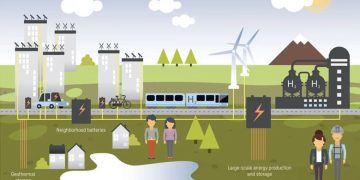
Smart Energy Systems
Renewable energy infrastructure increasingly depends on AI optimization.
Smart grids balance electricity supply and demand while intelligent forecasting systems improve solar and wind energy efficiency.
AI also helps reduce energy consumption in buildings through automated climate control systems.
Sustainable Agriculture
Precision agriculture uses AI-powered drones, sensors, and predictive analytics to optimize irrigation, fertilizer use, and crop management.
Farmers can increase productivity while reducing environmental impact.
As global populations continue growing, AI-supported agriculture may become essential for food security.
Education and Knowledge Innovation
Education systems worldwide are being transformed through intelligent technologies.
Adaptive learning platforms personalize educational experiences based on student performance and learning styles.
AI tutors provide instant feedback while virtual laboratories expand access to scientific experimentation.
Students can access vast educational resources through intelligent search and language translation systems.
However, concerns remain regarding digital inequality. Access to advanced educational technologies varies significantly between regions and socioeconomic groups.
Ensuring equitable access to AI-enhanced education will be essential for reducing future inequalities.
The Future of Human-AI Collaboration
The future of innovation may depend less on competition between humans and machines and more on collaboration.
Human intelligence and artificial intelligence possess complementary strengths.
Machines excel at data analysis, pattern recognition, and computational speed. Humans contribute intuition, ethics, emotional understanding, and contextual reasoning.
Future workplaces may involve hybrid systems where AI supports decision-making while humans oversee strategy and ethical considerations.
Creative collaboration between humans and AI may produce breakthroughs impossible for either alone.
Scientific discovery could accelerate dramatically as AI systems analyze enormous datasets and generate hypotheses for researchers to investigate.
The concept of augmented intelligence emphasizes enhancement rather than replacement.
Instead of fearing intelligent systems solely as competitors, societies may increasingly view them as tools that expand human potential.
Global Competition and Innovation Ecosystems
Artificial intelligence has become a central arena for global competition.
Countries investing heavily in AI research aim to strengthen economic growth, technological leadership, and national security.
The United States, China, the European Union, South Korea, Singapore, and other nations are competing to attract talent, build infrastructure, and support innovation ecosystems.
Universities, startups, venture capital firms, and research institutions form interconnected networks driving technological progress.
Government policy plays a major role in shaping innovation environments.
Investment in education, digital infrastructure, research funding, and regulatory clarity influences national competitiveness.
At the same time, international collaboration remains essential.
Global challenges such as climate change, pandemics, and cybersecurity threats require cooperative research and shared innovation.
Psychological and Social Impacts of AI Innovation
Beyond economics and technology, AI influences human psychology and social interaction.
Social media algorithms shape attention patterns, information consumption, and public discourse.
Recommendation systems influence entertainment choices, shopping behavior, and even political exposure.
Some researchers warn that algorithmic systems may contribute to polarization by reinforcing existing beliefs.
AI companions and conversational agents are also changing interpersonal dynamics.
People increasingly interact with intelligent systems for emotional support, education, and companionship.
This raises philosophical questions about relationships, authenticity, and emotional dependency.
Understanding the long-term psychological effects of AI integration will become increasingly important.
Innovation Governance and Regulation
Effective governance is essential for ensuring responsible AI development.
Governments worldwide are exploring regulatory frameworks addressing transparency, accountability, privacy, and safety.
Some experts advocate international agreements similar to climate accords or nuclear treaties to manage high-risk AI systems.
Industry self-regulation alone may be insufficient because commercial incentives sometimes conflict with ethical considerations.
Public trust depends on transparency and accountability.
Citizens must understand how AI systems make decisions, especially in sensitive areas such as healthcare, finance, employment, and criminal justice.
Responsible innovation requires collaboration among policymakers, technologists, businesses, educators, and civil society organizations.
Conclusion: Redefining Innovation for the Twenty-First Century
Artificial intelligence is not simply another technological trend. It represents a profound transformation in how humanity creates knowledge, solves problems, and organizes society.
From healthcare and manufacturing to education and environmental sustainability, AI is reshaping nearly every aspect of modern life. Intelligent systems accelerate innovation by processing information at extraordinary scales, uncovering hidden patterns, and enabling new forms of creativity and collaboration.
Yet the future of AI innovation is not predetermined.
The choices societies make today regarding ethics, regulation, education, inclusion, and governance will shape whether artificial intelligence becomes a force for shared prosperity or deepening inequality.
Humanity stands at a crossroads where technological capability is advancing faster than institutional adaptation.
The challenge is not merely to build more powerful machines but to ensure those machines serve human values, dignity, and long-term well-being.
Innovation has always reflected the ambitions of civilization. In the age of artificial intelligence, innovation is increasingly about understanding how humans and intelligent systems can evolve together.
The future will belong not simply to those who invent the most advanced technologies, but to those who use innovation wisely, ethically, and inclusively to improve the human experience.









Discussion about this post