





















Introduction: Living Inside the Digital Layer
A decade ago, technology was something people “used.” Today, it is something people live inside. The digital lifestyle is no longer limited to smartphones, laptops, or social media platforms. It has become a complete ecosystem that shapes how people communicate, work, shop, learn, relax, travel, build relationships, and even understand themselves. From the moment a person wakes up and checks notifications to the final minutes before sleep spent scrolling through short-form videos, modern life is deeply intertwined with digital systems.
The concept of a digital lifestyle refers to the integration of technology into daily habits and personal identity. It encompasses everything from smart homes and wearable devices to remote work, online communities, streaming entertainment, digital finance, AI assistants, virtual wellness, and cloud-based living. The digital lifestyle is not merely about convenience; it is about a cultural transformation in which technology influences behavior, attention, productivity, creativity, and emotional well-being.
This transformation accelerated dramatically during the global pandemic years. Remote work became mainstream. Online shopping evolved from optional convenience to necessity. Digital communication platforms replaced physical gatherings. Fitness apps replaced gyms. Virtual classrooms replaced traditional lecture halls. As society adapted, many temporary digital habits became permanent aspects of modern life.
Yet the rise of digital lifestyles is not a simple story of technological progress. It is also a story of changing human psychology, shifting social norms, economic restructuring, and evolving definitions of identity. Technology simultaneously empowers and overwhelms. It connects people globally while sometimes isolating them locally. It increases efficiency but competes for attention. It democratizes information yet contributes to misinformation and digital fatigue.
Understanding the digital lifestyle means understanding how humanity is adapting to an increasingly connected world. This article explores the evolution of digital living, the technologies driving it, the benefits and risks involved, and the future of human life in an always-connected society.
The Evolution of Digital Living
From Analog Routine to Connected Existence
The early internet era focused mainly on information access. People used desktop computers to send emails, browse websites, or search for information. Technology was a tool with clear boundaries. Users “went online” for specific purposes and later disconnected.
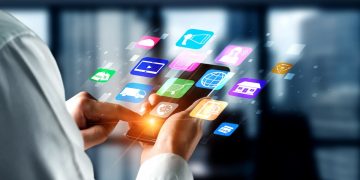
The smartphone revolution changed this relationship forever. Mobile internet transformed connectivity into a continuous experience. Suddenly, communication, navigation, entertainment, shopping, photography, and work all existed within a single portable device. Smartphones became extensions of human memory and identity.
Social media accelerated this transformation by making digital presence socially essential. Platforms such as Instagram, TikTok, X, and YouTube encouraged users to document lifestyles, share opinions, consume endless content, and build digital identities. The internet evolved from an information network into a social environment.
Cloud computing further expanded digital lifestyles by removing physical limitations. Files, photos, music, and even software applications moved online. Users no longer depended entirely on specific devices because their digital lives existed in the cloud.
Streaming services revolutionized entertainment. Instead of owning physical DVDs or CDs, consumers gained instant access to vast libraries of content. Digital convenience replaced traditional ownership models.
Wearable technology added another layer. Smartwatches and fitness trackers transformed personal health into measurable data. Sleep, exercise, heart rate, stress levels, and calorie intake became continuously monitored metrics.
Today, artificial intelligence is beginning to redefine digital living again. AI recommendation systems shape entertainment choices, shopping decisions, and news consumption. Generative AI tools assist with writing, creativity, coding, scheduling, and learning. Digital lifestyles are evolving from connected systems into intelligent systems.
The Smart Home Era
Turning Houses into Intelligent Environments
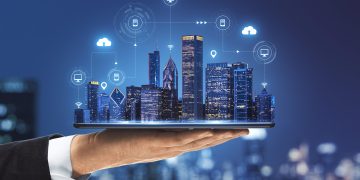
The modern home is increasingly becoming a digital command center. Smart home technology allows people to control lighting, security systems, appliances, climate, and entertainment through voice commands or mobile applications.
Devices such as smart speakers have become central household hubs. Voice assistants can answer questions, play music, set reminders, control devices, and automate daily routines. For many households, interacting with AI through voice has become completely normal.
Smart thermostats learn behavioral patterns and optimize energy usage. Smart refrigerators track food inventory. Robotic vacuum cleaners automate cleaning tasks. Smart locks enhance security while enabling remote access management.
The appeal of smart homes lies primarily in convenience and efficiency. Automation reduces repetitive tasks and saves time. However, smart homes also raise questions about privacy and data collection. Every connected device generates data about personal behavior, habits, schedules, and preferences.
As technology advances, homes may become increasingly adaptive environments capable of predicting user needs before commands are even given. Future smart homes could automatically adjust lighting based on mood, recommend meals based on health goals, or coordinate schedules between family members using AI.
Remote Work and the New Digital Workplace
Redefining Productivity and Professional Identity
One of the most significant shifts in digital lifestyle culture is the rise of remote and hybrid work. High-speed internet, cloud software, and communication platforms have made location-independent work possible for millions of professionals worldwide.
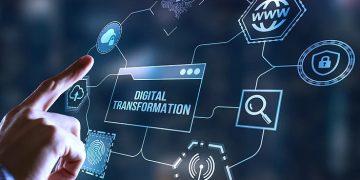
The traditional office model emphasized physical presence. Employees commuted daily, attended in-person meetings, and worked within centralized corporate spaces. Digital transformation challenged these assumptions.
Video conferencing platforms normalized virtual collaboration. Cloud-based project management tools allowed teams to coordinate across different countries and time zones. Digital communication became faster and more flexible than many traditional workplace systems.
Remote work offers several advantages:
- Greater flexibility
- Reduced commuting time
- Improved work-life balance for some workers
- Access to global talent pools
- Lower operational costs for companies
However, the remote work revolution also introduced new challenges. Digital workers often struggle with blurred boundaries between professional and personal life. Notifications, emails, and online meetings can create a sense of constant availability.
Isolation has also become a concern. Traditional workplaces provided social interaction and structured routines. Fully remote lifestyles may reduce spontaneous human connection.
Another major issue is digital burnout. Continuous screen exposure, endless virtual meetings, and constant multitasking can lead to exhaustion and declining attention spans.
Despite these challenges, the digital workplace is likely permanent. Many companies now view hybrid models as the future of work. The office is increasingly becoming a flexible collaboration space rather than a mandatory daily destination.
Social Media and Identity Formation
The Curated Self in the Digital Age
Social media platforms are among the most powerful forces shaping digital lifestyles. They influence fashion, politics, relationships, humor, consumer behavior, beauty standards, and cultural trends.
Modern users no longer simply communicate online; they perform identity online. Profiles, posts, stories, videos, and aesthetic choices become expressions of personal branding.
Platforms reward visibility and engagement. Algorithms prioritize content that captures attention, often encouraging emotional intensity, controversy, or visual perfection. This environment affects how individuals perceive themselves and others.
One major consequence is comparison culture. Users are constantly exposed to carefully curated representations of success, beauty, travel, productivity, and wealth. This can create unrealistic expectations and psychological pressure.
At the same time, social media also enables creativity and community. Independent artists, educators, entrepreneurs, and niche communities can reach global audiences without traditional gatekeepers.
Digital communities have become especially important for younger generations. Online friendships, fandoms, gaming communities, and interest-based networks often play central roles in identity formation.
The future of social media may involve more immersive experiences through augmented reality, virtual reality, and AI-generated environments. Digital identity itself may become increasingly fluid and customizable.
Digital Entertainment and Infinite Content
The Era of Endless Consumption
Entertainment has undergone one of the most dramatic transformations in the digital lifestyle era. Streaming platforms, short-form video applications, gaming ecosystems, podcasts, and creator economies now dominate global entertainment culture.
Consumers no longer depend on scheduled television broadcasts or physical media collections. Instead, entertainment is available instantly and continuously.
Recommendation algorithms are central to this experience. Platforms analyze user behavior to personalize content feeds. This creates highly individualized entertainment ecosystems.
Short-form content platforms have particularly transformed attention patterns. Fast-paced videos designed for instant engagement encourage rapid content consumption cycles. This has influenced how people process information and entertainment.
Gaming has also become deeply integrated into digital lifestyles. Online multiplayer games function not only as entertainment but also as social spaces where friendships and communities develop.
The rise of content creators represents another major shift. Individuals can now build careers through streaming, video production, podcasts, newsletters, and social platforms. Traditional media monopolies are weakening as creator-driven ecosystems grow.
However, infinite content accessibility has downsides. Overconsumption, distraction, reduced attention spans, and addictive platform design are increasingly discussed concerns. Many digital platforms are engineered to maximize user engagement rather than user well-being.
As artificial intelligence becomes more integrated into entertainment systems, personalized media experiences may become even more immersive and emotionally targeted.
Digital Wellness and the Search for Balance
Escaping the Always-Online Mindset
Ironically, as digital lifestyles become more dominant, interest in digital wellness is growing rapidly. Many individuals now recognize the psychological effects of constant connectivity.
Digital wellness refers to the intentional management of technology use to support mental, emotional, and physical health. It includes practices such as:
- Limiting screen time
- Reducing social media usage
- Turning off notifications
- Taking regular offline breaks
- Practicing mindful technology consumption
- Creating boundaries between work and personal life
The rise of wellness applications demonstrates this trend. Meditation apps, sleep trackers, focus timers, and mindfulness platforms are increasingly popular.
Some individuals are embracing “digital minimalism,” a philosophy advocating more intentional technology use. Instead of rejecting technology entirely, digital minimalists aim to remove unnecessary digital distractions while preserving meaningful benefits.
Interestingly, technology itself is often used to solve problems created by technology. Apps now monitor screen time, encourage focus, and promote healthier habits.
Companies are also becoming more aware of digital wellness issues. Some organizations encourage employees to avoid after-hours communication or implement meeting-free periods.
The future challenge will be balancing technological integration with psychological sustainability. Human attention is finite, and the digital economy increasingly competes aggressively for it.
Online Shopping and Consumer Transformation
Commerce Without Physical Boundaries
Digital lifestyles have fundamentally changed consumer behavior. E-commerce platforms, mobile payment systems, personalized advertising, and influencer marketing now dominate retail culture.
Consumers expect convenience, speed, personalization, and instant access. Online shopping allows people to compare products, read reviews, and complete purchases within minutes.
Mobile payment systems and digital wallets have accelerated cashless economies. In many cities, consumers can live almost entirely without physical cash.
Social commerce is another major trend. Shopping increasingly occurs directly within social media platforms. Influencers and creators shape purchasing decisions through lifestyle marketing rather than traditional advertising.
Artificial intelligence also plays a major role in digital commerce. Recommendation systems analyze browsing patterns, purchasing history, and behavioral data to personalize shopping experiences.
Subscription-based models are becoming increasingly common as well. Consumers subscribe to streaming services, meal kits, fitness apps, software platforms, and even clothing rental systems.
However, digital consumerism also raises environmental and ethical questions. Fast shipping expectations contribute to packaging waste and carbon emissions. Algorithmic advertising encourages impulsive consumption behaviors.
Future digital commerce may become even more immersive through augmented reality shopping experiences and AI-driven personalization systems.
Education in the Digital Lifestyle Era
Learning Beyond Physical Classrooms
Digital lifestyles are transforming education at every level. Online courses, virtual classrooms, educational apps, and AI tutoring systems are changing how people acquire knowledge.
The internet democratized access to information. Today, individuals can learn coding, languages, business skills, design, photography, and academic subjects from anywhere in the world.
Remote learning became especially prominent during the pandemic era. Educational institutions rapidly adopted digital platforms to maintain instruction continuity.
Digital learning offers several advantages:
- Flexible schedules
- Global access
- Lower barriers to education
- Personalized learning experiences
- Diverse educational resources
However, digital education also has limitations. Online learning may reduce social interaction, hands-on experiences, and concentration levels for some students.
Attention fragmentation remains a major challenge. Students learning through digital devices are constantly exposed to distractions from notifications, entertainment platforms, and multitasking opportunities.
Artificial intelligence may soon transform education even further through adaptive learning systems capable of personalizing lessons based on individual learning styles and progress patterns.
The Psychological Effects of Digital Living
Attention, Anxiety, and Identity
Digital lifestyles influence human psychology in profound ways. Constant connectivity changes how people think, focus, communicate, and emotionally regulate themselves.
One major concern is attention fragmentation. Notifications, multitasking, and algorithm-driven content streams continuously interrupt concentration. Many individuals now struggle with sustained focus.
Social validation systems also affect mental health. Likes, comments, shares, and follower counts can influence self-esteem and emotional well-being.
The pressure to remain constantly connected creates anxiety for some users. Fear of missing out (FOMO) encourages continuous engagement with social platforms and digital communication.
Sleep quality has also been affected by digital behavior. Excessive nighttime screen exposure can disrupt circadian rhythms and reduce sleep quality.
At the same time, digital lifestyles also provide valuable emotional support systems. Online communities help individuals find belonging, especially those with niche interests or limited local social networks.
Mental health awareness has become more visible partly because digital platforms allow open discussion and resource sharing. Teletherapy and mental health apps have expanded access to psychological support.
The psychological future of digital living will likely depend on whether societies prioritize ethical technology design and healthier engagement models.
Artificial Intelligence and Personalized Living
The Rise of Predictive Digital Ecosystems
Artificial intelligence is becoming the foundation of next-generation digital lifestyles. AI systems already shape search results, recommendations, advertising, navigation, customer service, and entertainment.
Increasingly, digital experiences are becoming predictive rather than reactive. Systems anticipate user needs based on behavioral data.
Examples include:
- Music platforms recommending songs
- Shopping apps predicting purchases
- Smart assistants scheduling reminders
- Fitness apps suggesting routines
- AI writing assistants supporting creativity
- Navigation systems optimizing routes in real time
Generative AI introduces even broader possibilities. AI can now create text, images, music, code, and video content. This changes how individuals work, learn, and express creativity.
Personal AI assistants may soon become deeply integrated into everyday life, managing schedules, filtering information, coordinating tasks, and acting as digital companions.
However, AI-driven lifestyles also raise ethical concerns:
- Data privacy
- Algorithmic bias
- Surveillance
- Dependence on automation
- Loss of human autonomy
- Job displacement
As AI becomes more advanced, societies must determine how to balance efficiency with human agency.
Sustainability and the Digital Future
Can Digital Lifestyles Become Environmentally Responsible?
Digital lifestyles are often perceived as environmentally efficient because they reduce physical processes. Remote work lowers commuting emissions. Digital documents reduce paper usage. Streaming replaces physical media production.
However, digital systems also consume enormous amounts of energy. Data centers, cryptocurrency mining, cloud infrastructure, and AI processing require massive electricity consumption.
Electronic waste is another growing issue. Rapid device replacement cycles generate millions of tons of discarded electronics annually.
Sustainable digital lifestyles will require several changes:
- Longer-lasting devices
- Renewable-powered data centers
- Responsible recycling systems
- Ethical supply chains
- Energy-efficient AI systems
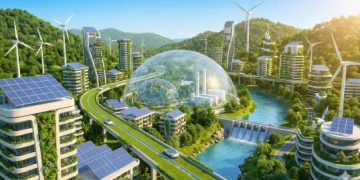
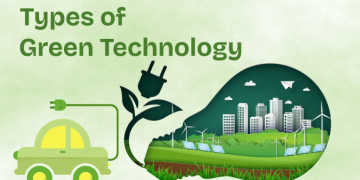
Green technology innovation will play a crucial role in balancing digital expansion with environmental responsibility.
Conclusion: Humanity in the Connected Age
The digital lifestyle is no longer a trend; it is the defining structure of modern civilization. Technology shapes communication, work, entertainment, relationships, commerce, education, and self-expression. Human life increasingly exists within interconnected digital ecosystems.
This transformation brings extraordinary opportunities. Technology can expand creativity, improve accessibility, increase productivity, and connect people across borders. Digital tools empower individuals in ways unimaginable just a generation ago.
Yet the digital lifestyle also introduces serious challenges. Attention fragmentation, privacy concerns, mental health pressures, misinformation, and algorithmic dependence are all realities of connected living.
The future of digital life will depend not only on technological innovation but also on human choices. Societies must decide what kind of digital culture they want to create. The goal should not be rejecting technology, nor blindly embracing it, but designing systems that enhance human flourishing rather than undermine it.
Ultimately, the most important question is not how advanced technology becomes, but how wisely humanity chooses to live alongside it.







Discussion about this post