






















techfusionnews
  • Home
  • Digital Lifestyle
    The Digital Lifestyle Revolution — How Technology is Redefining the Way We Live, Work, and Think

    Beyond Screens — The Future Digital Lifestyle in the Age of the Metaverse, Virtual Identity, and Hybrid Reality

    The Digital Body — How Screen Time, Technology, and Hyperconnectivity Are Reshaping Human Health

    The Digital Body — How Screen Time, Technology, and Hyperconnectivity Are Reshaping Human Health

    The Digital Lifestyle Revolution — How Technology is Redefining the Way We Live, Work, and Think

    Living with Intelligent Systems — How AI Companions and Personalized Ecosystems Are Redefining the Digital Lifestyle

    The Digital Lifestyle Revolution — How Technology is Redefining the Way We Live, Work, and Think

    Digital Minimalism and Intentional Living — Reclaiming Focus, Time, and Meaning in a Hyperconnected World

    The Digital Lifestyle Revolution — How Technology is Redefining the Way We Live, Work, and Think

    The Digital Lifestyle Revolution — How Technology is Redefining the Way We Live, Work, and Think

    Always On — The Psychology of Living a Fully Connected Life

    Hybrid Reality — The Future of Digital Lifestyle in an AI-Driven World

  • Green Tech & Wellness

    Engineering the Planet — Carbon Capture, Climate Innovation, and the Future Frontier of Green Technology

    Building the Future — Sustainable Cities, Green Architecture, and the Reinvention of Urban Living

    Reinventing Mobility — Electric Vehicles, Autonomous Transport, and the Future of Sustainable Movement

    Powering the Future — A Deep Dive into Renewable Energy Systems, Storage, and the Global Energy Transition

    The Environmental Impact of Modern AI

    Biohacking and Everyday Wellness: Optimizing the Human Body in a Tech-Driven World

  • AI
    The New Age of Artificial Intelligence: How AI Is Reshaping Human Civilization

    Artificial Intelligence and the Future of Smart Cities

    The New Age of Artificial Intelligence: How AI Is Reshaping Human Civilization

    The Ethics of Artificial Intelligence: Balancing Innovation and Responsibility

    The New Age of Artificial Intelligence: How AI Is Reshaping Human Civilization

    AI in Education: Transforming the Future of Learning

    The New Age of Artificial Intelligence: How AI Is Reshaping Human Civilization

    Generative AI and the Creative Revolution

    The New Age of Artificial Intelligence: How AI Is Reshaping Human Civilization

    The New Age of Artificial Intelligence: How AI Is Reshaping Human Civilization

    The Future of Artificial General Intelligence: Will Machines Surpass Human Intelligence?

    The Future of Artificial General Intelligence: Will Machines Surpass Human Intelligence?

  • Space Exploration
    The New Age of Space Exploration: From Government Missions to a Multi-Planetary Future

    The Philosophy and Ethics of Space Exploration: Who Owns the Universe?

    The New Age of Space Exploration: From Government Missions to a Multi-Planetary Future

    Life Beyond Earth: Human Survival, Space Habitats, and the Biology of Living in Space

    The New Age of Space Exploration: From Government Missions to a Multi-Planetary Future

    Deep Space Technologies: The Engineering Breakthroughs That Will Take Humanity Beyond the Solar System

    The New Age of Space Exploration: From Government Missions to a Multi-Planetary Future

    The Space Economy Revolution: How Commercialization is Redefining Humanity’s Final Frontier

    The New Age of Space Exploration: From Government Missions to a Multi-Planetary Future

    The New Age of Space Exploration: From Government Missions to a Multi-Planetary Future

    The Economics of Space — How Exploration Is Becoming the Next Trillion-Dollar Industry

    Why We Explore — The Human Drive Behind Space Exploration

  • Innovation & Research
    The New Age of Innovation: How Artificial Intelligence Is Reshaping Human Creativity, Industry, and Society

    Research Methodologies in the Twenty-First Century: How Technology Is Transforming Academic Discovery

    The New Age of Innovation: How Artificial Intelligence Is Reshaping Human Creativity, Industry, and Society

    The Future of Scientific Research: Big Data, Global Collaboration, and Intelligent Discovery

    Healthcare Innovation in the Digital Era: Biotechnology, Robotics, and the Future of Medicine

    Healthcare Innovation in the Digital Era: Biotechnology, Robotics, and the Future of Medicine

    The New Age of Innovation: How Artificial Intelligence Is Reshaping Human Creativity, Industry, and Society

    Green Innovation and Smart Cities: Building Sustainable Urban Futures

    The New Age of Innovation: How Artificial Intelligence Is Reshaping Human Creativity, Industry, and Society

    The New Age of Innovation: How Artificial Intelligence Is Reshaping Human Creativity, Industry, and Society

    The Innovation Paradox: Why More Technology Doesn’t Always Mean More Progress

    From Lab to Market: Why Most Research Never Becomes Reality

  • All Tech
    Beyond the Screen: How Future Technology May Transform Human Civilization

    Beyond the Screen: How Future Technology May Transform Human Civilization

    The New Age of Artificial Intelligence: How AI Is Reshaping Human Civilization

    The Age of Smart Machines: How Technology Is Redefining Human Work, Creativity, and Daily Life

    The New Age of Artificial Intelligence: How AI Is Reshaping Human Civilization

    The Technology Race of the 21st Century: Why Innovation Has Become the World’s Most Powerful Currency

    The New Age of Artificial Intelligence: How AI Is Reshaping Human Civilization

    The Future of Human Technology: When Machines Begin to Understand the World

    The New Age of Artificial Intelligence: How AI Is Reshaping Human Civilization

    The Invisible Technology Revolution: How Modern Innovation Quietly Reshaped Everyday Human Life

    The Automation Economy: Work, Wealth, and Power in a Machine-Driven World

    The Automation Economy: Work, Wealth, and Power in a Machine-Driven World

techfusionnews
  • Home
  • Digital Lifestyle
    The Digital Lifestyle Revolution — How Technology is Redefining the Way We Live, Work, and Think

    Beyond Screens — The Future Digital Lifestyle in the Age of the Metaverse, Virtual Identity, and Hybrid Reality

    The Digital Body — How Screen Time, Technology, and Hyperconnectivity Are Reshaping Human Health

    The Digital Body — How Screen Time, Technology, and Hyperconnectivity Are Reshaping Human Health

    The Digital Lifestyle Revolution — How Technology is Redefining the Way We Live, Work, and Think

    Living with Intelligent Systems — How AI Companions and Personalized Ecosystems Are Redefining the Digital Lifestyle

    The Digital Lifestyle Revolution — How Technology is Redefining the Way We Live, Work, and Think

    Digital Minimalism and Intentional Living — Reclaiming Focus, Time, and Meaning in a Hyperconnected World

    The Digital Lifestyle Revolution — How Technology is Redefining the Way We Live, Work, and Think

    The Digital Lifestyle Revolution — How Technology is Redefining the Way We Live, Work, and Think

    Always On — The Psychology of Living a Fully Connected Life

    Hybrid Reality — The Future of Digital Lifestyle in an AI-Driven World

  • Green Tech & Wellness

    Engineering the Planet — Carbon Capture, Climate Innovation, and the Future Frontier of Green Technology

    Building the Future — Sustainable Cities, Green Architecture, and the Reinvention of Urban Living

    Reinventing Mobility — Electric Vehicles, Autonomous Transport, and the Future of Sustainable Movement

    Powering the Future — A Deep Dive into Renewable Energy Systems, Storage, and the Global Energy Transition

    The Environmental Impact of Modern AI

    Biohacking and Everyday Wellness: Optimizing the Human Body in a Tech-Driven World

  • AI
    The New Age of Artificial Intelligence: How AI Is Reshaping Human Civilization

    Artificial Intelligence and the Future of Smart Cities

    The New Age of Artificial Intelligence: How AI Is Reshaping Human Civilization

    The Ethics of Artificial Intelligence: Balancing Innovation and Responsibility

    The New Age of Artificial Intelligence: How AI Is Reshaping Human Civilization

    AI in Education: Transforming the Future of Learning

    The New Age of Artificial Intelligence: How AI Is Reshaping Human Civilization

    Generative AI and the Creative Revolution

    The New Age of Artificial Intelligence: How AI Is Reshaping Human Civilization

    The New Age of Artificial Intelligence: How AI Is Reshaping Human Civilization

    The Future of Artificial General Intelligence: Will Machines Surpass Human Intelligence?

    The Future of Artificial General Intelligence: Will Machines Surpass Human Intelligence?

  • Space Exploration
    The New Age of Space Exploration: From Government Missions to a Multi-Planetary Future

    The Philosophy and Ethics of Space Exploration: Who Owns the Universe?

    The New Age of Space Exploration: From Government Missions to a Multi-Planetary Future

    Life Beyond Earth: Human Survival, Space Habitats, and the Biology of Living in Space

    The New Age of Space Exploration: From Government Missions to a Multi-Planetary Future

    Deep Space Technologies: The Engineering Breakthroughs That Will Take Humanity Beyond the Solar System

    The New Age of Space Exploration: From Government Missions to a Multi-Planetary Future

    The Space Economy Revolution: How Commercialization is Redefining Humanity’s Final Frontier

    The New Age of Space Exploration: From Government Missions to a Multi-Planetary Future

    The New Age of Space Exploration: From Government Missions to a Multi-Planetary Future

    The Economics of Space — How Exploration Is Becoming the Next Trillion-Dollar Industry

    Why We Explore — The Human Drive Behind Space Exploration

  • Innovation & Research
    The New Age of Innovation: How Artificial Intelligence Is Reshaping Human Creativity, Industry, and Society

    Research Methodologies in the Twenty-First Century: How Technology Is Transforming Academic Discovery

    The New Age of Innovation: How Artificial Intelligence Is Reshaping Human Creativity, Industry, and Society

    The Future of Scientific Research: Big Data, Global Collaboration, and Intelligent Discovery

    Healthcare Innovation in the Digital Era: Biotechnology, Robotics, and the Future of Medicine

    Healthcare Innovation in the Digital Era: Biotechnology, Robotics, and the Future of Medicine

    The New Age of Innovation: How Artificial Intelligence Is Reshaping Human Creativity, Industry, and Society

    Green Innovation and Smart Cities: Building Sustainable Urban Futures

    The New Age of Innovation: How Artificial Intelligence Is Reshaping Human Creativity, Industry, and Society

    The New Age of Innovation: How Artificial Intelligence Is Reshaping Human Creativity, Industry, and Society

    The Innovation Paradox: Why More Technology Doesn’t Always Mean More Progress

    From Lab to Market: Why Most Research Never Becomes Reality

  • All Tech
    Beyond the Screen: How Future Technology May Transform Human Civilization

    Beyond the Screen: How Future Technology May Transform Human Civilization

    The New Age of Artificial Intelligence: How AI Is Reshaping Human Civilization

    The Age of Smart Machines: How Technology Is Redefining Human Work, Creativity, and Daily Life

    The New Age of Artificial Intelligence: How AI Is Reshaping Human Civilization

    The Technology Race of the 21st Century: Why Innovation Has Become the World’s Most Powerful Currency

    The New Age of Artificial Intelligence: How AI Is Reshaping Human Civilization

    The Future of Human Technology: When Machines Begin to Understand the World

    The New Age of Artificial Intelligence: How AI Is Reshaping Human Civilization

    The Invisible Technology Revolution: How Modern Innovation Quietly Reshaped Everyday Human Life

    The Automation Economy: Work, Wealth, and Power in a Machine-Driven World

    The Automation Economy: Work, Wealth, and Power in a Machine-Driven World

No Result
View All Result
Plugin Install : Cart Icon need WooCommerce plugin to be installed.
techfusionnews
No Result
View All Result
Home All Tech

The Technology Race of the 21st Century: Why Innovation Has Become the World’s Most Powerful Currency

May 10, 2026
in All Tech
The New Age of Artificial Intelligence: How AI Is Reshaping Human Civilization

Introduction

Throughout history, global power has often been defined by control over land, natural resources, military strength, or industrial production. Empires expanded through territorial conquest. Nations became wealthy through access to oil, minerals, agriculture, or trade routes. During the Industrial Revolution, countries that mastered manufacturing technologies gained enormous economic advantages.

Today, however, the foundations of global power are changing.

In the twenty-first century, technology has become one of the most valuable and influential forms of strategic power on Earth.

Artificial intelligence, semiconductors, cloud infrastructure, cybersecurity systems, robotics, biotechnology, quantum computing, and communication networks are no longer simply commercial industries. They are geopolitical assets capable of shaping economies, military capabilities, scientific leadership, and global influence.

Modern nations are competing not only for markets or resources but for technological dominance itself.

This competition is transforming international relations, economic systems, education policies, labor markets, and corporate strategy at unprecedented speed.

The global technology race is no longer a future scenario. It is already happening.

Governments are investing billions into AI research. Semiconductor shortages influence international diplomacy. Cybersecurity has become a matter of national defense. Technology companies possess influence comparable to some governments. Digital infrastructure now affects everything from elections and finance to healthcare and military operations.

The countries and organizations that lead technological innovation during the coming decades may determine the structure of global civilization for generations.

Understanding the modern technology race is therefore essential for understanding the future of global power itself.


The Shift From Industrial Power to Technological Power

During earlier centuries, industrial production defined national strength.

Countries with large factories, railroads, steel industries, and manufacturing systems gained economic and military advantages. Industrialization transformed agriculture-based economies into modern industrial societies capable of mass production.

Technology certainly mattered during the industrial era, but innovation was often closely tied to physical infrastructure and manufacturing capacity.

Today, technological leadership increasingly depends on information systems, digital infrastructure, advanced research, and computational capability.

The most valuable companies in the modern world are often technology corporations rather than traditional industrial manufacturers.

This transformation reflects a broader economic shift.

Data, algorithms, software, connectivity, and artificial intelligence have become strategic resources comparable to oil or industrial machinery in earlier eras.

The global economy now depends heavily on digital systems operating continuously through cloud networks, telecommunications infrastructure, and semiconductor technology.

The countries capable of controlling or developing these systems possess enormous strategic advantages.

For example, advanced semiconductor chips power smartphones, AI systems, military equipment, satellites, financial infrastructure, and cloud computing.

Without semiconductor technology, modern civilization would struggle to function.

As a result, semiconductor production has become one of the most strategically important industries in the world.

Technology is no longer simply a commercial sector.

It has become a foundation of geopolitical influence.


Artificial Intelligence and the New Global Competition

Artificial intelligence is now at the center of the global technology race.

AI systems are rapidly transforming industries including healthcare, transportation, finance, manufacturing, cybersecurity, education, entertainment, and scientific research.

Governments understand that leadership in AI could produce enormous economic and strategic advantages.

The United States and China currently dominate much of the global AI landscape, although Europe, South Korea, Japan, Singapore, and other regions continue investing heavily in research and digital infrastructure.

The competition involves far more than commercial products.

AI influences military systems, intelligence analysis, economic productivity, automation capabilities, and information control.

Countries capable of developing highly advanced AI systems may gain significant advantages in multiple sectors simultaneously.

Large language models, autonomous systems, computer vision technologies, and predictive analytics continue improving rapidly.

AI also creates new economic structures.

Businesses increasingly rely on machine learning to optimize logistics, personalize services, automate operations, and analyze enormous quantities of data.

This creates pressure for nations to develop strong digital ecosystems capable of supporting innovation.

Education systems are also adapting.

Countries seeking technological leadership invest heavily in STEM education, engineering programs, AI research institutes, and startup ecosystems.

Talent itself has become strategically valuable.

The modern technology race is therefore not only about machines or software but also about attracting highly skilled researchers, engineers, scientists, and entrepreneurs.


Semiconductor Technology and Strategic Dependency

Semiconductors are among the most important technologies in the modern world.

These tiny electronic components power nearly every advanced digital system, including smartphones, cloud servers, automobiles, satellites, defense equipment, and AI infrastructure.

Modern economies depend deeply on semiconductor supply chains.

However, semiconductor manufacturing is extraordinarily complex.

Producing advanced chips requires specialized materials, highly sophisticated fabrication facilities, precision engineering, and billions of dollars in investment.

Only a small number of companies worldwide possess the capability to manufacture cutting-edge semiconductor technology at large scale.

This concentration creates geopolitical vulnerability.

Recent semiconductor shortages demonstrated how dependent global industries are on stable chip production. Automotive manufacturers, consumer electronics companies, and industrial sectors experienced major disruptions due to supply chain instability.

Governments increasingly view semiconductor independence as a national security priority.

As a result, many countries are investing heavily in domestic chip manufacturing and research infrastructure.

The semiconductor race illustrates a larger reality of modern technology:

Nations are becoming increasingly dependent on complex technological ecosystems that require global cooperation but also create strategic competition.


Cybersecurity and Digital Warfare

Modern conflict increasingly extends into cyberspace.

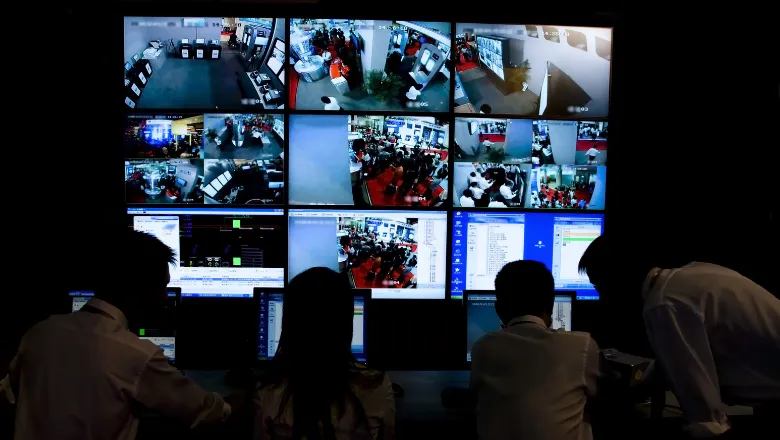
Cybersecurity is no longer limited to protecting corporate data. It now involves defending financial systems, healthcare infrastructure, energy grids, transportation networks, communication systems, and national security assets.

Cyberattacks can disrupt economies without firing traditional weapons.

Ransomware groups target hospitals and businesses. State-sponsored hackers attempt to steal sensitive information or interfere with critical infrastructure. Election systems face digital manipulation risks. Financial networks require constant cybersecurity protection.

Technology has expanded the battlefield itself.

Cyber warfare differs from traditional conflict in several important ways.

Attacks can occur instantly across borders. Attribution is often difficult. Small groups may possess significant disruptive capabilities through digital systems alone.

Artificial intelligence is also transforming cybersecurity.

AI systems help detect threats, monitor network activity, and automate defensive responses. At the same time, cybercriminals use AI for sophisticated phishing attacks, malware development, and digital deception.

The future of global security may depend heavily on digital resilience.

Countries incapable of protecting technological infrastructure may face severe economic and political vulnerability.

The Economic Power of Big Technology Companies

One of the most unusual aspects of the modern technology era is the extraordinary influence of large technology corporations.

Historically, governments held primary geopolitical power. Today, however, some technology companies possess financial resources, data access, and communication influence rivaling those of nation-states.

Large digital platforms shape global communication, advertising, commerce, entertainment, and information distribution.

Billions of people rely on services provided by a relatively small number of technology companies daily.

This creates unprecedented concentrations of influence.

Technology corporations collect enormous amounts of behavioral data. They develop AI systems influencing public discourse and consumer behavior. Their infrastructure supports cloud computing, communication systems, and digital commerce worldwide.

As a result, governments increasingly debate issues involving regulation, antitrust enforcement, privacy, and digital sovereignty.

Who should control digital infrastructure?

How much influence should private technology corporations possess over information ecosystems?

Can democratic systems effectively regulate rapidly evolving technology industries?

These questions may define future political and economic structures globally.


Space Technology and the New Frontier

The global technology race is also expanding beyond Earth itself.

Private aerospace companies and national space agencies are investing heavily in satellite systems, lunar exploration, reusable rockets, and deep-space missions.

Space technology influences communication, navigation, climate monitoring, scientific research, and military operations.

Satellites support GPS systems, telecommunications, financial transactions, weather forecasting, and internet infrastructure.

The commercialization of space represents a major technological shift.

Private companies now compete alongside governments in launch services, satellite deployment, and exploration technologies.

Future space industries may involve asteroid mining, orbital manufacturing, lunar infrastructure, and long-term planetary exploration.

The technology race is therefore becoming increasingly multidimensional.

Competition now extends across cyberspace, artificial intelligence, semiconductors, biotechnology, and outer space simultaneously.


Education and the Global Talent Competition

Technological leadership depends heavily on human talent.

Engineers, scientists, researchers, software developers, mathematicians, and innovators drive technological progress.

As a result, education has become strategically important in the global technology race.

Countries investing strongly in research universities, digital infrastructure, STEM education, and innovation ecosystems often produce stronger technological sectors.

However, the nature of education itself is changing.

Traditional educational models focused heavily on memorization and standardized instruction. Modern innovation economies increasingly require creativity, critical thinking, adaptability, and interdisciplinary collaboration.

Artificial intelligence may further transform education by personalizing learning experiences and expanding access to knowledge globally.

The competition for technological talent is also becoming increasingly international.

Highly skilled professionals often migrate toward regions offering better research opportunities, startup ecosystems, and investment environments.

Human capital may become one of the most valuable strategic resources of the century.


The Ethical Risks of the Technology Race

Rapid technological competition creates serious ethical concerns.

Countries and corporations competing aggressively for technological dominance may prioritize speed over safety or ethics.

Artificial intelligence systems may be deployed without sufficient transparency or accountability. Surveillance technologies may threaten civil liberties. Autonomous weapons introduce new military risks.

The pressure to innovate quickly can create environments where regulation struggles to keep pace with technological development.

The technology race may also increase inequality.

Nations with advanced infrastructure and research capacity could gain enormous advantages while developing regions struggle to compete.

Within countries, automation and digital transformation may concentrate wealth among highly skilled sectors while disrupting traditional employment structures.

Balancing innovation with ethical responsibility may become one of the defining challenges of modern civilization.


The Future of Technological Civilization

The technology race of the twenty-first century is still in its early stages.

Artificial intelligence, quantum computing, robotics, biotechnology, augmented reality, renewable energy systems, and space exploration technologies continue advancing rapidly.

Future technological breakthroughs may reshape civilization even more dramatically than the internet or smartphones already have.

At the same time, humanity faces increasing dependence on digital infrastructure.

Economic systems, healthcare networks, communication platforms, and transportation systems all rely heavily on interconnected technological environments.

This creates both extraordinary opportunity and significant vulnerability.

The future may not belong simply to the nations with the largest militaries or natural resources.

It may belong to those capable of combining innovation, education, ethical governance, infrastructure resilience, and scientific leadership effectively.


Conclusion

Technology has become one of the most powerful forms of global influence in modern history.

Artificial intelligence, semiconductors, cybersecurity systems, cloud infrastructure, biotechnology, and digital communication networks now shape economies, political systems, military capabilities, and cultural influence worldwide.

The modern technology race is transforming international relations and redefining how power operates in the twenty-first century.

Unlike earlier industrial revolutions, today’s competition revolves heavily around information, data, computation, and innovation ecosystems.

The nations and organizations leading technological development may gain enormous strategic advantages during the coming decades.

However, technological leadership alone will not guarantee a stable future.

Humanity must also address ethical challenges involving privacy, inequality, automation, surveillance, cybersecurity, and environmental sustainability.

The future of technological civilization will depend not only on how quickly innovation advances — but on whether societies can guide that innovation responsibly.

The technology race is ultimately not just a competition for economic success.

It is a competition to shape the future structure of human civilization itself.

Tags: Technology
ShareTweetShare

Related Posts

Beyond the Screen: How Future Technology May Transform Human Civilization
All Tech

Beyond the Screen: How Future Technology May Transform Human Civilization

May 10, 2026
The New Age of Artificial Intelligence: How AI Is Reshaping Human Civilization
All Tech

The Age of Smart Machines: How Technology Is Redefining Human Work, Creativity, and Daily Life

May 10, 2026
The New Age of Artificial Intelligence: How AI Is Reshaping Human Civilization
All Tech

The Future of Human Technology: When Machines Begin to Understand the World

May 10, 2026
The New Age of Artificial Intelligence: How AI Is Reshaping Human Civilization
All Tech

The Invisible Technology Revolution: How Modern Innovation Quietly Reshaped Everyday Human Life

May 10, 2026
The Automation Economy: Work, Wealth, and Power in a Machine-Driven World
All Tech

The Automation Economy: Work, Wealth, and Power in a Machine-Driven World

May 5, 2026
The Invisible Infrastructure: How AI Is Quietly Rewriting Everyday Life
All Tech

Digital Identity in 2030: Who Owns You in the Age of Data

May 5, 2026

Discussion about this post

  • Trending
  • Comments
  • Latest
Eternal Luminary: Humanity’s Perpetual Fascination with the Sun

Eternal Luminary: Humanity’s Perpetual Fascination with the Sun

November 5, 2024
The Dark Side of the Smart City Revolution

The Dark Side of the Smart City Revolution

January 23, 2026
The Race Heats Up: OpenAI Joins the AI-Powered Search Arena

The Race Heats Up: OpenAI Joins the AI-Powered Search Arena

October 16, 2024
The Canon DIGITAL IXUS Legacy: Redefining Photography with Style and Innovation

The Canon DIGITAL IXUS Legacy: Redefining Photography with Style and Innovation

November 2, 2024
The Lunar Symphony: Hal Clement’s Prophetic Fantasia

The Lunar Symphony: Hal Clement’s Prophetic Fantasia

Unlocking the Future with AI’s Latest Breakthroughs: A Journey into the Unchartered Frontier

Unlocking the Future with AI’s Latest Breakthroughs: A Journey into the Unchartered Frontier

The Transformative Power of Machine Learning: Shaping the Future of Technology and Beyond

The Transformative Power of Machine Learning: Shaping the Future of Technology and Beyond

The Emotional Intelligence of AI: Bridging the Gap Between Machines and Hearts

The Emotional Intelligence of AI: Bridging the Gap Between Machines and Hearts

Beyond the Screen: How Future Technology May Transform Human Civilization

Beyond the Screen: How Future Technology May Transform Human Civilization

May 10, 2026
The New Age of Artificial Intelligence: How AI Is Reshaping Human Civilization

The Age of Smart Machines: How Technology Is Redefining Human Work, Creativity, and Daily Life

May 10, 2026
The New Age of Artificial Intelligence: How AI Is Reshaping Human Civilization

The Technology Race of the 21st Century: Why Innovation Has Become the World’s Most Powerful Currency

May 10, 2026
The New Age of Artificial Intelligence: How AI Is Reshaping Human Civilization

The Future of Human Technology: When Machines Begin to Understand the World

May 10, 2026
techfusionnews

Discover the essence of innovation at "Tech Aggregator," where the latest in tech converges. From cutting-edge gadgets to cosmic ventures and green breakthroughs, our site offers a streamlined look at the future of technology. Engage with concise, impactful content designed for those eager to stay ahead in an ever-evolving digital landscape. Join us at the forefront of the tech revolution.

© 2025 techfusionnews.com. contacts:[email protected]

No Result
View All Result
  • Home
  • Digital Lifestyle
  • Green Tech & Wellness
  • AI
  • Space Exploration
  • Innovation & Research
  • All Tech

© 2025 techfusionnews.com. contacts:[email protected]

Welcome Back!

Login to your account below

Forgotten Password?

Retrieve your password

Please enter your username or email address to reset your password.

Log In