


















Introduction: Entertainment Without Limits
Entertainment has always shaped human civilization. From ancient storytelling around fires to theater performances, radio broadcasts, cinema, television, and music recordings, every era has developed technologies that transformed how people experience culture and leisure. Yet no previous transformation has altered entertainment as rapidly or as completely as the digital revolution.
Today’s generation lives inside an ecosystem of infinite entertainment. Movies, television shows, music, podcasts, livestreams, video games, social media content, short-form videos, and virtual communities are available instantly through smartphones, tablets, laptops, and smart televisions. Audiences no longer wait for scheduled broadcasts or purchase physical media. Instead, digital platforms provide unlimited on-demand access to content from anywhere in the world.
Streaming culture has fundamentally changed human behavior. People consume entertainment while commuting, working, exercising, studying, eating, and even trying to sleep. Algorithms personalize content recommendations with remarkable precision, shaping what users watch, hear, and discuss. Entertainment is no longer a separate activity reserved for free time — it has become a constant layer woven into daily existence.
This shift has also transformed cultural power structures. Traditional media companies once controlled distribution channels, production systems, and audience access. Today, independent creators can build global audiences from bedrooms using digital platforms. A teenager with a smartphone can influence millions of viewers through short videos, livestreams, or podcasts.
However, the rise of streaming culture has also created new concerns. Infinite content availability contributes to shorter attention spans, digital addiction, overconsumption, and emotional exhaustion. Algorithms prioritize engagement rather than well-being, often encouraging endless scrolling and passive consumption. At the same time, creator economies place psychological pressure on individuals whose careers depend on visibility, consistency, and online performance.
The streaming generation represents more than a technological trend. It reflects a deeper transformation in how humans experience time, identity, creativity, social interaction, and cultural participation. Entertainment is no longer merely consumed; it is personalized, interactive, algorithmic, and deeply integrated into the structure of modern life.
This article explores the rise of streaming culture, the technologies behind digital entertainment, the creator economy, psychological impacts, social transformations, and the future of entertainment in an increasingly connected world.
The Evolution of Entertainment Consumption
From Scheduled Broadcasting to On-Demand Living
For most of the 20th century, entertainment followed centralized schedules. Television programs aired at specific times. Radio broadcasts operated according to fixed programming. Movie theaters determined viewing availability. Audiences adapted their schedules around media distribution systems.
Digital technology reversed this relationship completely.
Streaming platforms introduced on-demand access, allowing users to choose what to watch and when to watch it. This shift fundamentally changed viewing habits and expectations.
Consumers now expect:
- Instant availability
- Personalized recommendations
- Multi-device accessibility
- Continuous content libraries
- Ad-free experiences
- Interactive engagement
Physical media rapidly declined as streaming became dominant. DVDs, CDs, and even downloaded files were replaced by cloud-based access systems.
This transition also changed the concept of ownership. Consumers increasingly subscribe to entertainment access rather than purchasing entertainment products outright.
The streaming model transformed entertainment into a continuous service rather than a collection of individual transactions.
The Rise of the Streaming Platforms
Building the Infinite Content Ecosystem
Streaming platforms became successful because they solved several major problems simultaneously:
- Convenience
- Accessibility
- Affordability
- Personalization
- Content variety
Users no longer needed physical storage collections or complicated media systems. Vast libraries became accessible instantly through internet connections.
Competition between streaming services accelerated content production dramatically. Original programming became a central strategy for attracting subscribers.
This competition created what many analysts call the “content explosion era,” where audiences face more entertainment choices than ever before in history.
At the same time, algorithms became increasingly sophisticated. Recommendation systems analyze:
- Viewing history
- Watch duration
- Search behavior
- User interactions
- Genre preferences
- Time-of-day habits
These systems create highly personalized entertainment environments unique to each individual user.
As a result, modern audiences often consume completely different media ecosystems even while using the same platforms.
The Psychology of Infinite Content
Why Streaming Is So Addictive
Streaming platforms are carefully designed to maximize engagement.
Features such as autoplay, endless scrolling, personalized recommendations, and short-form content feeds encourage prolonged usage. Users rarely reach natural stopping points.
Traditional television schedules created built-in interruptions. Streaming removes these boundaries entirely.
Several psychological mechanisms contribute to streaming addiction:
Variable Reward Systems
Algorithms continuously introduce new and unpredictable content, triggering reward anticipation similar to gambling systems.
Users keep scrolling because the next video, song, or recommendation might be especially entertaining.
Dopamine-Driven Engagement
Short-form platforms deliver rapid emotional stimulation through humor, novelty, drama, or excitement.
Frequent content switching creates constant dopamine activation, encouraging repeated engagement.
Escapism and Emotional Regulation
Many individuals use streaming entertainment to cope with stress, loneliness, boredom, or anxiety.
Digital entertainment becomes not only leisure but also emotional self-management.
Fear of Missing Out
Online trends move extremely quickly. Users feel pressure to remain culturally updated in order to participate in conversations and communities.
This contributes to constant platform engagement.
The Attention Economy
When Human Focus Becomes the Product
Modern entertainment platforms operate within what economists call the attention economy.
In traditional industries, businesses sold physical products. In digital entertainment systems, companies compete primarily for user attention.
The longer users remain engaged, the more advertising revenue, subscription retention, and behavioral data platforms generate.
As a result, many digital systems are engineered specifically to capture and retain attention as effectively as possible.
This has several consequences:
- Reduced attention spans
- Increased multitasking
- Difficulty concentrating
- Constant stimulation dependency
- Information overload
Many users now consume entertainment while simultaneously engaging in other activities, including eating, studying, or working.
The line between entertainment and distraction has become increasingly blurred.
Some researchers argue that modern entertainment systems are fundamentally reshaping how humans process information and experience boredom.
Moments of silence and inactivity — once common in daily life — are increasingly filled with digital stimulation.
The Creator Economy Revolution
Everyone Can Become Media
One of the most important changes in digital entertainment is the rise of the creator economy.
In previous decades, media production required access to expensive infrastructure, broadcasting systems, publishing companies, or film studios.
Today, individuals can produce and distribute content independently using smartphones and internet platforms.
This democratization created entirely new career paths:
- YouTubers
- Streamers
- Influencers
- Podcasters
- TikTok creators
- Independent educators
- Online entertainers
- Digital artists
Many creators build highly loyal communities around specific interests or personalities.
Unlike traditional celebrities, digital creators often maintain direct interaction with audiences through comments, livestreams, and social platforms. This creates stronger feelings of intimacy and connection.
However, creator culture also introduces significant pressures.
Creators often experience:
- Burnout
- Performance anxiety
- Algorithm dependency
- Income instability
- Public scrutiny
- Constant pressure to remain relevant
The creator economy rewards visibility and consistency, which can encourage unhealthy work patterns.
For many creators, personal identity becomes inseparable from online performance.
Gaming as a Digital Lifestyle
More Than Entertainment
Gaming has evolved into one of the largest entertainment industries in the world.
Modern games are no longer isolated single-player experiences. Online multiplayer ecosystems function as social spaces, creative platforms, and even digital economies.
Players form friendships, communities, and identities within gaming environments.
Gaming also intersects heavily with streaming culture. Livestreaming platforms allow audiences to watch gameplay in real time while interacting with creators.
This transformed gaming into both participatory and spectator entertainment.
Esports further expanded gaming culture into professional competition with global audiences, sponsorships, and major tournaments.
Gaming environments increasingly serve functions beyond entertainment:
- Social interaction
- Creative expression
- Identity exploration
- Virtual collaboration
- Community building
Some younger users spend more time interacting socially inside digital gaming spaces than in traditional physical environments.
Music Streaming and Algorithmic Taste
The Automation of Discovery
Music consumption has changed dramatically in the streaming era.
Listeners once relied heavily on radio stations, physical albums, or music television channels to discover new artists. Today, algorithms curate personalized playlists automatically.
Streaming systems analyze listening behavior and generate recommendations based on mood, genre, tempo, and user preferences.
This creates highly individualized music experiences.
While algorithms improve convenience, they also influence cultural discovery patterns. Some critics argue that algorithmic systems encourage safe, repetitive listening habits rather than active musical exploration.
Playlist culture has also changed how music is produced. Shorter attention spans and streaming metrics influence song structure, intros, and pacing.
Artists increasingly design music for algorithmic performance rather than traditional album storytelling.
At the same time, independent musicians now have unprecedented access to global audiences without requiring major record labels.
The streaming era simultaneously democratizes music distribution while increasing platform control over visibility.
Binge-Watching and the Transformation of Storytelling
How Streaming Changed Narrative Structure
The rise of binge-watching altered television storytelling itself.
Traditional television episodes were designed around weekly release schedules. Writers used cliffhangers and episodic pacing to maintain audience engagement over long periods.
Streaming platforms changed viewing behavior by enabling entire seasons to be consumed rapidly.
This encouraged new storytelling structures emphasizing continuous narrative flow.
Writers now often assume audiences will watch multiple episodes consecutively, leading to:
- Faster pacing
- Longer story arcs
- More serialized storytelling
- Reduced episodic independence
Binge-watching also affects emotional experience. Intense storytelling consumed rapidly can create stronger immersion but may also contribute to emotional exhaustion.
Some platforms are now experimenting again with weekly releases to prolong audience engagement and cultural discussion.
Short-Form Content and the Collapse of Patience
The TikTok Era
Short-form video platforms represent one of the most influential developments in digital entertainment culture.
These platforms prioritize:
- Extremely fast pacing
- Instant emotional impact
- Algorithmic personalization
- Continuous scrolling
- Minimal attention commitment
Short-form content reshaped online communication styles across nearly every platform.
Even longer videos increasingly adopt faster editing patterns, rapid transitions, subtitles, and immediate hooks to compete for attention.
This has influenced broader cultural expectations regarding stimulation and speed.
Critics argue that short-form culture reduces patience for slower, more complex forms of media such as books, long films, or detailed analysis.
Supporters argue that short-form media democratizes creativity and enables rapid information sharing.
Regardless of perspective, short-form entertainment has become a defining characteristic of modern digital lifestyles.
Parasocial Relationships in Digital Culture
Feeling Connected to Strangers
Streaming and creator culture encourage parasocial relationships — one-sided emotional connections between audiences and public figures.
Viewers often feel personally connected to creators they watch regularly, even without direct interaction.
Livestreaming intensifies this phenomenon because creators respond to comments in real time, creating illusions of personal friendship.
Parasocial dynamics can provide comfort, companionship, and community, especially for isolated individuals.
However, they may also blur boundaries between entertainment and emotional dependency.
Creators themselves may experience psychological pressure from maintaining constant accessibility and emotional openness.
Digital entertainment increasingly transforms social relationships into hybrid spaces between intimacy and performance.
Streaming and Global Culture
Entertainment Without Borders
Digital entertainment platforms globalized culture at unprecedented speed.
Audiences can now consume films, music, games, and creators from countries they may never physically visit.
This has accelerated the international spread of trends, aesthetics, fashion, humor, and language.
Global entertainment success is no longer limited to English-language media. International productions can rapidly achieve worldwide popularity through streaming distribution.
At the same time, global platforms may also encourage cultural homogenization, where algorithmic systems prioritize universally engaging content over local uniqueness.
Balancing global accessibility with cultural diversity remains an ongoing challenge.
Digital Burnout and Entertainment Fatigue
When Unlimited Choice Becomes Exhausting
Paradoxically, infinite entertainment options can create emotional fatigue.
Many users experience:
- Decision exhaustion
- Overstimulation
- Reduced satisfaction
- Passive overconsumption
- Difficulty focusing
- Emotional numbness
The pressure to constantly consume new content can make entertainment feel less relaxing and more compulsive.
Some individuals now intentionally seek slower forms of entertainment such as reading, long-form podcasts, vinyl records, or offline hobbies.
Digital wellness movements increasingly encourage more mindful entertainment habits.
Artificial Intelligence and the Future of Entertainment
Personalized Media Ecosystems
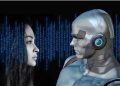
Artificial intelligence is likely to transform entertainment even more dramatically in the coming years.
AI systems can already:
- Generate music
- Create visual art
- Recommend content
- Edit videos
- Write scripts
- Simulate voices
- Produce virtual influencers
Future entertainment may become hyper-personalized, with AI dynamically adapting content to individual preferences.
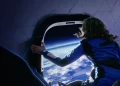
Virtual reality and augmented reality may create immersive entertainment environments where users actively participate in narrative experiences.
AI-generated content may also dramatically increase the quantity of available entertainment, intensifying competition for human attention.
This raises important questions about authenticity, creativity, and the role of human artists in digital culture.
Conclusion: Living Inside Entertainment
The streaming generation lives in a world where entertainment is no longer occasional — it is continuous, personalized, portable, and algorithmically optimized.
Digital entertainment transformed culture, business, communication, creativity, and social interaction. Streaming systems gave audiences unprecedented access to global content while empowering individuals to become creators themselves.
Yet this transformation comes with trade-offs. Infinite content ecosystems compete aggressively for human attention, reshape focus patterns, influence emotional regulation, and blur the boundaries between leisure and addiction.
The future of entertainment will likely become even more immersive through artificial intelligence, virtual reality, and interactive media systems. Human beings may soon inhabit entertainment environments that adapt dynamically to mood, personality, and behavior.
In this rapidly evolving landscape, the central challenge will not simply be accessing entertainment, but learning how to engage with it consciously and sustainably.
Ultimately, the streaming revolution is not only changing what people watch. It is changing how people think, feel, connect, and experience reality itself.











Discussion about this post