











Introduction: A New Definition of Freedom
For most of modern history, work was tied to location. People lived near offices, factories, stores, or farms because economic survival depended on physical presence. Cities grew around business districts, transportation systems evolved around commuting patterns, and daily life revolved around geographic stability. Success often meant climbing corporate ladders inside physical buildings.
Today, that model is rapidly changing.
The rise of high-speed internet, cloud computing, video conferencing, collaborative software, and digital communication platforms has created a new way of living and working: remote living. At the center of this transformation is the digital nomad generation — individuals who use technology to work independently of location while designing flexible lifestyles around mobility, freedom, and personal experience.
Digital nomadism was once considered a niche lifestyle associated mainly with freelancers, travel bloggers, and tech entrepreneurs. Now it has become a mainstream cultural movement influencing global labor markets, tourism industries, urban development, and even immigration policies. Millions of professionals now work remotely either full-time or partially, while some choose to travel continuously between cities and countries while maintaining digital careers.
The digital nomad lifestyle represents far more than working from beaches with laptops. It reflects deeper cultural changes involving attitudes toward work, identity, productivity, ownership, and quality of life. Younger generations increasingly prioritize flexibility over traditional career structures. Many people no longer view stability as permanent residence or long-term employment with one company. Instead, they value mobility, autonomy, and the ability to design personalized lifestyles.
However, the remote living revolution is not without complications. While social media often romanticizes digital nomad life, the reality includes instability, loneliness, burnout, financial uncertainty, visa limitations, and blurred boundaries between work and leisure. The lifestyle can offer extraordinary freedom while simultaneously creating new forms of pressure and insecurity.
This article explores the rise of remote living and digital nomad culture, examining how technology has enabled this lifestyle, why it appeals to modern workers, the psychological and economic implications involved, and what the future of location-independent living may look like.
The Origins of Digital Nomad Culture
From Early Freelancers to Global Remote Workers
The idea of working remotely is not entirely new. Freelancers, writers, consultants, and independent contractors have long worked outside traditional offices. However, widespread digital nomadism only became possible when several technological and cultural factors aligned.
The first major factor was internet accessibility. Reliable global internet infrastructure allowed professionals to communicate, send files, attend meetings, and manage projects online from virtually anywhere.
The second factor was the growth of cloud computing. Workers no longer needed office-based servers or physical storage systems because documents and software became accessible online.
The third factor was the rise of collaborative digital tools. Platforms for communication, project management, file sharing, and virtual meetings made distributed teamwork increasingly practical.
Finally, cultural attitudes toward work began changing. Younger generations questioned traditional corporate structures and sought lifestyles emphasizing personal fulfillment, flexibility, and work-life integration.
Early digital nomads were often concentrated in industries such as:
- Graphic design
- Software development
- Writing and journalism
- Digital marketing
- E-commerce
- Consulting
- Photography
- Online education
As remote infrastructure improved, more industries became compatible with location-independent work.
The COVID-19 pandemic accelerated this shift dramatically. Companies that previously resisted remote work suddenly discovered that many employees could remain productive outside physical offices. Remote work evolved from temporary emergency adaptation into permanent organizational strategy.
Today, digital nomadism has become part of mainstream digital lifestyle culture.
Technology as the Foundation of Remote Living
The Tools That Made Location Independence Possible
Without digital technology, remote living would not exist at scale. The digital nomad lifestyle depends entirely on interconnected technological systems that support communication, productivity, collaboration, and financial management.
Several key technologies made this revolution possible.
Cloud-Based Work Systems
Cloud computing allows professionals to access documents, software, and work environments from multiple devices and locations. Workers can transition between laptops, tablets, and smartphones while maintaining synchronized workflows.
This flexibility removes dependence on centralized office infrastructure.
Video Communication Platforms
Video conferencing transformed remote collaboration. Virtual meetings became standard across industries, reducing the need for physical presence.
Professionals can now participate in global business operations from cafes, co-working spaces, apartments, airports, or temporary accommodations.
This shift normalized distributed teams operating across multiple time zones.
Digital Payment Systems
Global payment platforms simplified international freelancing and remote business operations. Remote workers can invoice clients, receive payments, manage subscriptions, and conduct transactions online.
Digital banking also supports financial mobility, allowing travelers to manage funds internationally with fewer restrictions than previous generations faced.
Portable Work Hardware
Modern laptops, tablets, wireless accessories, and smartphones provide enormous computing power in highly portable forms.
Battery improvements, lightweight designs, and mobile internet connectivity allow professionals to work from almost anywhere.
The office is no longer a building; it is a portable ecosystem.
Artificial Intelligence and Automation
AI tools increasingly support remote workers by automating repetitive tasks, assisting with writing and research, organizing schedules, summarizing meetings, generating creative content, and improving productivity.
AI may further expand remote work opportunities by reducing operational barriers for independent professionals.
Why the Digital Nomad Lifestyle Appeals to Modern Generations
Freedom, Flexibility, and Personal Control
The popularity of remote living reflects broader dissatisfaction with traditional work structures.
Many workers feel exhausted by long commutes, rigid schedules, office politics, and high living costs in major urban centers. Remote lifestyles promise alternatives.
Several motivations drive people toward digital nomadism.
Geographic Freedom
One of the strongest attractions is location independence. Remote workers can choose where they live based on personal preference rather than office proximity.
Some move to quieter rural areas. Others relocate to countries with lower living costs, warmer climates, or stronger cultural appeal.
For many, the ability to redesign daily life around personal values rather than corporate geography feels deeply liberating.
Flexible Scheduling
Traditional office culture often emphasizes fixed schedules regardless of productivity patterns.
Remote living allows many workers to structure schedules around personal energy levels and lifestyles. Some work early mornings. Others prefer late nights. Some divide work throughout the day.
This flexibility can improve autonomy and life satisfaction.
Travel and Cultural Exploration
Digital nomads often combine work with long-term travel experiences.
Instead of taking short vacations once or twice a year, some individuals live temporarily in multiple countries while continuing professional careers.
This creates opportunities for cultural immersion, language learning, and global networking.
Escape from Expensive Urban Systems
Major global cities often involve extremely high housing costs, long commutes, and intense competition.
Remote work allows individuals to maintain income while living in more affordable locations.
This economic flexibility is especially attractive to younger generations facing housing affordability crises in many urban centers.
Pursuit of Lifestyle-Centered Living
Traditional career culture often required people to organize life around work.
Digital nomad culture reverses this relationship. Many remote workers organize work around desired lifestyles instead.
This shift reflects broader cultural changes prioritizing experience, mental health, flexibility, and personal fulfillment.
The Rise of Co-Working and Co-Living Spaces
Building Community in a Mobile World
As remote lifestyles expanded, new industries emerged to support them.
Co-working spaces provide shared professional environments for freelancers, entrepreneurs, and remote employees. These spaces offer internet access, meeting rooms, networking opportunities, and social interaction.
Co-working became especially important because many remote workers struggle with isolation when working alone.
Similarly, co-living spaces combine housing with community-oriented environments designed for mobile professionals. Residents often share kitchens, social areas, and organized events.
Cities popular with digital nomads developed ecosystems supporting remote lifestyles, including:
- Fast internet infrastructure
- Cafes with work-friendly environments
- Affordable accommodations
- International communities
- Networking events
- Visa programs for remote workers
Some countries now actively compete to attract remote workers because digital nomads contribute to local economies through housing, dining, tourism, and services.
Social Media and the Romanticization of Digital Nomadism
The Aesthetic of Freedom
Social media platforms played a major role in popularizing digital nomad culture.
Images of laptops beside tropical beaches, minimalist apartments, scenic cafes, and international adventures create powerful lifestyle aspirations.
Influencers often portray remote living as a perfect balance between productivity and travel freedom.
However, these portrayals are often selective and idealized.
The reality of digital nomad life frequently includes:
- Long working hours
- Time zone complications
- Unstable internet connections
- Loneliness
- Visa bureaucracy
- Financial uncertainty
- Difficulty maintaining routines
- Burnout from constant movement
The gap between online representation and lived experience can create unrealistic expectations.
Many digital nomads eventually discover that constant travel can become exhausting rather than liberating. Stability, community, and routine remain important human needs.
As a result, some remote workers transition from continuous travel to slower, semi-permanent living arrangements.

The Psychological Impact of Remote Living
Freedom and Isolation at the Same Time
Remote living offers autonomy, but it can also challenge mental well-being.
Traditional workplaces provide social structure, routine, and spontaneous interaction. Remote workers often lose these elements.
Isolation is one of the most common psychological challenges among digital nomads. Constant movement can make it difficult to maintain long-term friendships or stable communities.
Additionally, blurred boundaries between work and personal life may increase stress. Without physical separation between office and home environments, many remote workers struggle to disconnect mentally from work responsibilities.
Another issue is decision fatigue. Constantly managing travel logistics, accommodations, visas, transportation, and scheduling can become mentally exhausting.
At the same time, many remote workers report increased happiness due to greater personal freedom and reduced commuting stress.
The psychological success of remote living often depends on intentional habit-building, social connection, and work-life boundaries.
Productivity in the Remote Era
Does Remote Work Actually Increase Efficiency?
One of the biggest debates surrounding remote lifestyles involves productivity.
Supporters argue that remote work improves efficiency because employees experience fewer office distractions and greater schedule flexibility.
Critics argue that remote environments may reduce collaboration, weaken company culture, and encourage procrastination.
Research shows that productivity outcomes vary depending on:
- Personality type
- Management structure
- Home environment
- Communication systems
- Nature of the work itself
Some workers thrive independently, while others benefit from structured environments and direct social interaction.
The future workplace will likely involve hybrid systems rather than fully remote or fully office-based extremes.
Companies increasingly recognize that flexibility itself may improve employee satisfaction and retention.
Digital Nomad Economies and Global Inequality
Opportunities and Ethical Concerns
The rise of remote living has economic implications extending beyond individual workers.
Digital nomads often relocate from wealthier countries to regions with lower living costs. This can stimulate local economies but may also contribute to rising housing prices and cultural displacement.
In some cities, remote worker demand has increased rental costs beyond what local residents can afford.
This creates tensions between global mobility and local affordability.
There are also inequalities within remote work culture itself. Digital nomadism is often more accessible to educated professionals in technology-related industries.
Workers in manufacturing, healthcare, transportation, retail, and many service industries cannot easily participate in location-independent lifestyles.
As a result, remote living may widen social divides between digitally mobile workers and location-dependent labor forces.
Governments and businesses will increasingly need to address these inequalities as digital economies evolve.
The Future of Cities in a Remote Work World
Reimagining Urban Life
If large numbers of people no longer need to commute daily, cities themselves may transform.
Business districts originally designed around centralized office culture may evolve into mixed-use environments focused more on residential, cultural, and community experiences.
Smaller cities and rural areas may experience population growth as remote workers seek affordable living and improved quality of life.
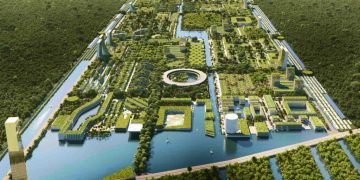
Some experts predict the rise of “distributed cities,” where people live across multiple smaller urban centers connected through digital infrastructure rather than concentrated mega-cities.
Transportation patterns, real estate markets, and public infrastructure planning may all change significantly.
The future city may prioritize flexibility, sustainability, and digital connectivity over traditional corporate density.
Artificial Intelligence and the Next Phase of Remote Work
Intelligent Productivity Systems
Artificial intelligence is likely to accelerate remote work evolution even further.
AI systems can automate repetitive administrative tasks, improve scheduling, generate reports, assist communication, and enhance collaboration.
This may reduce the operational complexity of independent work and allow smaller teams to accomplish larger projects.
AI-powered translation tools may also reduce language barriers for global collaboration.
Virtual reality and augmented reality technologies could eventually create immersive remote work environments that simulate physical presence more effectively than current video conferencing systems.
However, automation may also disrupt certain remote professions entirely.
The relationship between AI and remote work will involve both empowerment and displacement.
Building Sustainable Remote Lifestyles
Beyond Constant Travel
As digital nomad culture matures, many workers are shifting away from nonstop travel toward more sustainable forms of remote living.
Instead of changing countries every few weeks, some remote professionals now spend several months or years in one location.
This “slow remote living” model allows individuals to build routines, relationships, and deeper local connections while maintaining flexibility.
Many people are realizing that true lifestyle freedom requires balance rather than constant movement.
Sustainable remote lifestyles often involve:
- Stable routines
- Clear work boundaries
- Long-term financial planning
- Strong social support systems
- Intentional technology use
- Mental health awareness
The future of remote living may become less about escaping structure entirely and more about designing healthier, more personalized forms of structure.
Conclusion: The World Without Geographic Limits
The rise of remote living and digital nomad culture represents one of the most important lifestyle transformations of the 21st century. Technology has broken the historical connection between work and physical location, giving millions of people unprecedented flexibility.
This shift reflects broader cultural changes involving freedom, identity, productivity, and the meaning of success. Many people are no longer satisfied with traditional models of work-centered living. They seek lifestyles offering greater autonomy, mobility, and alignment with personal values.
Yet remote living is not a universal solution. Freedom comes with trade-offs. Digital nomadism can create instability, isolation, and burnout just as easily as excitement and liberation.
The future likely belongs neither to permanent offices nor endless travel, but to hybrid lifestyles that combine flexibility with stability. Human beings still need community, belonging, and routine even in highly digital societies.
Ultimately, the remote living revolution is not only about technology. It is about humanity redefining how life itself should be organized in a connected world where geography matters less than ever before.












Discussion about this post