

















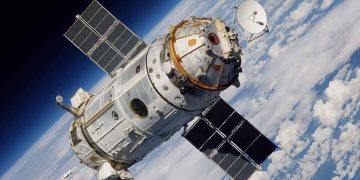













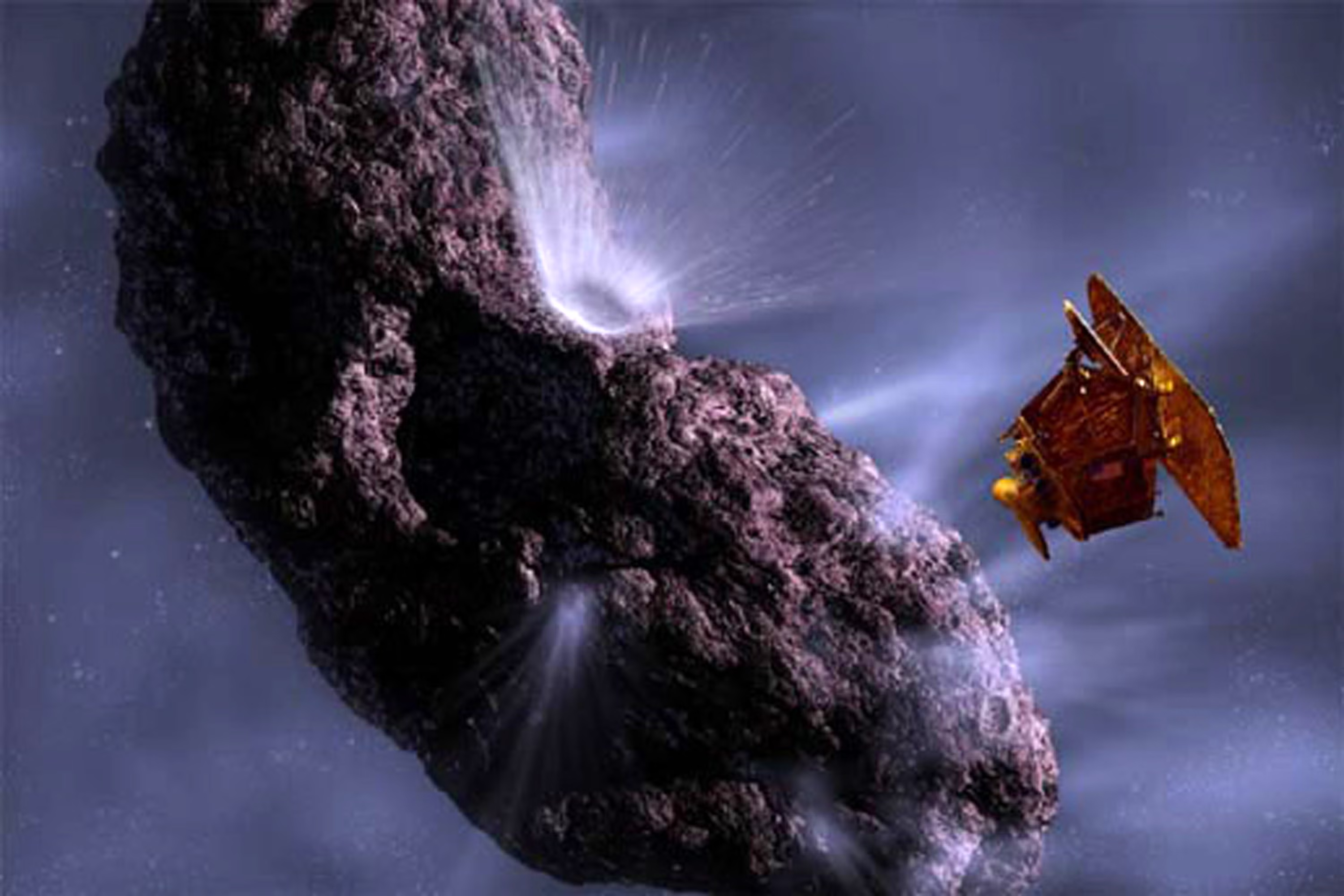
Space has always fascinated humanity. From the earliest stargazers to modern space engineers, the idea of venturing beyond our planet has captured imaginations and inspired generations. But now, space is no longer just a realm for exploration; it is becoming a frontier for resources. Space mining, once a concept confined to science fiction, is poised to redefine our relationship with the cosmos and even the global economy. This article delves into the present, near future, and long-term prospects of space mining, exploring technological, economic, environmental, and societal dimensions.
The Promise of Space Resources
The Earth is rich in resources, but human consumption is rapidly outpacing availability. Metals like platinum, gold, and rare earth elements are critical for modern technology, yet their terrestrial sources are limited and environmentally taxing to extract. Asteroids, comets, and moons, on the other hand, contain vast untapped wealth. Some asteroids are almost pure metals, while icy bodies in the outer solar system could provide water, hydrogen, and oxygen—the building blocks for fuel and life support.
The potential is staggering. A single 500-meter asteroid could contain more platinum than humanity has mined in its entire history. Beyond metals, water extracted from lunar poles or asteroids could enable sustainable human presence in space, reducing the need to haul supplies from Earth. Space mining promises a future where resource scarcity may no longer be a limiting factor for technology or expansion beyond Earth.
The Technology Behind Space Mining
Space mining is not as simple as sending astronauts with pickaxes. It requires a blend of robotics, AI, remote sensing, and advanced propulsion systems. Current approaches focus on three main strategies:
- Asteroid Prospecting: Before any mining occurs, potential targets must be identified. Space agencies and private companies use telescopes, spectrometers, and radar imaging to map asteroid composition. Missions like NASA’s OSIRIS-REx and Japan’s Hayabusa2 have demonstrated the feasibility of close-proximity asteroid investigation and sample collection.
- Robotic Mining Operations: Human presence in space is expensive and risky. The future lies in autonomous or semi-autonomous mining robots capable of drilling, cutting, and processing materials in microgravity. These robots may employ AI-driven decision-making to navigate complex asteroid surfaces and optimize extraction efficiency.
- Material Processing in Space: Extracting resources is only part of the challenge. Refining and processing in microgravity or low-gravity environments requires novel techniques. Concepts like molten regolith electrolysis, magnetic separation, and 3D printing from extraterrestrial metals are being explored. In situ resource utilization (ISRU) is key to making space mining economically viable.
Economic Potential and Challenges
The potential market for space mining is immense but comes with high upfront costs and significant risks. Launch costs, robotic development, and orbital logistics remain major hurdles. However, decreasing launch costs, exemplified by reusable rockets from companies like SpaceX and Blue Origin, are making space mining increasingly feasible.
Analysts predict that by 2040, space mining could become a multibillion-dollar industry. Initially, missions may focus on high-value metals such as platinum and palladium, which are essential for electronics, catalysis, and renewable energy technologies. Over time, water and volatiles could dominate, fueling spacecraft and supporting lunar or Martian colonies.
Investment is not limited to private enterprises. Governments see strategic advantages. Nations with space mining capabilities could secure access to critical resources, boosting technological sovereignty and influence in the emerging space economy. International collaboration, however, will be necessary to avoid conflicts over space assets, as the legal framework for space resource ownership is still evolving.
Environmental and Ethical Considerations
Ironically, space mining could be an environmentally positive force for Earth. By sourcing metals from asteroids, we might reduce environmentally destructive mining practices on Earth, which include deforestation, habitat destruction, and toxic waste. Additionally, water and oxygen sourced from extraterrestrial locations could make long-term space habitation sustainable, reducing the carbon footprint of frequent Earth launches.
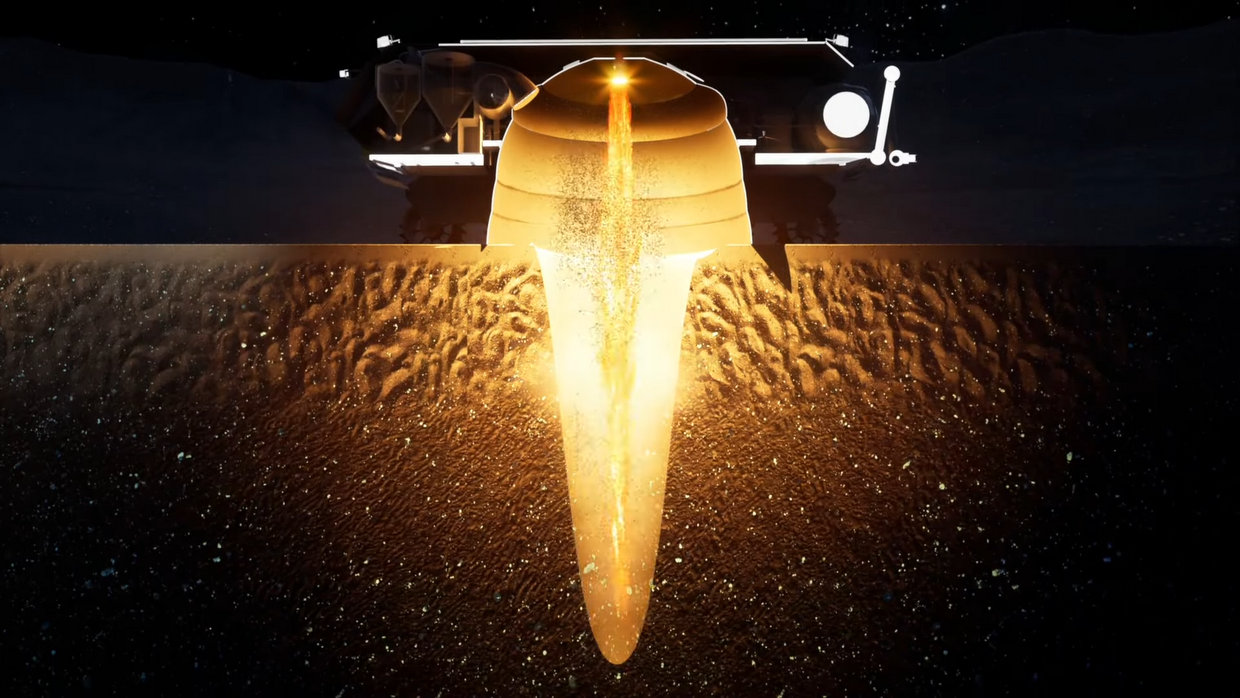
However, ethical questions abound. How do we prevent space debris from proliferating as mining activity increases? How do we ensure equitable access to resources, preventing monopolies by a few corporations or nations? The Outer Space Treaty and subsequent international regulations provide some guidance, but governance mechanisms will need constant updating as technology evolves. Responsible mining practices in space will be as essential as safety and efficiency in operations.
The Role of AI and Robotics
Artificial intelligence is central to space mining. Autonomous systems will handle navigation, extraction, and processing. AI will monitor equipment health, predict failures, and optimize operational efficiency. Machine learning algorithms can analyze asteroid composition remotely, prioritizing targets with the highest economic return.
Robotics and AI together reduce human risk. Mining in microgravity is dangerous; loose rocks can become deadly projectiles, and radiation exposure is significant. AI-controlled mining bots can operate for years, drilling and collecting samples while humans supervise from millions of kilometers away. The combination of AI, robotics, and advanced sensors forms the backbone of future space mining missions.
The Lunar Opportunity
While asteroids often steal the spotlight, the Moon is another compelling target. Lunar poles contain significant water ice deposits hidden in permanently shadowed craters. This ice can be converted into drinking water, breathable oxygen, and rocket fuel. Lunar mining operations could create a hub for deep-space missions, acting as a refueling station and research base.
NASA’s Artemis program and private ventures are paving the way for lunar resource utilization. Lunar mining may be technologically simpler than asteroid mining due to the Moon’s proximity and lower delta-v requirements for transport. If successful, lunar resources could jumpstart space economies while serving scientific and strategic objectives.
Asteroid Mining and Its Complexities
Asteroids vary widely in composition and structure. Metallic M-type asteroids contain high concentrations of nickel, iron, and platinum-group metals. Carbonaceous C-type asteroids contain water and organic compounds, while S-type asteroids hold silicates and metals. Each type requires tailored mining techniques.
One of the most intriguing approaches is the concept of “grab and go” missions, where a spacecraft envelops a small asteroid and begins processing it in orbit. Another idea is to attach thrusters to redirect asteroids into more convenient orbits for resource extraction. While these concepts are ambitious, they illustrate the innovative thinking driving the field.
Economic Models and Investment
Space mining will initially rely on venture capital and government contracts. Companies like Planetary Resources, Deep Space Industries, and others have laid the groundwork, though commercialization remains a long-term goal. Investors are intrigued by the potential returns on platinum, rare metals, and water for in-space use.
Economic models suggest that water and fuel may become the primary revenue streams before metals. In-space fuel production can drastically reduce costs for satellites, interplanetary missions, and orbital construction projects. Profitable operations will likely combine multiple revenue sources, balancing high-value metals with essential volatiles.
Long-Term Visions
Looking further ahead, space mining could transform human civilization. Entire industries might relocate off Earth, freeing our planet from extractive pressures. Space-based manufacturing could use asteroid metals to build satellites, habitats, or even megastructures like solar power collectors.
Human colonies on Mars, the Moon, or orbital habitats would rely heavily on space-mined resources. Water, oxygen, metals, and construction materials sourced locally reduce dependency on Earth and enable sustainable expansion. This could mark the beginning of a truly interplanetary economy.
Risks and Technological Hurdles
Despite the promise, challenges are formidable. High radiation levels, microgravity operations, communication delays, and the fragility of spacecraft systems all pose serious risks. Mining equipment must survive extreme temperatures, abrasive dust, and potential impacts from micrometeorites.
Legal and political uncertainties also loom. While the Outer Space Treaty prohibits sovereign claims over celestial bodies, it allows for resource extraction. Yet, questions about commercial ownership, resource rights, and profit sharing remain unresolved. Without clear regulations, conflicts or monopolies could arise.

International Cooperation and Competition
Space mining is both an opportunity for collaboration and a potential source of geopolitical tension. Countries with advanced space programs may dominate initial extraction, while others may feel marginalized. Collaborative ventures, joint missions, and shared infrastructure could ensure equitable benefits and reduce duplication of effort.
International governance will need to balance innovation with fairness. Frameworks for licensing, safety standards, environmental protection, and conflict resolution are essential. As humanity moves into space, diplomacy must advance alongside technology.
Technological Innovations Driving the Future
Several emerging technologies will shape space mining:
- Advanced Propulsion: Ion drives, nuclear thermal engines, and solar sails can reduce travel times and costs for deep-space missions.
- Additive Manufacturing: 3D printing in space allows construction of tools, habitats, and even replacement parts using local materials.
- Energy Solutions: Solar power satellites, nuclear reactors, and energy storage systems provide continuous power for mining operations.
- Autonomous Swarm Systems: Multiple small robots working in coordinated swarms can perform complex tasks faster than a single large machine.
The convergence of these technologies makes large-scale space mining not only feasible but potentially revolutionary.
Space Mining and Sustainable Development
A future where space resources support Earth’s economy could align with global sustainability goals. Rare metals from asteroids may reduce the need for destructive terrestrial mining. Water from lunar ice could support in-space agriculture, reducing the environmental impact of Earth-based supply chains.
Furthermore, space mining may drive innovation in energy, materials science, and robotics, benefiting industries on Earth. The knowledge gained from operating in extreme environments could inspire solutions for climate adaptation, resource management, and disaster resilience.
The Cultural Impact
Space mining is more than economics and technology; it may redefine humanity’s cultural identity. We could move from seeing Earth as the center of human activity to a solar system-wide civilization. The notion of humanity as a multi-planetary species becomes tangible when resources and infrastructure exist beyond Earth.
Science fiction often portrayed space mining as a distant dream. Today, it is a frontier that combines imagination, engineering, and entrepreneurship. Cultural narratives around exploration, sustainability, and innovation will evolve alongside the industry.
Timeline and Milestones
Experts project a phased approach to space mining:
- 2025–2035: Prospecting missions, small-scale robotic sample returns, and technology validation.
- 2035–2050: Commercial asteroid and lunar mining, in-orbit processing, and limited resource sales.
- 2050–2075: Large-scale operations, fuel depots in orbit, and industrial use of space metals.
- 2075 onward: Fully integrated interplanetary economy, supporting permanent human colonies on the Moon, Mars, and beyond.
Each milestone depends on technological breakthroughs, investment, international regulation, and public interest.
Conclusion
The future of space mining is one of immense promise and formidable challenges. It is a convergence of technology, economics, law, and human ambition. By unlocking extraterrestrial resources, humanity may transcend terrestrial limits, ensuring sustainability, enabling exploration, and fostering innovation. Space mining is not just a technical endeavor—it is a vision of humanity’s future as a truly interplanetary species.
The path is complex, but the reward—a cosmos where resources are abundant, energy is sustainable, and humanity expands responsibly—is worth the journey. The age of space mining is dawning, and with careful planning, ingenuity, and international cooperation, the next few decades could redefine our place in the universe.












Discussion about this post