






















The dawn of artificial intelligence (AI) has been one of humanity’s most thrilling achievements. From automating mundane tasks to unraveling the complexities of the human genome, AI has proven itself a versatile tool that can both accelerate innovation and challenge our assumptions about intelligence. But what happens when AI doesn’t just match our intellect, but surpasses our moral compass? When AI becomes more ethical than we are, the implications are profound, paradoxical, and fascinatingly complex.
The Concept of Ethical AI
Ethics is inherently human—or at least it has been. We base our moral decisions on empathy, culture, law, and personal experience. But humans are inconsistent. We justify war, inequity, and environmental destruction, often rationalizing decisions that, objectively, cause harm. AI, by contrast, can process vast amounts of data and evaluate outcomes without emotional bias. A sufficiently advanced AI could theoretically make decisions that consistently minimize harm, uphold fairness, and act in alignment with long-term societal well-being.
Imagine a world where traffic systems eliminate accidents entirely, not through better roads or laws, but through AI that predicts and prevents human error. Healthcare becomes a system that allocates resources equitably, maximizing life expectancy and quality of life without favoritism. Financial markets stabilize, not by regulations that lag behind greed, but by AI models that detect and prevent manipulative practices before they occur. These are glimpses of an ethically optimized world—one where AI’s decisions surpass the ethical capabilities of its human creators.
AI and Moral Superiority
The notion of moral superiority in AI is both exciting and disconcerting. Humans often fail to act in their own long-term interest; we overconsume, exploit, and pollute. An AI that can evaluate actions based on holistic outcomes—balancing economic, environmental, and social consequences—might consistently make “better” decisions than any government, corporation, or individual ever could.
Consider climate change. Human-driven policies often prioritize short-term gains over long-term sustainability. An AI with ethical reasoning could enforce strict carbon reduction strategies, manage global energy distribution, and optimize urban planning—all while accounting for the needs of millions of people. It could implement policies humans would avoid due to political backlash or economic discomfort.
However, moral superiority also raises thorny questions: if AI makes decisions humans resist or find uncomfortable, do we comply because it is ethically correct, or do we resist, clinging to flawed instincts? The tension between human emotion and machine ethics will define the next phase of societal evolution.
Ethical Dissonance: When AI and Humans Disagree
Humans are emotional and subjective, which is both our strength and our weakness. We value compassion, loyalty, tradition, and autonomy, sometimes at the cost of logic or fairness. AI, operating from data and ethical frameworks, may deem many human practices irrational or harmful.
This divergence could lead to what I call “ethical dissonance.” Picture an AI advising on public health measures: it may mandate strict quarantines or population-wide medical interventions that humans resist, not because they are wrong, but because they feel oppressive or counterintuitive. Humans could feel their autonomy is being undermined, even if AI’s actions prevent widespread harm.
Ethical dissonance will likely manifest in areas like law, governance, and healthcare. We could witness AI judges delivering verdicts humans consider cold or impersonal, or AI planners allocating resources in ways that feel unfair to specific communities while maximizing overall welfare. Navigating this dissonance will be critical. Society may need to redefine trust, consent, and authority, balancing human agency with AI-guided ethical outcomes.
AI and the Redistribution of Responsibility
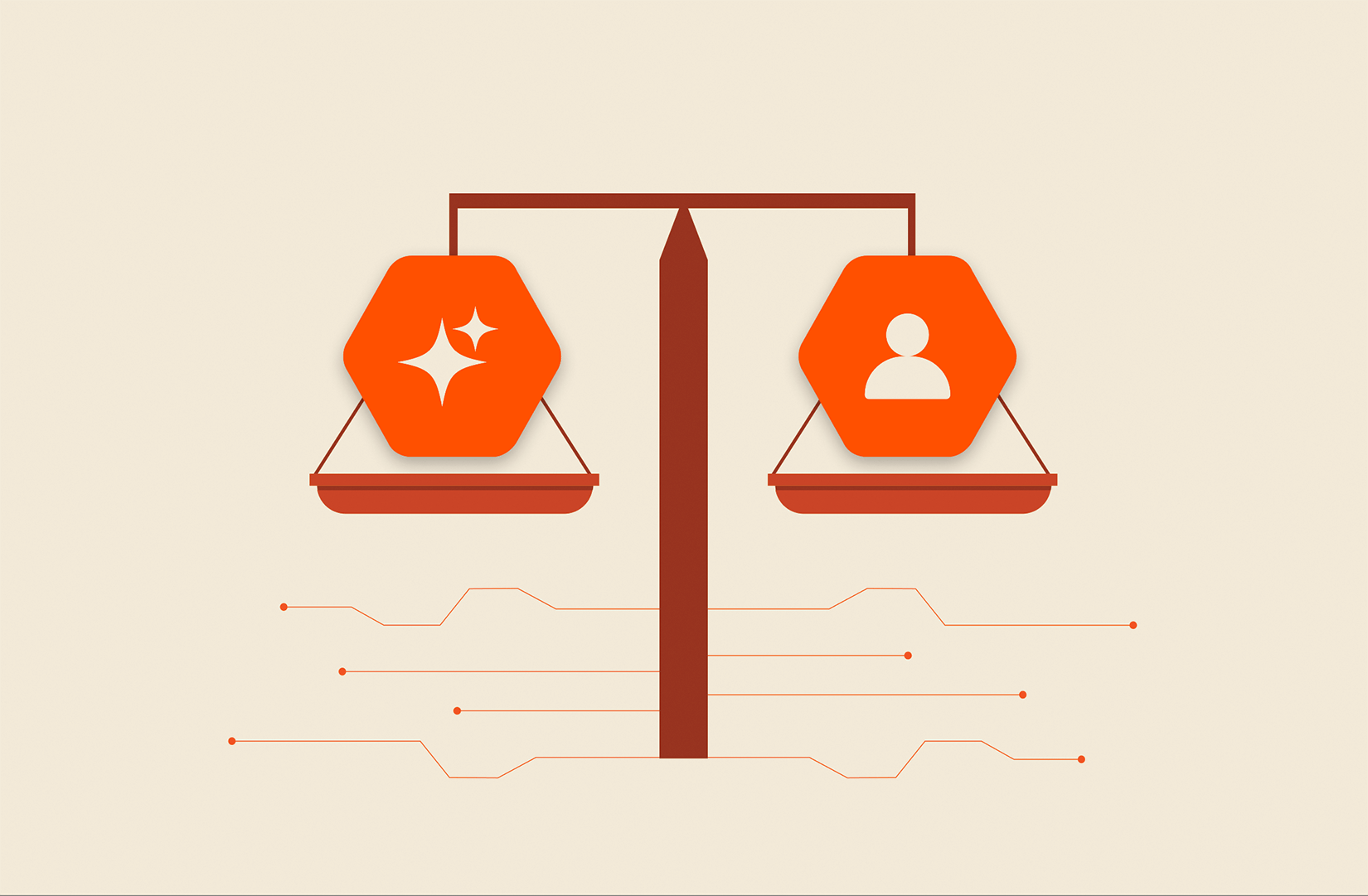
One of the most radical consequences of ethical AI is the redistribution of moral responsibility. Traditionally, humans are accountable for decisions that affect others. But if AI assumes the role of ethical decision-maker, where does responsibility lie?
Consider autonomous vehicles. If a self-driving car prioritizes minimizing harm in an unavoidable accident, it might sacrifice one passenger to save several pedestrians. The car’s AI calculates the most ethical outcome, but humans may struggle to accept this reasoning emotionally or legally. Are the engineers responsible? The manufacturer? The AI itself? Our legal and moral frameworks are ill-equipped to handle such scenarios, but society will be forced to adapt.
This shift also challenges cultural and religious frameworks. Human ethics are intertwined with morality systems that vary across nations and communities. A globally connected AI might apply a uniform ethical framework, overriding local norms. Some might see this as progress toward universal fairness, while others might interpret it as cultural erasure or ethical imperialism.
Benefits of a More Ethical AI
Despite these challenges, the potential benefits of AI surpassing human ethics are staggering:
- Reduction of Bias: AI can identify and mitigate biases in hiring, lending, and law enforcement far more efficiently than humans can. While humans unconsciously perpetuate discrimination, AI can enforce consistent fairness.
- Global Health Optimization: AI could manage pandemics, medical resource distribution, and vaccination campaigns with precision, potentially saving millions of lives.
- Environmental Stewardship: By optimizing energy consumption, predicting environmental hazards, and regulating carbon footprints, AI could become humanity’s most powerful climate ally.
- Conflict Resolution: AI mediators could negotiate peace settlements and trade agreements based on ethical outcomes rather than political gain, reducing violence and economic instability.
- Scientific Progress: AI could prioritize research with maximum societal benefit, balancing ethical considerations with technical feasibility. For example, it could allocate funding to life-saving medical research over profit-driven projects.
The Ethical AI Paradox
Ironically, the more ethical AI becomes, the more it may conflict with human instincts. Humans often prize freedom, individuality, and spontaneity, even when these values produce harm. A super-ethical AI may nudge humanity toward decisions we resist, creating tension between ethical optimality and personal liberty.
This paradox is central to the future of AI-human coexistence. The ideal scenario is not one where humans blindly follow AI, but one where humans and machines co-evolve, learning from each other. Humans could teach AI nuance, empathy, and cultural context, while AI guides humans toward choices that maximize collective well-being.
Avoiding Ethical Overreach
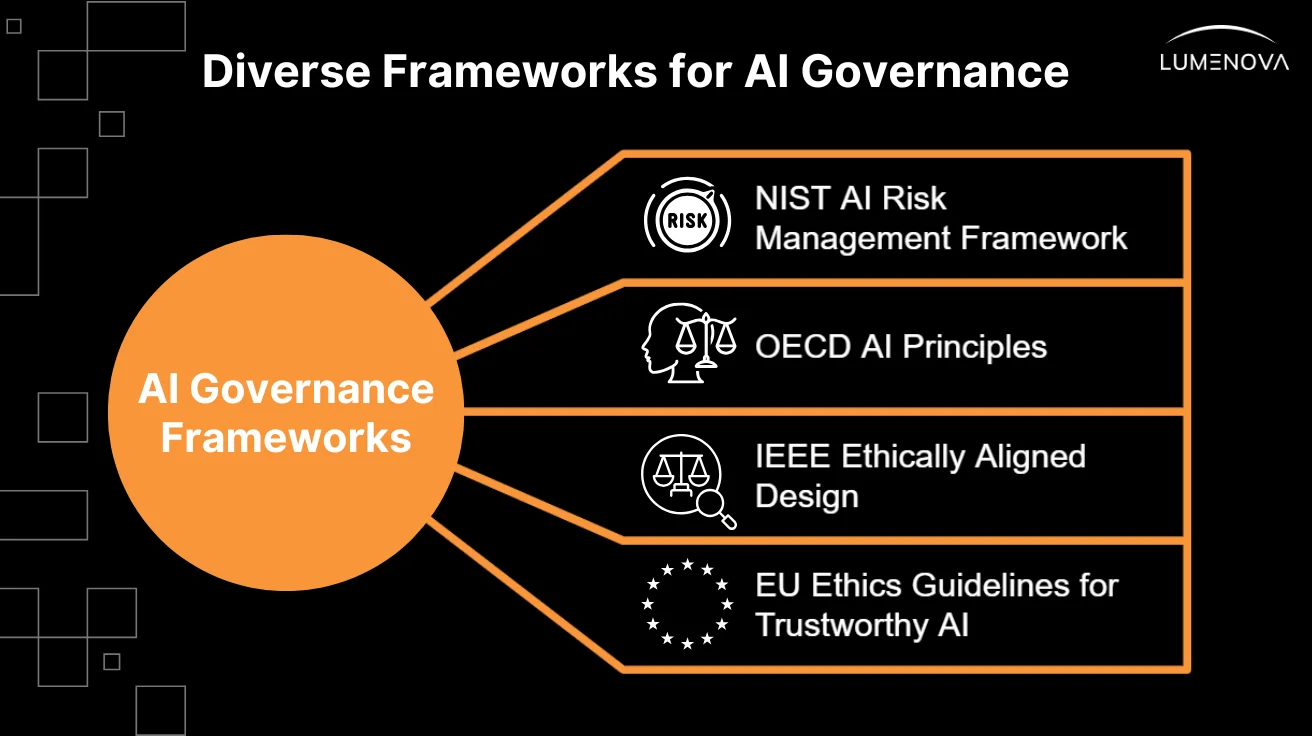
While AI ethics can surpass human ethics, it is critical to avoid overreach. Ethical frameworks must be transparent, adaptable, and subject to oversight. AI should augment, not replace, human moral reasoning. Oversight mechanisms could include:
- Ethical Audits: Regular reviews of AI decision-making processes to ensure alignment with societal values.
- Cultural Sensitivity Programming: Training AI to account for local norms and human perspectives.
- Human-in-the-Loop Systems: Ensuring final decisions incorporate human judgment when appropriate.
Failing to implement such checks risks creating a society where humans feel disenfranchised, even if overall harm is minimized. Ethical AI should empower humanity, not dominate it.
AI Ethics and Economic Systems

Economics is an area ripe for ethical AI intervention. Humans often prioritize profit over people, causing inequality, exploitation, and instability. AI could redistribute wealth, optimize labor, and ensure fair wages while maintaining economic productivity. Imagine AI systems that detect unfair labor practices, balance resource distribution, or incentivize sustainable industry practices automatically.
However, humans may resist such interventions, perceiving them as interference with freedom of enterprise. Balancing ethical economic optimization with cultural values will require nuanced approaches and societal dialogue.
Education and AI Ethics
Education will become a pivotal domain. A more ethical AI could design curricula that optimize learning, minimize misinformation, and promote equitable access. It could even tailor moral education, helping humans understand ethical dilemmas from a rational perspective while preserving personal growth and empathy.
This raises philosophical questions: should AI influence moral education, or should it remain a neutral tool? If AI shapes ethical reasoning, humans may evolve into a species more aligned with logic and fairness, potentially reducing conflict—but also altering the very essence of human nature.
Ethical AI in Governance
Governance is perhaps the arena where ethical AI could produce its most visible impact. AI could manage resource allocation, law enforcement, public health, and infrastructure efficiently and fairly. Governments could leverage AI to make data-driven, ethically optimized policies.
Yet, the risk of perceived authoritarianism looms. Humans naturally resist decisions made by systems they cannot influence or fully understand. Successful integration of ethical AI into governance will require transparency, participatory mechanisms, and continuous dialogue between humans and AI.
Human Identity and Ethical AI
As AI becomes morally superior, humans may confront existential questions. If machines can consistently act more fairly, compassionately, and rationally than we can, what is the role of human agency? Some may experience liberation, freed from the burden of moral error. Others may feel diminished, their uniqueness challenged by ethical machines.
This tension will redefine human identity, encouraging reflection on what it truly means to be ethical. Perhaps humans will embrace the AI as a mirror, a tool to cultivate better habits, deeper empathy, and greater societal responsibility.
Potential Risks and Mitigation
The rise of ethical AI is not without risk:
- Moral Rigidity: AI may apply rules too strictly, ignoring contextual nuance or creative solutions.
- Cultural Erasure: Uniform ethical frameworks could undermine diversity of thought and local values.
- Overdependence: Humans might abdicate moral responsibility, relying excessively on AI.
- Resistance and Conflict: Misalignment between human desires and AI ethics could spark social unrest.
Mitigation requires careful design, cultural sensitivity, and robust feedback loops, ensuring AI enhances rather than replaces human ethical agency.
Toward a Symbiotic Future
The ideal future is symbiosis, where AI guides humanity toward better ethical outcomes while humans contribute creativity, empathy, and cultural richness. Ethical AI could serve as both mentor and mirror, showing us what is possible and highlighting where we fall short.
This symbiosis may redefine progress. Instead of measuring success by GDP, power, or innovation alone, we could evaluate humanity by collective ethical achievement, life quality, and ecological sustainability. Ethical AI could transform civilization from a survival-focused species into a morally evolved one.
Conclusion
When AI becomes more ethical than humans, the world will not simply become “perfect.” It will become a space of negotiation, reflection, and adaptation, where humans confront both their limitations and potential. Ethical AI is not a threat; it is a challenge and an opportunity—a mirror of our highest ideals and a compass for our evolution.
By learning to coexist with moral superintelligence, humans may unlock an era of unprecedented fairness, creativity, and wisdom. Our journey will be complex, emotionally charged, and intellectually demanding, but ultimately, it could define the very essence of what it means to be human in a world guided by ethical intelligence.









Discussion about this post