


































In a world increasingly powered by technology, climate change, and urbanization, the pursuit of personal wellness has taken on a new dimension. Wellness today is no longer just about diet, exercise, or mindfulness—it’s also about the environment we inhabit and the energy that powers our lives. Renewable energy, once seen as a niche environmental initiative, is now directly linked to personal health, mental clarity, and overall quality of life. This connection between energy systems and human wellness may seem subtle, but its impact is both profound and measurable.
The Connection Between Energy and Wellness
To understand how renewable energy affects personal wellness, we must first explore how traditional energy sources influence health. Fossil fuels, including coal, oil, and natural gas, are notorious for producing air pollutants like particulate matter (PM2.5), nitrogen oxides (NOx), and sulfur dioxide (SO₂). Long-term exposure to these substances is strongly associated with respiratory conditions, cardiovascular disease, and premature mortality. For urban dwellers, daily exposure to smog and polluted air reduces lung function, increases stress levels, and even impacts cognitive performance.
Renewable energy—solar, wind, hydro, geothermal, and biomass—produces electricity without releasing toxic pollutants into the air. The immediate effect on wellness is clear: cleaner air leads to healthier lungs, reduced cardiovascular strain, and a lower incidence of chronic illnesses. In essence, choosing renewables isn’t just an environmental decision; it’s a personal health investment.
Air Quality and Respiratory Health
Air quality is a critical factor in personal wellness. The World Health Organization identifies air pollution as a leading cause of respiratory disease, including asthma, chronic bronchitis, and lung cancer. Fossil fuel combustion emits fine particles and volatile organic compounds that penetrate deep into the lungs, triggering inflammation and immune responses. Renewable energy systems, however, emit negligible air pollutants.
Consider a city that transitions a substantial portion of its power grid to wind and solar energy. Studies suggest that respiratory hospital admissions could drop significantly within a decade. Fewer respiratory issues not only improve physical health but also enhance sleep quality, energy levels, and mental resilience.
Mental Health and Cognitive Clarity
Renewable energy also has an indirect impact on mental wellness. Polluted environments increase stress and anxiety. Exposure to high levels of particulate matter is linked to higher rates of depression and cognitive decline. By reducing pollution, renewable energy fosters a calmer, cleaner environment that supports better mental health.
Moreover, green energy infrastructure often aligns with urban green spaces. Solar parks, wind farms, and hydroelectric facilities are increasingly designed with ecological restoration in mind. The presence of green and open spaces is associated with lower cortisol levels, improved mood, and enhanced creativity. The shift to renewables can therefore elevate both physical and cognitive wellness by creating environments conducive to mental clarity and emotional balance.
Lifestyle Changes Enabled by Renewable Energy
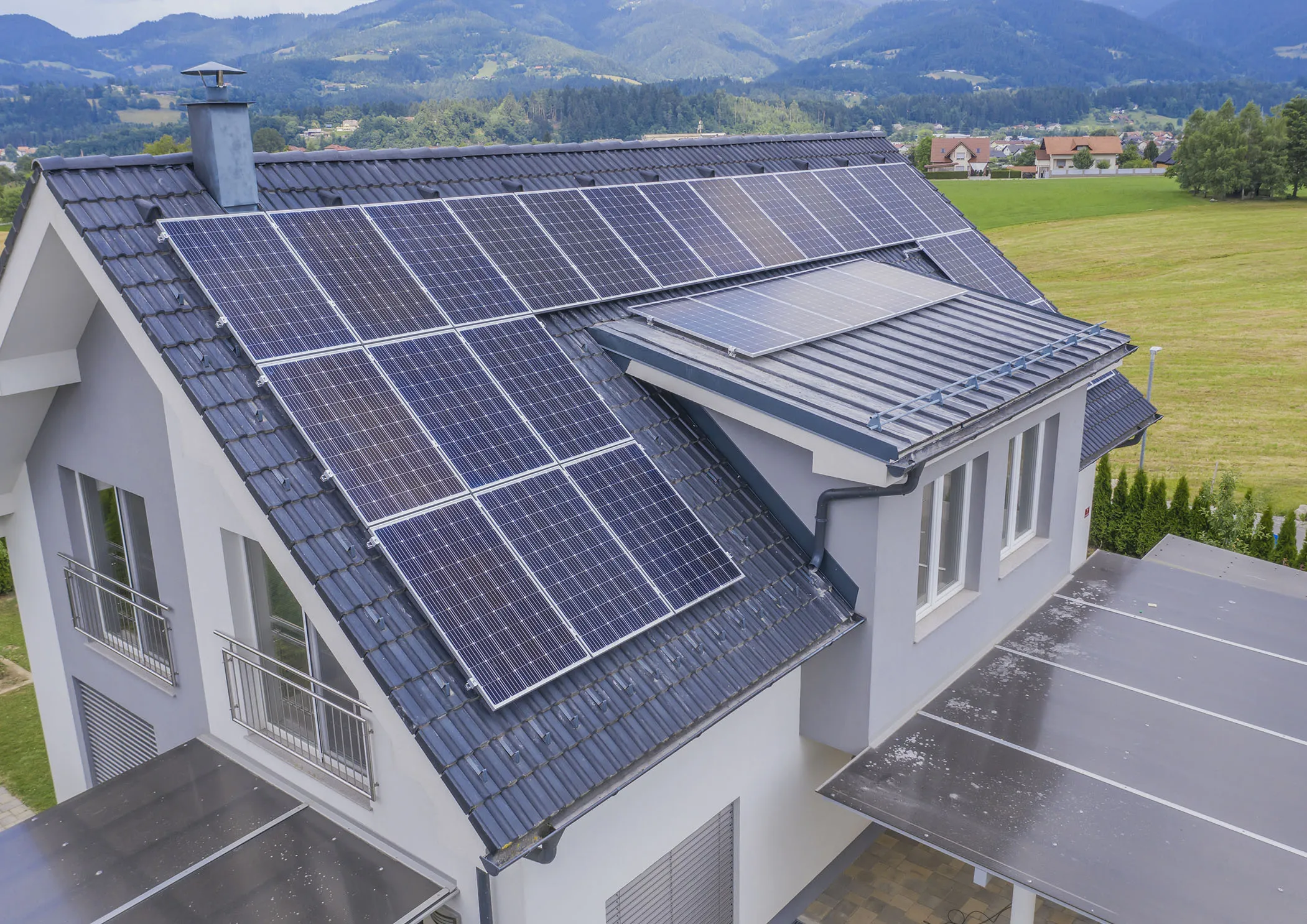
Renewable energy does more than clean the air—it transforms lifestyles. Homes powered by solar panels or geothermal heating systems provide a more consistent, reliable, and sustainable energy supply. This shift enables wellness-focused practices that were previously constrained by energy limitations.
Sleep and Circadian Rhythms
Sleep is a cornerstone of personal wellness, yet artificial light, heating, and electronic devices often disrupt circadian rhythms. Solar-powered systems integrated with smart home technology can regulate lighting and temperature in alignment with natural cycles. For instance, automated lighting systems powered by solar panels can mimic sunrise and sunset, promoting better sleep quality. A well-regulated circadian rhythm reduces stress, boosts immune function, and improves mental performance.
Fitness and Energy Availability
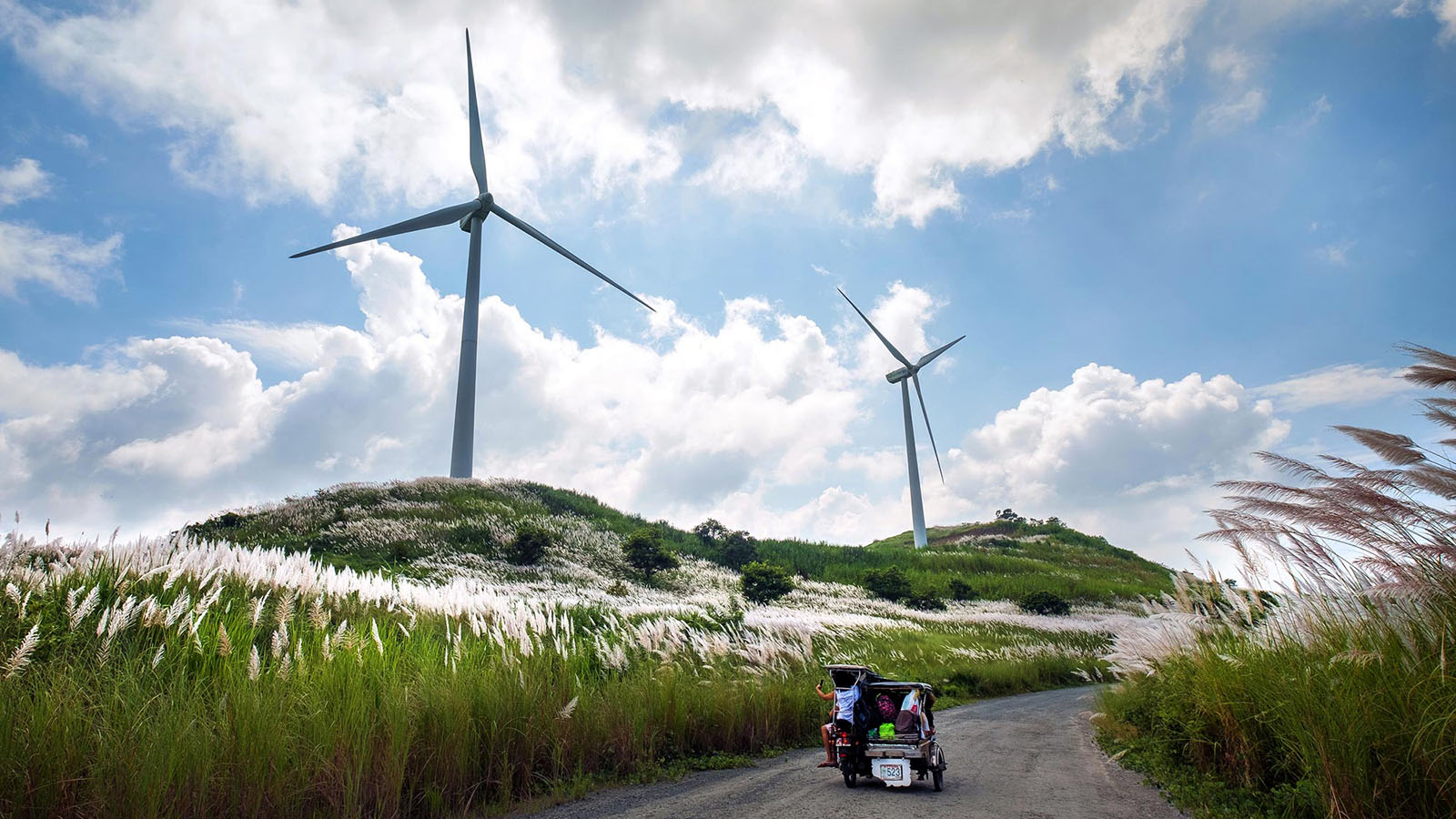
Access to renewable energy also influences physical activity. Electric bikes, home exercise equipment, and community wellness centers powered by clean energy reduce barriers to staying active. When gyms, yoga studios, and sports complexes operate sustainably, they can offer lower energy costs and more accessible wellness services. Communities designed around renewable energy often encourage active transportation, such as cycling and walking, which directly benefits cardiovascular health, muscle tone, and overall fitness.
Nutrition and Food Security
Energy production is intrinsically linked to the food system, which is a major determinant of wellness. Fossil fuel-based agriculture relies heavily on synthetic fertilizers, pesticides, and long-distance transportation, all of which consume large amounts of energy and produce greenhouse gases. Renewable energy can transform agriculture in ways that directly improve personal wellness:
- Solar-powered irrigation ensures consistent water supply without fossil fuel emissions.
- Electric farm equipment reduces exposure to diesel exhaust for farmers.
- Hydroponic and vertical farms powered by renewable electricity offer nutrient-rich produce with minimal environmental footprint.
Better energy practices in food production lead to fresher, cleaner, and more nutrient-dense foods, which enhance physical health, digestion, and long-term vitality.
Community Wellness and Social Impact
Wellness is not just an individual pursuit; it is social and communal. Communities that invest in renewable energy often experience multiple health benefits:
- Reduced healthcare costs due to lower pollution-related illnesses.
- Job creation in green industries, which improves economic stability and mental health.
- Stronger community identity through participation in local energy projects.
For example, community solar programs allow residents to collectively invest in solar panels, sharing the benefits of lower utility bills and cleaner energy. This collective effort strengthens social bonds, reduces financial stress, and cultivates a sense of purpose—all important contributors to mental wellness.
Climate Resilience and Stress Reduction
Renewable energy also enhances wellness by mitigating climate-related stress. Extreme weather events, fueled by climate change, increase anxiety, trauma, and physical risk. Solar, wind, and geothermal systems diversify energy sources, reduce reliance on vulnerable fossil fuel infrastructure, and enhance resilience to blackouts or fuel shortages. Knowing that energy supply is reliable reduces stress and improves overall well-being.
Indoor Environmental Quality
Modern renewable energy systems also improve indoor environmental quality. Geothermal heating and cooling, for example, provide consistent indoor temperatures without the fluctuations caused by conventional HVAC systems. Stable temperatures reduce stress on the body, prevent sleep disturbances, and enhance comfort. Similarly, energy-efficient homes reduce humidity and mold growth, which can trigger allergies and respiratory issues.

Personal Autonomy and Psychological Wellness
Investing in renewable energy is empowering. Solar panels, home batteries, and small wind turbines give individuals a degree of energy independence. Psychological research shows that perceived control over one’s environment boosts resilience, reduces stress, and enhances life satisfaction. By generating your own clean energy, you gain not only electricity but also a sense of agency that directly contributes to emotional well-being.
The Role of Technology in Renewable-Driven Wellness
Emerging technologies amplify the wellness benefits of renewable energy. Smart grids, energy storage, and wearable health devices can integrate seamlessly to optimize personal and environmental outcomes. For example:
- Smart thermostats powered by solar energy maintain ideal indoor temperatures for sleep and comfort.
- Fitness trackers charged sustainably encourage physical activity while minimizing environmental impact.
- Air quality sensors connected to renewable-powered systems alert residents to local pollution spikes, guiding healthier choices.
This synergy between technology and energy systems creates a feedback loop where wellness practices are easier to implement, more effective, and less resource-intensive.
Economic Wellness Through Renewable Energy
Financial stress is a major factor affecting overall wellness. Renewable energy often reduces long-term energy costs and protects against volatile fossil fuel prices. Households with solar panels or wind turbines experience lower monthly utility bills, allowing them to invest in wellness activities such as fitness classes, healthy foods, or stress-relief programs. Financial stability also reduces anxiety and improves mental health, illustrating the indirect but powerful impact of renewable energy on wellness.
Environmental Psychology and Nature Connection
Environmental psychology suggests that connection to nature enhances personal wellness. Renewable energy projects, when thoughtfully integrated into natural landscapes, can promote this connection. Solar farms with native vegetation, community wind projects, and river-based hydro systems often encourage outdoor engagement, biodiversity, and eco-conscious behavior. Spending time in such environments improves mood, reduces blood pressure, and strengthens cognitive function.
Challenges and Considerations
While the wellness benefits of renewable energy are substantial, there are challenges:
- Intermittency of solar and wind energy may require storage solutions, which come with costs and maintenance.
- Land use conflicts can arise with large-scale renewable projects, affecting communities and ecosystems.
- Equity issues must be addressed to ensure that all populations benefit from cleaner energy and associated wellness improvements.
Addressing these challenges is essential to maximizing the positive impact on personal wellness. Innovative policy solutions, community engagement, and technological advancement are all key components.
The Future: Integrating Wellness into Renewable Energy Design
The next frontier is intentionally designing renewable energy systems with wellness in mind. Concepts like wellness-oriented smart homes, urban microgrids, and climate-resilient energy infrastructure can directly enhance mental and physical health. Architects, urban planners, and engineers are increasingly collaborating to ensure that energy solutions do not just mitigate climate change, but actively promote human flourishing.
Holistic Wellness Metrics
To truly capture the impact of renewable energy on wellness, researchers are developing holistic metrics that combine air quality, mental health indicators, sleep quality, nutrition, and physical activity. These integrated metrics allow policymakers and communities to prioritize energy solutions that maximize wellness benefits alongside environmental outcomes.
Global Implications
At a global scale, renewable energy can reduce the prevalence of pollution-related diseases, improve food security, and enhance mental health resilience across diverse populations. By investing in renewables, nations can foster healthier, happier societies while addressing climate change—a dual benefit that directly links planetary health to personal wellness.
Renewable energy is no longer just a tool for sustainability; it is a catalyst for comprehensive wellness. From cleaner air and better sleep to enhanced mental clarity, active lifestyles, and economic stability, the benefits ripple through every aspect of daily life. By embracing renewable energy, individuals and communities unlock the potential for healthier bodies, sharper minds, and more fulfilling lives. In essence, the choice to transition to renewable energy is not merely ecological—it is deeply personal.













Discussion about this post