



































In today’s hyperconnected world, it feels almost impossible to step away from screens. From the moment we wake up to the instant we fall asleep, digital devices dominate our lives. Notifications ping incessantly, social media algorithms dictate our attention, and endless streams of content compete for our mental bandwidth. The notion of a digital detox—a deliberate break from electronic devices—has become increasingly appealing. But is it truly achievable, or are we simply fighting against the very infrastructure of modern life? Surprisingly, green technology, often celebrated for its environmental benefits, may offer an unexpected path toward a more mindful digital existence.
The Digital Dilemma
Our reliance on digital devices has grown at an astonishing pace. Smartphones, laptops, tablets, and smart home devices promise convenience and efficiency, yet they come with hidden costs. Studies consistently link excessive screen time to disrupted sleep, increased stress levels, decreased productivity, and even cognitive fatigue. While digital detox retreats and app blockers offer temporary relief, they often fail to address the root cause: the infrastructure itself incentivizes constant engagement.
Interestingly, the energy footprint of digital life is substantial. Data centers, cloud storage, and continuous connectivity consume enormous amounts of electricity. According to recent estimates, global data usage now accounts for nearly 1% of the world’s electricity consumption—a number expected to rise with the proliferation of AI, video streaming, and cryptocurrency mining. This intersection of environmental strain and mental overload creates a compelling case for considering green technology not just as a sustainability tool but also as a lifestyle ally.
Green Tech: Beyond Renewable Energy
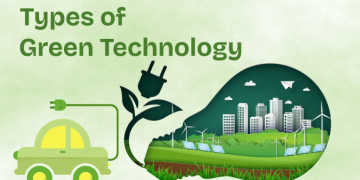
When most people think of green tech, solar panels, wind turbines, and electric vehicles come to mind. While these innovations are vital for reducing carbon emissions, green technology encompasses far more. Smart grids, energy-efficient hardware, eco-friendly software, and even urban planning initiatives fall under its umbrella. What unites them is the principle of optimizing resource use while minimizing waste—whether that resource is energy, time, or attention.
Applying this philosophy to personal technology can yield surprising benefits. Imagine a smartphone designed not for constant engagement but for conscious interaction. Devices could monitor usage patterns, suggest meaningful breaks, and even regulate notifications to protect mental bandwidth. Such innovations blur the line between environmental sustainability and psychological wellness, proving that green tech can serve both planet and mind.
Energy-Efficient Devices and Mindful Usage
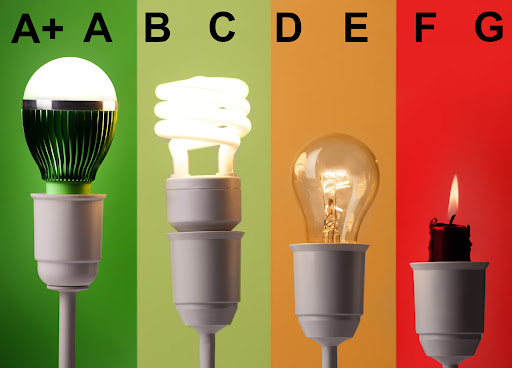
At the heart of green tech’s potential for digital detox is energy efficiency. Modern devices, from laptops to wearable tech, now prioritize low-power consumption. Beyond reducing electricity bills, energy-efficient devices can subtly influence user behavior. For instance, a device that prompts a recharge only when necessary discourages endless screen-on time, nudging users toward breaks. Similarly, apps designed to minimize background processes reduce digital clutter, creating a quieter, less demanding interface.
Wearable technology offers another intriguing angle. Fitness trackers, smart rings, and biofeedback devices can track not only physical activity but also cognitive load. By integrating metrics like screen time, stress levels, and sleep quality, these devices empower users to make data-driven decisions about digital habits. A smartwatch might alert you that your attention has been fragmented for over an hour, gently suggesting a walk outside—a micro-digital detox rooted in green principles.

Smart Homes and the Digital Pause
Home automation is another frontier where green tech intersects with digital detox. Smart lighting, thermostats, and appliances can be programmed for energy savings, but they can also create intentional periods of low digital stimulation. For example, a “digital sunset” mode could dim lights, turn off nonessential devices, and even mute notifications during evening hours. This not only conserves energy but also fosters a natural rhythm that supports circadian health and mindful living.
Voice assistants, often criticized for perpetuating screen addiction, can also play a constructive role. By enabling hands-free commands for essential tasks, they reduce the need for prolonged screen interaction. If paired with green tech strategies, these assistants could prioritize efficiency over entertainment, nudging users toward tasks that truly matter rather than endless scrolling.
Urban Design and Nature Integration
Green technology extends beyond individual devices into the urban environment. Smart cities leverage sensors, AI, and renewable energy to optimize traffic flow, reduce emissions, and enhance public spaces. But they also offer potential mental health benefits that support digital detox. Access to green spaces, pedestrian-friendly pathways, and solar-powered public benches with low-tech charging stations encourage people to unplug while staying connected to essential services.
Nature itself has proven cognitive benefits. Studies in environmental psychology suggest that even brief exposure to greenery reduces stress, improves mood, and enhances focus. By integrating green tech into urban planning, cities can create spaces where residents naturally disengage from screens, blending sustainability with psychological wellness.
Software That Respects Attention
A truly meaningful digital detox requires software that aligns with mindful principles. Green tech concepts—efficiency, minimalism, and longevity—can guide software design. Apps that reduce notifications, batch tasks, and simplify interfaces reduce cognitive load and digital fatigue. AI-driven personal assistants can curate content deliberately, showing only what matters, rather than feeding endless, dopamine-triggering loops.
Even AI itself can be harnessed for detox. Machine learning algorithms could identify unhealthy usage patterns, recommend personalized downtime, and facilitate offline periods. Unlike traditional detox apps, which often rely on user willpower alone, AI-infused green tech creates an ecosystem where technology itself encourages restraint and mindful engagement.
Education and Behavioral Nudges
Technology is only half the equation; human behavior completes the picture. Green tech can incorporate subtle behavioral nudges to promote healthy digital habits. For instance, devices could reward intentional usage with energy credits or track cumulative offline hours as a metric of productivity and well-being. Gamifying conscious breaks transforms digital abstinence from a chore into a positive reinforcement loop.
Schools and workplaces are increasingly experimenting with such interventions. By integrating green principles into digital infrastructure—low-energy classrooms, minimalist learning apps, and scheduled offline periods—organizations can help individuals cultivate sustainable attention spans. Over time, these small nudges compound, making digital detox more achievable and less stressful.
The Role of Renewable Energy in Detox
While the connection may seem indirect, renewable energy plays a pivotal role in supporting digital detox. Data centers and cloud services powered by solar, wind, or hydro reduce the environmental guilt associated with screen time. Users may feel more comfortable engaging digitally when they know their activity is powered sustainably, lowering stress related to carbon footprint awareness.
Moreover, renewable-powered microgrids in local communities can facilitate technology-free zones or “offline hubs.” Libraries, coworking spaces, and parks equipped with solar-powered essentials—lights, charging stations, and environmental controls—allow users to step back from personal devices while still enjoying essential connectivity when needed.
Minimalism and the Green Tech Mindset

At its core, digital detox is about intentionality. Green technology embodies this principle through design efficiency, resource optimization, and long-term sustainability. Embracing minimalism in tech—choosing fewer, more efficient devices, curating software use, and limiting unnecessary connectivity—mirrors the broader goals of environmentalism. Both movements encourage thoughtful consumption, emphasizing quality over quantity, functionality over distraction.
For example, a family might replace multiple single-purpose devices with a single multifunctional energy-efficient gadget. Not only does this reduce electricity consumption, but it also limits the number of notifications, screens, and apps competing for attention. The synergy between eco-conscious design and digital mindfulness creates a lifestyle where detoxification feels natural rather than forced.
Challenges and Limitations
Despite its promise, green tech is not a magic wand. High upfront costs, limited availability, and the ongoing pressure of always-on work culture can undermine detox efforts. Additionally, many green technologies still rely on digital infrastructure, creating an inherent tension: how can one reduce screen time when the tools that facilitate sustainability themselves require connectivity?
However, these challenges can be mitigated through thoughtful integration. Communities, organizations, and individuals can prioritize green tech investments that promote both ecological and cognitive well-being. Policies encouraging energy-efficient, low-distraction devices or software, combined with public education campaigns, can make mindful digital living accessible to a broader audience.
Case Studies: Green Tech in Action
Several real-world examples illustrate the potential of green technology in supporting digital detox. Consider energy-efficient coworking spaces that limit screen glare, provide natural lighting, and integrate scheduled offline breaks. Or smart cities implementing solar-powered public kiosks that allow quick essential interactions without encouraging prolonged screen use. Even wearable devices that track mental fatigue and suggest nature walks demonstrate the convergence of green innovation and attention wellness.
These initiatives showcase a fundamental principle: digital detox is not about rejecting technology, but reshaping it. By leveraging green tech intelligently, we can create environments that support focus, restore attention, and reduce cognitive overload—without abandoning the digital tools we rely on.
Looking Forward: A Symbiotic Future
As green technology continues to evolve, its potential to enhance digital detox becomes more tangible. AI-driven energy optimization, low-power immersive experiences, and biofeedback-integrated devices could collectively redefine our relationship with screens. Future innovations might include devices that autonomously adjust notifications based on cognitive load, urban environments designed to reduce digital temptations, or software that harmonizes online activity with offline well-being.
The key insight is that digital detox does not require technological abstinence. Rather, it thrives on intentional, intelligent integration of technology with human rhythms and environmental responsibility. Green tech offers a blueprint: by aligning ecological sustainability with cognitive wellness, we can step into a future where digital devices serve our minds, not hijack them.
Conclusion
True digital detox is not merely a fleeting escape from screens; it is a profound reconfiguration of how we interact with technology. Green technology, with its emphasis on efficiency, sustainability, and mindful design, provides powerful tools to achieve this goal. From energy-efficient devices to smart homes, urban planning, AI-assisted software, and wearable trackers, green tech can reshape our digital environment in ways that promote mental clarity, intentionality, and well-being.
By embracing a lifestyle that prioritizes both environmental and cognitive health, we can break free from the constant pull of notifications, endless feeds, and digital overstimulation. The path to digital detox is no longer about isolation from technology—it is about leveraging green innovation to create a balanced, sustainable, and truly mindful digital life.













Discussion about this post