




































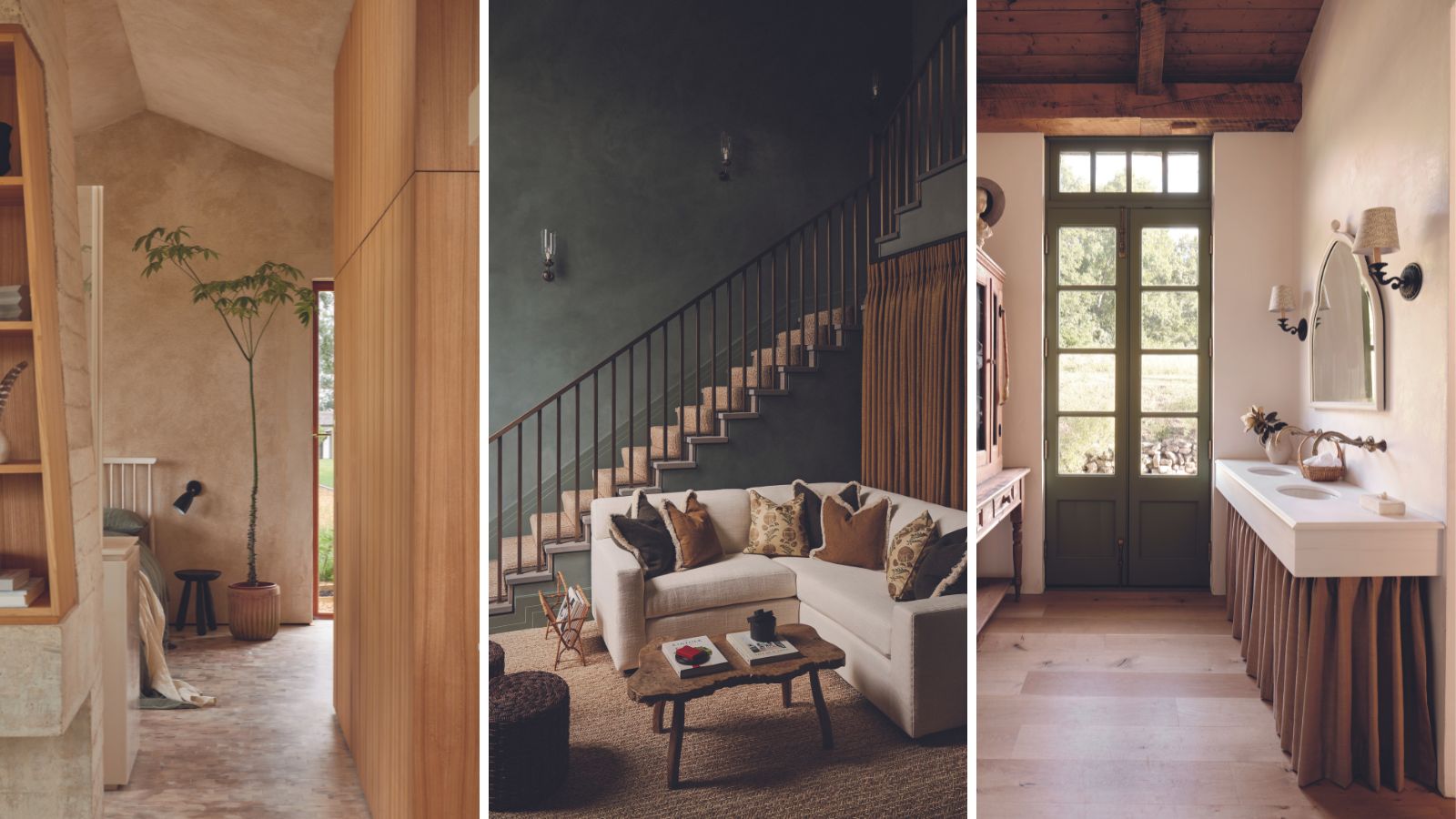
In the quest for better sleep, we often look at mattresses, blackout curtains, or even soothing sounds. But a less obvious yet powerful factor is the very home we live in. Eco-friendly homes, also known as green or sustainable homes, are designed not only to reduce environmental impact but also to improve the quality of life—and, increasingly, experts suggest, the quality of our sleep. Could the materials we surround ourselves with, the indoor air quality, and the architecture of our living spaces be the hidden keys to restorative slumber? Let’s explore this fascinating intersection of sustainability, science, and sleep.
The Science of Sleep and Environment
Sleep is a complex biological process influenced by numerous environmental factors. Light, temperature, air quality, and noise all play pivotal roles in regulating circadian rhythms and promoting deep, restorative sleep. Traditional homes often overlook these factors, relying on synthetic materials, poor ventilation, and artificial lighting that can disrupt sleep cycles.
Eco-friendly homes, by contrast, intentionally integrate design elements that align with natural biological rhythms. For instance:
- Natural Light Cycles: Green homes often prioritize large windows, skylights, and strategic orientation to maximize daylight exposure during the day while minimizing artificial light at night. Exposure to natural light helps regulate melatonin production, the hormone essential for sleep.
- Temperature Regulation: Sustainable homes utilize materials and design principles that naturally stabilize indoor temperature. Thermal mass materials, proper insulation, and passive solar design can reduce nighttime temperature fluctuations that interfere with sleep.
- Noise Reduction: Eco-friendly homes often use sound-absorbing, non-toxic materials like cork, bamboo, or recycled insulation, reducing nighttime disturbances that interrupt sleep cycles.
Research shows that a well-ventilated, thermally comfortable, and quiet environment significantly improves both sleep onset and sleep quality.
Materials Matter: From VOCs to Natural Fibers
The air inside conventional homes can contain volatile organic compounds (VOCs), chemicals released from paints, carpets, and furniture. VOCs are known to irritate the respiratory system and can even affect neurological functions, subtly reducing sleep quality over time.
Eco-friendly homes, in contrast, favor:
- Low-VOC Paints and Finishes: These minimize chemical exposure while maintaining aesthetic appeal.
- Natural Building Materials: Wood, bamboo, straw bales, and clay offer breathable, non-toxic alternatives that enhance indoor air quality.
- Organic Textiles: Bedding and upholstery made from organic cotton, linen, or hemp can reduce skin irritation and allergens, creating a more comfortable sleep environment.
By consciously choosing materials that promote clean air, green homes directly influence the body’s ability to relax, recover, and transition into deep sleep.
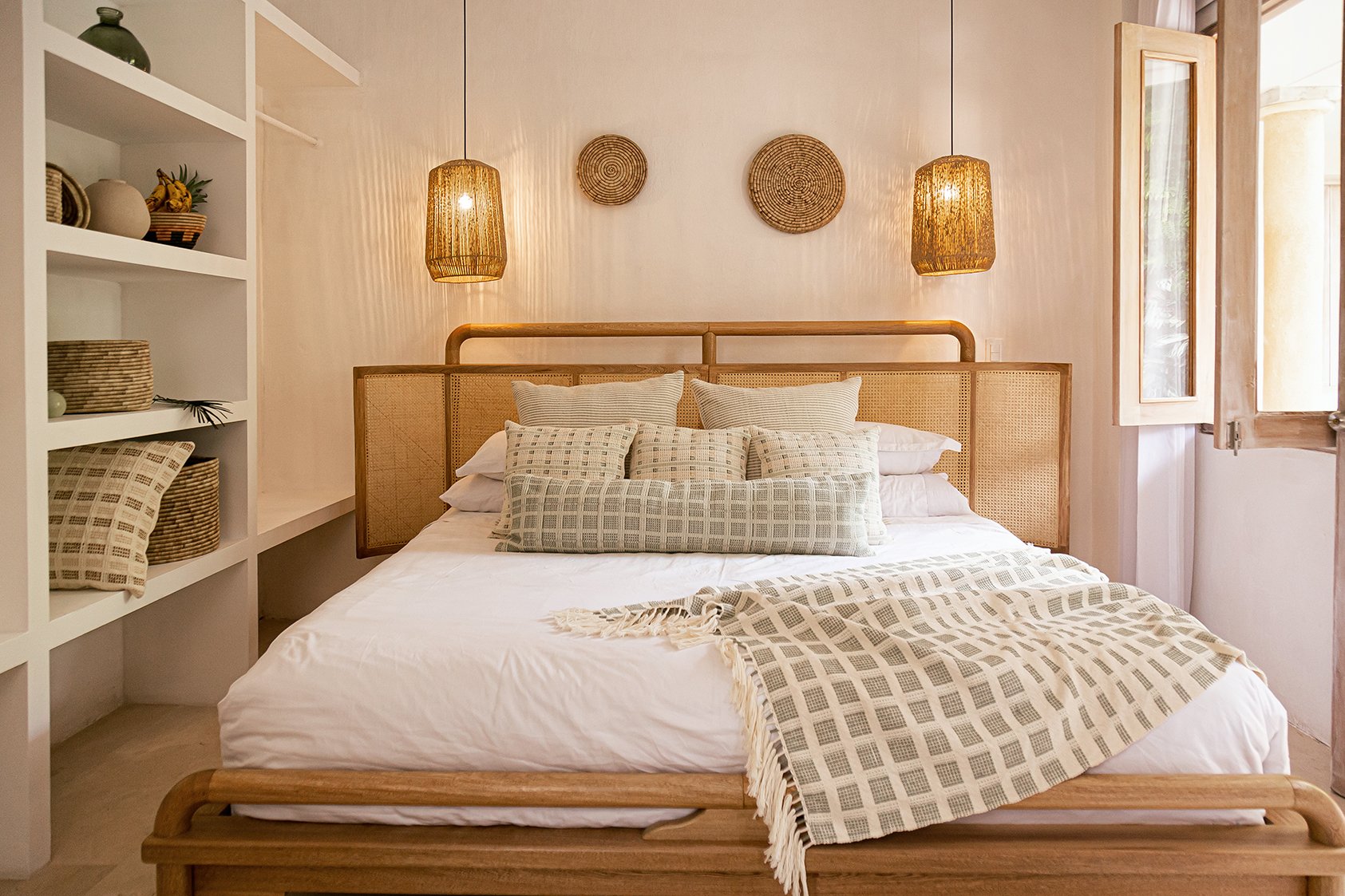
Air Quality: The Invisible Sleep Booster
Air quality is one of the most overlooked aspects of a restful night. Poor ventilation traps carbon dioxide, dust, mold spores, and allergens—all of which can disrupt breathing and reduce sleep quality.
Eco-friendly homes often include:
- Mechanical Ventilation with Heat Recovery (MVHR): This system ensures a constant supply of fresh air without losing heat, maintaining a healthy, stable indoor environment.
- Plants as Natural Air Purifiers: Indoor greenery can remove pollutants, regulate humidity, and even produce a sense of calm conducive to sleep.
- Humidity Control: Maintaining moderate humidity levels prevents both dry air, which can irritate airways, and excess moisture, which fosters mold growth.
Studies indicate that sleeping in rooms with optimal air quality improves REM cycles and reduces nighttime awakenings. In short, breathing well is sleeping well.
Lighting: Aligning Homes with Circadian Rhythms
Light is the master regulator of circadian rhythms. Disrupted light exposure—especially at night—can suppress melatonin and make it harder to fall asleep. Eco-friendly homes often incorporate:
- Smart Lighting: Adjustable lights that mimic natural daylight in intensity and color temperature can reinforce natural sleep-wake cycles.
- Daylight Harvesting: Skylights and well-placed windows ensure that daytime exposure is adequate for circadian alignment.
- Minimized Blue Light at Night: LEDs with warm hues or indirect lighting reduce circadian disruption.
Such lighting strategies are simple yet profound ways eco-friendly homes support the biological processes essential for deep, restorative sleep.
Temperature: The Perfect Nighttime Climate
Thermoregulation is central to sleep quality. Our bodies naturally lower core temperature to initiate sleep, and even minor deviations in ambient temperature can disrupt deep sleep stages.
Eco-friendly homes enhance thermal comfort through:
- Passive Solar Design: Using sunlight to naturally heat spaces during the day reduces the need for artificial heating.
- Thermal Mass Materials: Stone, clay, or concrete absorb and slowly release heat, maintaining stable indoor temperatures.
- High-Performance Insulation: Keeps interiors cool in summer and warm in winter without excessive energy use.
This attention to temperature creates a stable, soothing environment that allows the body to enter and maintain deep sleep cycles effortlessly.
Biophilic Design: Nature as a Sleep Ally
Biophilic design—the integration of natural elements into living spaces—offers psychological and physiological benefits that enhance sleep:
- Visual Connection with Nature: Views of gardens, trees, or water can reduce stress hormones, easing the transition to sleep.
- Natural Materials: Wood, stone, and natural textiles foster tactile comfort and warmth.
- Indoor Gardens or Green Walls: Beyond air quality, greenery creates calming sensory experiences that signal the brain to relax.
The evidence suggests that environments connecting humans with nature encourage lower cortisol levels, reduced anxiety, and more restorative sleep.
Noise Reduction: Silence is Golden
Even subtle nighttime noise—like distant traffic or HVAC systems—can fragment sleep. Eco-friendly homes mitigate these disturbances through:
- Acoustic Insulation: Natural or recycled insulation materials dampen noise.
- Strategic Layout: Bedroom placement away from high-traffic zones reduces sound exposure.
- Window Design: Double or triple glazing improves soundproofing while retaining energy efficiency.
Reducing noise not only prevents awakenings but also improves the overall depth and continuity of sleep cycles.
Smart Home Integration for Sleep
Modern eco-friendly homes often integrate smart technology that supports health and sleep:
- Smart Thermostats: Automatically adjust temperatures to optimize sleep phases.
- Automated Lighting: Mimics natural circadian rhythms throughout the day.
- Air Quality Monitors: Ensure ventilation and humidity remain within ideal ranges.
By combining sustainability with technology, eco-friendly homes create a fully optimized environment for sleep without requiring constant manual adjustment.
The Psychological Dimension: Green Homes and Stress Reduction
Living in an eco-friendly home doesn’t just improve physical comfort—it also reduces stress. Knowing that your home is sustainable can foster a sense of purpose and alignment with personal values. Stress reduction directly improves sleep, particularly falling asleep and achieving deeper REM cycles.

Features that contribute psychologically include:
- Natural Aesthetics: Earth tones, natural textures, and organic shapes promote calm.
- Connection to Nature: Gardens, sunlight, and indoor plants reduce mental fatigue.
- Sustainable Practices: Recycling, composting, and energy-conscious choices create satisfaction and mental well-being.
A home that feels nurturing and aligned with personal values subtly encourages better sleep through emotional comfort.
Case Studies: Eco-Friendly Homes and Sleep Quality
Several studies and anecdotal reports highlight the correlation between green homes and improved sleep:
- Passive House Designs: Residents report lower stress, fewer nighttime awakenings, and improved overall sleep satisfaction.
- Biophilic Apartments: Incorporating greenery, natural light, and eco-friendly materials led to measurable reductions in insomnia and anxiety.
- Low-VOC Housing: Families moving from conventional to low-emission homes noted fewer respiratory disturbances and more consistent sleep patterns.
While more large-scale studies are needed, the trend suggests a meaningful relationship between eco-friendly living and restorative sleep.
Potential Challenges and Considerations
While eco-friendly homes offer numerous sleep benefits, some considerations include:
- Cost: Sustainable materials and technologies can be expensive upfront, though they often save money long-term through energy efficiency.
- Maintenance: Living with plants, natural ventilation systems, and smart devices requires attention and upkeep.
- Climate Dependency: Passive design strategies must be adapted to local climates for optimal effect.
Despite these challenges, many homeowners report that the benefits—energy savings, health, comfort, and improved sleep—far outweigh the drawbacks.
Practical Tips for Sleep-Friendly Eco-Living
Even if building a full eco-home isn’t possible, several principles can be applied to improve sleep:
- Prioritize Natural Materials: Replace synthetic bedding or furniture with natural, breathable alternatives.
- Enhance Air Quality: Use indoor plants, HEPA filters, and avoid VOC-heavy products.
- Regulate Light: Ensure bright exposure during the day and minimize blue light at night.
- Stabilize Temperature: Use insulation, fans, or natural ventilation to maintain comfort.
- Incorporate Nature: Add plants, natural textures, and outdoor views where possible.
- Reduce Noise: Introduce rugs, wall hangings, or window treatments to dampen sounds.
These adjustments create a “green mini-home” inside conventional structures, providing some sleep benefits without major construction.
Conclusion: Sleep, Sustainability, and the Future of Housing
Eco-friendly homes are not just a trend—they are an evolution in living that aligns human health with environmental sustainability. By prioritizing air quality, natural materials, lighting, thermal comfort, and connection to nature, green homes create environments uniquely suited to restorative sleep.
While mattresses and meditation apps help, the real sleep revolution may lie in the walls, windows, and floors that surround us. As more research emerges, it becomes increasingly clear: investing in eco-friendly housing is not only an investment in the planet but also in the most essential restorative process of all—sleep.
Better sleep, after all, is more than comfort—it’s a foundation for mental clarity, physical health, and emotional well-being. Eco-friendly homes may just be the silent, sustainable allies we’ve been dreaming of.













Discussion about this post