



































In the 21st century, our smartphones are extensions of ourselves. They wake us up, remind us of meetings, track our health, guide our navigation, and even facilitate social connections. Yet, despite their undeniable convenience, an emerging question challenges our attachment: are we truly ready to live without our phones? This exploration is not merely about digital detox; it is a deep dive into the psychological, social, and technological implications of a phone-free existence.
The Psychological Pull of Smartphones
Smartphones are engineered to captivate our attention. Notifications trigger dopamine surges, reinforcing our desire to check messages, social media, or news feeds compulsively. Studies indicate that the average person checks their phone 58 times a day, often without conscious thought. This compulsive interaction can reduce our attention spans, increase anxiety, and even affect sleep patterns.
Moreover, the fear of missing out (FOMO) exacerbates our dependence. FOMO is not trivial; it affects decision-making, mental health, and overall satisfaction with life. Our devices feed this anxiety by constantly presenting curated snapshots of other people’s lives, often highlighting only successes and pleasures. Living without a phone challenges us to confront these insecurities and recalibrate our self-worth independent of digital validation.
Social Implications of Going Phone-Free
Phones are not just personal tools—they are social mediators. They connect us to friends, family, and colleagues instantly. Abandoning them alters how we communicate and how relationships function. Consider scenarios: arranging a meeting without instant messaging, navigating a city without GPS, or even sharing photos without cloud services. Initially, these tasks may seem inconvenient, but they foster creativity and problem-solving.
Research suggests that reducing smartphone usage can improve the quality of face-to-face interactions. Eye contact becomes more consistent, listening becomes active rather than distracted, and empathy increases. Interestingly, some experimental communities have embraced phone-free weeks, reporting enhanced social cohesion and greater awareness of surroundings.
Cognitive Benefits of Phone Detachment
Detaching from our phones is not just a social experiment—it is a cognitive enhancement strategy. Constant notifications fragment attention, reduce working memory efficiency, and impair deep thinking. By removing these distractions, the brain can reallocate cognitive resources to critical thinking, memory consolidation, and problem-solving.
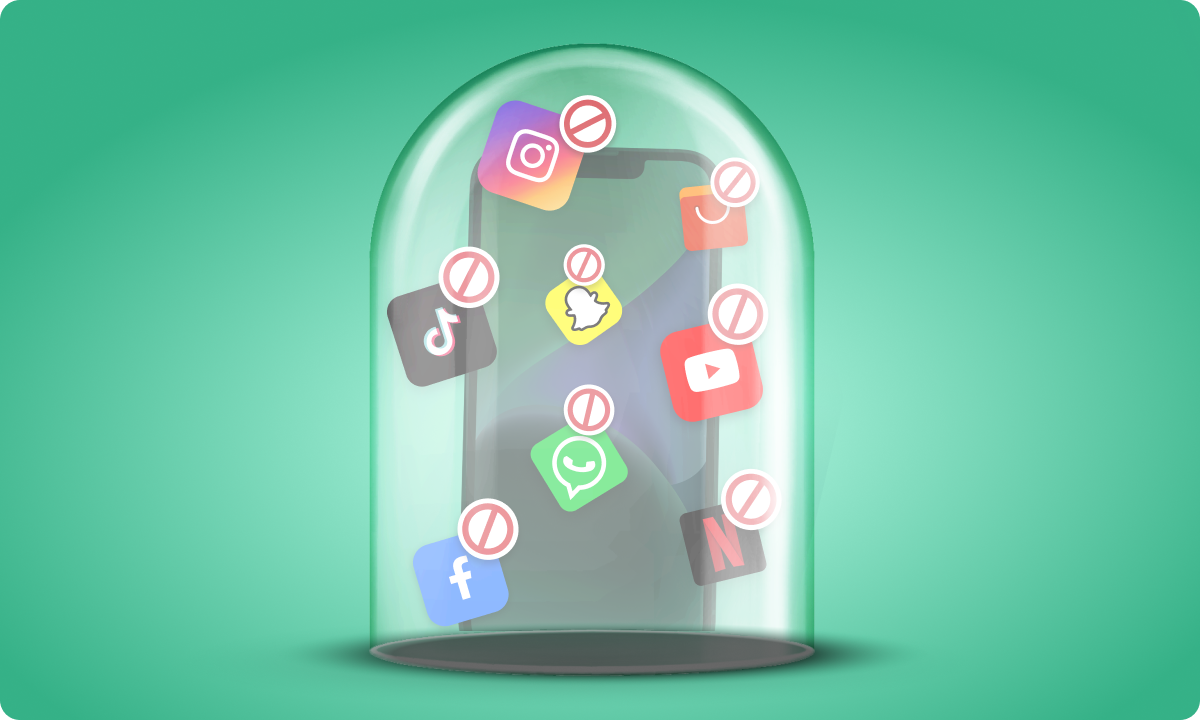
Studies in neuroplasticity show that intentional disengagement from technology strengthens focus, creativity, and mental resilience. In a world dominated by multitasking, the ability to focus deeply has become a competitive advantage, often distinguishing successful professionals from the overwhelmed majority.
Productivity and Time Management
Ironically, the very device marketed to enhance productivity often undermines it. Email alerts, social media updates, and messaging apps interrupt workflow, reducing overall efficiency. Some experiments reveal that workers who restrict phone access during specific periods complete tasks faster, make fewer errors, and experience less burnout.
Living without a phone demands intentional time management. Calendars, to-do lists, and reminders become analog, often requiring physical planners or sticky notes. While this shift may initially feel retrograde, it cultivates mindfulness, intentionality, and a tangible sense of accomplishment.
Navigational Independence
GPS-enabled smartphones have made getting lost nearly impossible—but at what cost? Navigational dependency can erode our natural sense of direction and spatial memory. Going phone-free restores the need to read maps, observe landmarks, and mentally visualize routes. Anecdotal evidence suggests that travelers without phones report heightened spatial awareness and a deeper connection to their environment.
Moreover, this independence encourages exploration. Without constant digital prompts, people often take unfamiliar routes, stumble upon hidden locations, and experience serendipitous encounters that a device-centric lifestyle tends to eliminate.
Health and Wellness
Phones impact health more than most people realize. Excessive screen time contributes to eye strain, poor posture, and disrupted circadian rhythms. Blue light emitted from screens can suppress melatonin, delaying sleep and reducing sleep quality. Beyond physical health, prolonged exposure to social media has been linked to increased anxiety, depression, and stress.
Living without a phone allows the body to reset. Sleep patterns normalize, physical activity often increases as people step away from screens, and mental health improves through reduced exposure to negative social comparisons. Mindfulness practices flourish when digital interruptions are minimized, promoting sustained well-being.
Emergency and Safety Considerations
Of course, phones are critical in emergencies. They provide instant access to help, information, and communication networks. A phone-free lifestyle requires planning: alternative communication strategies, knowledge of local landmarks, and reliance on community networks. While challenging, this planning can empower individuals to develop self-sufficiency and risk-awareness skills that overreliance on technology often suppresses.

Minimalism and Digital Detox
Phones epitomize digital clutter. Each app, notification, or subscription creates cognitive load and mental noise. Adopting a phone-free lifestyle aligns with minimalist philosophy—removing distractions to focus on what matters. Minimalism enhances creativity, reduces stress, and encourages intentional living. A life without constant digital input cultivates presence, mindfulness, and appreciation for simplicity.
Economic Implications
Phones influence consumer behavior. Push notifications, ads, and apps subtly manipulate purchasing decisions. Going phone-free reduces exposure to these micro-influences, potentially decreasing impulsive spending and fostering financial awareness. Moreover, minimal phone usage reduces the pressure to upgrade frequently, leading to long-term economic benefits.
Environmental Impact
The environmental cost of smartphones is often overlooked. From mining rare earth metals to energy-intensive manufacturing and short product lifespans, smartphones contribute to pollution and resource depletion. By extending device usage or embracing phone-free periods, individuals can reduce their ecological footprint, aligning personal choices with broader environmental ethics.
Technological Paradox
It is ironic that the tool designed to empower us can simultaneously enslave us. Phones provide limitless information, yet they can diminish attention, creativity, and human connection. Living without a phone is not about rejecting technology—it is about reclaiming agency, choosing engagement over passive consumption, and cultivating deliberate interaction with the world.
Gradual Adaptation Strategies
Transitioning to a phone-free life is challenging but achievable. Gradual adaptation is key:
- Scheduled Digital Intervals: Start by limiting phone use to specific hours, gradually expanding phone-free windows.
- Analog Alternatives: Replace apps with physical tools—planners, notebooks, maps, and calendars.
- Mindful Substitutes: Engage in activities that naturally reduce screen time—reading, outdoor exploration, or hands-on hobbies.
- Social Negotiation: Inform friends and family of your new boundaries; encourage offline communication.
- Emergency Readiness: Keep minimal devices for essential communication only, if needed, while learning alternative safety strategies.
By implementing these strategies, a phone-free lifestyle becomes not only manageable but transformative.
Personal Reflection and Growth
Living without a phone is not merely a technical adjustment—it is an exercise in self-reflection. People report increased introspection, improved mood, and a sense of liberation from digital expectations. The absence of constant connectivity allows for deeper engagement with personal interests, creativity, and real-world interactions. This growth is subtle but profound, often leading to a reevaluation of priorities and life goals.
The Future of Phone-Less Living
Technological innovation continues to accelerate, embedding digital connectivity into every aspect of life. Yet, a counter-movement advocating phone-free spaces, digital detoxes, and minimalistic lifestyles is gaining momentum. Society is beginning to recognize that freedom is not measured by connectivity but by control over one’s attention, time, and mental space.
Living without a phone is a bold experiment, one that challenges societal norms and personal habits. It is not a rejection of technology but a conscious choice to reclaim autonomy, mindfulness, and well-being. Are you ready to embrace this experiment?













Discussion about this post