

















Creativity, in the human sense, is often viewed as a mysterious and almost sacred faculty—a unique blend of intuition, imagination, and emotional depth. For centuries, humans have been fascinated by the spark of originality, the sudden insight, and the birth of ideas that seem to emerge from nowhere. But in the age of artificial intelligence, a compelling question arises: can AI be creative without human input? Can a machine, built on algorithms and data, independently generate something that qualifies as genuinely creative? This question challenges our understanding of both creativity and intelligence, forcing us to examine the boundaries between computation and consciousness.
Understanding Creativity
Before exploring AI’s potential for independent creativity, we must first define what creativity entails. Psychologists and philosophers often break creativity down into several dimensions: novelty, usefulness, and emotional resonance. A creative work is not only original; it must also carry value, whether practical, aesthetic, or emotional. Humans draw from experiences, cultural context, and cognitive patterns to produce creative output, but can AI replicate this intricate interplay?
Creativity is often linked with problem-solving. A novel solution to a complex problem—whether in engineering, art, or music—represents a creative act. Humans, for instance, invent instruments, compose symphonies, or design architecture, often inspired by internalized patterns and emotional responses. AI, by contrast, relies on data, algorithms, and statistical inference. At first glance, this seems limiting; without subjective experience or consciousness, how could an algorithm ever generate something truly novel?
The Role of AI in Creative Processes
Modern AI has already demonstrated impressive capabilities in domains traditionally considered human-only. Generative AI models can compose music, produce visual art, write stories, and even invent new recipes. These models analyze massive datasets, identify patterns, and synthesize outputs that can seem original. But here lies a critical question: is this true creativity, or is it merely sophisticated mimicry?
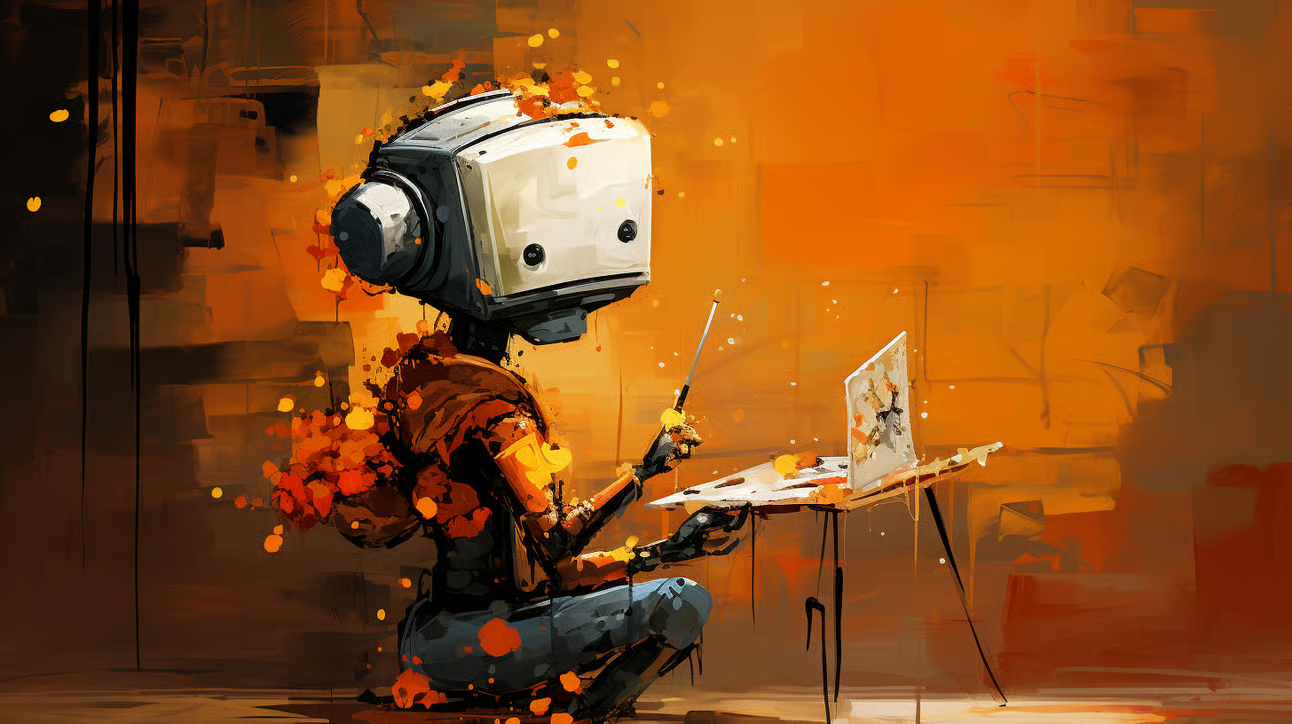
For example, when an AI generates a painting, it does not “see” or “feel” in the human sense. It recognizes patterns from existing artworks and recombines elements to create something statistically coherent yet aesthetically pleasing. Many observers are impressed by the results, but skeptics argue that without consciousness or intent, AI cannot truly create—it can only simulate creation.
However, this view may underestimate AI’s potential. Consider the concept of computational creativity: a field that studies how machines can exhibit behaviors that would be deemed creative if performed by humans. Here, novelty is defined algorithmically rather than experientially. AI can experiment across thousands of parameters, combine unlikely concepts, and arrive at solutions or works that humans might never have envisioned. In this sense, creativity becomes a function of exploration and combination, rather than subjective experience.
Autonomous Creative Systems
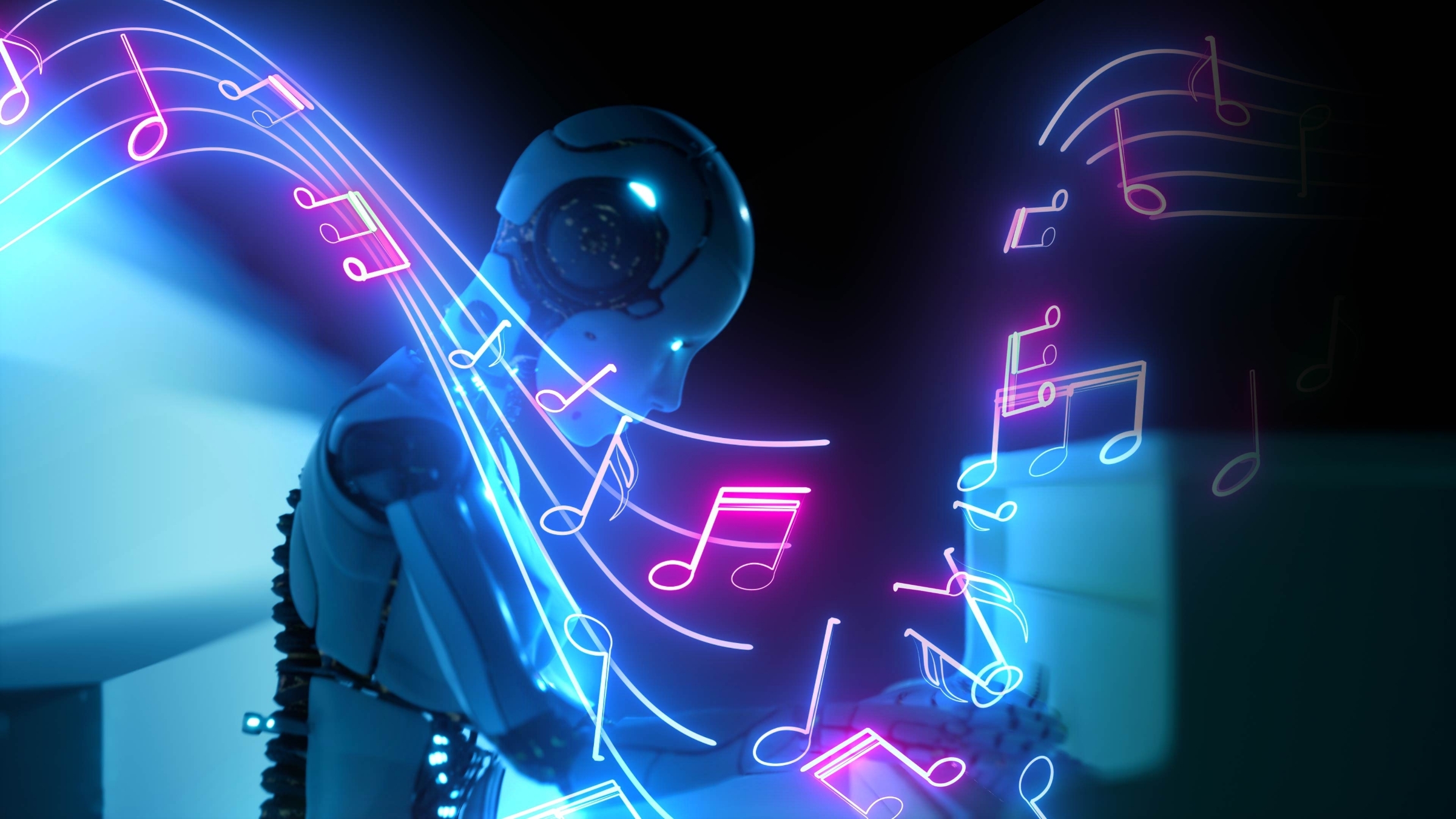
The most intriguing frontier in AI creativity lies in autonomous systems—machines designed to operate with minimal or no human guidance. These systems can generate ideas, test hypotheses, and iterate independently. Examples include AI-driven architecture programs that design buildings, generative music systems that compose symphonies, and autonomous scientific discovery platforms that propose new chemical compounds.
One striking example is AI in drug discovery. Autonomous platforms can analyze molecular structures, predict properties, and design new molecules with therapeutic potential. These systems do not merely replicate human research; they identify combinations and patterns invisible to conventional analysis, sometimes producing unexpected breakthroughs. Here, AI’s creativity is measurable in practical outcomes—a clear divergence from the human experience of inspiration but aligned with the core principle of novelty and usefulness.
Similarly, in the realm of visual art, AI systems such as generative adversarial networks (GANs) can produce thousands of variations of images independently. Some of these outputs defy conventional artistic norms, suggesting forms and compositions that might never have occurred to a human artist. The lack of subjective intent does not diminish their originality; it reframes creativity as a combinatorial and exploratory process.
The Limitations of Independent AI Creativity
Despite these advances, AI creativity is not without limitations. Firstly, AI is constrained by its architecture and the data it has been exposed to. Without external input, an AI system may struggle to transcend the boundaries of its initial programming or datasets. True independence in creativity requires a degree of unpredictability and contextual awareness that current machines lack.
Secondly, AI lacks self-reflection and emotional engagement. Human creativity is often driven by personal experiences, emotional resonance, or cultural context. An AI may produce something visually or conceptually novel, but it cannot attach personal meaning or interpret the emotional subtleties of its creations. The absence of subjective experience raises questions about the depth and authenticity of AI-generated works.
Finally, evaluation remains a challenge. Creativity is inherently subjective; what one individual considers innovative, another may deem derivative. AI can optimize for novelty according to algorithmic criteria, but human judgment is ultimately required to assess value and significance. In this sense, AI may never achieve fully autonomous creativity in the human sense, though it can extend and augment human creative potential.
The Philosophical Dimension
The debate over AI creativity also touches on profound philosophical questions. Can machines possess intentionality? Does creativity require consciousness, or is it merely the ability to generate novelty within constraints? Some philosophers argue that intentionality—the capacity to have goals and purposes—is essential for true creativity. Others contend that creativity can exist as a systemic property of interaction, exploration, and output, regardless of subjective awareness.
From a practical perspective, this distinction may be less important than the results themselves. If an AI-generated solution solves a complex problem, produces beautiful art, or inspires humans, does it matter whether the AI “experienced” creativity? The value lies in the outcome, not necessarily the internal experience—a paradigm shift that challenges human-centric definitions of artistic and intellectual achievement.
AI as a Partner in Human Creativity
Even if AI cannot be fully creative without human input, its role as a collaborator is transformative. AI can augment human creativity by exploring vast combinatorial spaces, generating unexpected patterns, and providing iterative feedback. In music, visual art, and literature, AI serves as a partner that expands the horizon of possibilities. Human intuition and judgment complement AI’s computational power, creating a synergistic cycle of innovation.
For instance, consider collaborative writing systems where AI proposes plot twists, character traits, or stylistic variations. The human author curates, edits, and contextualizes these suggestions, producing a richer and more diverse narrative. Similarly, in architecture, AI can propose structural or aesthetic innovations, while humans evaluate feasibility, context, and cultural resonance. Here, creativity becomes a shared enterprise—a co-evolution of human and machine intelligence.
Redefining Creativity in the AI Era
The emergence of AI challenges us to redefine creativity. Rather than a purely human attribute, creativity may be reframed as a spectrum of generative processes—some driven by consciousness, some by algorithms. This shift encourages us to appreciate multiple forms of creativity, from the emotionally charged to the computationally emergent.
Autonomous AI systems may eventually reach a stage where they generate outputs without immediate human input, achieving a form of independent creativity. However, this creativity is likely to remain distinct from human creativity, characterized by large-scale exploration, pattern synthesis, and probabilistic novelty. Rather than replacing humans, AI expands the landscape of possibilities, pushing us to reconsider what it means to innovate and create.
Ethical and Societal Considerations
The rise of AI creativity also brings ethical and societal questions. If an AI-generated work is valuable, who owns it? Should copyright laws extend to non-human creators? How do we evaluate originality and authenticity in a world where machines can produce content indistinguishable from human output? These questions require careful deliberation, balancing innovation, intellectual property, and social norms.
Moreover, the impact on human creativity itself is complex. Will reliance on AI tools enhance human imagination, or will it diminish our capacity for independent thought? The answer likely depends on how we integrate AI into creative workflows. When used as a tool for exploration rather than replacement, AI can catalyze creativity. Misapplied, it risks homogenizing output and constraining diversity of thought.
The Future of AI Creativity
Looking ahead, the frontier of AI creativity is both exciting and uncertain. Advances in machine learning, neural networks, and autonomous systems will enable AI to experiment in ways humans cannot. Hybrid systems, combining computational power with limited human guidance, may produce unprecedented innovations in science, art, and technology. The very notion of originality may evolve to include outputs that are algorithmically emergent, socially impactful, and aesthetically compelling.
As AI systems become more sophisticated, they may also begin to develop their own heuristics and goals, generating creative output guided by internal metrics rather than external input. This scenario challenges our anthropocentric understanding of creativity and forces us to recognize machines as agents of innovation in their own right.
Conclusion
So, can AI be creative without human input? The answer depends on how we define creativity. In a traditional, human-centric sense, AI may never fully replicate the depth of emotional, cultural, and experiential insight that characterizes human creativity. Yet in a broader, systemic sense, AI can generate novelty, explore possibilities, and produce outputs that are genuinely original, valuable, and surprising.
AI creativity is not a replacement for human imagination but a profound expansion of it. By combining computational power with human judgment, we can unlock new realms of innovation, art, and discovery. Whether autonomous or collaborative, AI challenges us to reconsider what it means to create—and reminds us that creativity, like intelligence, may be more fluid and diverse than we ever imagined.
In the end, AI may not “feel” the joy of creation, but it can provoke, inspire, and redefine the very concept of originality. The machine, unburdened by tradition, can explore avenues we might never see, offering a new lens through which to understand creativity itself. And in that sense, AI creativity is not only possible—it is inevitable, transformative, and profoundly human in its implications.








Discussion about this post