


































Introduction
Urbanization is accelerating rapidly across the world. Millions of people continue moving into cities in search of economic opportunities, education, healthcare, and improved living conditions.
As urban populations expand, cities face growing challenges related to traffic congestion, pollution, energy consumption, housing shortages, public safety, and infrastructure management.
Traditional urban planning methods are often insufficient for handling the complexity of modern metropolitan environments.
Artificial intelligence is emerging as one of the most important technologies shaping the future of cities.
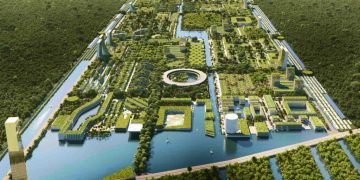
Smart cities use AI-powered systems, sensors, data analytics, and interconnected digital infrastructure to improve efficiency, sustainability, and quality of life.
These intelligent urban environments collect real-time information from transportation networks, energy systems, public services, and environmental monitoring devices.
AI algorithms analyze this information and support decision-making processes across multiple sectors.
The concept of the smart city is not simply about technology. It involves redesigning urban life around connectivity, automation, sustainability, and data-driven management.
This article explores how artificial intelligence is transforming transportation, energy, healthcare, public safety, environmental management, and urban governance while examining the ethical and social challenges associated with smart cities.
The Rise of Smart Cities
The idea of the smart city emerged alongside advances in digital communication, internet connectivity, and urban computing.
As sensors and connected devices became more affordable, cities gained the ability to monitor infrastructure and public systems continuously.
Modern smart cities rely heavily on the Internet of Things, often called IoT.
IoT networks connect traffic lights, surveillance cameras, water systems, energy grids, public transportation, and environmental sensors.
Artificial intelligence functions as the analytical core of these systems.
AI processes enormous amounts of urban data in real time, allowing cities to respond more efficiently to changing conditions.
Governments worldwide are investing heavily in smart city development.
Major urban centers in Asia, Europe, North America, and the Middle East are experimenting with intelligent transportation systems, digital governance platforms, and automated public services.
AI and Intelligent Transportation
Transportation is one of the most important applications of AI in smart cities.
Traffic congestion causes economic losses, environmental pollution, and reduced quality of life in many urban regions.
AI-powered traffic management systems analyze vehicle movement in real time using cameras, sensors, and GPS data.
Intelligent algorithms adjust traffic signals dynamically to reduce congestion and improve traffic flow.
Public transportation systems also benefit from predictive analytics.
AI can forecast passenger demand, optimize routes, and reduce delays.
Ride-sharing platforms use machine learning algorithms to match passengers with drivers efficiently.
Autonomous vehicles may eventually transform transportation networks entirely.
Self-driving cars rely heavily on artificial intelligence for navigation, object recognition, and decision-making.
Supporters argue that autonomous transportation could reduce accidents caused by human error.
However, widespread adoption still faces technical, legal, and ethical challenges.
Smart Energy Systems
Energy management is another major focus of smart city development.
Urban populations consume enormous amounts of electricity for transportation, industry, heating, cooling, and communication.
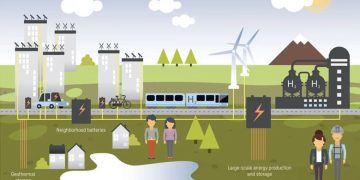
AI-powered smart grids improve energy efficiency by analyzing usage patterns and balancing electricity distribution.
Unlike traditional power systems, smart grids can respond dynamically to changes in demand.
Buildings equipped with intelligent sensors automatically adjust lighting, temperature, and ventilation based on occupancy and environmental conditions.
These systems reduce waste and lower energy costs.
Artificial intelligence also supports the integration of renewable energy sources such as solar and wind power.
Renewable energy production can fluctuate depending on weather conditions.
AI algorithms help stabilize power networks by predicting energy generation and consumption patterns.
Smart energy systems may become essential for reducing carbon emissions and addressing climate change.

AI in Healthcare and Emergency Response
Healthcare systems in smart cities increasingly rely on artificial intelligence.
Hospitals use AI-powered analytics to manage patient flow, optimize staffing, and improve diagnosis accuracy.
Emergency response systems analyze traffic conditions and geographic data to identify the fastest routes for ambulances and emergency services.
Wearable health devices connected to urban healthcare networks may monitor public health trends in real time.
During disease outbreaks, AI systems can track infection patterns and support faster responses.
Telemedicine platforms powered by AI also improve healthcare accessibility for urban populations.
Public Safety and Surveillance
Public safety is one of the most controversial aspects of smart city technology.
AI-powered surveillance systems monitor streets, transportation hubs, and public spaces using cameras and facial recognition software.
Supporters argue that these technologies improve crime prevention and emergency response.
Predictive policing systems attempt to identify areas at higher risk of criminal activity.
However, critics warn that excessive surveillance threatens privacy and civil liberties.
Facial recognition technologies have raised concerns regarding mass monitoring, wrongful identification, and discrimination.
The challenge for smart cities involves balancing security with personal freedom.
Transparent regulations and public oversight may become essential for maintaining trust.
Environmental Monitoring and Sustainability
Climate change and environmental degradation are major concerns for modern cities.
Artificial intelligence helps urban governments monitor pollution, water quality, weather conditions, and waste management systems.
Environmental sensors collect real-time data that AI algorithms analyze to identify pollution hotspots and predict environmental risks.
Smart waste management systems optimize garbage collection routes and improve recycling efficiency.
AI-powered water systems detect leaks and monitor usage patterns to reduce waste.
Cities can also use predictive analytics to prepare for floods, heatwaves, and other climate-related disasters.
Sustainable urban planning supported by AI may play a major role in future environmental protection efforts.
Digital Governance and Citizen Services
Smart cities increasingly use AI to improve government efficiency and public services.
Digital platforms allow citizens to report infrastructure problems, request permits, and access municipal information online.
AI chatbots assist residents by answering questions regarding transportation, healthcare, taxation, and administrative procedures.
Governments can also use predictive analytics to allocate resources more effectively.
Data-driven governance may improve urban planning and public spending decisions.
However, digital governance requires strong cybersecurity protections.
A highly connected city becomes vulnerable to cyberattacks targeting transportation systems, energy infrastructure, healthcare networks, and communication platforms.
Social and Ethical Challenges
Despite their advantages, smart cities face significant ethical and social concerns.
One major issue involves inequality.
Wealthier urban areas may benefit from advanced infrastructure while disadvantaged communities receive fewer technological investments.
Digital exclusion may also affect individuals without reliable internet access or technological literacy.
Privacy remains another central concern.
Smart cities collect enormous quantities of data about citizens’ movement, behavior, communication, and consumption patterns.
Without proper safeguards, this information could be misused by corporations or governments.
There are also concerns regarding overdependence on automation.
If critical urban systems rely too heavily on AI, technical failures or cyberattacks could cause widespread disruption.
Responsible smart city development requires ethical governance, transparency, cybersecurity, and inclusive planning.
The Future of Urban Life
The cities of the future may become highly interconnected ecosystems where intelligent systems manage transportation, healthcare, energy, communication, and public services.
Urban residents may interact continuously with AI-powered infrastructure through smartphones, autonomous vehicles, wearable devices, and augmented reality systems.
Future smart cities could become cleaner, safer, more energy-efficient, and more responsive to citizen needs.
However, technological sophistication alone will not guarantee successful urban development.
Human-centered design, democratic oversight, and social equity will remain essential.
The most successful smart cities will likely combine advanced technology with strong community engagement and ethical governance.
Conclusion
Artificial intelligence is reshaping the future of urban civilization.
Smart cities use AI-powered systems to improve transportation, healthcare, energy management, environmental sustainability, public safety, and government services.
These technologies offer enormous opportunities for efficiency and innovation.
At the same time, smart cities introduce major ethical challenges involving surveillance, privacy, cybersecurity, and inequality.
The future of intelligent urban environments will depend on how societies balance technological progress with human rights and democratic values.
As global urbanization continues, artificial intelligence may become one of the defining forces shaping how billions of people live, work, and interact in the cities of tomorrow.













Discussion about this post