























Introduction: Innovation as Economic Disruption
Innovation is no longer just a driver of technological progress — it is the central force shaping the global economy. Markets rise and fall based on innovation cycles. Entire industries are created, transformed, or destroyed by new ideas that redefine how value is produced and delivered.
In the modern global economy, innovation determines competitive advantage. Countries compete not only through natural resources or labor costs, but through their ability to generate, scale, and commercialize new ideas. Companies that innovate successfully dominate markets, while those that fail to adapt quickly become irrelevant.
This dynamic has accelerated dramatically in the digital age. Innovation cycles that once took decades now unfold in just a few years or even months. Global connectivity, artificial intelligence, cloud computing, and digital platforms have created an environment where disruption is constant and unavoidable.
Innovation in business is no longer optional. It is a requirement for survival.
This article explores how innovation reshapes global markets, how businesses build innovation strategies, how economic systems evolve under technological disruption, and how the future economy will be defined by continuous transformation.
The Evolution of Business Innovation
From Industrial Efficiency to Digital Disruption
Business innovation has gone through several major phases.
1. Industrial Innovation
Early business innovation focused on production efficiency. Factories, assembly lines, and mechanized systems allowed companies to scale production and reduce costs.
2. Globalization Innovation
As global trade expanded, innovation shifted toward logistics, supply chains, and international market expansion. Companies optimized global operations to reduce costs and increase reach.
3. Digital Innovation
The rise of computers and the internet transformed business models entirely. Information became the most valuable resource, and companies like Amazon, Google, and Microsoft emerged as global leaders.
4. Platform Innovation
The modern economy is dominated by platforms that connect users, services, and data. Companies no longer just sell products — they create ecosystems.
5. AI-Driven Innovation
Artificial intelligence is now reshaping decision-making, automation, customer interaction, and product development across all industries.
Each phase increases the speed, scale, and complexity of innovation.
Business Models and Innovation Strategy
Reinventing How Value Is Created
Modern innovation is deeply tied to business model design.
A business model defines how a company creates, delivers, and captures value.
Innovative companies often succeed not because they invent entirely new technologies, but because they redesign how value flows in the system.
Examples of business model innovation include:
- Subscription-based services replacing one-time purchases
- Platform ecosystems replacing traditional supply chains
- Freemium models in digital products
- On-demand service economies
- Direct-to-consumer brands bypassing traditional retail
These innovations often disrupt entire industries by changing customer expectations and market structures.
Digital Transformation of Global Industries
Every Industry Becomes a Tech Industry
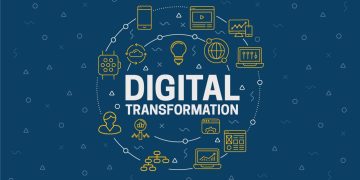
One of the most important trends in the global economy is digital transformation.
Traditional industries such as:
- Retail
- Banking
- Healthcare
- Education
- Manufacturing
- Transportation
are all being reshaped by digital technologies.
Digital transformation involves:
- Automation of processes
- Integration of data systems
- AI-driven decision-making
- Cloud-based operations
- Real-time analytics
For example:
- Banking is becoming fully digital through mobile payments and fintech systems
- Retail is shifting toward e-commerce platforms
- Healthcare is adopting telemedicine and AI diagnostics
- Manufacturing is using smart automation and robotics
In the digital economy, every company is becoming a technology company.
Innovation and Global Competition
The New Economic Battlefield
Innovation has become a key factor in global economic competition.
Countries now compete based on:
- Research and development capacity
- Technological infrastructure
- Education systems
- Startup ecosystems
- Digital adoption rates
Nations that invest heavily in innovation tend to lead in economic growth and global influence.
Key innovation hubs include:
- Silicon Valley
- Shenzhen
- Seoul
- Singapore
- Berlin
- Bangalore
These regions succeed because they combine capital, talent, infrastructure, and policy support for innovation.
The global economy is increasingly divided not just by wealth, but by innovation capability.
Startups and Disruptive Innovation
Small Companies, Big Impact
Startups play a crucial role in global innovation.
Unlike large corporations, startups are:
- More flexible
- More experimental
- Less risk-averse
- Faster in decision-making
Startups often introduce disruptive innovations that challenge established industries.
Examples include:
- Ride-sharing platforms transforming transportation
- Streaming services disrupting entertainment
- Fintech platforms reshaping banking
- E-commerce platforms replacing physical retail
Disruptive innovation often begins in small markets but eventually scales globally.
Many of today’s largest companies started as small startups challenging traditional systems.
Artificial Intelligence and Economic Transformation
Machines as Economic Participants
Artificial intelligence is fundamentally changing business innovation.
AI systems now contribute to:
- Data analysis
- Customer service automation
- Product design
- Market prediction
- Supply chain optimization
AI reduces costs and increases efficiency while enabling entirely new types of services.
For example:
- AI recommendation systems drive e-commerce sales
- Automated financial trading systems influence global markets
- AI-powered logistics optimize delivery networks
- Generative AI supports content creation and design
AI is becoming both a tool and a participant in economic systems.
However, it also raises concerns about job displacement and economic inequality.
Innovation in Financial Systems
The Rise of Fintech and Digital Currency
Financial innovation is transforming how money moves across the global economy.
Key developments include:
- Digital banking
- Mobile payment systems
- Cryptocurrency technologies
- Blockchain-based systems
- Peer-to-peer lending platforms
These innovations reduce transaction costs, increase financial accessibility, and improve transparency.
Fintech companies are challenging traditional banks by offering faster, cheaper, and more flexible financial services.
Digital currencies may further reshape global financial systems in the future.

Global Supply Chains and Innovation
Redesigning How Goods Move
Global supply chains are undergoing major innovation.
Modern supply chain innovation includes:
- AI-based logistics optimization
- Real-time tracking systems
- Automated warehouses
- Predictive demand systems
- Smart inventory management
These innovations improve efficiency and reduce waste.
However, global disruptions such as pandemics, geopolitical conflicts, and climate change have highlighted vulnerabilities in traditional supply chain systems.
As a result, companies are rethinking global production strategies to increase resilience and flexibility.
Innovation in Labor and Employment
The Changing Nature of Work
Innovation is transforming labor markets.
Automation, AI, and digital platforms are changing the types of jobs available.
Key trends include:
- Remote work expansion
- Gig economy platforms
- Automation of routine tasks
- Demand for digital skills
- Rise of hybrid work environments
While innovation creates new job opportunities, it also displaces certain types of traditional employment.
This creates a need for continuous reskilling and education reform.
The future workforce will need to be more adaptable, digital, and interdisciplinary.
Innovation and Economic Inequality
Who Benefits From Innovation?
Innovation does not affect all groups equally.
While it creates wealth and opportunity, it can also increase inequality if access is uneven.
Key inequality factors include:
- Access to education
- Technology availability
- Capital distribution
- Geographic disparities
- Digital literacy gaps
Wealthier individuals and countries often benefit more quickly from innovation.
Ensuring inclusive innovation is one of the major challenges of the modern global economy.
Sustainability and Green Innovation
Innovation for Environmental Solutions
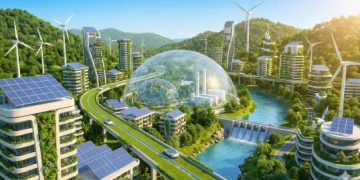
Modern innovation is increasingly focused on sustainability.
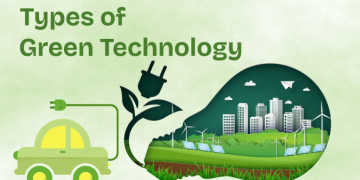
Green innovation includes:
- Renewable energy technologies
- Electric transportation systems
- Sustainable materials
- Circular economy models
- Carbon reduction technologies
Businesses are increasingly adopting sustainability not only for ethical reasons but also for competitive advantage.
Green innovation is becoming a major driver of future economic growth.
The Acceleration of Innovation Cycles
Faster Than Ever Before
Innovation is accelerating rapidly due to:
- Global digital connectivity
- Open-source collaboration
- Cloud computing infrastructure
- Real-time communication systems
- AI-assisted development
Product development cycles are shrinking dramatically.
What once took years can now be developed in months or weeks.
This acceleration increases both opportunity and instability in global markets.
Challenges of Innovation-Driven Economies
Managing Rapid Change
While innovation drives growth, it also creates challenges:
- Market instability
- Job displacement
- Regulatory lag
- Cybersecurity risks
- Ethical concerns
- Technological dependence
Governments and institutions must adapt quickly to manage innovation responsibly.
The Future of Economic Innovation
Toward a Continuous Innovation Economy
The future global economy will likely be defined by continuous innovation rather than stable industrial phases.
Key future trends include:
- AI-driven economic systems
- Fully digital global markets
- Decentralized business ecosystems
- Sustainable production models
- Human-AI collaboration in business decisions
Economic success will depend on adaptability, creativity, and technological integration.
Conclusion: Innovation as the Engine of the Global Economy
Innovation is the foundation of modern economic transformation.
It drives competition, reshapes industries, creates new markets, and determines global leadership.
From startups to multinational corporations, from financial systems to supply chains, innovation is continuously redefining how value is created and distributed.
However, innovation also brings challenges that must be carefully managed, including inequality, disruption, and ethical risks.
The future global economy will not be defined by static systems, but by constant transformation.
In this environment, the ability to innovate is not just an advantage — it is the key to survival, growth, and long-term prosperity.











Discussion about this post