































techfusionnews
  • Home
  • Digital Lifestyle
    Can Cryptocurrency Replace Traditional Banking?

    Can Cryptocurrency Replace Traditional Banking?

    Is Augmented Reality Changing How We Learn?

    Is Augmented Reality Changing How We Learn?

    The Dark Side of the Smart City Revolution

    The Dark Side of the Smart City Revolution

    Can You Escape the Surveillance State with VPNs?

    Can You Escape the Surveillance State with VPNs?

    Are Digital Detoxes Just a Trend or a Necessity?

    Are Digital Detoxes Just a Trend or a Necessity?

    Is Social Media Helping or Hurting Your Mental Health?

    Is Social Media Helping or Hurting Your Mental Health?

  • Green Tech & Wellness
    Can Circular Economy Principles Revolutionize Healthcare?

    Can Circular Economy Principles Revolutionize Healthcare?

    Is AI the Secret to Personalized Eco-Wellness Solutions?

    Is AI the Secret to Personalized Eco-Wellness Solutions?

    How Do Green Building Materials Affect Your Overall Wellbeing?

    How Do Green Building Materials Affect Your Overall Wellbeing?

    Could Plant-Based Diets Be the Future of Eco-Friendly Wellness?

    Could Plant-Based Diets Be the Future of Eco-Friendly Wellness?

    How Can Smart Green Gadgets Improve Indoor Air Quality?

    How Can Smart Green Gadgets Improve Indoor Air Quality?

    Can Clean Energy Revolutionize Your Fitness Routine?

    Can Clean Energy Revolutionize Your Fitness Routine?

  • AI
    Will AI Ever Truly Understand Human Consciousness?

    Will AI Ever Truly Understand Human Consciousness?

    What Role Will AI Play in the Next Evolution of the Internet?

    What Role Will AI Play in the Next Evolution of the Internet?

    How Will AI Transform the Future of Education?

    How Will AI Transform the Future of Education?

    Can AI Understand and Create Humor?

    Can AI Understand and Create Humor?

    Is AI the Key to Unlocking Human Potential?

    Is AI the Key to Unlocking Human Potential?

    How Close Are We to AI Becoming Sentient?

    How Close Are We to AI Becoming Sentient?

  • Space Exploration
    Will We Ever Reach the Edge of the Observable Universe?

    Will We Ever Reach the Edge of the Observable Universe?

    What Are the Ethical Implications of Colonizing Other Planets?

    What Are the Ethical Implications of Colonizing Other Planets?

    What If Earth’s Magnetic Field Collapsed—Could We Survive in Space?

    What If Earth’s Magnetic Field Collapsed—Could We Survive in Space?

    Can Artificial Intelligence Assist in Discovering Exoplanets?

    Can Artificial Intelligence Assist in Discovering Exoplanets?

    Is Space Debris a Threat to Future Space Exploration?

    Is Space Debris a Threat to Future Space Exploration?

    Could We Use Wormholes to Travel Through Time and Space?

    Could We Use Wormholes to Travel Through Time and Space?

  • Innovation & Research
    Can Innovation Thrive Without Government Funding?

    Can Innovation Thrive Without Government Funding?

    Are We Ready for the Ethical Challenges of AI in Research?

    Are We Ready for the Ethical Challenges of AI in Research?

    How Can Failure Be the Most Important Lesson in Innovation?

    How Can Failure Be the Most Important Lesson in Innovation?

    Can the Digital Transformation of Research Lead to Global Scientific Unity?

    Can the Digital Transformation of Research Lead to Global Scientific Unity?

    What is the True Value of Interdisciplinary Research in Innovation?

    Why Do Some Scientific Discoveries Fail to Make an Impact?

    Why Do Some Scientific Discoveries Fail to Make an Impact?

  • All Tech
    Will AI Ever Truly Understand Human Consciousness?

    Will AI Ever Truly Understand Human Consciousness?

    Can Cryptocurrency Replace Traditional Banking?

    Can Cryptocurrency Replace Traditional Banking?

    Can Circular Economy Principles Revolutionize Healthcare?

    Can Circular Economy Principles Revolutionize Healthcare?

    Can Innovation Thrive Without Government Funding?

    Can Innovation Thrive Without Government Funding?

    Will We Ever Reach the Edge of the Observable Universe?

    Will We Ever Reach the Edge of the Observable Universe?

    What Role Will AI Play in the Next Evolution of the Internet?

    What Role Will AI Play in the Next Evolution of the Internet?

techfusionnews
  • Home
  • Digital Lifestyle
    Can Cryptocurrency Replace Traditional Banking?

    Can Cryptocurrency Replace Traditional Banking?

    Is Augmented Reality Changing How We Learn?

    Is Augmented Reality Changing How We Learn?

    The Dark Side of the Smart City Revolution

    The Dark Side of the Smart City Revolution

    Can You Escape the Surveillance State with VPNs?

    Can You Escape the Surveillance State with VPNs?

    Are Digital Detoxes Just a Trend or a Necessity?

    Are Digital Detoxes Just a Trend or a Necessity?

    Is Social Media Helping or Hurting Your Mental Health?

    Is Social Media Helping or Hurting Your Mental Health?

  • Green Tech & Wellness
    Can Circular Economy Principles Revolutionize Healthcare?

    Can Circular Economy Principles Revolutionize Healthcare?

    Is AI the Secret to Personalized Eco-Wellness Solutions?

    Is AI the Secret to Personalized Eco-Wellness Solutions?

    How Do Green Building Materials Affect Your Overall Wellbeing?

    How Do Green Building Materials Affect Your Overall Wellbeing?

    Could Plant-Based Diets Be the Future of Eco-Friendly Wellness?

    Could Plant-Based Diets Be the Future of Eco-Friendly Wellness?

    How Can Smart Green Gadgets Improve Indoor Air Quality?

    How Can Smart Green Gadgets Improve Indoor Air Quality?

    Can Clean Energy Revolutionize Your Fitness Routine?

    Can Clean Energy Revolutionize Your Fitness Routine?

  • AI
    Will AI Ever Truly Understand Human Consciousness?

    Will AI Ever Truly Understand Human Consciousness?

    What Role Will AI Play in the Next Evolution of the Internet?

    What Role Will AI Play in the Next Evolution of the Internet?

    How Will AI Transform the Future of Education?

    How Will AI Transform the Future of Education?

    Can AI Understand and Create Humor?

    Can AI Understand and Create Humor?

    Is AI the Key to Unlocking Human Potential?

    Is AI the Key to Unlocking Human Potential?

    How Close Are We to AI Becoming Sentient?

    How Close Are We to AI Becoming Sentient?

  • Space Exploration
    Will We Ever Reach the Edge of the Observable Universe?

    Will We Ever Reach the Edge of the Observable Universe?

    What Are the Ethical Implications of Colonizing Other Planets?

    What Are the Ethical Implications of Colonizing Other Planets?

    What If Earth’s Magnetic Field Collapsed—Could We Survive in Space?

    What If Earth’s Magnetic Field Collapsed—Could We Survive in Space?

    Can Artificial Intelligence Assist in Discovering Exoplanets?

    Can Artificial Intelligence Assist in Discovering Exoplanets?

    Is Space Debris a Threat to Future Space Exploration?

    Is Space Debris a Threat to Future Space Exploration?

    Could We Use Wormholes to Travel Through Time and Space?

    Could We Use Wormholes to Travel Through Time and Space?

  • Innovation & Research
    Can Innovation Thrive Without Government Funding?

    Can Innovation Thrive Without Government Funding?

    Are We Ready for the Ethical Challenges of AI in Research?

    Are We Ready for the Ethical Challenges of AI in Research?

    How Can Failure Be the Most Important Lesson in Innovation?

    How Can Failure Be the Most Important Lesson in Innovation?

    Can the Digital Transformation of Research Lead to Global Scientific Unity?

    Can the Digital Transformation of Research Lead to Global Scientific Unity?

    What is the True Value of Interdisciplinary Research in Innovation?

    Why Do Some Scientific Discoveries Fail to Make an Impact?

    Why Do Some Scientific Discoveries Fail to Make an Impact?

  • All Tech
    Will AI Ever Truly Understand Human Consciousness?

    Will AI Ever Truly Understand Human Consciousness?

    Can Cryptocurrency Replace Traditional Banking?

    Can Cryptocurrency Replace Traditional Banking?

    Can Circular Economy Principles Revolutionize Healthcare?

    Can Circular Economy Principles Revolutionize Healthcare?

    Can Innovation Thrive Without Government Funding?

    Can Innovation Thrive Without Government Funding?

    Will We Ever Reach the Edge of the Observable Universe?

    Will We Ever Reach the Edge of the Observable Universe?

    What Role Will AI Play in the Next Evolution of the Internet?

    What Role Will AI Play in the Next Evolution of the Internet?

No Result
View All Result
Plugin Install : Cart Icon need WooCommerce plugin to be installed.
techfusionnews
No Result
View All Result
Home All Tech

The Application of Biodegradable Materials in Health Wearables: Trend or Gimmick?

March 21, 2025
in All Tech, Green Tech & Wellness
The Application of Biodegradable Materials in Health Wearables: Trend or Gimmick?


Introduction: The Intersection of Sustainability and Technology

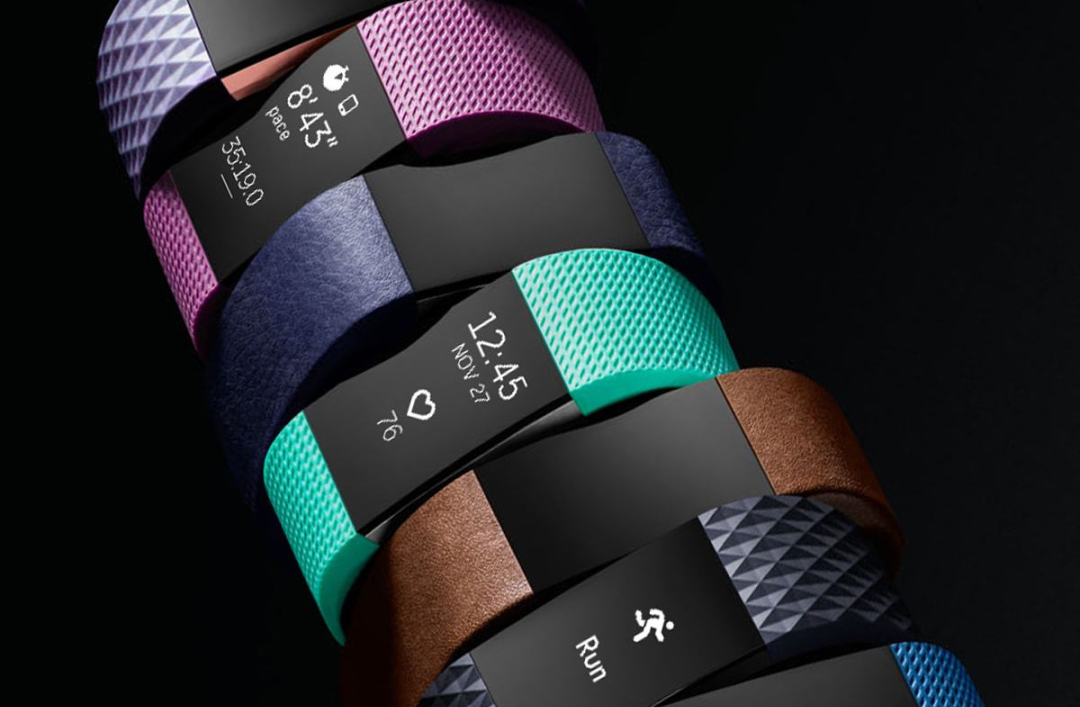
The rise of wearable technology has dramatically transformed the way we monitor and manage our health. Health wearables, from fitness trackers to smartwatches, are now integral to daily life, offering users the ability to track everything from steps and heart rate to sleep patterns and even blood oxygen levels. As the world becomes more environmentally conscious, industries are searching for ways to reduce the environmental impact of their products. In recent years, one of the most promising innovations has been the development of biodegradable materials in the production of health wearables.

Biodegradable materials are those that break down naturally through the action of microorganisms, reducing their impact on the environment compared to traditional plastics and other non-degradable materials. As the wearables market continues to expand, there is increasing interest in whether biodegradable materials can be integrated into these devices without compromising performance, durability, or functionality.

However, the question remains: are biodegradable materials in health wearables truly a forward-thinking solution, or are they simply a marketing gimmick designed to capitalize on the growing demand for eco-friendly products? In this article, we will explore the applications, benefits, and challenges of using biodegradable materials in health wearables, and evaluate whether this trend is here to stay or just a passing fad.


The Importance of Sustainability in Health Wearables

Health wearables are designed for constant use, meaning they need to be durable, lightweight, and comfortable while maintaining a long lifespan. However, these devices often rely on non-biodegradable materials, such as plastics, metals, and synthetic rubber, which can take hundreds of years to decompose in landfills. As wearables are typically replaced every few years, this creates a growing waste problem. The environmental footprint of discarded wearables, including the production, disposal, and resource extraction involved in creating these devices, has become a significant concern.

The electronics waste (e-waste) problem is already a global issue, and wearables, with their small but highly specialized components, contribute to this waste. According to a 2019 report by the International Telecommunication Union (ITU), the global e-waste generated from discarded electronics and appliances is expected to reach 74.7 million metric tons by 2030. Wearables, despite their small size, are part of this growing waste stream. As consumers and manufacturers alike become more aware of these environmental impacts, there is increasing pressure to integrate sustainable practices into the design and manufacturing of these products.

This growing demand for eco-friendly technology in the wearable industry is driving the exploration of alternative materials, particularly biodegradable options. The idea of using biodegradable materials in health wearables could potentially address both environmental concerns and consumer demand for greener, more sustainable products.


What Are Biodegradable Materials?

Biodegradable materials are substances that can be decomposed by natural processes, such as bacteria, fungi, and other microorganisms, into harmless byproducts like water, carbon dioxide, and biomass. This is in contrast to non-biodegradable materials, such as traditional plastics, which can persist in the environment for centuries.

There are various types of biodegradable materials, including:

  1. Bioplastics: Derived from renewable sources like plants or algae, bioplastics are often seen as an alternative to traditional petroleum-based plastics. Examples include polylactic acid (PLA) and polyhydroxyalkanoates (PHA), which are both biodegradable and compostable under the right conditions.
  2. Natural Fibers: Materials such as hemp, cotton, bamboo, and flax can be processed into biodegradable textiles. These fibers break down naturally over time without leaving harmful residues behind.
  3. Biodegradable Polymers: These polymers are made from natural sources such as starch, cellulose, and protein, and can break down more easily in the environment compared to synthetic polymers.
  4. Fungal and Algae-Based Materials: Some companies are experimenting with innovative materials made from fungi or algae, which are not only biodegradable but also lightweight and flexible.

These materials, when used in wearable technology, can offer an environmentally friendly alternative to traditional materials, potentially reducing the e-waste generated by wearables and making them more sustainable over their lifecycle.


Applications of Biodegradable Materials in Health Wearables

  1. Biodegradable Straps and Bands

One of the most prominent applications of biodegradable materials in health wearables is in the production of watch straps and bands. Traditional straps are often made from synthetic rubbers, plastics, or leather, all of which contribute to environmental degradation. Biodegradable materials, such as plant-based bioplastics or natural fibers, can replace these materials, providing a more sustainable option that still offers durability and comfort.

  • Example: Companies like Apple and Garmin have already experimented with eco-friendly materials in their bands, though the focus is mostly on durability and comfort rather than complete biodegradability. However, the possibility of using completely biodegradable bands in future models is a real opportunity for the industry to reduce its environmental footprint.
  1. Biodegradable Enclosures and Casings

The casing of health wearables is typically made from plastics or metals, which are not biodegradable. By using bioplastics or biodegradable polymers, manufacturers can reduce the environmental impact of these components. For example, PLA-based plastics or PHA could be used to create enclosures that decompose naturally over time, eliminating the need for harmful landfill disposal.

  1. Biodegradable Sensors and Electronics

In more advanced wearable designs, biodegradable materials could potentially be used for the sensors and electronics inside health wearables. Although this is still in the research and development phase, there are promising innovations in the use of biodegradable electronics. Some researchers are exploring ways to create biodegradable circuits and electrodes made from biomaterials like silk or plant-based composites, which can perform the same functions as traditional electronics but without leaving harmful waste behind.

  • Example: Research at Stanford University has demonstrated the use of biodegradable silk-based electronics that could be used in wearables, particularly in medical applications where sensors need to be implanted or used temporarily. These materials degrade safely after their purpose has been fulfilled.

Benefits of Biodegradable Materials in Health Wearables

  1. Reduced Environmental Impact

The most significant benefit of using biodegradable materials is their potential to reduce the environmental impact of discarded health wearables. Instead of contributing to the growing e-waste crisis, these devices would break down naturally over time, leaving no lasting damage to the environment. This is particularly important in light of the increasing global focus on sustainability and reducing carbon footprints.

  1. Improved Consumer Perception and Demand

As sustainability becomes a major purchasing factor, consumers are increasingly looking for eco-friendly products. By incorporating biodegradable materials into their health wearables, manufacturers can appeal to environmentally conscious buyers who prioritize sustainable living. In a crowded market, being able to market a product as “biodegradable” or “eco-friendly” can be a competitive advantage.

  1. Enhanced Lifecycle Management

Biodegradable materials can extend the lifecycle of health wearables by enabling easier recycling or composting when the device is no longer in use. This can significantly reduce waste accumulation and contribute to a circular economy, where products are continuously reused and repurposed.


Challenges of Using Biodegradable Materials in Health Wearables

  1. Durability and Performance

One of the primary challenges with biodegradable materials is ensuring that they maintain the same level of durability and performance as their non-biodegradable counterparts. Health wearables need to withstand daily wear and tear, exposure to water, and extreme conditions without compromising functionality. Biodegradable materials, especially those derived from natural fibers or bioplastics, may not always offer the same level of strength or longevity, which could limit their use in critical components of wearables.

  1. Cost and Production Complexity

Biodegradable materials can be more expensive to produce compared to conventional materials, especially when they are sourced from renewable resources. The manufacturing process for biodegradable materials is often more complex, requiring specialized equipment and technology. As a result, the cost of health wearables made from biodegradable materials may be higher, making them less accessible to a broad range of consumers.

  1. Degradation Speed and Conditions

While biodegradable materials can break down naturally over time, the speed and conditions under which this happens can vary. Some biodegradable materials require specific environmental conditions, such as high humidity or temperature, to break down efficiently. This means that in some areas or situations, these materials might not degrade as quickly or safely as expected.


Conclusion: Trend or Gimmick?

The use of biodegradable materials in health wearables presents both significant opportunities and challenges. On one hand, these materials offer a promising solution to the growing environmental concerns associated with e-waste, providing a more sustainable alternative to traditional materials. On the other hand, there are still hurdles to overcome in terms of performance, durability, cost, and production complexity.

While the concept of biodegradable health wearables is far from being a mere gimmick, the widespread adoption of these materials will depend on the continued development of better, more efficient biodegradable technologies and the ability to balance sustainability with the high-performance requirements of health devices.

In the future, we may see a gradual shift toward more eco-friendly wearables, driven by both consumer demand and technological advancements. For now, it’s safe to say that biodegradable materials in health wearables are an exciting and promising trend, but it remains to be seen whether they can fully replace traditional materials or if they will remain a niche offering for the eco-conscious consumer.


Tags: Environmental protectiongreen techinnovateTechnologyWellness
ShareTweetShare

Related Posts

Will AI Ever Truly Understand Human Consciousness?
AI

Will AI Ever Truly Understand Human Consciousness?

January 25, 2026
Can Cryptocurrency Replace Traditional Banking?
All Tech

Can Cryptocurrency Replace Traditional Banking?

January 25, 2026
Can Circular Economy Principles Revolutionize Healthcare?
All Tech

Can Circular Economy Principles Revolutionize Healthcare?

January 25, 2026
Can Innovation Thrive Without Government Funding?
All Tech

Can Innovation Thrive Without Government Funding?

January 25, 2026
Will We Ever Reach the Edge of the Observable Universe?
All Tech

Will We Ever Reach the Edge of the Observable Universe?

January 25, 2026
What Role Will AI Play in the Next Evolution of the Internet?
AI

What Role Will AI Play in the Next Evolution of the Internet?

January 24, 2026

Discussion about this post

  • Trending
  • Comments
  • Latest
Eternal Luminary: Humanity’s Perpetual Fascination with the Sun

Eternal Luminary: Humanity’s Perpetual Fascination with the Sun

November 5, 2024
The Race Heats Up: OpenAI Joins the AI-Powered Search Arena

The Race Heats Up: OpenAI Joins the AI-Powered Search Arena

October 16, 2024
The Canon DIGITAL IXUS Legacy: Redefining Photography with Style and Innovation

The Canon DIGITAL IXUS Legacy: Redefining Photography with Style and Innovation

November 2, 2024
A New Hope: Exploring KarXT’s Potential in Treating Alzheimer’s-Related Psychosis

A New Hope: Exploring KarXT’s Potential in Treating Alzheimer’s-Related Psychosis

December 5, 2024
The Lunar Symphony: Hal Clement’s Prophetic Fantasia

The Lunar Symphony: Hal Clement’s Prophetic Fantasia

Unlocking the Future with AI’s Latest Breakthroughs: A Journey into the Unchartered Frontier

Unlocking the Future with AI’s Latest Breakthroughs: A Journey into the Unchartered Frontier

The Transformative Power of Machine Learning: Shaping the Future of Technology and Beyond

The Transformative Power of Machine Learning: Shaping the Future of Technology and Beyond

The Emotional Intelligence of AI: Bridging the Gap Between Machines and Hearts

The Emotional Intelligence of AI: Bridging the Gap Between Machines and Hearts

Will AI Ever Truly Understand Human Consciousness?

Will AI Ever Truly Understand Human Consciousness?

January 25, 2026
Can Cryptocurrency Replace Traditional Banking?

Can Cryptocurrency Replace Traditional Banking?

January 25, 2026
Can Circular Economy Principles Revolutionize Healthcare?

Can Circular Economy Principles Revolutionize Healthcare?

January 25, 2026
Can Innovation Thrive Without Government Funding?

Can Innovation Thrive Without Government Funding?

January 25, 2026
techfusionnews

Discover the essence of innovation at "Tech Aggregator," where the latest in tech converges. From cutting-edge gadgets to cosmic ventures and green breakthroughs, our site offers a streamlined look at the future of technology. Engage with concise, impactful content designed for those eager to stay ahead in an ever-evolving digital landscape. Join us at the forefront of the tech revolution.

© 2025 techfusionnews.com. contacts:[email protected]

No Result
View All Result
  • Home
  • Digital Lifestyle
  • Green Tech & Wellness
  • AI
  • Space Exploration
  • Innovation & Research
  • All Tech

© 2025 techfusionnews.com. contacts:[email protected]

Welcome Back!

Login to your account below

Forgotten Password?

Retrieve your password

Please enter your username or email address to reset your password.

Log In