
































techfusionnews
  • Home
  • Digital Lifestyle
    Do You Really Own Your Digital Content, or Are You Just Borrowing It?

    Do You Really Own Your Digital Content, or Are You Just Borrowing It?

    Smart Green Architecture: The Ultimate Anti-Aging Secret?

    How Are Digital Economies Reshaping Local Communities?

    Digital Art: Can It Truly Capture Human Emotion, or Is It Just Pixels?

    Digital Art: Can It Truly Capture Human Emotion, or Is It Just Pixels?

    Is Artificial Reality More Authentic Than Real Life in Certain Situations?

    Is Artificial Reality More Authentic Than Real Life in Certain Situations?

    Is Your Digital Library a True Reflection of Who You Are?

    Is Your Digital Library a True Reflection of Who You Are?

    Can You Truly Escape Digital Overload with a Simple App?

    Can You Truly Escape Digital Overload with a Simple App?

  • Green Tech & Wellness
    How Does Eco-Conscious Travel Affect Your Mental Health?

    How Does Eco-Conscious Travel Affect Your Mental Health?

    Bio-Based Materials in Wearables: Can They Prevent Chronic Illness?

    Bio-Based Materials in Wearables: Can They Prevent Chronic Illness?

    Smart Green Architecture: The Ultimate Anti-Aging Secret?

    Smart Green Architecture: The Ultimate Anti-Aging Secret?

    How Can Eco-Friendly Virtual Reality Enhance Mental Clarity?

    How Can Eco-Friendly Virtual Reality Enhance Mental Clarity?

    Can Eco-Centric Tech Improve Your Neuroplasticity?

    Can Eco-Centric Tech Improve Your Neuroplasticity?

    How Much of Your Personality Is Crafted by Social Media Filters?

    How Much of Your Personality Is Crafted by Social Media Filters?

  • AI
    Can AI Explore Parallel Universes Through Data?

    Can AI Explore Parallel Universes Through Data?

    Will AI Ever Create Art That Challenges Our Understanding of Reality?

    Will AI Ever Create Art That Challenges Our Understanding of Reality?

    Can AI Identify Patterns in Nature That Humans Have Yet to Discover?

    Can AI Identify Patterns in Nature That Humans Have Yet to Discover?

    AI Capable of Decoding the Concept of Time Itself?

    AI Capable of Decoding the Concept of Time Itself?

    Can AI Predict the Future of Human Consciousness?

    Can AI Predict the Future of Human Consciousness?

    How Could AI Be Used to Recreate Lost Historical Events?

    How Could AI Be Used to Recreate Lost Historical Events?

  • Space Exploration
    How Does Space Radiation Affect Astronauts’ Health?

    How Does Space Radiation Affect Astronauts’ Health?

    Can We Mine Asteroids for Resources in the Future?

    Can We Mine Asteroids for Resources in the Future?

    Why Haven’t We Found Extraterrestrial Civilizations Yet?

    Why Haven’t We Found Extraterrestrial Civilizations Yet?

    Can Artificial Intelligence Lead the Next Space Missions?

    Can Artificial Intelligence Lead the Next Space Missions?

    What if Earth’s Atmosphere Was Not Perfect for Life?

    What if Earth’s Atmosphere Was Not Perfect for Life?

    Will We Ever Find a Parallel Universe Beyond Our Own?

    Will We Ever Find a Parallel Universe Beyond Our Own?

  • Innovation & Research
    Robotics: The Key to Overcoming Labor Shortages in Science?

    Robotics: The Key to Overcoming Labor Shortages in Science?

    How Can Artificial Intelligence Foster Creativity in the Arts?

    How Can Artificial Intelligence Foster Creativity in the Arts?

    What If We Could Edit Human Memories—Should We?

    What If We Could Edit Human Memories—Should We?

    Can 3D Printing Transform the Medical Field?

    Can 3D Printing Transform the Medical Field?

    Blockchain: The Future of Transparent and Secure Research

    Blockchain: The Future of Transparent and Secure Research

    What Will the Next Big Breakthrough in Renewable Energy Look Like?

    What Will the Next Big Breakthrough in Renewable Energy Look Like?

  • All Tech
    Could Wearable Tech Unlock Hidden Human Abilities?

    Could Wearable Tech Unlock Hidden Human Abilities?

    Can Virtual Reality Be the Next Frontier in Therapy?

    Can Virtual Reality Be the Next Frontier in Therapy?

    Is Biohacking the Next Step in Human Evolution?

    Is Biohacking the Next Step in Human Evolution?

    What If Robots Could Create Their Own Cultural Movements?

    What If Robots Could Create Their Own Cultural Movements?

    Are We Prepared for the Ethics of AI-Driven Space Exploration?

    Are We Prepared for the Ethics of AI-Driven Space Exploration?

    New Mythology for the Digital Age

    New Mythology for the Digital Age

techfusionnews
  • Home
  • Digital Lifestyle
    Do You Really Own Your Digital Content, or Are You Just Borrowing It?

    Do You Really Own Your Digital Content, or Are You Just Borrowing It?

    Smart Green Architecture: The Ultimate Anti-Aging Secret?

    How Are Digital Economies Reshaping Local Communities?

    Digital Art: Can It Truly Capture Human Emotion, or Is It Just Pixels?

    Digital Art: Can It Truly Capture Human Emotion, or Is It Just Pixels?

    Is Artificial Reality More Authentic Than Real Life in Certain Situations?

    Is Artificial Reality More Authentic Than Real Life in Certain Situations?

    Is Your Digital Library a True Reflection of Who You Are?

    Is Your Digital Library a True Reflection of Who You Are?

    Can You Truly Escape Digital Overload with a Simple App?

    Can You Truly Escape Digital Overload with a Simple App?

  • Green Tech & Wellness
    How Does Eco-Conscious Travel Affect Your Mental Health?

    How Does Eco-Conscious Travel Affect Your Mental Health?

    Bio-Based Materials in Wearables: Can They Prevent Chronic Illness?

    Bio-Based Materials in Wearables: Can They Prevent Chronic Illness?

    Smart Green Architecture: The Ultimate Anti-Aging Secret?

    Smart Green Architecture: The Ultimate Anti-Aging Secret?

    How Can Eco-Friendly Virtual Reality Enhance Mental Clarity?

    How Can Eco-Friendly Virtual Reality Enhance Mental Clarity?

    Can Eco-Centric Tech Improve Your Neuroplasticity?

    Can Eco-Centric Tech Improve Your Neuroplasticity?

    How Much of Your Personality Is Crafted by Social Media Filters?

    How Much of Your Personality Is Crafted by Social Media Filters?

  • AI
    Can AI Explore Parallel Universes Through Data?

    Can AI Explore Parallel Universes Through Data?

    Will AI Ever Create Art That Challenges Our Understanding of Reality?

    Will AI Ever Create Art That Challenges Our Understanding of Reality?

    Can AI Identify Patterns in Nature That Humans Have Yet to Discover?

    Can AI Identify Patterns in Nature That Humans Have Yet to Discover?

    AI Capable of Decoding the Concept of Time Itself?

    AI Capable of Decoding the Concept of Time Itself?

    Can AI Predict the Future of Human Consciousness?

    Can AI Predict the Future of Human Consciousness?

    How Could AI Be Used to Recreate Lost Historical Events?

    How Could AI Be Used to Recreate Lost Historical Events?

  • Space Exploration
    How Does Space Radiation Affect Astronauts’ Health?

    How Does Space Radiation Affect Astronauts’ Health?

    Can We Mine Asteroids for Resources in the Future?

    Can We Mine Asteroids for Resources in the Future?

    Why Haven’t We Found Extraterrestrial Civilizations Yet?

    Why Haven’t We Found Extraterrestrial Civilizations Yet?

    Can Artificial Intelligence Lead the Next Space Missions?

    Can Artificial Intelligence Lead the Next Space Missions?

    What if Earth’s Atmosphere Was Not Perfect for Life?

    What if Earth’s Atmosphere Was Not Perfect for Life?

    Will We Ever Find a Parallel Universe Beyond Our Own?

    Will We Ever Find a Parallel Universe Beyond Our Own?

  • Innovation & Research
    Robotics: The Key to Overcoming Labor Shortages in Science?

    Robotics: The Key to Overcoming Labor Shortages in Science?

    How Can Artificial Intelligence Foster Creativity in the Arts?

    How Can Artificial Intelligence Foster Creativity in the Arts?

    What If We Could Edit Human Memories—Should We?

    What If We Could Edit Human Memories—Should We?

    Can 3D Printing Transform the Medical Field?

    Can 3D Printing Transform the Medical Field?

    Blockchain: The Future of Transparent and Secure Research

    Blockchain: The Future of Transparent and Secure Research

    What Will the Next Big Breakthrough in Renewable Energy Look Like?

    What Will the Next Big Breakthrough in Renewable Energy Look Like?

  • All Tech
    Could Wearable Tech Unlock Hidden Human Abilities?

    Could Wearable Tech Unlock Hidden Human Abilities?

    Can Virtual Reality Be the Next Frontier in Therapy?

    Can Virtual Reality Be the Next Frontier in Therapy?

    Is Biohacking the Next Step in Human Evolution?

    Is Biohacking the Next Step in Human Evolution?

    What If Robots Could Create Their Own Cultural Movements?

    What If Robots Could Create Their Own Cultural Movements?

    Are We Prepared for the Ethics of AI-Driven Space Exploration?

    Are We Prepared for the Ethics of AI-Driven Space Exploration?

    New Mythology for the Digital Age

    New Mythology for the Digital Age

No Result
View All Result
Plugin Install : Cart Icon need WooCommerce plugin to be installed.
techfusionnews
No Result
View All Result
Home Digital Lifestyle

Why Are 2025’s Smart Glasses Making Smartphones Obsolete?

June 27, 2025
in Digital Lifestyle, Innovation & Research
Why Are 2025’s Smart Glasses Making Smartphones Obsolete?

From Companion Devices to Daily Command Centers

It started with a whisper—a trend among early adopters who, tired of the ever-glowing rectangle in their hands, slipped on a pair of new smart glasses and found themselves immersed in an entirely new interface. By 2025, smart glasses have moved beyond gimmick. They’re no longer niche wearables or secondary accessories. With the debut of Meta’s Ray-Ban 3 and Apple’s Vision Pro Lite, we’re witnessing the beginning of the end for the smartphone’s reign as humanity’s primary digital companion. These sleek, stylish wearables now sit comfortably on the bridges of noses across tech-savvy cities, replacing swipes and taps with glances and voice commands.

What began as subtle enhancements—photo snapping, hands-free calls, navigation overlays—has evolved into a full suite of AR-powered functionalities that surpass traditional phone interfaces. Today’s smart glasses integrate immersive audio, visual overlays, real-time translation, and AI assistance in a seamless, screenless experience. It’s not just about convenience anymore. The very idea of holding a device in your hand to interact with your digital life is being challenged. And with Gen Z fueling the “no-phone challenge” trend on TikTok, a cultural shift is officially underway.

Meta Ray-Ban 3 vs Apple Vision Pro Lite: Clash of Philosophies

In the spotlight of this technological shift are two powerful contenders: Meta’s Ray-Ban Smart Glasses 3rd generation and Apple’s newly released Vision Pro Lite. While both represent the vanguard of wearable computing, they target very different interpretations of the smart glass experience.

Meta’s Ray-Ban 3 stays true to the brand’s commitment to unobtrusive utility. They look like classic sunglasses—with a touch more tech. Weighing no more than traditional shades, they incorporate voice control via Meta AI, open-ear audio, and enhanced camera systems capable of capturing first-person photos and 60-second videos. Their real-time audio assistant allows wearers to reply to messages, stream music, check the weather, and even search the web without ever reaching for a device. Designed for day-to-day interaction, Meta’s offering blends lifestyle with light tech in a way that feels natural for most users.

Apple’s Vision Pro Lite, by contrast, plays in a different league. Though smaller and less immersive than the original Vision Pro mixed reality headset, the Lite version retains its high-end interface, gesture recognition, spatial awareness, and retina tracking. The form factor has slimmed, resembling futuristic eyewear rather than a headset, but the ambition is bolder: Apple wants to redefine your reality itself. With seamless integration across iCloud, Siri+, Apple Pay, and Apple Health, the Vision Pro Lite is less of an accessory and more of a self-contained digital universe.

Both devices aim to eliminate reliance on the pocket-sized rectangle that once ruled our lives, but they diverge in tone. Meta offers smart convenience for everyday life; Apple seeks immersive dominance. The result? A newly forming spectrum of smart glasses appealing to both casual and hardcore users—no longer a luxury, but a viable replacement.

The Rise of “No Phone” Culture on TikTok and Beyond

A significant push in the mainstream adoption of smart glasses comes not from corporate marketing, but social behavior. On TikTok, challenges such as #NoPhoneFor30Days and #ScreenlessLife have gained viral momentum. The underlying idea? Ditch your smartphone for an extended period and replace it with a wearable interface—most often, smart glasses.

Younger users, particularly those aged 18–25, are leading this cultural shift. They’re increasingly weary of dopamine-driven scrolling, FOMO anxiety, and the physical strain of screen addiction. Smart glasses offer a cleaner interface. Notifications become minimal and unobtrusive. Instead of endless feeds, users receive purpose-driven information—directions, calendar reminders, or even ambient translation—delivered without pulling them out of the moment.
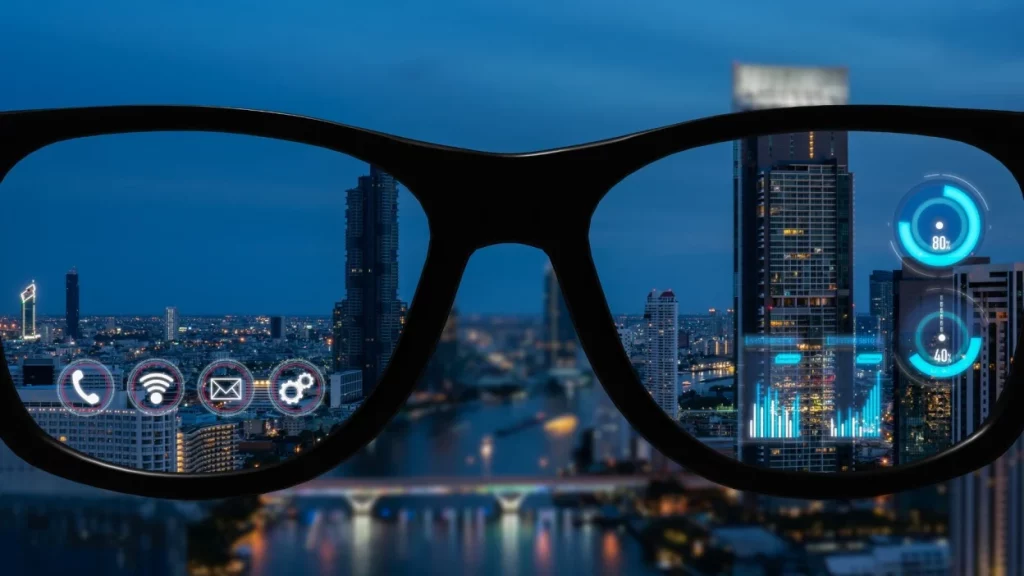
Content creators are documenting their transitions to smart glasses as “digital detox 2.0,” not by going offline but by rethinking how digital life should integrate with the real world. Instead of replacing one addiction with another, they’re seeking mindfulness through better design. And the momentum shows in sales. By Q2 2025, smart glasses adoption had increased 42% year-over-year, outpacing tablets and approaching smartwatch sales.

Schools and workplaces are also taking note. Universities like Stanford and NUS have pilot programs allowing students to use AR glasses during field research and collaborative projects. Remote teams in tech and media are trialing smart glasses for seamless mixed-reality Zoom sessions or live content editing. From fashion to functionality, what was once novelty is now necessity.

Neuralink, Patents, and the Shadow of Brain-Tech Convergence

While the rise of smart glasses seems like an organic evolution of our tech habits, it’s not without controversy. As the interface layer between humans and machines shrinks—from phones to glasses to neural implants—tech giants have begun locking horns over intellectual property and future direction. In early 2025, brain-machine interface company Neuralink filed a high-profile lawsuit alleging that several smart glasses brands, including startups partnered with Meta and Apple, had infringed on its neural control patents.

Neuralink’s claim centered on the advanced sensor arrays embedded in newer smart glasses models that allow for gestureless input—think blinking to trigger commands or gaze-tracking for menu navigation. These capabilities, while not true mind-reading, flirt with the edges of neural interface territory. According to the suit, these features replicate aspects of Neuralink’s early filed patents related to brain signal decoding via external wearable sensors.

The legal battle has sparked global conversation about where augmented reality ends and neural computing begins. Privacy advocates warn of a slippery slope, where tools that seem benign—like smart glasses—could evolve into mass-market surveillance devices or gateways to biometric manipulation. Others argue that this convergence is inevitable, and companies must simply set ethical and transparent guardrails for the journey ahead.

Meanwhile, consumers remain split. Some embrace the increasingly blurred lines between machine assistance and personal agency. Others worry about data ownership, consent, and the societal ramifications of surrendering more mental and visual space to corporations.

Functionality Beyond the Smartphone’s Limits

What makes smart glasses truly disruptive is not just their novelty, but their growing ability to outperform smartphones in real-world tasks. Navigation, for example, becomes dramatically more intuitive with heads-up AR overlays showing turn-by-turn guidance in your actual environment. You no longer need to glance down at a map or fumble while driving.

Real-time translation is another game-changer. Paired with advanced AI, smart glasses can now detect a foreign language spoken around you and display subtitles directly in your field of vision—ideal for travelers, international professionals, or even multilingual classrooms.

Photography is becoming more natural too. First-person POV captures, gesture-based snaps, and real-time filters integrated into the visual feed eliminate the awkwardness of camera posture. For journalists, vloggers, and urban explorers, the line between living and documenting continues to blur.

For the health-conscious, smart glasses are increasingly outfitted with biosensors that monitor fatigue through eye movement, posture via head tilt, or even exposure to environmental factors like blue light or air quality. The result is a truly wearable health interface, not just a glorified extension of your phone.

Design, Comfort, and Fashion-Forward Integration

Smart glasses once suffered from the stigma of looking bulky or overly futuristic. But by 2025, brands have prioritized fashion just as much as function. Meta’s partnership with Ray-Ban is a masterclass in aesthetic credibility—classic frames, subtle tech, and a range of designs from round lenses to wayfarers. Apple’s Vision Pro Lite, though more futuristic in silhouette, balances minimalism with premium material choices.

Wearability is now a core priority. Most models weigh less than 70 grams, with balanced distribution to avoid temple pressure or nose fatigue. Battery life averages 8–10 hours with standby capabilities extending to two days. Charging cases, reminiscent of AirPods, make daily use easy without over-reliance on cables or docks.

In short, smart glasses no longer feel like foreign tech strapped to your face. They feel like eyewear—light, natural, and increasingly stylish.

The Smartphone Isn’t Dead—But It’s No Longer Alone

Despite all the fanfare, smart glasses haven’t fully dethroned smartphones just yet. Complex apps, content creation tools, and screen-based leisure (like gaming or video editing) still favor phones and tablets. But what’s clear is that for a growing subset of users, smart glasses now handle most daily tasks—from communication to navigation, health to entertainment—more efficiently and more intuitively.

What we’re witnessing is not immediate replacement, but a changing of the guard. The smartphone era, defined by heads-down engagement, is giving way to a heads-up, immersive lifestyle. For the next generation, “phone” might refer to a service, not a physical object. And smart glasses are the vessel carrying that vision forward.

Conclusion: From Gadget to Gateway

In 2025, smart glasses are no longer experiments—they’re the new interface of daily life. From Meta’s casual, camera-friendly eyewear to Apple’s immersive digital overlays, the category has matured into a serious contender for smartphone domination. Cultural shifts driven by TikTok, ethical debates sparked by Neuralink, and constant technological refinement have all converged to shape a future where phones might become the secondary screen, not the primary one.

If the smartphone was about holding the world in your hand, smart glasses are about placing the world over your eyes—with context, with fluidity, and with just a hint of tomorrow’s reality.


Tags: Apple Vision Pro LiteMeta Ray-Ban 3smart glasses 2025smartphone alternatives
ShareTweetShare

Related Posts

Robotics: The Key to Overcoming Labor Shortages in Science?
Innovation & Research

Robotics: The Key to Overcoming Labor Shortages in Science?

December 11, 2025
How Can Artificial Intelligence Foster Creativity in the Arts?
Innovation & Research

How Can Artificial Intelligence Foster Creativity in the Arts?

December 10, 2025
Do You Really Own Your Digital Content, or Are You Just Borrowing It?
Digital Lifestyle

Do You Really Own Your Digital Content, or Are You Just Borrowing It?

December 10, 2025
Smart Green Architecture: The Ultimate Anti-Aging Secret?
Digital Lifestyle

How Are Digital Economies Reshaping Local Communities?

December 9, 2025
What If We Could Edit Human Memories—Should We?
Innovation & Research

What If We Could Edit Human Memories—Should We?

December 8, 2025
Digital Art: Can It Truly Capture Human Emotion, or Is It Just Pixels?
Digital Lifestyle

Digital Art: Can It Truly Capture Human Emotion, or Is It Just Pixels?

December 8, 2025

Discussion about this post

  • Trending
  • Comments
  • Latest
Eternal Luminary: Humanity’s Perpetual Fascination with the Sun

Eternal Luminary: Humanity’s Perpetual Fascination with the Sun

November 5, 2024
The Race Heats Up: OpenAI Joins the AI-Powered Search Arena

The Race Heats Up: OpenAI Joins the AI-Powered Search Arena

October 16, 2024
The Canon DIGITAL IXUS Legacy: Redefining Photography with Style and Innovation

The Canon DIGITAL IXUS Legacy: Redefining Photography with Style and Innovation

November 2, 2024
A New Hope: Exploring KarXT’s Potential in Treating Alzheimer’s-Related Psychosis

A New Hope: Exploring KarXT’s Potential in Treating Alzheimer’s-Related Psychosis

December 5, 2024
The Lunar Symphony: Hal Clement’s Prophetic Fantasia

The Lunar Symphony: Hal Clement’s Prophetic Fantasia

Unlocking the Future with AI’s Latest Breakthroughs: A Journey into the Unchartered Frontier

Unlocking the Future with AI’s Latest Breakthroughs: A Journey into the Unchartered Frontier

The Transformative Power of Machine Learning: Shaping the Future of Technology and Beyond

The Transformative Power of Machine Learning: Shaping the Future of Technology and Beyond

The Emotional Intelligence of AI: Bridging the Gap Between Machines and Hearts

The Emotional Intelligence of AI: Bridging the Gap Between Machines and Hearts

Could Wearable Tech Unlock Hidden Human Abilities?

Could Wearable Tech Unlock Hidden Human Abilities?

December 11, 2025
Can AI Explore Parallel Universes Through Data?

Can AI Explore Parallel Universes Through Data?

December 11, 2025
How Does Space Radiation Affect Astronauts’ Health?

How Does Space Radiation Affect Astronauts’ Health?

December 11, 2025
Robotics: The Key to Overcoming Labor Shortages in Science?

Robotics: The Key to Overcoming Labor Shortages in Science?

December 11, 2025
techfusionnews

Discover the essence of innovation at "Tech Aggregator," where the latest in tech converges. From cutting-edge gadgets to cosmic ventures and green breakthroughs, our site offers a streamlined look at the future of technology. Engage with concise, impactful content designed for those eager to stay ahead in an ever-evolving digital landscape. Join us at the forefront of the tech revolution.

© 2025 techfusionnews.com. contacts:[email protected]

No Result
View All Result
  • Home
  • Digital Lifestyle
  • Green Tech & Wellness
  • AI
  • Space Exploration
  • Innovation & Research
  • All Tech

© 2025 techfusionnews.com. contacts:[email protected]

Welcome Back!

Login to your account below

Forgotten Password?

Retrieve your password

Please enter your username or email address to reset your password.

Log In