

























With the increasingly severe global environmental problems, environmental monitoring has become an indispensable part of ecological protection work. The Internet of Things (IoT) technology has shown tremendous potential in this regard. By combining sensors, networks, and data analysis technologies, the Internet of Things is changing traditional environmental monitoring methods and providing more efficient and accurate means for environmental protection. This article will explore the application of the Internet of Things in environmental monitoring and its contribution to ecological protection.
Overview of Internet of Things Technology
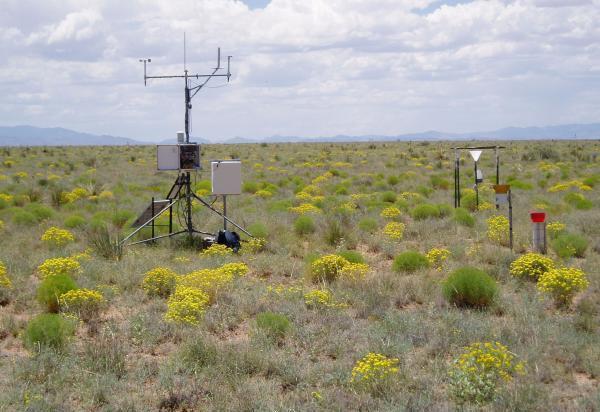
The Internet of Things refers to a network of physical devices connected through the Internet, which can collect and exchange data. In the field of environmental monitoring, this includes various sensors and monitoring devices, such as air quality monitors, water quality detectors, soil moisture sensors, etc. These devices can collect environmental data in real-time and send the data to cloud platforms for analysis, thereby achieving real-time monitoring of environmental conditions.
The Application of Internet of Things in Environmental Monitoring
1. Air quality monitoring
IoT technology can deploy a large number of air quality monitoring sensors in different areas of cities, which can monitor the concentrations of various pollutants such as PM2.5, PM10, sulfur dioxide (SO2), carbon monoxide (CO), etc. By collecting real-time data, governments and environmental agencies can respond more quickly to air quality issues, issue pollution warnings in a timely manner, and take corresponding measures.
2. Water quality monitoring
IoT technology can be used to monitor the water quality of rivers, lakes, and groundwater. Sensors can detect indicators such as chemical substances, heavy metal content, pH value, etc. in water. These data help evaluate the degree of water pollution and provide scientific basis for water resource management and protection.
3. Wildlife conservation
In the field of wildlife conservation, IoT technology can be used to monitor the behavior of animals and the environmental conditions of their habitats. For example, by installing GPS trackers on animals, researchers can track their migration routes and analyze the impact of habitat changes on them.
4. Forest fire monitoring
IoT sensors can be deployed in forests to monitor temperature, humidity, and other factors that may cause fires. These data can help predict fire risks, making fire prevention work more accurate and timely.
5. Agricultural environmental monitoring
In the field of agriculture, IoT technology can be used to monitor soil moisture, temperature, nutrient content, etc., helping farmers optimize irrigation and fertilization plans, increase crop yields, and reduce environmental pollution.
The advantages of IoT technology
The application of IoT technology in the field of environmental monitoring has brought the following advantages:
1. Real time data collection
IoT devices can continuously monitor environmental conditions 24 hours a day, providing real-time data, making environmental monitoring more timely and continuous.
2. Data accuracy
By collecting a large amount of big data through sensors, higher precision environmental monitoring results can be provided, providing accurate data support for environmental management decisions.
3. Cost effectiveness
IoT devices are typically small in size, low in cost, and easy to deploy on a large scale, making the establishment and maintenance of monitoring networks more cost-effective.
4. Early warning mechanism
The Internet of Things system can automatically issue warnings based on preset standards, helping to detect environmental risks in a timely manner and prevent or mitigate environmental disasters.
Challenges Faced
Although IoT technology has many advantages in environmental monitoring, it also faces some challenges, including data security and privacy protection, device maintenance and updates, and how to handle and analyze massive amounts of data.
Future Development Trends
In the future, the application of IoT technology in environmental monitoring will be more extensive and in-depth. With the continuous advancement of technology, we expect that more intelligent and low-power sensors will be developed, which will be more compact, durable, and able to better integrate with other technologies such as artificial intelligence and big data analysis, providing stronger technical support for environmental protection.
epilogue
The Internet of Things technology plays an increasingly important role in environmental monitoring and ecological protection. It can not only improve the efficiency and accuracy of environmental monitoring, but also help us better understand and protect the natural environment. To realize these potential benefits, it is necessary for the government, enterprises, and research institutions to work together to promote the application and development of IoT technology in the field of environmental monitoring.













Discussion about this post