




























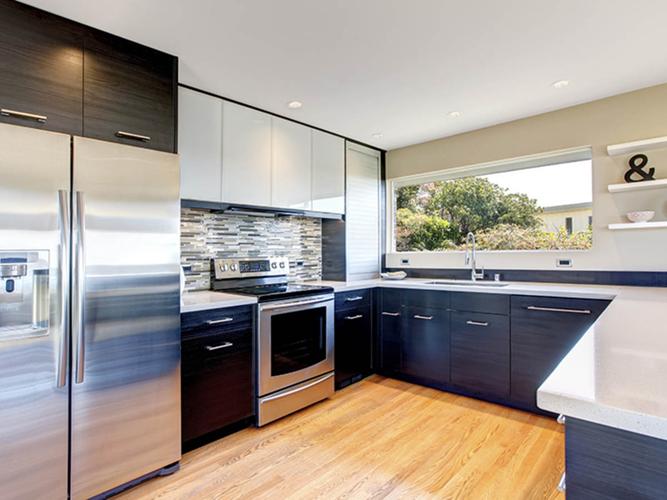
With the global emphasis on energy conservation and emission reduction, environmentally friendly household appliances have become the new favorite of the home market. Consumers’ demand for energy-efficient, intelligent, and carbon footprint reducing home appliances is increasing day by day. This article will explore the development trends, technological innovations, and their impact on future home life of the new generation of environmentally friendly household appliances.
Characteristics of the new generation of environmentally friendly household appliances
The design concept of the new generation of environmentally friendly household appliances is to complete work with minimal energy consumption while reducing the impact on the environment. These household appliances typically have the following characteristics:
1. High energy efficiency standards
The new generation of environmentally friendly household appliances strictly comply with international energy efficiency standards, such as the European Union’s Energy Related Products Directive (ErP) and the United States’ Energy Star program. These household appliances use efficient motors and compressors, as well as better insulation materials and designs to reduce energy consumption.
2. Intelligent control
The integration of intelligent technology enables home appliances to automatically adjust their working mode according to users’ usage habits and environmental conditions. For example, smart refrigerators can adjust their cooling intensity based on the type and storage time of food, while smart washing machines can automatically select the most suitable washing program based on the weight and degree of stains on clothes.
3. Use of sustainable materials
Environmentally friendly household appliances use recyclable or biodegradable materials in the production process, reducing the burden on the environment. In addition, the design of these household appliances also takes into account ease of disassembly for easy recycling at the end of the product’s lifespan.
4. Smart home integration
The new generation of environmentally friendly home appliances can often be seamlessly integrated with smart home systems, and users can remotely control the appliances through smartphones or other devices to achieve further energy savings.
technological innovation
The development of the new generation of environmentally friendly household appliances benefits from the advancement of the following key technologies:
1. Internet of Things (IoT) technology
IoT technology enables home appliances to connect to the Internet, collect and analyze usage data, and optimize energy consumption and performance.
2. Artificial Intelligence (AI) and Machine Learning
Through artificial intelligence and machine learning, household appliances can learn user behavior patterns, predict demand, and automatically adjust settings to save energy.
3. Efficient energy conversion
New motor and compressor technologies, such as brushless DC motors (BLDC), have improved conversion efficiency and significantly reduced energy consumption.
4. Advanced Materials Science
By using advanced insulation materials and efficient heat exchangers, the insulation performance of household appliances has been improved, reducing energy loss.
The impact on future home life
The new generation of environmentally friendly household appliances not only improves energy efficiency, but also enhances the quality of life for users. Their intelligent features provide users with more convenience and personalized options. At the same time, the promotion of environmentally friendly household appliances can help raise public awareness of the importance of energy conservation and emission reduction, and promote the formation of a more environmentally friendly consumption pattern in society.
epilogue
The new generation of environmentally friendly household appliances is leading the development trend of the home market. They have made positive contributions to achieving energy conservation, emission reduction, and sustainable development goals through efficient energy use, intelligent control, and the application of sustainable materials. In the future, with the continuous advancement of technology and the increasing awareness of environmental protection among consumers, these environmentally friendly household appliances will become the new normal of home life.













Discussion about this post