




















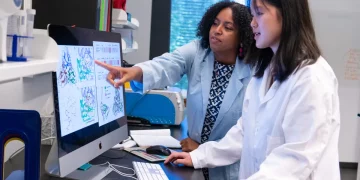








Over the past decade, digital technology has reshaped almost every industry. Scientific research is no exception. From the rise of AI-powered data analysis to the convenience of cloud-based collaboration tools, digital transformation is accelerating the way science is conducted across the globe. But can these advancements lead to a truly unified global scientific community? Let’s dive into how digital tools are changing the face of research and explore whether they can bring scientists from all over the world closer together.
The Digital Shift in Research: What’s Changed?
At its heart, digital transformation in research means integrating new technologies into all areas of scientific work—be it data collection, analysis, or sharing results. The impact of this shift is already clear: it enables faster, more efficient work, and fosters collaboration like never before.
1. Cross-Border Collaboration
One of the most exciting aspects of digital transformation is the ability to work together across borders. With tools like Slack, Google Docs, and cloud storage, researchers no longer need to be in the same place to share data or ideas. This digital connectivity enables real-time collaboration and speeds up problem-solving.
Consider large, international efforts such as the Human Genome Project. Scientists from 20+ countries worked together, sharing knowledge and resources. Today, these kinds of collaborations happen instantly, across different time zones, without the need for physical proximity. This connectivity gives science a global focus, especially on issues like climate change and pandemics, where collective action is crucial.
2. Open Access: A New Era of Knowledge Sharing
Digital tools have also made research more accessible. Open-access platforms allow findings, datasets, and research papers to be shared freely with anyone, anywhere. This shift is helping to break down barriers between rich and poor nations in the scientific world. Today, a researcher in a developing country can access the same materials as a researcher in a well-funded lab. This levels the playing field, allowing talent to shine regardless of geographic location.
Platforms like arXiv, PubMed Central, and Open Science Framework are crucial in this transformation. By making research widely available, they encourage collaborative efforts and fast-track the pace of discovery.
3. AI and Big Data: A Game Changer

The rise of Artificial Intelligence (AI) and big data analytics has revolutionized how research is conducted. AI can process enormous datasets in seconds, identifying patterns and trends that humans might miss. This not only speeds up research but also increases its accuracy.
In areas like genomics, AI algorithms are helping scientists understand genetic data, enabling breakthroughs in personalized medicine. Similarly, in climate science, AI helps predict environmental changes with incredible precision. With these tools, researchers can work faster, make better decisions, and collaborate more easily, regardless of location.
4. Virtual and Augmented Reality (VR/AR)
Virtual and Augmented Reality (VR/AR) are adding an entirely new dimension to research. These technologies allow scientists to simulate environments, conduct virtual experiments, and even visualize data in ways that were previously impossible.
In space exploration, for instance, VR is used to simulate zero-gravity environments and study distant celestial bodies. In medicine, AR overlays vital information in real-time during surgeries, improving precision. As these technologies become more accessible, they will open up even more opportunities for global collaboration and innovation in research.
The Challenges: What Stands in the Way of Global Unity?
Although digital transformation offers exciting possibilities, it’s not without its challenges. Achieving global scientific unity will require overcoming several hurdles.
1. Access to Technology
Not all researchers have equal access to the technologies driving this digital revolution. While researchers in developed countries enjoy access to high-speed internet, advanced labs, and computing power, many scientists in developing nations face resource constraints. This “digital divide” means that some regions may be left behind.
To ensure digital transformation benefits everyone, we need global efforts to provide equal access to the tools and infrastructure required for cutting-edge research. Governments, international organizations, and private-sector players must collaborate to build the necessary infrastructure, especially in underserved areas.
2. Data Privacy and Security

With the growing amount of data being shared and stored digitally, data privacy and security are major concerns. Research often involves sensitive information, such as genetic data or health records, and protecting this data is paramount.
In an international setting, data privacy laws vary widely. For example, Europe’s General Data Protection Regulation (GDPR) is much stricter than the data protection laws in many other countries. As research becomes increasingly global, it will be necessary to establish consistent data-sharing protocols that respect privacy and comply with international standards.
3. Cultural and Language Barriers
While science is often conducted in English, researchers from diverse linguistic backgrounds may face difficulties understanding research papers or communicating ideas. These language barriers can limit the effectiveness of international collaborations.
To overcome this challenge, multilingual platforms and translation tools are essential. Additionally, providing language training for scientists and encouraging cross-cultural communication can foster smoother collaborations and deeper understanding between researchers worldwide.
4. Intellectual Property and Ethical Concerns
As more research goes digital, the question of intellectual property (IP) rights becomes even more complex. Who owns the data and discoveries that come from collaborative research? How do we ensure that scientists receive proper credit for their work, particularly in an open-access environment?
Additionally, ethical concerns around emerging technologies—such as AI, genetic editing, and machine learning—must be addressed. Establishing global standards for responsible research and protecting intellectual property is critical to ensure that digital transformation leads to equitable progress.
The Road Ahead: Can Digital Transformation Unify Global Science?
Despite these challenges, the potential for digital transformation to create a unified global scientific community is immense. As technology continues to evolve, collaboration between scientists from all corners of the world will only become easier, faster, and more impactful. But this future requires ongoing effort, both technologically and culturally.
Global scientific unity through digital transformation won’t just happen on its own. It will require cooperation across nations, institutions, and disciplines. By addressing challenges such as access to technology, data privacy, and ethical concerns, we can lay the foundation for a more connected and collaborative scientific world.
In the end, the digital transformation of research offers not just new tools but the opportunity to create a truly global scientific community. With continued effort, it can unite scientists around shared goals and ensure that research has a lasting, positive impact on the world.













Discussion about this post