

































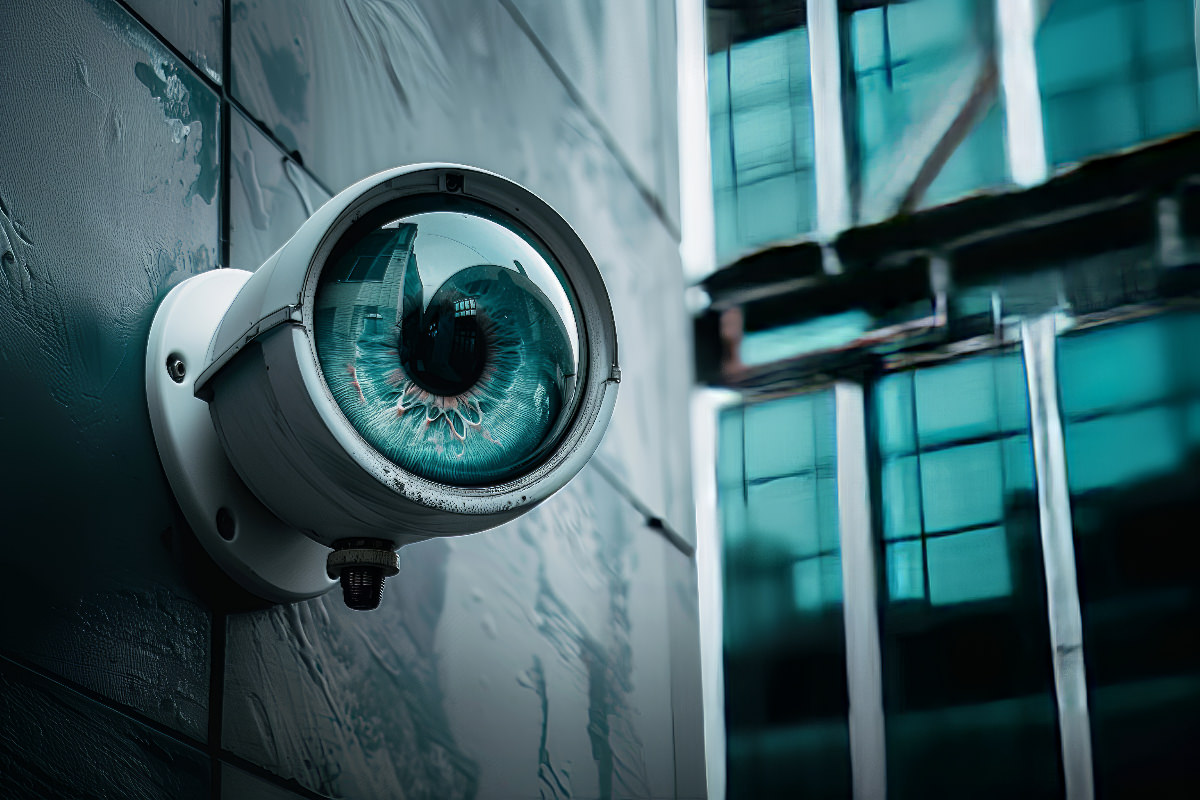
In today’s digital world, it often feels like someone’s watching. Whether you’re browsing, chatting, or shopping online, your data is being collected—sometimes without you even knowing. Governments, corporations, and even hackers are all watching your online behavior. This is the reality of the “surveillance state.” But here’s a question many of us have: can we really escape this surveillance using tools like VPNs?
In this article, we’ll explore whether VPNs can protect your privacy in this era of constant digital monitoring. Let’s dive in!
What is a VPN?
At its most basic, a Virtual Private Network (VPN) is a tool that protects your privacy by encrypting your internet connection. It works by routing your internet traffic through a secure server, creating an encrypted tunnel. Think of it like a secret passageway through a crowded city street. Instead of walking out in the open for everyone to see, you’re hidden inside this tunnel.
When you’re connected to a VPN, your real IP address (which reveals your location) is replaced with one from the VPN server. This makes it look like you’re browsing from a different location, keeping your identity and online activities anonymous. It’s a simple but effective way to stop people from tracking you.
But how well does this protect you from the massive digital surveillance network that’s been growing?
Why Surveillance is Everywhere
In today’s connected world, every click, search, or purchase generates data. This data doesn’t just vanish—it’s tracked and stored. Governments, tech companies, and advertisers are constantly collecting this information to improve services or, in some cases, monitor citizens. Large companies like Google and Facebook gather vast amounts of data about us, from our browsing history to our personal preferences, and even our physical locations.
In some countries, governments have created massive systems for monitoring their citizens’ online activities. The infamous PRISM program, revealed by Edward Snowden in 2013, was one example of how government agencies work with companies to track data. It’s clear that surveillance is widespread and often goes unnoticed.
This is where VPNs come in. For many users, VPNs are the go-to solution for protecting their privacy. But can a VPN actually stop the invasive surveillance systems in place today?
The Benefits of VPNs: A Shield for Your Data
One of the most important things a VPN does is encrypt your data. This means that, even if someone intercepts your internet traffic—whether it’s a hacker on public Wi-Fi or a government agency—they won’t be able to read your information. It’s scrambled into an unreadable code that can only be unlocked with a key—something only you and the VPN provider possess.
Encryption is particularly useful on unsecured networks, like public Wi-Fi in coffee shops or airports, where hackers often lurk. Without a VPN, it’s easy for hackers to access sensitive information like passwords or credit card details. With a VPN, this becomes much harder.
But here’s the catch: encryption protects your data from being intercepted, but it doesn’t necessarily prevent all forms of surveillance.
The Limitations of VPNs
While VPNs offer a solid layer of protection, they’re not foolproof. Here are some ways surveillance might still slip through.
1. Logging Policies of VPN Providers
Not all VPNs are the same. Some claim to have a “no-logs” policy, meaning they don’t store any information about your activity. But, in reality, some VPNs still collect data—like connection timestamps or your IP address.
If a VPN provider keeps logs, those records could be handed over to authorities if requested. This means that even if you use a VPN, your browsing habits could be traced back to you.
To stay safe, look for VPNs that have a verified no-logs policy. Some VPN companies even undergo third-party audits to prove their claims.
2. VPN Bans and Government Censorship
In some countries, using a VPN is illegal or highly regulated. For example, China has a “Great Firewall” that blocks access to many VPN services. In such places, even using a VPN might not be enough to avoid surveillance.

Governments in these regions may also force VPN providers to give up user data. For people living in these areas, VPNs might offer little more than a temporary escape, and using one could even come with legal risks.
3. Tracking Beyond Your IP Address
VPNs mask your IP address, but that’s just one way people can track you. Advertisers, for instance, use cookies to follow your online behavior. They can even track you with something called “browser fingerprinting”—a method that gathers details about your device (like your screen size, browser type, or operating system) to create a unique identifier for you.
This means that even with a VPN, companies can still track you through your device’s fingerprint. VPNs protect your IP address, but they don’t fully block every method of tracking.
4. Leaks and Vulnerabilities
Sometimes, despite using a VPN, you might still leak information—such as your real IP address. This can happen if there’s a technical flaw in your VPN or your device’s settings.
For example, DNS leaks occur when your device bypasses the VPN and connects directly to the internet to find a website. If this happens, your real IP address could be exposed. WebRTC leaks are another common issue that can reveal your IP address through certain web communications.
Many VPN services address these problems by including leak protection features. But, if you’re serious about privacy, it’s important to double-check these settings and be aware of potential risks.
Are VPNs the Solution to Digital Privacy?
VPNs are a useful tool in protecting your online privacy. They hide your IP address and encrypt your data, making it much harder for anyone to see what you’re doing online. But can they truly protect you from all forms of surveillance? The answer isn’t a simple yes or no.
A VPN can help block surveillance that relies on tracking your IP address or intercepting your data. But they don’t protect against more sophisticated forms of tracking, like browser fingerprinting or data collection via cookies. Additionally, VPNs depend on the trustworthiness of the provider. Some might log your data, which defeats the purpose of using a VPN in the first place.
In the end, VPNs are just one piece of the privacy puzzle. If you want to fully protect yourself online, you should combine VPNs with other tools, like encrypted messaging apps, privacy-focused search engines, and browser extensions that block trackers.
Conclusion
VPNs are a powerful tool in the fight against online surveillance. They can shield your data from prying eyes and provide a level of anonymity when browsing the internet. However, they aren’t a magic bullet for escaping the surveillance state.
If you’re serious about protecting your privacy, it’s important to take a layered approach. Choose a trusted VPN, but also be aware of other ways your online behavior can be tracked. Stay informed about the latest privacy tools and strategies, and continue to take steps to protect your digital rights.













Discussion about this post