



































With the increasingly severe global climate change issue, the impact of traditional fuel vehicles on the environment has received widespread attention. As one of the alternative solutions, electric vehicles (EVs) have become a key focus of future transportation development due to their clean and efficient characteristics. This article will explore the latest developments in the field of electric vehicles and the challenges faced in promoting their use.
Technological progress of electric vehicles
The rapid development of electric vehicle technology has continuously improved its performance and gradually made its price more affordable. In terms of battery technology, the improvement of energy density and cost reduction of lithium-ion batteries are key factors driving the development of electric vehicles. Currently, researchers are working on developing solid-state batteries, which are expected to provide higher energy density and safety, further enhancing the range of electric vehicles and reducing charging time.
In terms of vehicle design, manufacturers are adopting lightweight materials and more efficient powertrain designs to improve energy efficiency and performance. In addition, intelligent technologies integrated into vehicles, such as autonomous driving assistance systems and vehicle networking functions, are gradually becoming standard configurations, providing drivers with a safer and more convenient driving experience.
The challenge of promoting electric vehicles
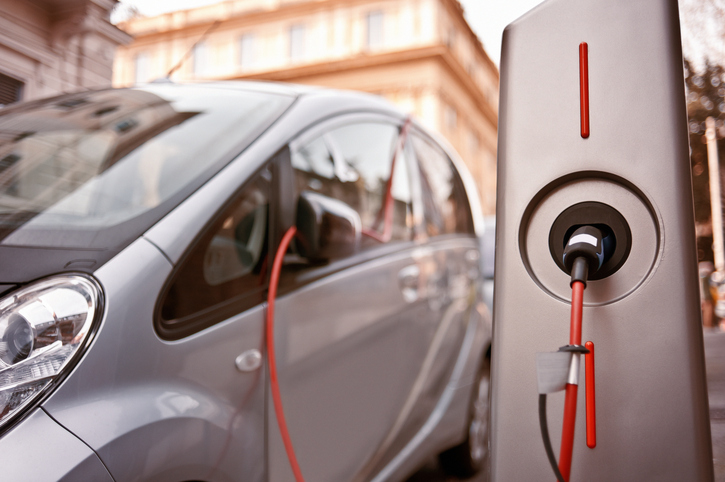
Despite significant progress in electric vehicle technology, there are still many challenges in the promotion process. Firstly, the insufficient charging infrastructure has limited the popularity of electric vehicles. Although the number of household and commercial charging stations is increasing, the coverage of charging stations is still insufficient in some areas, especially remote areas.
Secondly, the initial purchase cost of electric vehicles is relatively high, although the long-term operating cost is low. This is still an important consideration for ordinary consumers. In addition, the long-term performance and recycling issues of batteries also need to be addressed to ensure the environmental friendliness of electric vehicles.
Market and policy support
In order to accelerate the promotion of electric vehicles, many countries and regions have implemented a series of policy measures, including car purchase subsidies, tax incentives, and investment in the construction of charging infrastructure. These policies have to some extent reduced the cost of purchasing cars for consumers and increased the attractiveness of electric vehicles.
Meanwhile, driven by market competition, automobile manufacturers are increasing their research and development investment and launching multiple electric vehicle models to meet the needs of different consumers. This diversified market supply helps to increase consumer acceptance of electric vehicles.
Future prospects of electric vehicles
Looking ahead, electric vehicles are expected to dominate the global automotive market. With the advancement of battery technology, the improvement of charging infrastructure, and policy support, the range of electric vehicles will further increase, charging time will be significantly shortened, and the cost of purchasing a car will gradually decrease.
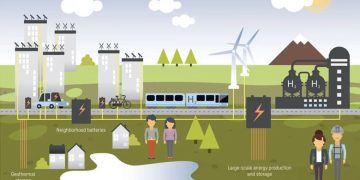
In addition, as the proportion of renewable energy in the global energy structure increases, electric vehicles will play a greater environmental advantage. By combining intelligent transportation systems and autonomous driving technology, electric vehicles can not only reduce greenhouse gas emissions, but also improve road safety and traffic efficiency.
epilogue
As a representative of clean energy vehicles, electric vehicles are gradually overcoming challenges and penetrating the mass market under technological progress and policy promotion. Although there are still issues with charging infrastructure construction and battery costs, with the continuous advancement of technology and the gradual maturity of the market, electric vehicles will play an increasingly important role in future transportation systems, making significant contributions to achieving sustainable transportation and reducing environmental pollution.













Discussion about this post