
































Introduction
Human civilization has always been shaped by environments.
People built cities, homes, workplaces, schools, and entertainment spaces to organize social life and human interaction. For centuries, these environments were entirely physical. Communication depended on geography, and experiences were limited by distance and material reality.
The digital revolution changed this relationship dramatically.
The internet created virtual spaces where people could communicate instantly across continents. Social media introduced online identities, streaming platforms transformed entertainment, and online gaming created interactive digital communities. Yet despite these changes, most digital experiences still existed on flat screens.
Now, a new technological transformation is emerging: immersive virtual environments powered by virtual reality, augmented reality, artificial intelligence, blockchain systems, and advanced digital networks. This evolution is often described as the rise of the metaverse.
The metaverse represents a vision of interconnected digital worlds where people can socialize, work, learn, shop, play, and create through immersive virtual experiences. Instead of merely viewing digital content, users enter digital environments and interact with them almost as naturally as physical spaces.
Supporters believe the metaverse could become the next major phase of the internet, fundamentally reshaping digital lifestyle. Critics warn it may increase surveillance, addiction, social isolation, and corporate control over human experience.
This article explores the rise of virtual reality and the metaverse, the technologies driving these developments, their influence on society and culture, the opportunities they create, and the risks they may introduce in the future of digital living.
Understanding Virtual Reality and the Metaverse
What Is Virtual Reality?
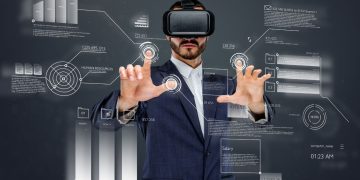
Virtual reality (VR) is a technology that immerses users in computer-generated environments through specialized devices such as VR headsets.
Unlike traditional digital media viewed on screens, VR creates the sensation of physical presence inside digital spaces.
Users can:
- Explore virtual worlds
- Interact with objects
- Play immersive games
- Attend virtual events
- Simulate real environments
The goal is to create realistic sensory experiences.
What Is Augmented Reality?
Augmented reality (AR) overlays digital elements onto the physical world.
Examples include:
- Smartphone filters
- Navigation overlays
- Interactive shopping tools
- AR gaming experiences
AR enhances reality rather than replacing it entirely.
Defining the Metaverse
The metaverse is often described as a network of persistent virtual worlds connected through digital identity and immersive interaction.
In theory, users could:
- Attend meetings
- Buy virtual property
- Watch concerts
- Play games
- Build businesses
- Socialize with friends
all inside interconnected digital environments.
The metaverse combines:
- Virtual reality
- Social networking
- Gaming
- Digital economies
- Artificial intelligence
- Online identity systems
into one large ecosystem.
The Evolution of Digital Spaces
From Websites to Virtual Worlds
The internet evolved through several major stages:
Web 1.0
Static websites focused mainly on information consumption.
Web 2.0
Interactive social platforms allowed users to create content and communicate globally.
Emerging Web 3.0 and Metaverse Concepts
Immersive, decentralized, and interactive digital worlds emphasize ownership, participation, and virtual identity.
This progression reflects humanity’s increasing integration with digital environments.
Online Gaming as a Foundation
Modern online games helped establish many metaverse concepts.
Games created:
- Persistent virtual worlds
- Digital economies
- Online communities
- Virtual identities
For younger generations, gaming environments already function as social spaces rather than simple entertainment products.
Social Media and Digital Identity
Social media normalized the idea of maintaining digital identities.
People now regularly express themselves through:
- Avatars
- Profiles
- Content feeds
- Online communities
The metaverse expands this concept into fully immersive spaces.
The Technologies Behind the Metaverse
High-Speed Internet and Cloud Computing
Immersive digital worlds require enormous processing power and fast data transmission.
Cloud computing allows:
- Real-time interaction
- Massive virtual environments
- Cross-platform connectivity
Without advanced internet infrastructure, the metaverse would not be possible.
Artificial Intelligence
AI powers many aspects of virtual environments:
- Personalized experiences
- Intelligent NPCs
- Language translation
- Virtual assistants
- Adaptive content systems
AI helps digital worlds feel dynamic and responsive.
Virtual Reality Hardware
Modern VR devices include:
- Motion tracking
- Spatial audio
- Hand controllers
- Eye tracking systems
Future hardware may become:
- Lighter
- More affordable
- More realistic
Blockchain and Digital Ownership
Some metaverse projects use blockchain technology to support:
- Digital currencies
- Virtual property ownership
- Collectible assets
- Identity verification
This allows users to buy and trade digital items.
Social Life in Virtual Worlds
Virtual Communities
The metaverse could redefine social interaction.
Users may:
- Meet friends virtually
- Attend social gatherings
- Participate in online communities
- Explore shared digital spaces
Virtual environments may eventually feel emotionally meaningful.
Avatars and Identity
People express themselves digitally through avatars.
Avatars may reflect:
- Real appearance
- Idealized identities
- Creative fantasy versions
Digital identity becomes increasingly flexible.
Virtual Relationships
Some individuals already form:
- Friendships
- Romantic relationships
- Professional connections
through online environments.
As virtual experiences become more immersive, emotional attachment to digital interaction may increase.
Entertainment in the Metaverse
Immersive Gaming
Gaming remains one of the strongest drivers of virtual world development.
Future gaming may include:
- Fully interactive environments
- Realistic social interaction
- Persistent digital societies
Players may spend significant portions of their lives inside virtual ecosystems.
Virtual Concerts and Events
Artists increasingly host:
- Virtual concerts
- Digital festivals
- Online fan experiences
These events remove geographic limitations.
Millions can attend simultaneously from different countries.
Interactive Storytelling
Entertainment may become more participatory.
Instead of passively watching movies, users could:
- Influence storylines
- Explore fictional worlds
- Interact with characters
Digital storytelling may evolve into immersive experiences.
Work and Education in the Metaverse
Virtual Offices
Remote work may evolve into immersive collaboration spaces.
Employees could:
- Meet in virtual conference rooms
- Interact through avatars
- Use digital whiteboards
- Collaborate globally
Virtual offices aim to recreate social aspects of physical workplaces.

Education Without Borders
Virtual learning environments could transform education.
Students may:
- Attend simulated science experiments
- Explore historical recreations
- Participate in interactive lessons
Immersive learning may improve engagement and accessibility.
Skill Training and Simulation
VR is already used for:
- Medical training
- Flight simulation
- Industrial safety education
Simulation-based learning reduces risk while improving practical experience.
Digital Economies and Virtual Property
The Rise of Virtual Commerce
The metaverse may create entirely new digital economies.
Users can already purchase:
- Virtual clothing
- Digital artwork
- In-game property
- Avatar accessories
Digital assets increasingly hold real-world value.
Virtual Real Estate
Some companies sell virtual land inside digital worlds.
Owners may:
- Build businesses
- Host events
- Advertise products
This creates speculative digital property markets.
Creator Economies
The metaverse may expand opportunities for:
- Designers
- Developers
- Artists
- Entertainers
Creators can monetize virtual experiences and products.
Mental Health and Psychological Concerns
Escapism and Addiction
Immersive digital environments may become psychologically addictive.
Some individuals may prefer virtual experiences over physical reality because virtual worlds can offer:
- Greater control
- Constant stimulation
- Personalized experiences
Excessive immersion could increase:
- Isolation
- Dependency
- Emotional disconnection
Identity and Self-Perception
Digital avatars may influence self-image and identity development.
Questions arise such as:
- How does virtual identity affect real-world confidence?
- Can digital perfection damage self-esteem?
- Will people struggle balancing real and virtual selves?
Emotional Attachment to Virtual Worlds
Humans naturally form emotional bonds with meaningful environments.
As virtual spaces become more realistic, emotional investment in digital worlds may intensify.
Privacy, Surveillance, and Ethics
Data Collection in Immersive Environments
The metaverse could collect unprecedented amounts of personal data, including:
- Eye movements
- Voice patterns
- Facial expressions
- Physical behavior
- Emotional responses
This creates major privacy concerns.
Corporate Power
Large technology companies may control:
- Virtual infrastructure
- Identity systems
- Digital economies
Critics worry this could centralize enormous social and economic power.
Ethical Questions
Important ethical issues include:
- Digital ownership rights
- User safety
- Virtual harassment
- AI manipulation
- Psychological effects
Regulation will likely become increasingly necessary.
The Physical World Versus Virtual Living
Blurring Reality Boundaries
As virtual environments improve, distinctions between physical and digital life may weaken.
People may increasingly:
- Work virtually
- Socialize virtually
- Shop virtually
- Attend events virtually
The digital lifestyle becomes more immersive.
Will Physical Experiences Lose Value?
Some fear virtual convenience could reduce appreciation for:
- Nature
- Physical community
- Face-to-face interaction
Others believe virtual experiences will complement rather than replace real life.
Hybrid Reality
The future may involve hybrid lifestyles combining:
- Physical experiences
- Augmented environments
- Virtual interaction
Humans may move fluidly between realities.
Accessibility and Inequality
Expensive Technology
Advanced VR systems remain costly.
Many populations still lack access to:
- Fast internet
- Modern hardware
- Digital infrastructure
This may widen technological inequality.
Digital Divide
If future education, work, and commerce move into immersive environments, unequal access could become a serious social issue.
Global Participation
Supporters argue virtual worlds may also increase access by allowing people from remote regions to participate in global opportunities.
The Future of the Metaverse
More Realistic Experiences
Future VR systems may include:
- Full-body tracking
- Haptic feedback
- Smell simulation
- Advanced AI interaction
Virtual environments could become highly realistic.
AI-Generated Worlds
Artificial intelligence may automatically create:
- Personalized environments
- Interactive characters
- Adaptive experiences
Digital worlds may evolve dynamically in real time.
Human-Digital Integration
Long-term technological development may include:
- Brain-computer interfaces
- Neural interaction systems
- Direct sensory integration
The line between human consciousness and digital systems may blur further.
Conclusion
Virtual reality and the metaverse represent the next major evolution of digital lifestyle. These technologies aim to transform the internet from a space people observe into a world they inhabit.
The metaverse offers remarkable possibilities:
- Global connectivity
- Immersive entertainment
- Innovative education
- Remote collaboration
- New economic opportunities
At the same time, it introduces serious risks:
- Privacy invasion
- Psychological addiction
- Corporate control
- Social isolation
- Digital inequality
The future of immersive digital living will depend not only on technological innovation but also on ethical design, regulation, and human responsibility.
Technology has always reshaped civilization, but the metaverse may transform something even deeper: the nature of reality, identity, and human experience itself.
Whether this future becomes liberating or overwhelming will depend on how humanity chooses to balance virtual possibility with real-world humanity.














Discussion about this post