

































Space exploration is an exciting and ambitious field. Humanity is venturing into new territories with missions to the Moon, Mars, and even further. While these missions promise exciting advancements, one major obstacle stands in the way: space debris.
This article takes a closer look at space debris—what it is, why it’s a problem, and how it affects future space missions. We’ll also explore the latest efforts to solve this growing issue.
What Exactly Is Space Debris?
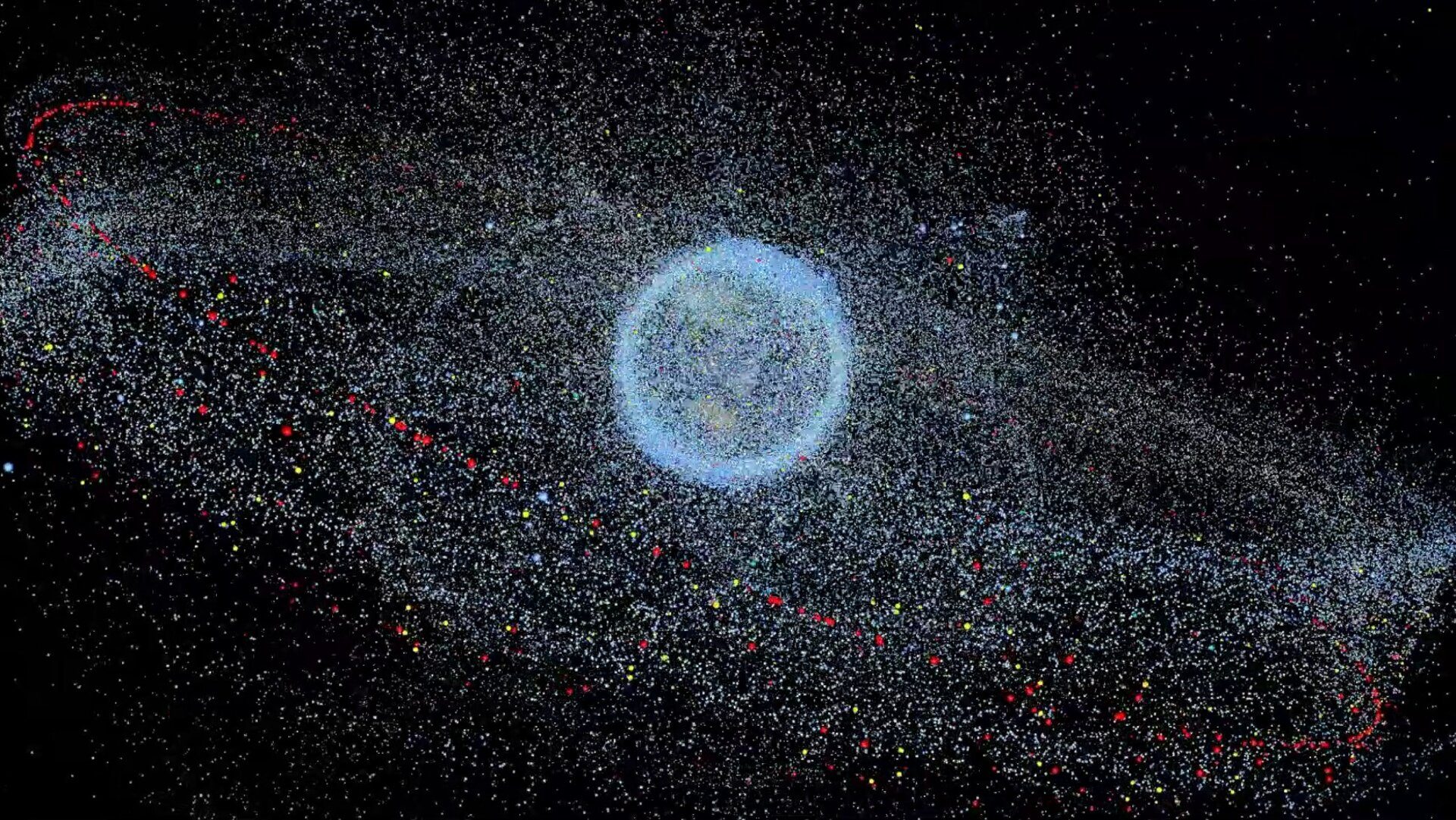
Space debris, often called space junk, includes any non-functional objects floating in Earth’s orbit. These can be broken pieces of old spacecraft, dead satellites, and leftover rocket parts. Some debris is very small—just a few millimeters wide—but it can still be dangerous because these objects are traveling at incredible speeds.
For example, a tiny screw moving at 25,000 kilometers per hour (15,534 miles per hour) can cause serious damage to a spacecraft. And when you consider that there are thousands of these pieces in space, it becomes clear why space debris is such a big problem.
How Big Is the Problem?
There are currently more than 23,000 objects larger than 10 cm in space. This number grows every year. In addition, there are hundreds of thousands of smaller pieces, many of which are too tiny to track, but still dangerous. Most of this debris is in low Earth orbit (LEO), which is where the majority of satellites and space missions take place.
Space debris didn’t start being a problem until the late 20th century. It began when the first satellites and spacecraft were launched into orbit in the 1950s and 1960s. Back then, there wasn’t much consideration for what would happen to these objects after they had outlived their usefulness. As the years went by, more satellites were launched, and the amount of debris increased.
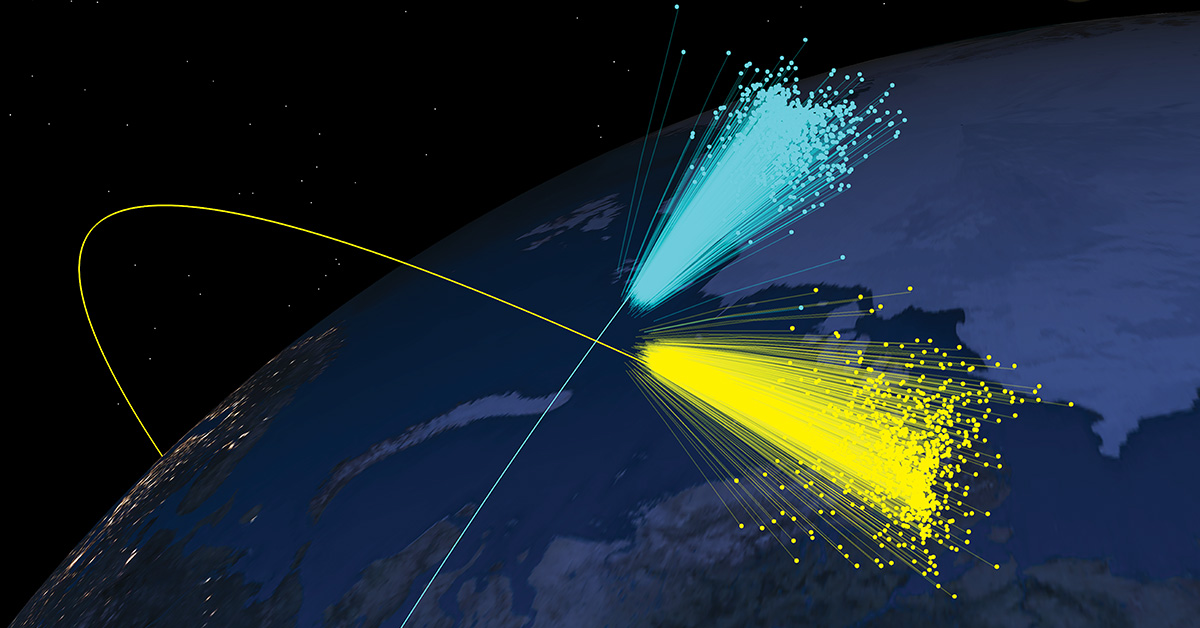
A significant event occurred in 2007 when China tested an anti-satellite missile, destroying one of its own satellites. This explosion created thousands of new pieces of debris. Two years later, another major incident occurred when two defunct satellites collided, creating even more junk in orbit.
Why Is Space Debris Dangerous?
The main risk posed by space debris is that it can crash into active satellites, spacecraft, or the International Space Station (ISS). Objects in space travel at incredibly high speeds—up to 25,000 km/h (15,534 mph). Even a tiny fragment can cause catastrophic damage. A collision could destroy a satellite, knock out communication systems, or, in extreme cases, jeopardize the lives of astronauts aboard a spacecraft.
The real worry, though, is the long-term effect of this debris. Each collision creates even more pieces of junk, which makes the problem worse. This chain reaction, known as the Kessler Syndrome, could eventually make certain orbits unusable. If this happens, it could significantly limit the ability to launch future space missions, as the space around Earth would become too hazardous.
How Does Space Debris Affect Future Missions?
As we look to the future, the growing problem of space debris poses a significant challenge for several reasons:
- Risk to Crewed Missions: Future missions to the Moon, Mars, and beyond will be impacted by space debris. While these missions will eventually leave Earth’s orbit, spacecraft will pass through LEO, where the debris is concentrated. Even a small piece of debris could potentially damage a spacecraft or a crewed mission.
- Damage to Satellites: The increasing number of satellites being launched—especially with commercial projects like SpaceX’s Starlink—raises the risk of collisions. If a satellite is hit by debris, it could become inoperable, costing millions of dollars in repairs or replacements.
- Space Tourism: As companies like Blue Origin and Virgin Galactic make strides in space tourism, debris poses a serious risk. Even a tiny piece of space junk could cause severe damage to spacecraft that carry paying passengers into orbit, threatening the future of space tourism.
- Exploration Beyond LEO: If space debris continues to accumulate, it could limit access to key orbits. Space exploration missions to the Moon and Mars depend on safe travel through space. If certain regions become too hazardous, future exploration could be delayed or rerouted.
- Higher Costs: As space debris increases, it will make space missions more expensive. To avoid collisions, spacecraft may need additional protective shielding or new maneuvering capabilities. These added costs could slow the pace of exploration and make missions less affordable.
What Is Being Done to Solve the Problem?
The space industry has recognized the importance of tackling the issue of space debris, and several solutions are currently being developed:
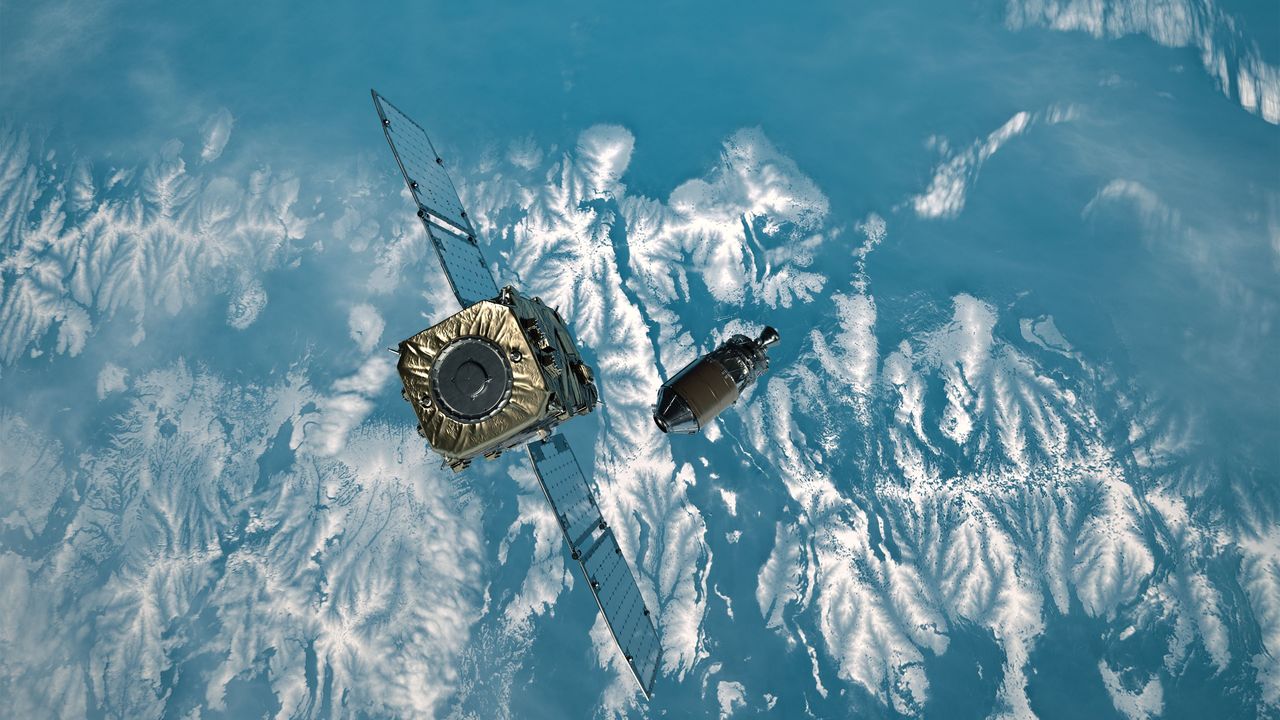
- Active Debris Removal (ADR): This strategy involves sending spacecraft into orbit to physically remove large pieces of debris. These spacecraft could use robotic arms, nets, or even harpoons to capture junk and guide it safely into Earth’s atmosphere, where it would burn up. Companies like Astroscale and organizations like the European Space Agency (ESA) are working on ADR technologies.
- Better Tracking Systems: Space agencies are improving tracking systems to monitor debris more effectively. NASA, the U.S. Department of Defense, and private companies track thousands of debris pieces in space using advanced radar and optical systems. This allows spacecraft to avoid potential collisions and protect vital infrastructure in orbit.
- Designing Safer Satellites: Satellite makers are now building satellites with end-of-life plans in mind. Many new satellites are designed to deorbit themselves when they’re no longer functional. Some even use onboard propulsion systems to lower their orbits and safely burn up in the atmosphere, reducing long-term debris.
- International Guidelines: International cooperation is essential for solving the space debris problem. The United Nations has set up guidelines to help countries reduce debris, and space agencies like NASA and ESA are working together to create global policies. However, many of these efforts remain voluntary, and there’s no global treaty that forces countries to follow the rules.
- In-Orbit Servicing: Another innovative solution is in-orbit servicing, where satellites are repaired or refueled in space. This can extend the life of operational satellites, preventing them from becoming space junk. Companies like Northrop Grumman and SpaceLogistics are testing this technology, which could reduce the amount of debris created by defunct satellites.
The Future of Space Exploration
Space debris remains a serious threat, but it is not an insurmountable challenge. With continued innovation and cooperation, space agencies and private companies are making strides toward cleaning up the mess. Active debris removal, better tracking systems, and improved satellite designs are just a few of the steps being taken to protect the future of space exploration.
As space exploration continues to grow, it’s crucial that we take responsibility for the debris we leave behind. By managing space junk effectively, we can ensure that future generations of astronauts, scientists, and space tourists have the safe, open skies they need to continue exploring the cosmos.













Discussion about this post